Posts tagged priorities
3 Useful Ways for Better and More Compassionate Time Management

You and I share at least two things in common. We both have 24 hours in a day, and our days are finite. Yet how we experience and use our time varies widely.

Perhaps you are time-aware. You know how much time you have and spend it intentionally. Or maybe you have difficulty keeping track of time, feel time-poor, are easily distracted, and never have enough hours to get things done.

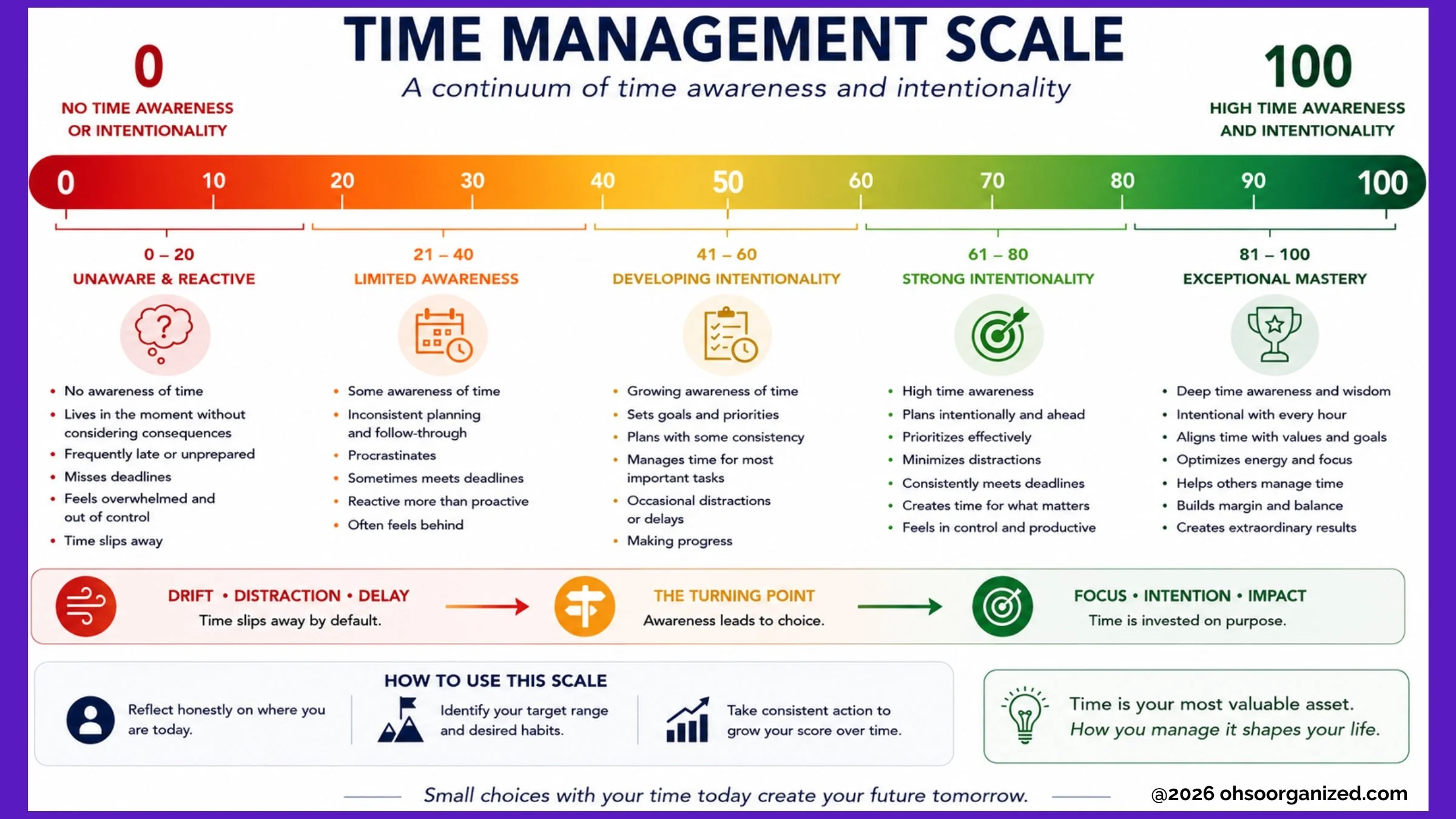
If you think of your relationship to time on a scale from zero to one hundred, with one end representing a total lack of time awareness and intentionality and the other representing high time awareness and intentionality, where would you place yourself? Whether your number is zero or one hundred, several concepts can improve your relationship with time and help you approach it more compassionately.


Time Management Scale

Before I share the strategies, review the Time Management Scale to get a sense of where you are right now. This isn’t an exact science, but the scale will help you identify your strengths and challenges. Understanding your relationship with time, combined with the concepts I’m about to share, can be a game-changer for you.

How to Use the Scale

  • Reflect honestly on where you are today

  • Identify your target range and desired habits

  • Take consistent action to improve your score over time

Remember that small choices about how you spend your time today shape your future.


3 Ideas to Encourage More Compassionate and Aligned Time Management

There are three ways to align your time in a more compassionate and powerful way. As I mentioned earlier, the time available each day is fixed. Your life and the time you have left are finite. None of us knows how many days remain. How you use this precious resource shapes your life.

1. Energy

Have you noticed how your energy ebbs and flows throughout the day? For example, I have more energy and mental clarity earlier in the day, and my energy lessens as the day goes on. Matching high-brain-demand tasks, such as planning or writing, with the time of day I’m ‘fully charged’ works better for me. Lower-brain-demand tasks, like resetting spaces or grocery shopping, can be done when my energy is less.

As you plan your available time and how you will spend it, factor in your energy. A while ago, Executive Coach Marcy Stoudt introduced me to the reframing of time management as energy management.

It’s helpful to consider how you’re planning and using your time. One thing I’ve learned is how much longer tasks take when my energy isn’t aligned. For example, when I’m tired and my energy is low, it takes me two to three times as long to do certain tasks as when I’m well-rested and in my high-energy, brain-power part of the day.

Aligning your energy management with how you use your time is a compassionate practice.

Small choices about how you spend your time today shape your future.
— Linda Samuels, CPO-CD®, CVOP™

2. Priorities

Have you noticed that some priorities, especially those tied to values, are fixed while others are flexible? For example, family might always be a top priority, so you’ll drop everything if someone in your family needs you. Or, when planning, family considerations drive your choices.

Flexible priorities are tasks, goals, and commitments that matter but don’t require immediate action or have a set deadline.

Flexible priorities could include:

  • Projects with open deadlines

  • Buy groceries sometime this week

  • Meet a friend for coffee in the next few months

  • Edit belongings to downsize

  • Plant flowers in the garden

  • Clean out the garage this season

  • Improve sleep habits

  • Try a meditation app

When considering your available time, aligning your priorities with your values and clarifying which tasks are fixed or flexible can lead to a more compassionate way forward.


3. Reality

Ah, yes! The old reality check. Here’s where time management can go sideways. Many people I know, including clients, struggle to align their available time with how long tasks take. This is where optimism needs to be balanced with a realistic understanding of time.

Has this happened to you? I see it most often on ambitious to-do lists. For example, you sit down to write your daily list. You have twenty or thirty items and expect to do them all today because they’re all “equally important.” Yet as the day goes on, you’ve only gotten to a few items. It’s clear you won’t finish everything. The day isn’t over, and you’re starting to feel stressed and defeated. Believe me, I get it. Reality and intention are two very different things.

  • Reality Check 1: Not everything is equally important.

  • Reality Check 2: Your list is too ambitious to complete in one day.

  • Reality Check 3: Optimism is great, but balance it with a realistic understanding of your available time and how long tasks take.

  • Reality Check 4: Reduce the size of your list. Curate a daily list of 1-5 items. Get those done, then review the time you have left before adding more to your day.

When you stop planning for an ideal day and start planning for the day you actually have, you gain a greater sense of control, accomplishment, and ease.


Are You Ready to Bring a More Compassionate Approach to Time Management?

The number is 24, as in the hours in a day. The number of days you have left is unknown. You have choices about how to spend your time. Use understanding and compassion as you plan and decide.

What will that look like for you? Which time management ideas resonate most with you? I’d love to hear your thoughts. I invite you to join the conversation.


How Can I Help?

Do you feel overwhelmed, disorganized, and time-stressed? Are you struggling to manage all your tasks, goals, and commitments? I’m here to help! You don’t have to do this alone. Virtual organizing is an extraordinary path forward – Local feel with a global reach.

Let’s connect! I’m easy to reach.

Managing your time, getting organized, and living with more ease are possible, especially with support.

 
 
Here Are 5 Most Interesting and Best Decluttering Discoveries - v55

Enjoy the latest edition (v55) of the “What’s Interesting?” series, featuring my most recent finds that inspire, spark curiosity, and relate to organizing and life balance. These unique decluttering discoveries reflect this month’s blog theme.

You are an engaged, vibrant, and generous group. I am deeply grateful for your ongoing presence, positive energy, and contributions to this community. I look forward to your participation and further contributions to this curated collection.

What do you find interesting?


What’s Interesting? – 5 Best Next Step Discoveries

1. Interesting Read – Less Clutter

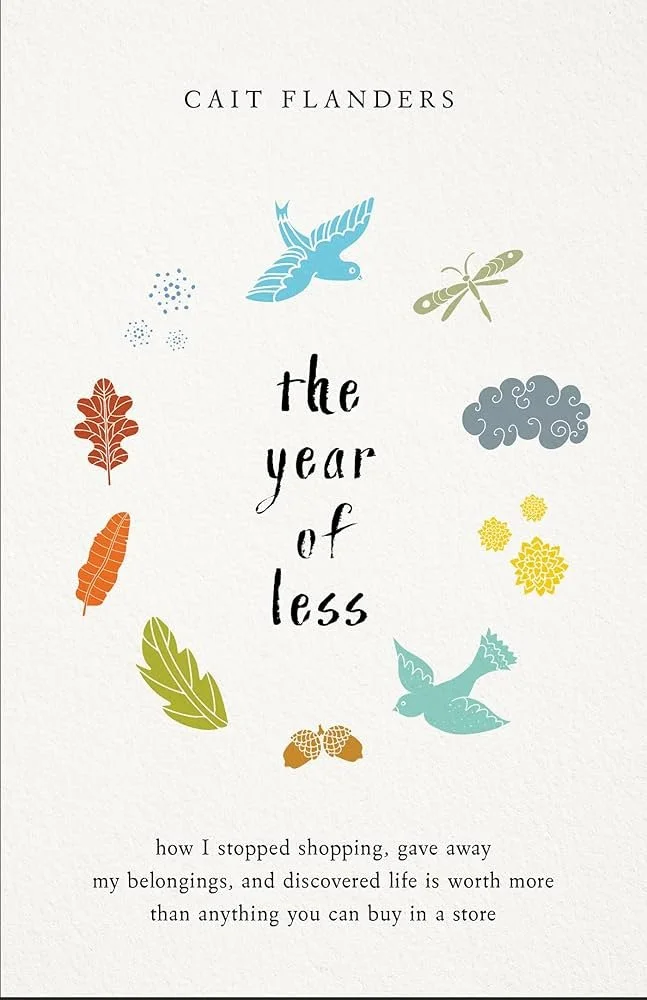
Do you feel overwhelmed by how much your things are taking over your life, space, money, and energy? If so, find inspiration and hope in The Year of Less by bestselling author Cait Flanders.

Cait takes us on her twelve-month journey to stop shopping and give away most of her belongings. During that year, she bought only items on her ‘sanctioned’ list of consumables, decluttered her apartment, let go of 70 percent of her belongings, learned to fix things, paid off debt, navigated family challenges, and worked through addictive behaviors and unhelpful habits.

Through personal stories and practical strategies, Cait guides you toward a more mindful life with less consumption and more time for what matters most to you. When working to reduce the things in her life, Cait said, “I had to let go of the stuff I wanted the ideal version of myself to use, and accept myself for who I really was.”

By the end of Cait’s year, after she took control of her life, released many of her belongings, saved money, and embarked on the next phase of her life, she said, “… all that remained was the real me. It wasn’t much, but it was enough. It was enough. I had enough. I was enough.”


2. Interesting Perspective – Time Clutter

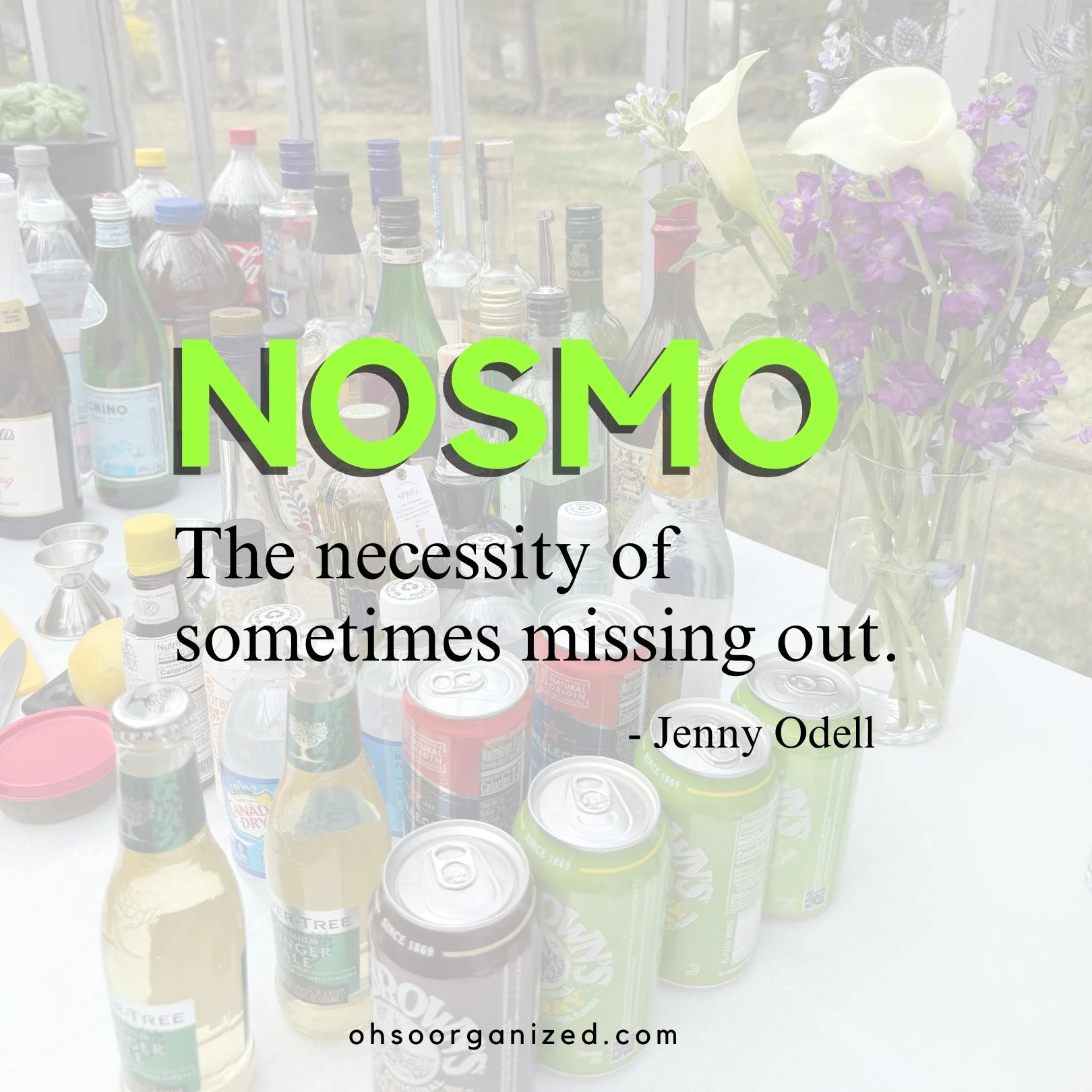
Clutter isn’t only physical stuff that piles up. There’s also time or calendar clutter. Time clutter can show up as overcommitting, no downtime, double-booking appointments, consistently running late, being overstimulated, never having enough hours in the day, or feeling overwhelmed by your never-ending to-do list.

Artist and writer Jenny Odell coined the acronym NOSMO, “the necessity of sometimes missing out,” in her book How to Do Nothing: Resisting the Attention Economy. Saying “yes” to everything, ignoring your needs, and lacking boundaries can leave you feeling stressed, time-poor, and exhausted.

If you want to declutter your schedule, start editing. You don’t have to accept every invitation. Instead, focus on how you want your days to flow, how much time you need for transitions, and how much time you want for relaxation.

What can you let go of today?


3. Interesting Article – Aspirational Clutter  

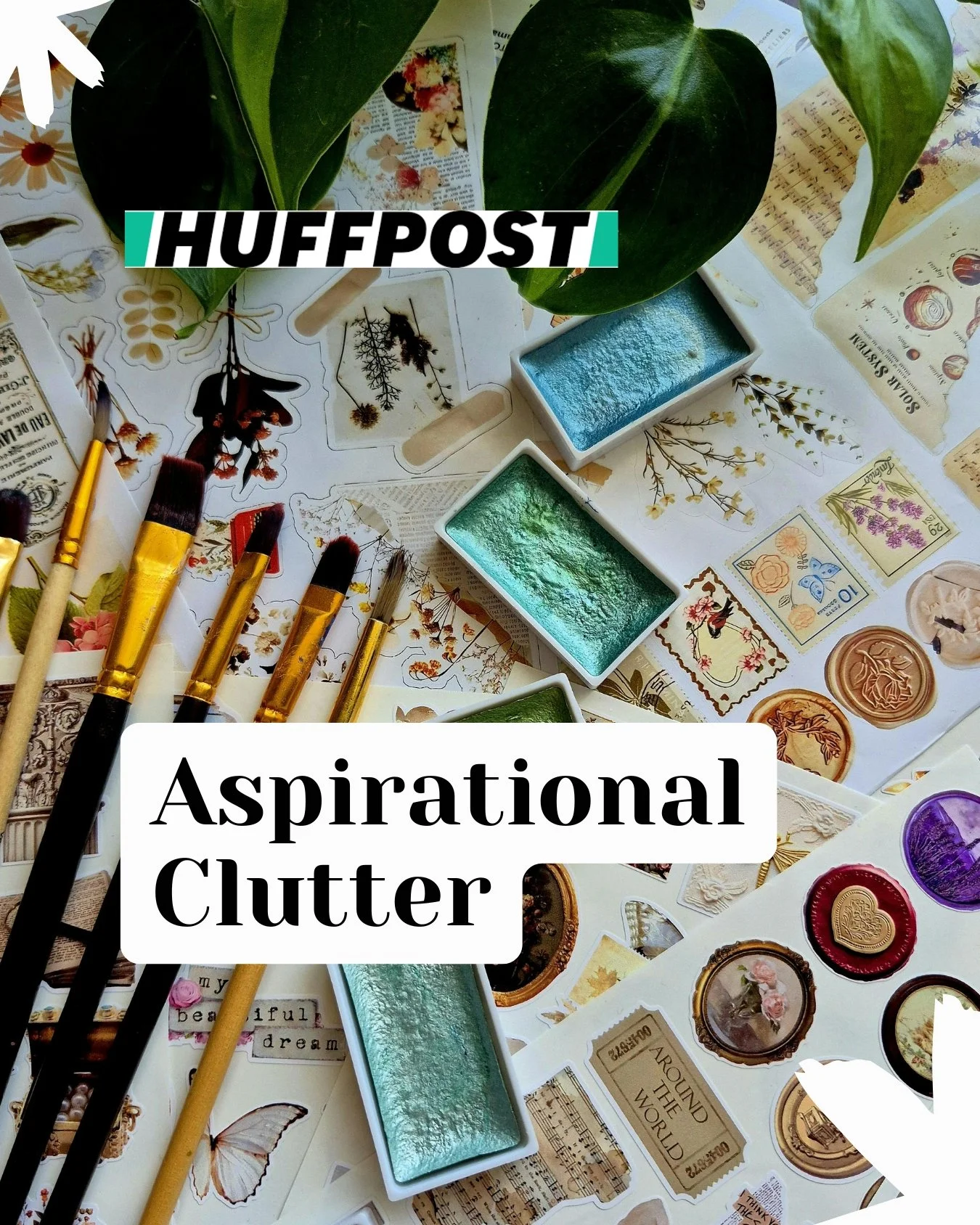
In the HuffPost article, “Do You Have ‘Aspirational Clutter’? Here’s What You Should Know,” professional organizers explain why this type of clutter can be especially challenging to let go of. Why is that? Aspirational clutter includes “objects tied to our hopes and dreams.”

Aspirational clutter can look like gym equipment that’s never used, clothing that might fit someday, an abundance of yarn you’ve stored for years for sweaters and blankets you want to make, or sets of dinnerware and serving pieces for parties you hope to host someday. There isn’t anything inherently problematic about any of these, except that they aren’t based on what your life is actually like. These things take up space and mental and emotional energy, often accompanied by guilt and ‘shoulds.’

Some other thoughts include:

  •  Seana Turner said, “Aspirational clutter refers to possessions we hold onto for our ‘future self,’ or an idealized future lifestyle.” 

  • Regina Lark said, “Letting it go can feel like giving up on a dream version of yourself, or that you’ve failed yourself in some way.”

All is not lost. The article offers excellent suggestions for managing aspirational clutter, such as

  • Give yourself permission to let go.

  • Recognize that priorities shift.

  • Determine how your space could be better used if you let go of aspirational clutter.

  • Focus on the benefits of letting go.

  • Acknowledge who you are now.


It was enough. I had enough. I was enough.
— Cait Flanders


4. Interesting Product – Organizing Clutter

The truth is, I don’t recommend organizing your clutter. Start by editing and decluttering. Why do that first? You’ll be left with only the things that remain, which are meaningful and useful. Second, the less you have, the easier it will be to organize and maintain.

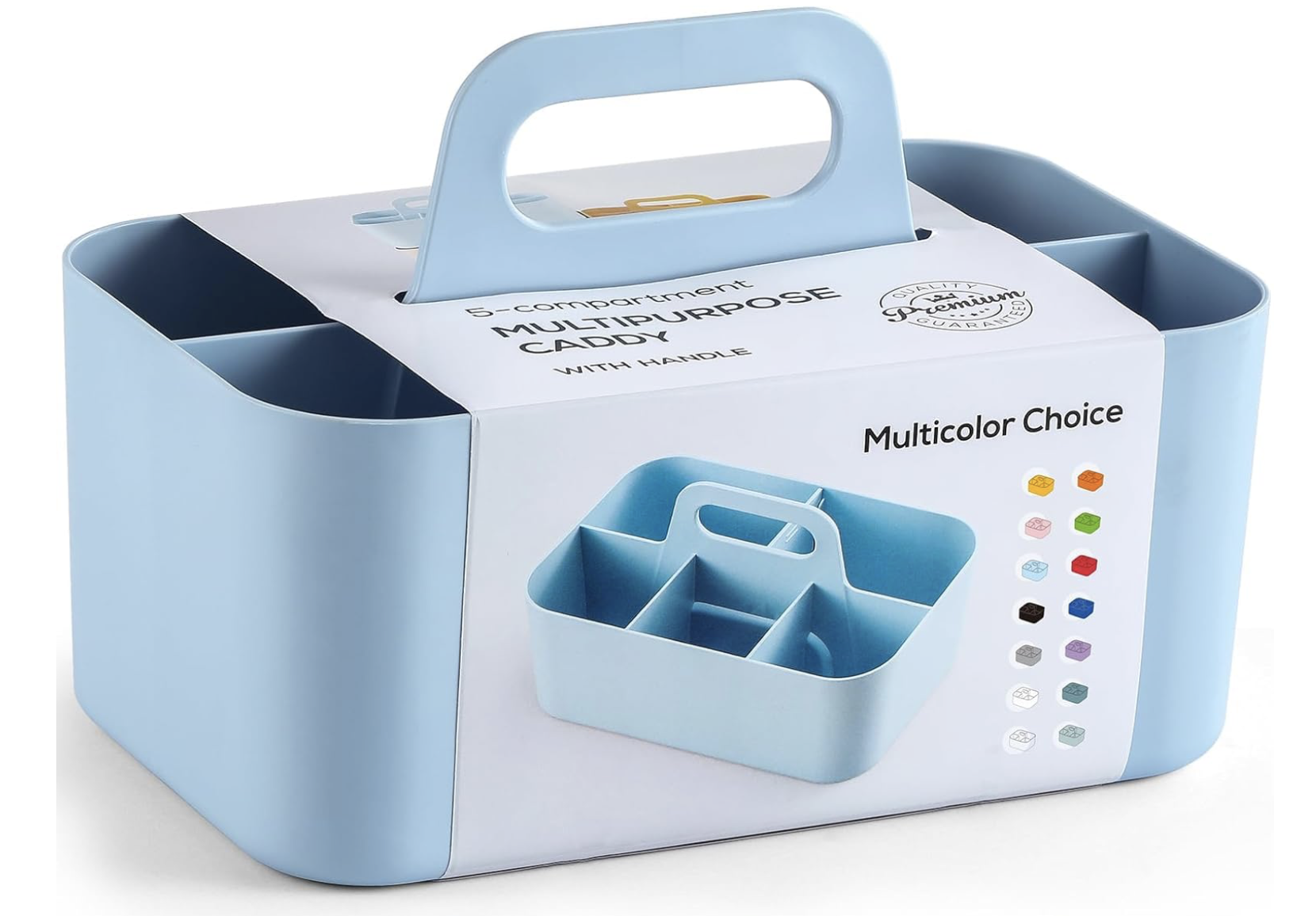
When it’s time to organize the ‘keepers,’ Aozita’s multi-use caddy organizer is a great choice. Use it to organize art materials, desk supplies, bathroom products, kitchen utensils, or school supplies. It’s portable, available in many colors, adjustable, and inexpensive.


5. Interesting Thought – Life Clutter

What comes to mind when you think of clutter? In the 30-plus years I’ve been helping people declutter and get organized, I’ve heard clutter described as overwhelming, heavy, chaotic, burdensome, bothersome, impossible, frustrating, constant, distracting, stressful, paralyzing, and noisy. Do any of those resonate with you?

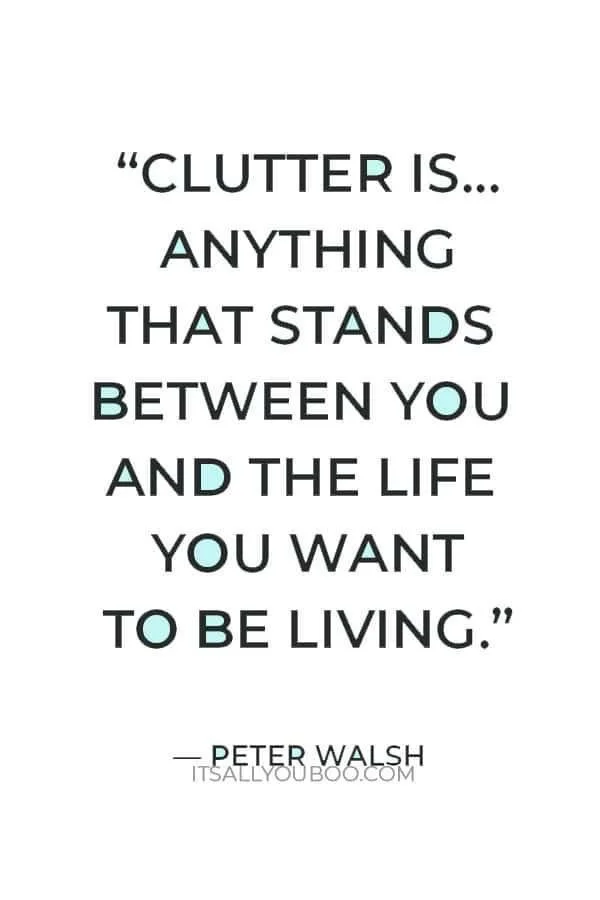
Many emotions are intertwined with your experience of clutter. As Peter Walsh says, “Clutter is…anything that stands between you and the life you want to be living.”

What would life be like if you unburdened yourself of the things weighing you down?


Which Clutter Ideas Work Best?

When clutter feels overwhelming and paralyzing, what will help? As I shared, there are many types of clutter and strategies to help you move forward.

Which of these discoveries resonates most with you? Do you have any decluttering resources or ideas to share? I’d love to hear your thoughts and invite you to join the conversation.


How Can I Help?

Do you feel overwhelmed, stuck, or disorganized? Is clutter preventing you from living the life you want? I’m here to help. Virtual organizing is an extraordinary path forward – Local feel with a global reach.

Let’s talk. I’m easy to reach.

Decluttering and getting organized are possible, especially with support.
 
 
Here Are 5 Most Interesting and Best Happy Human Discoveries – v52

Enjoy the latest release (v52) of the “What’s Interesting?” series, which features my most recent finds that inform, inspire, and connect to organizing and life balance. These unique, wonderfully human discoveries reflect this month’s blog theme.

You are an engaged, vibrant, and generous group. I am deeply grateful for your ongoing presence, positive energy, and contributions to this community. I look forward to your participation and further contributions to the collection I’ve sourced.

What do you find interesting?


What’s Interesting? – 5 Best Happy Human Discoveries

1. Interesting Workshop – Human Organizing

Are you feeling burdened and overwhelmed by clutter or disorganization? If you answered, “yes,” you’re not alone.

Research shows that cluttered spaces often contribute to stress, fatigue, anxiety, and even depression. But there’s good news—help is here!

If you’re ready to explore a kind, compassionate, and more human approach to decluttering and organizing, you’ll love this! Join me, Linda Samuels, Professional Organizer, for an engaging and transformative workshop7 Easy Ways to Practice Mindful Organizing.

One workshop with your choice of two dates:

  • December 2nd at 7:00-8:00pm Eastern or

  • December 4th at Noon-1:00pm Eastern

By the end of the one-hour Zoom workshop, you’ll have strategies for immediate change. You will:

  • Gain valuable insights about gentle organizing.

  • Learn seven mindful organizing practices.

  • Receive personalized support.

This is a great opportunity to prepare for the new year. When you bring more mindfulness and purpose to organizing, you can create calm, clarity, and breathing room. Reserve your spot today!


2. Interesting Resource – Human Helping

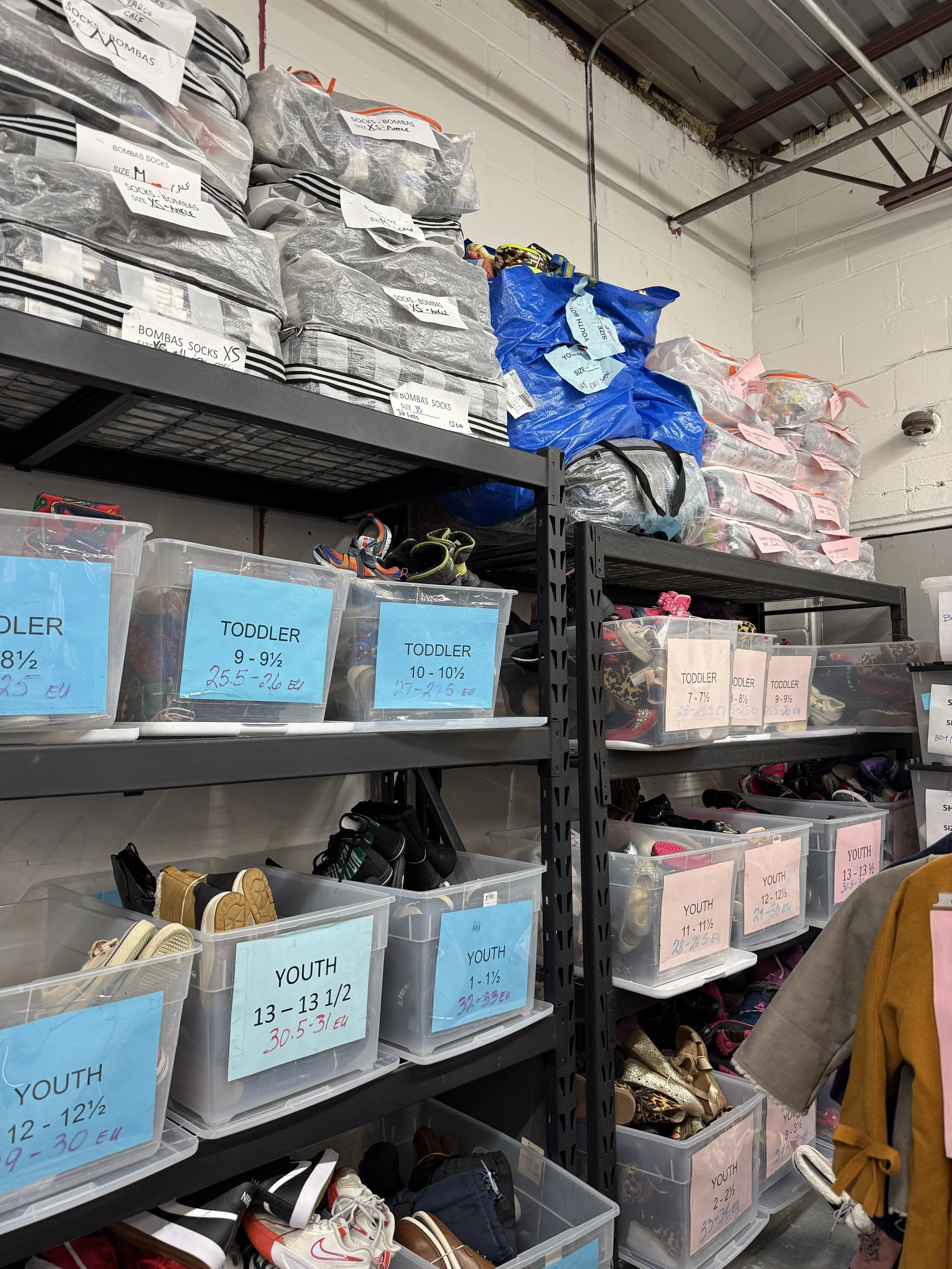
Last month, I went on a field trip with some of my Westchester NAPO Neighborhood group organizing colleagues to The Sharing Shelf in Port Chester, NY.

This remarkable nonprofit provides clothing, school supplies, and other essential necessities, including new socks, shoes, underwear, and hygiene products, to children and teens in Westchester County.

They offer a Wardrobe Pack, which includes a week’s worth of seasonally appropriate clothing tailored to a child’s needs. They also have a Teen Boutique, a free store where teens can “shop and select their own clothing with privacy and respect.”

The Sharing Shelf reports that children facing clothing insecurity “often miss school.” The research shows that “Nearly 14% of Westchester children are chronically absent from school, and clothing is one critical cause.”

Donations of new or gently used clothing in all sizes, from newborn to adult XXL, are accepted. Items should be clean and in good condition. Pieces that are stained or damaged will be sent to textile recycling. The Sharing Shelf has a Target registry and an Amazon wishlist, so you can order items they need.

When you bring more mindfulness and purpose to organizing, you can create calm, clarity, and breathing room.
— Linda Samuels, CPO-CD®, CVOP™


3. Interesting Read – Human Doing

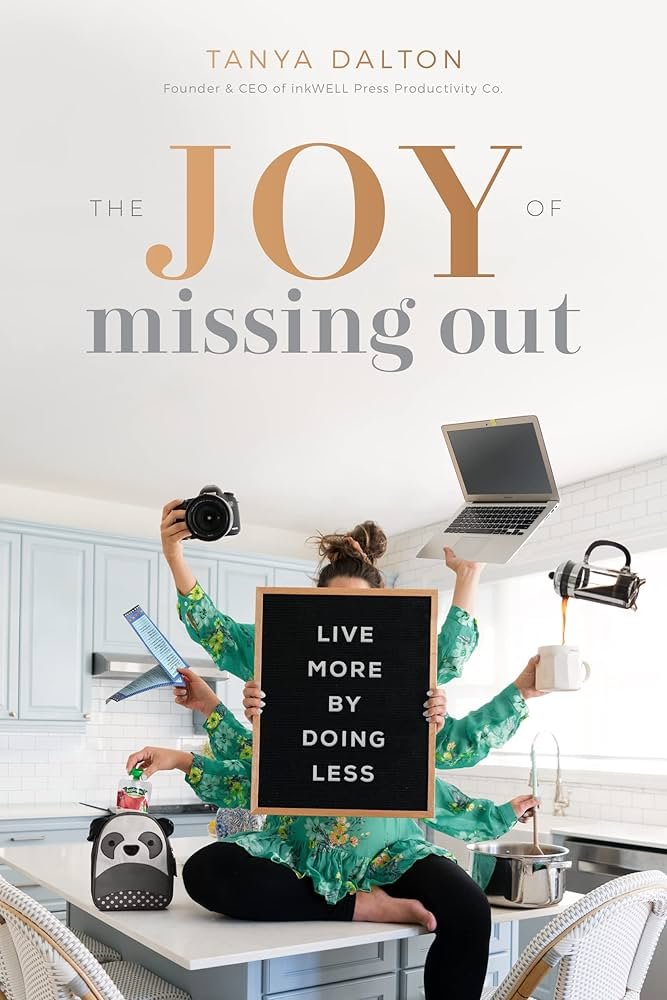
You’ve probably heard of FOMO, the fear of missing out. Have you heard of the opposite, JOMO, which is the joy of missing out?

In The Joy of Missing Out – Living More by Doing Less, Tanya Dalton, a productivity expert, author, and speaker, discusses the overwhelm many women experience due to:

  • Striving to do too much

  • Inability to say no

  • Being unclear about priorities

  • Not knowing where to start

Tanya encourages a mindset shift, saying, “We have to begin finding the joy of missing out on that extra noise in our lives and instead find happiness in a life centered around what’s truly important to us.” She encourages us to “stop the glorification of busy” and to stop worrying that we’re not enough or are not doing enough.

In this four-step liveWELL Method, which Tanya developed for herself, she now uses it to help others create a blueprint for reclaiming their time and living the life they desire. The steps are:

  • Discovery – Identify your unique purpose, life priorities, and North Star.

  • Clarity – Align your projects and tasks with your goals and priorities.

  • Simplicity – Design systems that make your life easier, enabling you to manage it with less effort.

  • Harmony – Build upon the first three steps to create harmony and the life you love.

Tanya says, “We need to discover the priorities that are unique to us, but first we have to take hold of the truth: we must be willing to not have it all.”

We have to begin finding the joy of missing out on that extra noise in our lives and instead find happiness in a life centered around what’s truly important to us.
— Tanya Dalton

4. Interesting Product – Human Curating

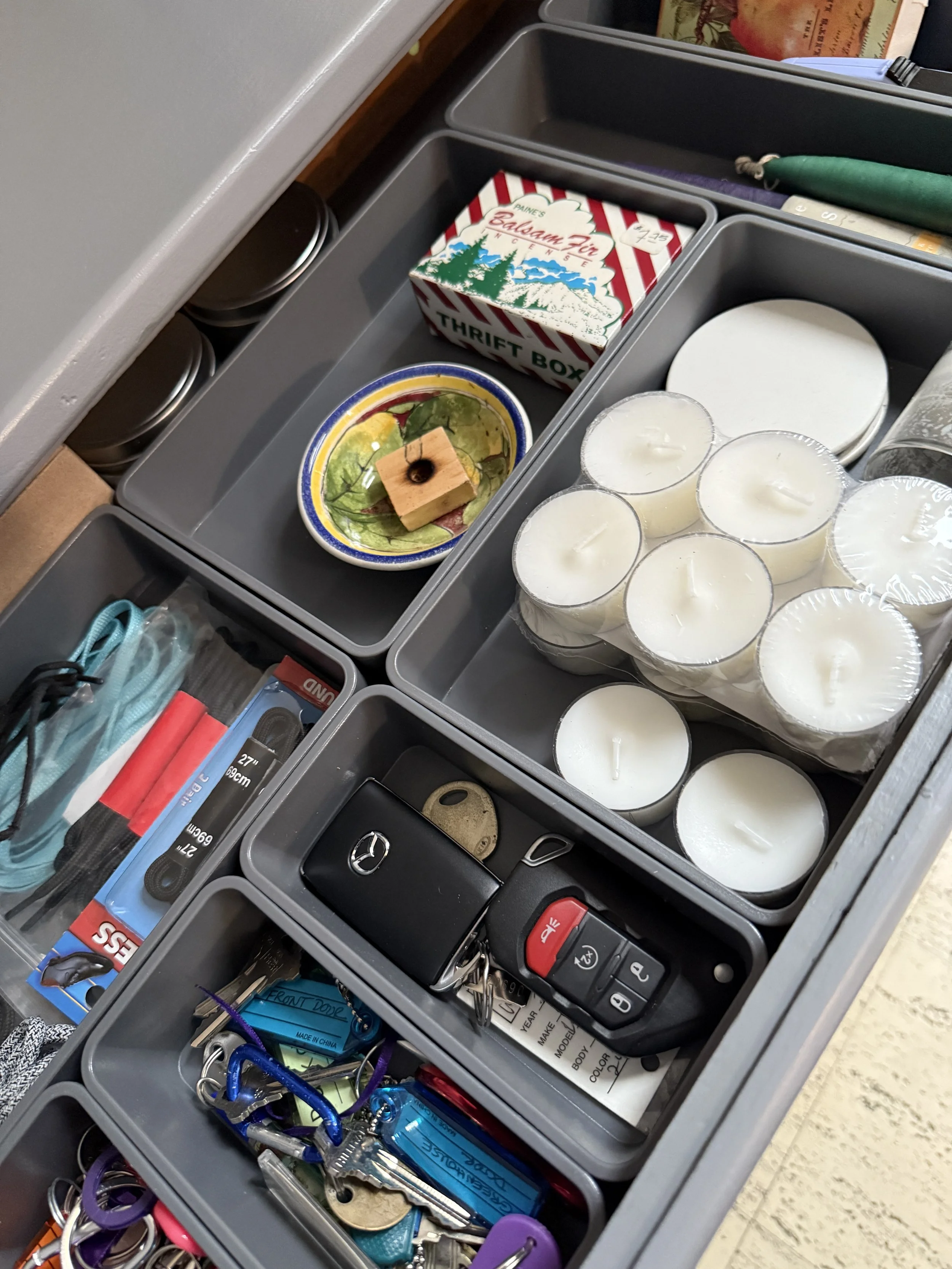
One of my favorite things to organize is cabinet drawers. The more chaotic, the better. A disorganized drawer presents an opportunity to edit, organize, and create order. Why does it matter?

Imagine the feeling of opening a drawer and finding exactly what you need right when you need it. No more searching or stress. It’s a good feeling, and a time-saver, too.

Recently, my husband asked me for drawer organizers and a design for his desk drawer. I recommended these lovely gray open bins, Terra Recycled Drawer Organizers from The Container Store. They also come in white and a variety of sizes. I liked them so much that I purchased more to organize a drawer in our shoe cabinet.


5. Interesting Thought – Human Experiencing

Let’s face it. Life can be stressful and chaotic. You make plans, and things change. You start a project, and something goes wrong. Your schedule is packed with little or no downtime.

However, even knowing this, you can experience joy in everyday moments. Let yourself be open to those tiny, ordinary moments. They can replenish your reserves, reinforce your gratitude wells, and help you feel more alive in a uniquely human way.

What can these joy-infused moments feel or look like? There are a few I recently experienced:

  • Hearing a client acknowledge and feel positive about their progress.

  • Seeing the afternoon sun backlight the red and orange leaves as the gentle breeze moves them softly against the blue sky.

  • Holding hands with my husband.

  • Experiencing progress, completing projects, or making purposeful choices in the service of growth and change.

  • Taking the first flavorful bite of a new vegetarian chili recipe I just made, and it was delicious.

  • Feeling warm water pouring over me as I shower.

  • Seeing the autumn light fill the sky with a soft pink and orange glow.

  • Hearing the voices of my loved ones, seeing their faces, or hugging them.

  • Getting into bed at the end of a long day and feeling the comforting weight and softness of the bedding.


Human Organizing Experience

In a world flooded with AI, it’s important to keep the human connection strong and vibrant. I highlighted several ways to tap into your uniquely human qualities to improve organization, balance, gratitude, and generosity.

Which of these discoveries resonates most with you? Do you have any you’d like to add? I’d love to hear your thoughts and invite you to join the conversation.


How Can I Help?

Do you feel overwhelmed, stuck, or disorganized? I’m here to help. Virtual organizing is an extraordinary path forward – Local feel with a global reach.

Let’s talk. I’m easy to reach.

Getting organized is possible, especially with real human support.


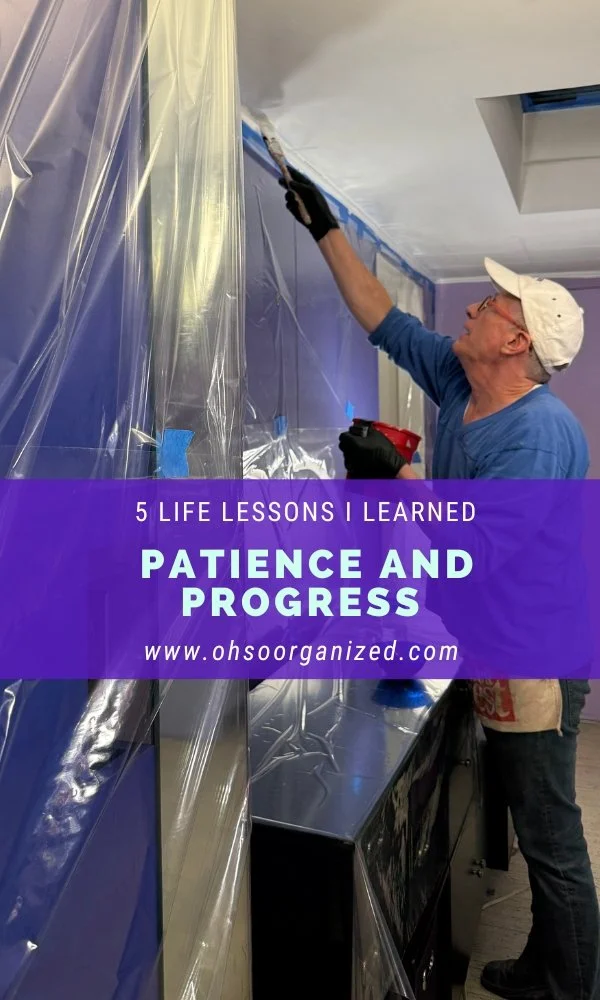
5 Life Lessons I Learned About Patience and Promising Progress

Recently, I reread the first blog post I wrote on waiting. As humans, waiting is something we do, yet we’re not always happy about it. We want things to happen quickly, effortlessly, and painlessly. However, things don’t often go that way. Our patience gets tested as waiting can be a challenging experience.

Maybe you’re working toward a big goal that might take months, years, or even decades. Perhaps your energy is low, and progress looks different from what it did earlier in your life. You might also lack clarity about your goal or what your next step will be.

Developing your internal resources, including patience, resilience, and agency, can be beneficial. You can also enlist help from external resources, such as haulers, handymen, trade specialists, a coach, a therapist, or a professional organizer like myself.

Progress is possible. Reaching your goals is doable. Gathering the resources to get there is essential.

Over the past few months, my husband and I have been working on some home projects. They have taken different amounts of time to complete, and some are still ongoing. The biggest obstacles were setting priorities and managing time constraints. To finish these projects, we had to decide that they were still important enough to pursue. Once we agreed on that, we scheduled the time to complete them. The scheduling was pivotal. Without planning and scheduling, nothing would have happened.

During the process, I reaffirmed and learned a few things. Hopefully, some of these will resonate with you and be useful as you pursue your goals and projects.


5 Life Lessons I Learned About Patience and Promising Progress

Life Lesson #1:  I can tolerate discomfort.

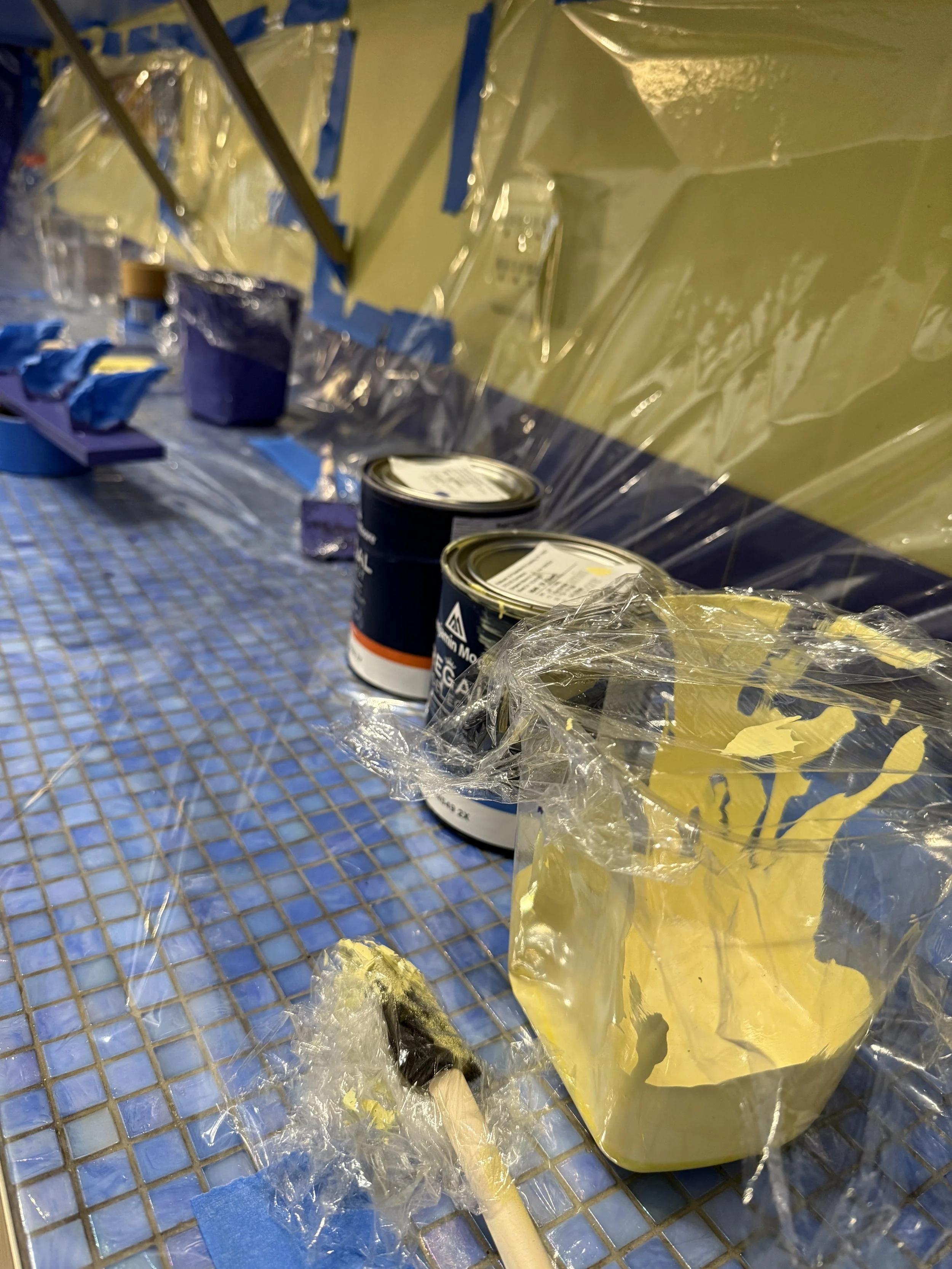
I love the final result when we improve our home. It’s hard for me to tolerate the temporary chaos that happens. Stuff gets pulled out of place, messes spread to multiple areas, and order and organization are disrupted.

I often tell my clients that things usually get worse before they get better. When you’re organizing a closet, for example, and things are pulled out, it doesn’t look great. But as you start editing, rerouting, discarding, and donating, clarity begins to emerge. Once you organize the “keepers,” everything looks and feels better. However, there's a tipping point in the middle of the project where discomfort can surface.

Even though I’m happy when we’re fixing things, I tend to feel more anxious and stressed when we’re in reno mode. That discomfort motivates me to finish what we started as soon as possible. Interestingly, I can easily handle disorder in spaces I don’t live in. But in my own home, I prefer a certain level of order, calmness, and predictability.

Although I prefer not to be uncomfortable, I am capable of tolerating discomfort. This is especially true when it’s temporary or for a good reason. Acknowledging this made me feel less stressed and more accepting of the chaos.


Life Lesson #2: I can transform temporary chaos into an opportunity to reimagine.

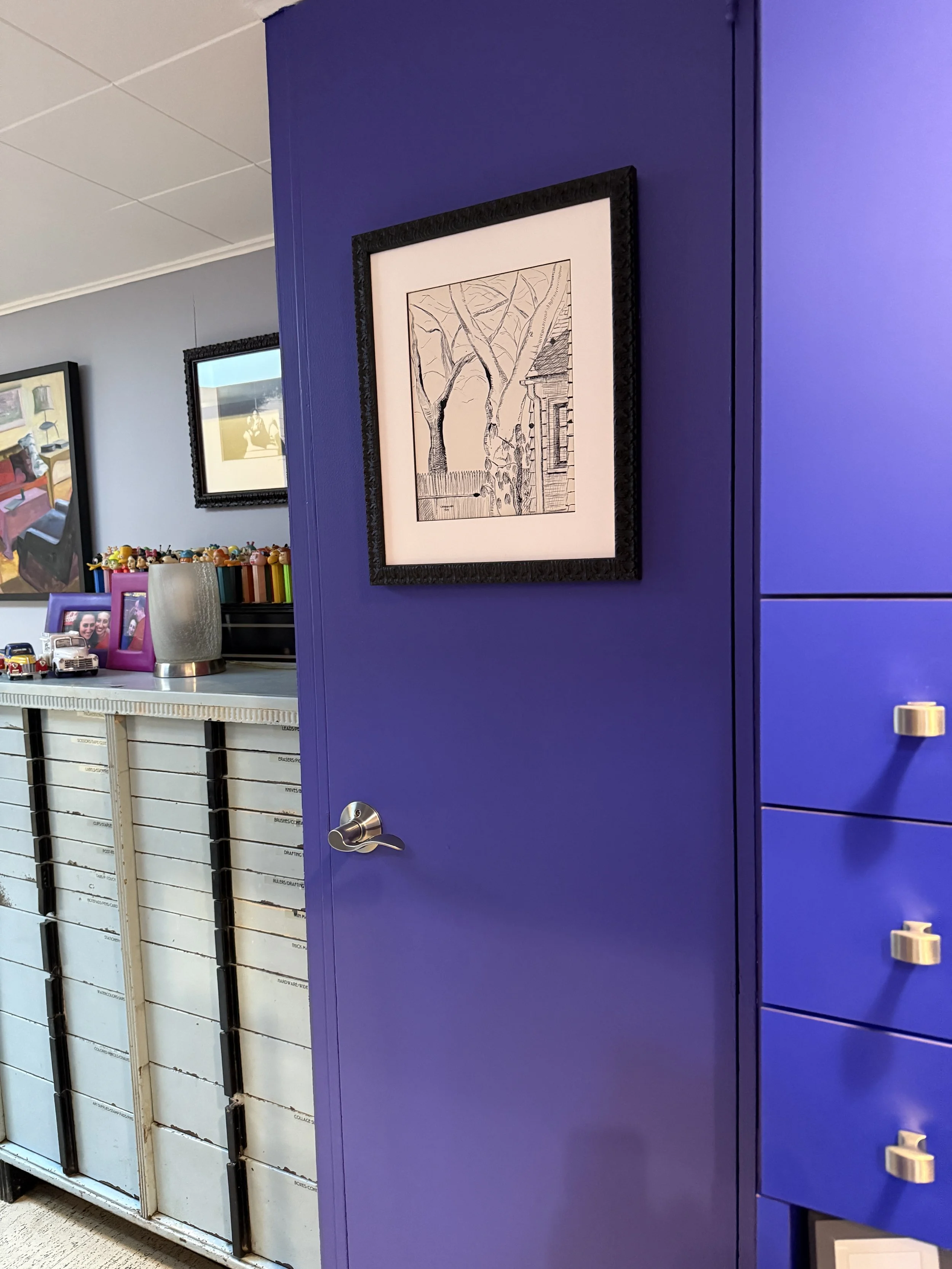
One of the benefits of taking things apart is having time to edit, question, and reimagine. We recently disrupted our entryway to spackle, paint, and do some electrical work. Doing that allowed me to let go of some things and reimagine the placement of certain items, like my Pez collection and one of the rugs.

I also felt inspired to repaint three of the cabinets. One is a big project, which I’ll wait to do in warmer weather. The other two cabinets will be done soon. Without being open to chaos and committing to the entryway project, these other projects might not move forward.

Chaos doesn’t have to be negative. It can be an opportunity to bring positive changes. The temporary chaos stirred my creativity and desire to make more improvements.


Life Lesson #3: I can finish what I start when I prioritize and plan.

This might seem obvious, but when you want to accomplish something, whether it’s organizing, home improvement, or changing a habit, dedicating time and energy to it is essential.

Deciding that something is a priority is the first step. This may involve temporarily setting other things aside while you focus your resources on the main goal. After all, you can accomplish a lot, but not all at once. Something has to give.

Once you've identified your priority, the next step is to schedule and plan dedicated time to work on it. For us, that meant working several evenings and weekends. Again, without blocking out specific calendar dates, it would not have been completed.

I can wish all I want, but without making it a priority and including it in a scheduled plan, it’s unlikely to happen. There is great potential and power in recognizing what I’m capable of when I prioritize and plan.

I can tolerate discomfort.
— Linda Samuels, CPO-CD®, CVOP™

Life Lesson #4: I can feel the joy and satisfaction that come with progress.

Done is great, but so is progress. No goal happens with one step. Progress happens one step, one action, and one commitment at a time. When working on the renovation projects, Steve and I took a moment to appreciate the progress along the way.

Momentum is a powerful force. Taking action motivates you to do more. Experiencing progress encourages further movement. Progress is satisfying and joy-inducing.

Steve and I made sure to see, feel, talk about, and celebrate the progress we've made. It was no small feat to get some of these projects started. We embraced the positive feelings that came with making progress.

Do you know the expression, “Stop and smell the roses?” For this one, let’s pause and celebrate the progress. You took action and worked hard. Now, enjoy it!


Life Lesson #5: I can be awed by my bad-ass husband.

After 42 years of marriage, I am still amazed by my husband. He is a talented man who, among his many skills, knows how to cook, play the drums, coordinate large-scale architectural woodworking projects, and handle almost any type of home improvement or repair project. He’s also a devoted volunteer, a great listener, a wonderful father, and an incredible husband and life partner.

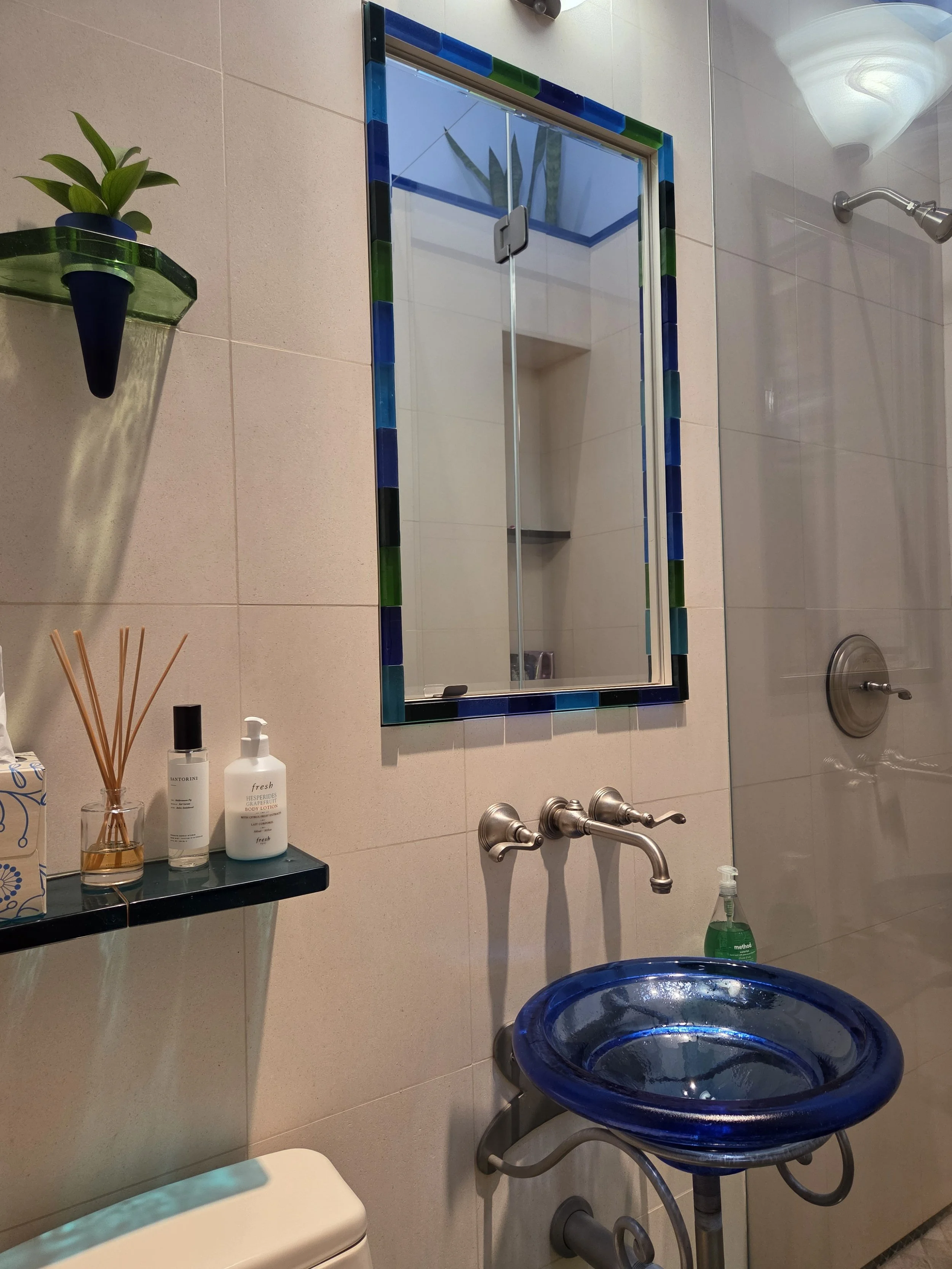
Whether he was finishing the glass tiles in the bathroom, doing electrical work, plumbing, cutting through walls, spackling the ceiling, or painting surfaces, he not only knew what to do but also had the right tools to do it. He also taught me how to do some things, so we could work together on projects. I love that!

I am constantly inspired by Steve’s work ethic, humanity, skills, design sense, dedication, and talent. He was willing to let go of perfection to do his best and finish projects. I’m grateful for and in awe of the incredible human he is. Thank you, Honey!


How Do Patience and Progress Manifest for You?

Patience, or the lack of it, is part of being human. In fact, impatience can sometimes drive progress. When you feel stuck, progress may seem out of reach. However, leaning into that urge to move forward and pushing your patience to its limit can be one way to make progress. Prioritizing and planning are also helpful. What helps you move ahead?

Which ideas resonate most with you? I’d love to hear your thoughts. I invite you to join the conversation.


How Can I Help?

Are you ready to make progress? Do you feel overwhelmed, stuck, or disorganized? I’m here to help! Virtual organizing is an extraordinary path forward – Local feel with a global reach.

Let’s talk. I’m easy to reach.

Getting organized and making progress is possible, especially with support.