

Posts tagged to-do lists
3 Useful Ways for Better and More Compassionate Time Management

You and I share at least two things in common. We both have 24 hours in a day, and our days are finite. Yet how we experience and use our time varies widely.

Perhaps you are time-aware. You know how much time you have and spend it intentionally. Or maybe you have difficulty keeping track of time, feel time-poor, are easily distracted, and never have enough hours to get things done.

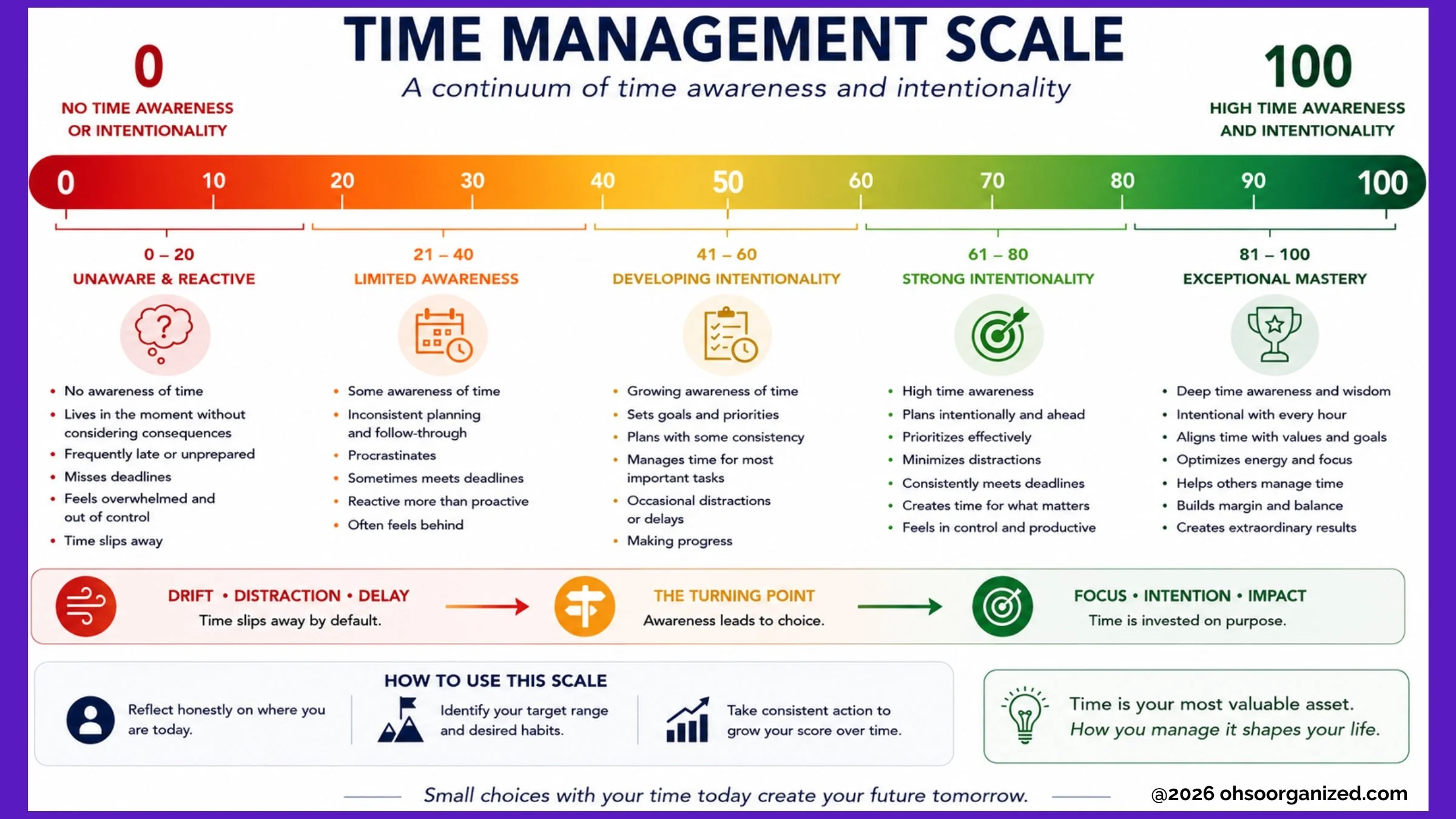
If you think of your relationship to time on a scale from zero to one hundred, with one end representing a total lack of time awareness and intentionality and the other representing high time awareness and intentionality, where would you place yourself? Whether your number is zero or one hundred, several concepts can improve your relationship with time and help you approach it more compassionately.


Time Management Scale

Before I share the strategies, review the Time Management Scale to get a sense of where you are right now. This isn’t an exact science, but the scale will help you identify your strengths and challenges. Understanding your relationship with time, combined with the concepts I’m about to share, can be a game-changer for you.

How to Use the Scale

  • Reflect honestly on where you are today

  • Identify your target range and desired habits

  • Take consistent action to improve your score over time

Remember that small choices about how you spend your time today shape your future.


3 Ideas to Encourage More Compassionate and Aligned Time Management

There are three ways to align your time in a more compassionate and powerful way. As I mentioned earlier, the time available each day is fixed. Your life and the time you have left are finite. None of us knows how many days remain. How you use this precious resource shapes your life.

1. Energy

Have you noticed how your energy ebbs and flows throughout the day? For example, I have more energy and mental clarity earlier in the day, and my energy lessens as the day goes on. Matching high-brain-demand tasks, such as planning or writing, with the time of day I’m ‘fully charged’ works better for me. Lower-brain-demand tasks, like resetting spaces or grocery shopping, can be done when my energy is less.

As you plan your available time and how you will spend it, factor in your energy. A while ago, Executive Coach Marcy Stoudt introduced me to the reframing of time management as energy management.

It’s helpful to consider how you’re planning and using your time. One thing I’ve learned is how much longer tasks take when my energy isn’t aligned. For example, when I’m tired and my energy is low, it takes me two to three times as long to do certain tasks as when I’m well-rested and in my high-energy, brain-power part of the day.

Aligning your energy management with how you use your time is a compassionate practice.

Small choices about how you spend your time today shape your future.
— Linda Samuels, CPO-CD®, CVOP™

2. Priorities

Have you noticed that some priorities, especially those tied to values, are fixed while others are flexible? For example, family might always be a top priority, so you’ll drop everything if someone in your family needs you. Or, when planning, family considerations drive your choices.

Flexible priorities are tasks, goals, and commitments that matter but don’t require immediate action or have a set deadline.

Flexible priorities could include:

  • Projects with open deadlines

  • Buy groceries sometime this week

  • Meet a friend for coffee in the next few months

  • Edit belongings to downsize

  • Plant flowers in the garden

  • Clean out the garage this season

  • Improve sleep habits

  • Try a meditation app

When considering your available time, aligning your priorities with your values and clarifying which tasks are fixed or flexible can lead to a more compassionate way forward.


3. Reality

Ah, yes! The old reality check. Here’s where time management can go sideways. Many people I know, including clients, struggle to align their available time with how long tasks take. This is where optimism needs to be balanced with a realistic understanding of time.

Has this happened to you? I see it most often on ambitious to-do lists. For example, you sit down to write your daily list. You have twenty or thirty items and expect to do them all today because they’re all “equally important.” Yet as the day goes on, you’ve only gotten to a few items. It’s clear you won’t finish everything. The day isn’t over, and you’re starting to feel stressed and defeated. Believe me, I get it. Reality and intention are two very different things.

  • Reality Check 1: Not everything is equally important.

  • Reality Check 2: Your list is too ambitious to complete in one day.

  • Reality Check 3: Optimism is great, but balance it with a realistic understanding of your available time and how long tasks take.

  • Reality Check 4: Reduce the size of your list. Curate a daily list of 1-5 items. Get those done, then review the time you have left before adding more to your day.

When you stop planning for an ideal day and start planning for the day you actually have, you gain a greater sense of control, accomplishment, and ease.


Are You Ready to Bring a More Compassionate Approach to Time Management?

The number is 24, as in the hours in a day. The number of days you have left is unknown. You have choices about how to spend your time. Use understanding and compassion as you plan and decide.

What will that look like for you? Which time management ideas resonate most with you? I’d love to hear your thoughts. I invite you to join the conversation.


How Can I Help?

Do you feel overwhelmed, disorganized, and time-stressed? Are you struggling to manage all your tasks, goals, and commitments? I’m here to help! You don’t have to do this alone. Virtual organizing is an extraordinary path forward – Local feel with a global reach.

Let’s connect! I’m easy to reach.

Managing your time, getting organized, and living with more ease are possible, especially with support.


 
 
Here Are 5 Most Interesting and Best Fresh Start Discoveries – v53

Enjoy the latest release (v53) of the “What’s Interesting?” series, which features my most recent finds that inspire, spark curiosity, and connect to organizing and life balance. These unique, fresh start discoveries reflect this month’s blog theme.

You are an engaged, vibrant, and generous group. I am deeply grateful for your ongoing presence, positive energy, and contributions to this community.

I look forward to your participation and further contributions to the collection I curated.

What do you find interesting?


What’s Interesting? – 5 Best Fresh Start Discoveries

1. Interesting Read – Fresh Start Goals

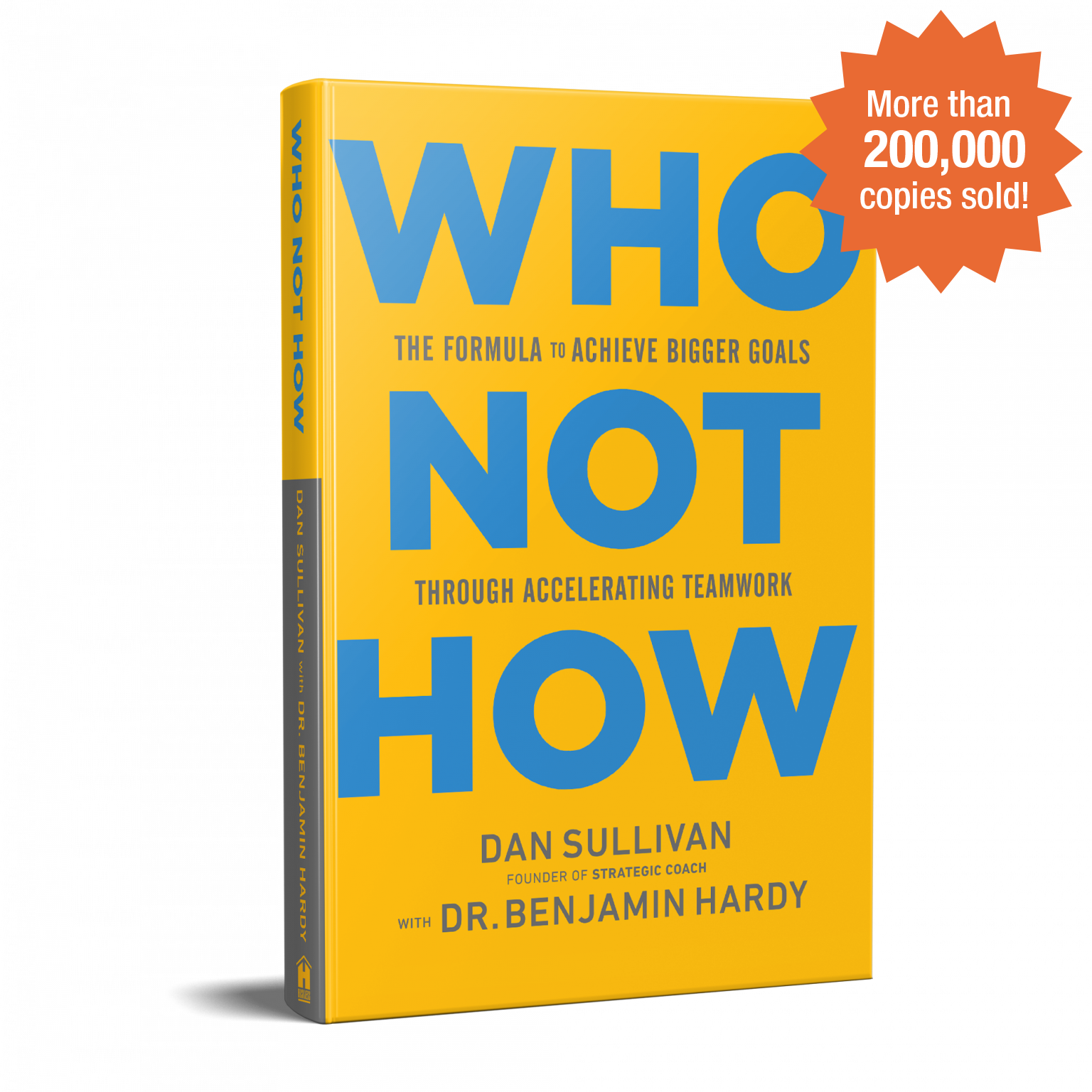
Bigger isn’t always better. Yet if you want to strive for an audacious goal this year, Dan Sullivan, coach and author of Who Not How – The Formula to Achieve Bigger Goals Through Accelerating Teamwork, has a way to get there.

This philosophy hinges on changing the questions you ask. Stop asking, “How can I do this?” Forget working in isolation and doing everything yourself. Instead, Sullivan teaches you to ask, “Who can do this for me?”

He advocates focusing on the “whos in your life that give you the perspectives, resources, and ability to go beyond what you could do alone.” Replace “How can I accomplish this?” with “Who can help me achieve this?”

If you’re feeling frustrated and stuck, it could be the ideal time to build your ‘who’ team.


2. Interesting Experience – Fresh Start ‘Party’

Do you have any “boring tasks” you’re procrastinating on? If so, you are not alone. Thanks to one of my clients, I learned about a Business Insider article that describes a new trend offering a fun solution to this challenge.

Instead of staying stuck and alone while trying to get things done, consider hosting an “admin night” party, as Business Insider editor Tess Martinelli did. She invited her friends over to work on their to-do lists or anything that was causing mind clutter, while also having time to socialize.

She kept things casual and as “low effort” as possible. While there were few rules, Marinelli set several parameters to help make the evening flow better, including:

  • Dress comfortably.

  • Bring your own snacks.
    Provide a beverage (optional).

  • Give some structure, such as working for 30 minutes and socializing or resting for 10 minutes. Repeat that cycle two or three times.

  • After each “round,” talk about what you accomplished.


3. Interesting Article – Fresh Start Decluttering

One of the top ten New Year’s resolutions is to be more organized. An essential part of getting organized is decluttering. This involves letting go of:

  • things that have overstayed their welcome

  • no longer support your current reality, or

  • don’t want or need.

In The Washington Post article “How to reduce visual clutter for a calmer, more functional home,” the case is made for how taxing visual clutter can be on the brain. My clients often describe their clutter (physical or visual) as paralyzing or overwhelming their thoughts and actions.

Corey Pence from The Container Store defines visual clutter as an “overwhelming or excessive amount of visual elements in a space that make it difficult to focus on important information or executing tasks.” Clutter can also make it hard to feel calm and relaxed. Imagine a bedroom with clothing piled everywhere, or a living room with books, toys, and dishes strewn about.

The article suggests many ways to eliminate visual clutter, such as:

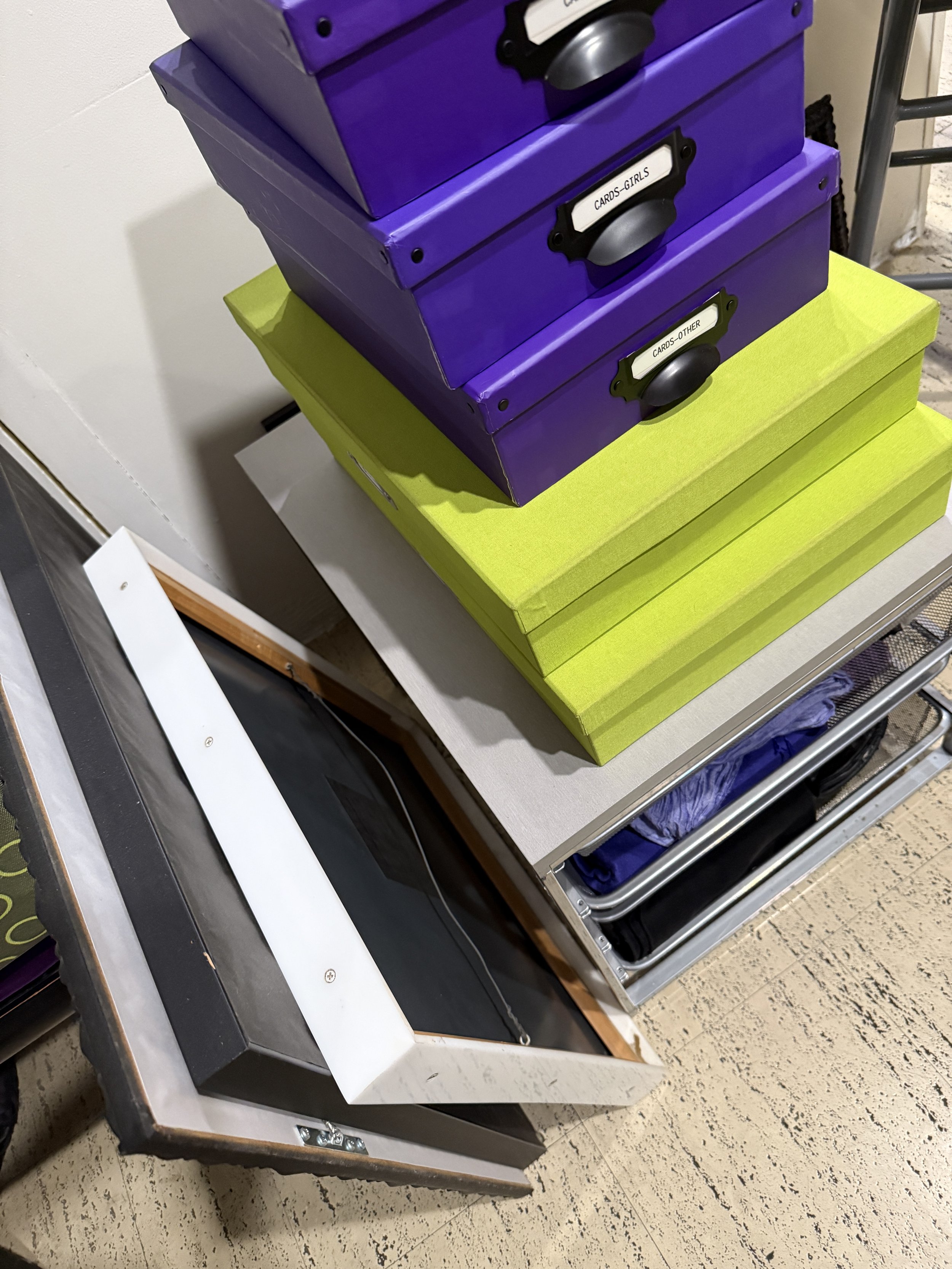
  • choosing furniture that encloses objects, such as a nightstand with a drawer instead of an open shelf

  • editing routinely

  • designating a home for objects

  • using coordinated bins on open shelves

  • carefully curating decorative objects, with an emphasis on having fewer

For a great fresh start, declutter until you find that sweet spot for the level of visual clutter your brain can handle.


4. Interesting Product – Fresh Start Planning

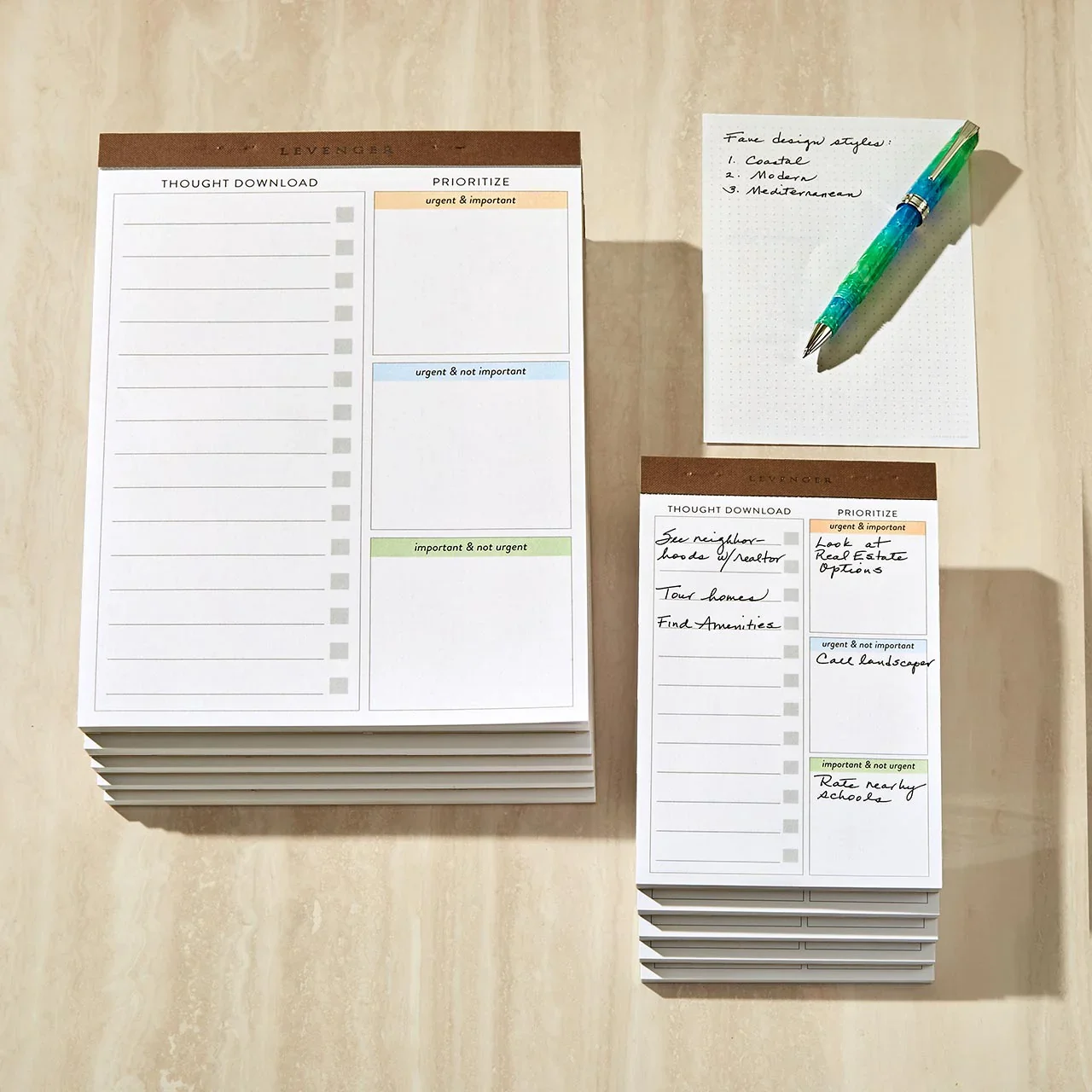
My go-to source for paper pads is Levenger. Their designs are streamlined, and the paper is smooth and easy to write on. If you’re looking for a new way to capture and prioritize your thoughts, check out Levenger’s Think and Plan Priority Manager Pad.

The pad comes in two sizes with two columns and four sections. The left column is great for brainstorming and list-making. It includes:

  • A ruled checklist

The right column is for prioritizing tasks using the Eisenhower method. It has three boxed sections for tasks:

  • Urgent and important

  • Urgent and not important

  • Important and not urgent

Download your brain, sort your to-dos, and give yourself an organized way to focus on your new beginning.


For a great fresh start, declutter until you find that sweet spot for the level of visual clutter your brain can handle.
— Linda Samuels, CPO-CD®, CVOP™


5. Interesting Thought – Fresh Start Magic

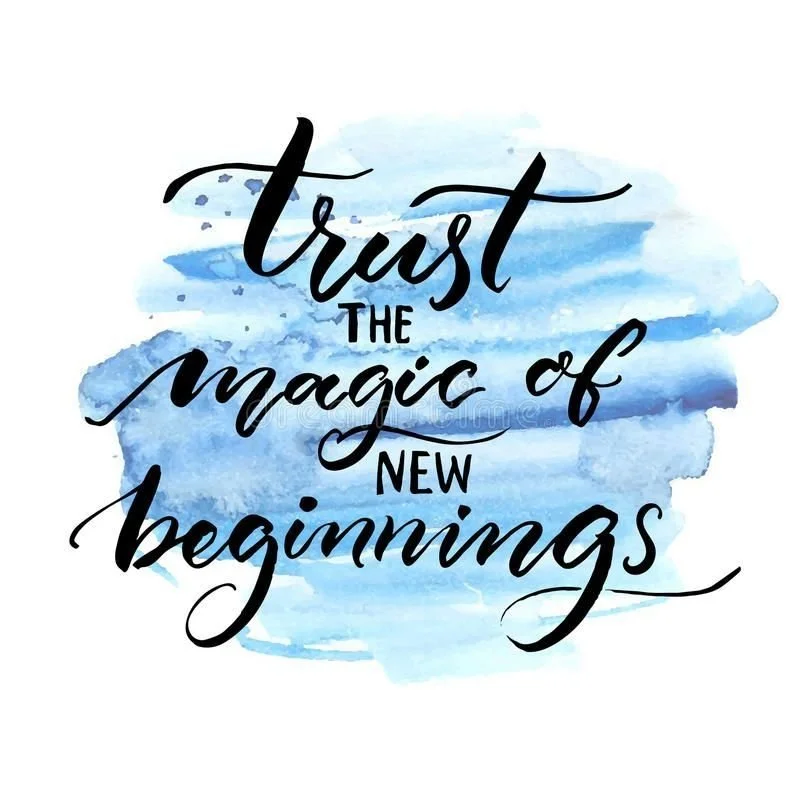
There’s something magical about fresh starts and new beginnings. You might feel hopeful, curious, excited, eager, joyful, empowered, or inspired. However, I’ve heard from many people recently that they’re having a very different experience. With the fresh start of the new year, they’re feeling anxious, apprehensive, pressured, disoriented, overwhelmed, or stuck.

Believe me, I get it. I’ve felt all of these ways at different points. On the one hand, I embrace and love a clean slate. It’s an opportunity for a reset and reimagining. Some years, like this past year, I just wasn’t ready to do ‘new.’ Instead, I was in the thick of finishing projects from the year, which overlapped with the time I typically review and plan.

Wherever you are right now, consider these possibilities:

  • If you’re ready, let the wonder of a new year help you move forward.

  • If you’re not ready, be gentle with yourself and ease the pressure to make big new plans for now.

Stay open to activating a fresh start (and its magical powers) at any time: a new day, month, or season.


The Fresh Start Advantage

There’s still time to make this first month of the new year work for you. Lean into the energy and newness of this season. Use the clean slate to your advantage.

Which of these discoveries resonates most with you? Which would you like to add? I’d love to hear your thoughts and invite you to join the conversation.


How Can I Help?

Do you feel overwhelmed, stuck, or disorganized? I’m here to help. Virtual organizing is an extraordinary path forward – Local feel with a global reach.

Let’s talk. I’m easy to reach.

Getting organized is possible, especially with a fresh start and compassionate support.


How a Helpful Productivity Reframe Makes More Time for Fun

There’s nothing wrong with being productive. However, life can be stressful if your focus rests solely on to-do lists, getting things done, and making every minute count. You might find it surprising to hear this from a professional organizer. But guess what? Everyone needs time to relax, not be scheduled, and have fun.

Some time ago, one of my clients emailed me an article from The New York Times by Melissa Kirsch, titled “Satisfying vs. Productive.” In it, Kirsch made a distinction between the two concepts. She said that “A productive day implies a day in which you got some things done, a certain degree of industry. Whereas a satisfying day might be one in which you didn’t necessarily do very much at all, but the contents of the day seem totally appropriate given any number of factors…”

Kirsch presented the idea that instead of criticizing yourself for what didn’t get done, you should make time upfront to be more intentional. She suggested setting your day up for success by asking, “What would constitute a satisfying day today?” Think about how you want to feel by the end of the day. What needs to happen (to do or not do) to get there?


The “Satisfying” Perspective

As someone who enjoys being productive, I also value a day that isn’t solely focused on crossing items off my list. Using the “satisfying” lens to reframe the intent of certain days boosts my joy factor and removes the guilt and pressure to produce.

By letting go of my to-dos, I can fully embrace how a day unfolds. The day’s intent might be to have fun or relax. It could involve exploring or wandering. But what the day isn’t is being list or task-driven.


A Perspective Experiment

Recently, I had a chance to experiment with this idea. We took a few days off and put work on hold. During our trip, we did some planned and unplanned things.

One of the impromptu activities was visiting Knoebels, an amusement park. It was so much fun exploring a new place, going on rides, and indulging in good eats. Have you ever had a Belgian waffle ice cream sandwich filled with chocolate peanut butter ice cream? It was delicious!

I digress. My husband loves riding roller coasters, while I prefer the less thrilling rides. I happily waited while he enjoyed the scary attractions. Then he joined me on the gentler ones, like the Ferris wheel and carousel. I love the movement of the carousel—going up, down, round and round with no destination in sight. No worries, just pure delight.

Aside from unpacking, no productivity tasks or thoughts were on my mind when we returned home. Without a doubt, the day and our trip had been soul-nurturing, satisfying, and fun.

I was happy about my response to Kirsch’s question, “What would constitute a satisfying day today?” For me, it had been setting aside the list, doing something spontaneous, and having fun!

What would constitute a satisfying day today?
— Melissa Kirsch

What Does Your Day Look?

Productivity isn’t a dirty word. However, when you start to view productivity as satisfying, it can have a positive effect on your experience. What does a productive day look like for you? Is it the same as or different from a satisfying one?  

I’d love to hear your thoughts. I invite you to join the conversation.


How Can I Help?

Do you need support with organizing, editing, or managing your time? I’d love to help! Virtual organizing is an extraordinary path forward – Local feel with a global reach.

Making your days intentional and satisfying is possible, especially with support.

 
 
How to Easily Reduce Holiday Stress by Enjoying Scruffy Hospitality

Do you feel more stressed during the holiday season? What is the source? Holiday-related stress might revolve around travel planning, gift-giving, card-writing, decorating, over-committing, or entertaining.

As someone who enjoys and has hosted many gatherings, I continually work on reducing stress. Experience helps. The more I do something, the easier and less stressful it becomes, and the better I am at planning and navigating surprises. However, a more significant aspect is mindset. If I keep telling myself how stressed I am, what happens? I reinforce that feeling.


What is Scruffy Hospitality?

Recently, I heard about “scruffy hospitality,” which is a more relaxed approach to entertaining. It’s a practice and also a mindset. The idea is to prioritize connection and conversation over obsession with creating picture-perfect environments and Instagram-worthy meals. The concept includes having people over without cleaning up first and approaching food more simply. Instead of making elaborate dishes, ‘scruffy’ entertaining loves potlucks, leftovers, and takeout.

While “scruffy hospitality” was coined a decade ago by Jack King, an Anglican priest from Tennessee, it has received more attention in the last few years. It rejects unrealistic social media standards that create pressure on us to be “perfect hosts.” Scruffy hospitality is a nod to embracing imperfection and authenticity. These involve letting go.

For this holiday season, especially if you’re stressed, I encourage you to incorporate some ‘scruffy’ into your life. It will look different for each person. Consider how beneficial scruffy hospitality could be for reducing your stress.

As a seasoned host, ‘scruffy’ isn’t a term I naturally associate with entertaining. I like to clean and prepare. Don’t get me started on my to-do lists. I enjoy the visual aspect of decorating the tables, arranging flowers, and creating colorfully plated dishes. Those aspects aren’t stressful for me. However, those and other aspects of entertaining might be stressful for you. And if it is, some of the suggestions below can help.


11 Ways to Reduce Holiday Stress by Embracing Scruffy Hospitality

  • Reframe Clean – Do a quick clean instead of a deep one. Or hire someone else to clean.

  • Organize LessDeclutter the dining room only, leaving all other areas in their ‘as is’ state.

  • Recruit Help – Ask guests to bring parts of the meal.

  • Minimize Decor – There is no need to go wild. A single plant, a small vase of flowers, a bowl of fruit, or an arrangement of gourds is a minimalist way to decorate a table. You can also leave things bare.

  • Be Present – Cook with your guests instead of preparing things in advance.

  • Try Self-Serve – Set up your food buffet-style rather than as a plated, sit-down meal.

  • Don’t Cook – Forget about cooking anything. Purchase the entire meal or a few dishes.

  • Do Less - Simplify your menu with fewer choices or prepare dishes requiring minimal ingredients.

  • Dress Down – Be comfortable and show up as you are. No fancy clothes are required.

  • Reduce Scope – Fewer guests can make the gathering more manageable. Dial down your invite list to reflect your ideal number of guests.

  • Simplify Gift Giving – Focus on clutter-less gifts for you and the recipients. Give meaningful time-centered gifts like movie tickets, museum passes, or personal care services.


Scruffy hospitality is a nod to embracing imperfection and authenticity.
— Linda Samuels, CPO-CD®, CVOP™

How I’m Incorporating Scruffy Hospitality This Season

One thing I decided to do differently this year is not to bake the apple and pumpkin pies. Instead, our daughter generously offered to make pies. While I’ve always baked, removing the pie-baking task frees up some time and reduces stress around coordinating kitchen usage with my husband. We share cooking for Thanksgiving and work around each other’s schedules and tasks. No pie baking this year means I’ll eliminate the stress of negotiating for counter, oven, and refrigerator space.

The other area where ‘scruffy’ applies is the number of guests. We love having a houseful of family and friends for the holidays. However, some guests have health issues or scheduling conflicts this year. While we’ll miss them greatly on Thanksgiving, fewer guests give me more time to talk with people. Managing the flow of the space is less stressful with fewer people, too.


Human-Considered Holidays

The holidays don’t have to be stressful. There are many ways to increase joy and minimize stress. How can you relax your approach to holiday hospitality? What will help you make it more joy-filled and less stressful? I’d love to hear your thoughts and invite you to join the conversation.

Do you want help decluttering, organizing, brainstorming, or planning? Do you need an accountability partner? I’m here for you. Virtual organizing is an extraordinary path forward - A local feel with a global reach.

Please schedule a Discovery Call, email me at linda@ohsorganized.com, or call 914-271-5673. Organization and ease are possible, especially with support.