Posts tagged productive
Did You Know That Taking Breaks Is Key to Better Time Management?

When you think about managing your time, how often is it about being more productive, reaching those big goals, or getting more items crossed off your to-do list today? You wonder how other people get so much done. You’re frustrated that you’re constantly working, yet your lists and goals feel hard to finish or even to start.

After all, there are only 24 hours in a day. For most of us, at least six to eight of those hours are devoted to sleep. Subtract time for eating, transitions, bio breaks, managing distractions, and handling the unexpected, and your available time to get things done is significantly reduced.

I remember my mom used to get annoyed about having to sleep. She would say, “We sleep a third of our lives away. Sleeping is a waste of time.” I never bought into the idea that sleep was a waste. Instead, I saw her words as reflecting her intense need to make the most of every moment.

I’m all for making the most of the time I have. Time is finite and a precious resource. However, one of the best ways to manage your time better is to take intentional breaks. Sleep is one aspect, but taking breaks while awake is just as essential.


What Types of Breaks Will Help You Be a Better Time Manager?

I know I’m stating the obvious, but you need energy and focus to get things done. Working longer or beyond capacity doesn’t help. You’ve probably reached the point of diminishing returns. You know those nights. You’re exhausted, pushing to finish that spreadsheet, dealing with a sink full of dishes, packing for a trip, or writing one more email response.

However, understanding the benefits of taking breaks and integrating them into your life will help.

It’s more than ‘will help.’ Taking breaks is essential not only for energy, focus, and getting things done but also for your overall well-being. Life isn’t only about doing more. It’s about stepping away for short, medium, or longer breaks.

What can these mid-size breaks look like? Let’s review some options to help you better manage your time. These pauses are about giving you time to recover so you can return to ‘the work’ refreshed, recharged, and energized.


1. Short Breaks

You might be thinking, “I’m so busy that I barely have time for a bio break, let alone any other break.” Believe me, I get it. You are not alone in feeling overwhelmed by the pace of life.

However, it is possible to integrate several short breaks into your day. If “short” feels too long, reframe it as a micro-break.
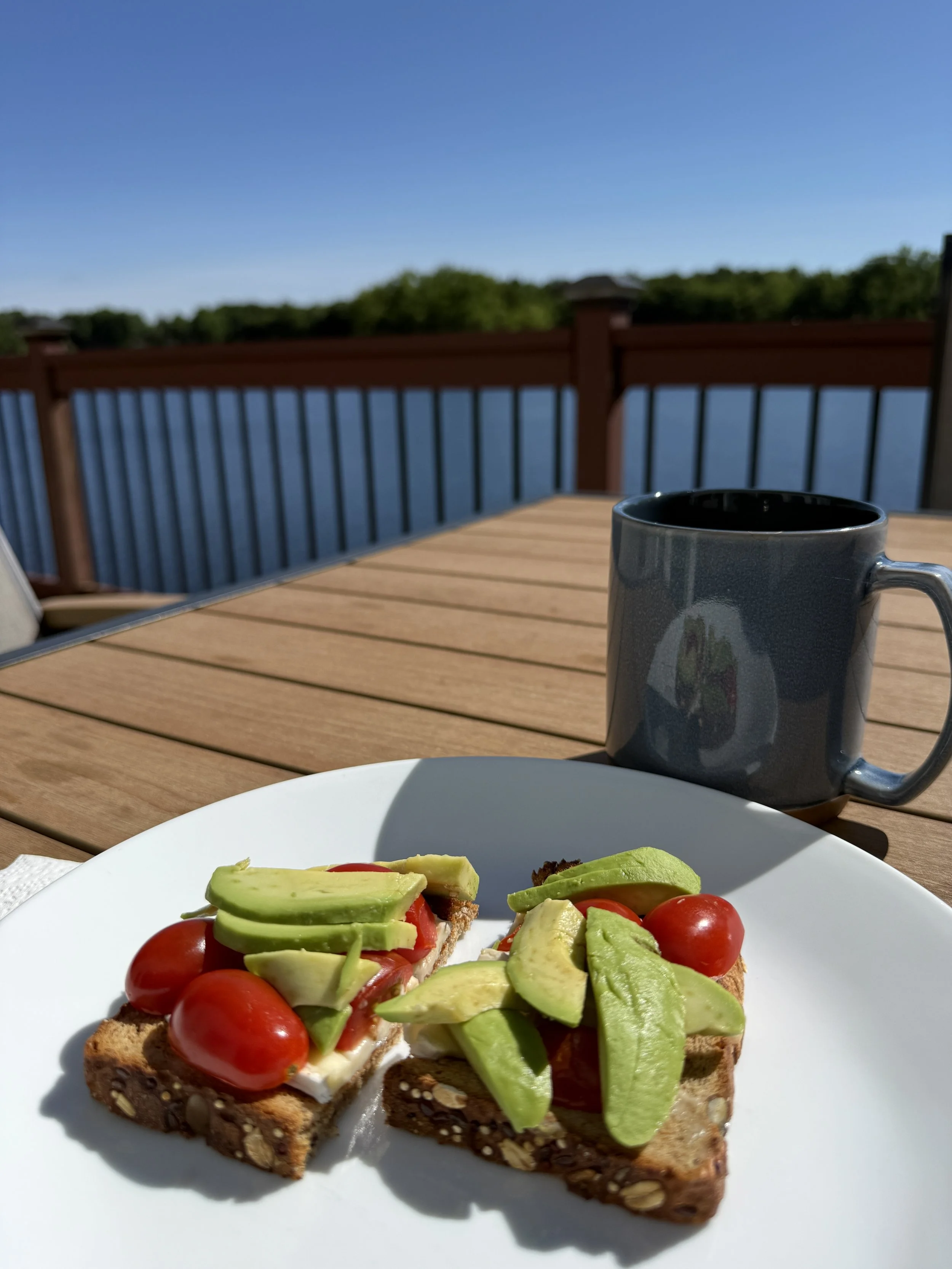
These tiny resets can be taken a few times a day and may include:

  • Close your eyes and take several slow breaths in and out.

  • Stand up and shake out your body.

  • Send a quick email or text to someone you love.

  • Enjoy a few leisurely sips of coffee or iced tea.

  • Eat a snack.

  • Doodle on a sheet of paper.

  • Go outside for fresh air.

  • Take a walk around the office or the block.

  • Roll your shoulders forward and backward.

  • Dance or sing loudly to a favorite song.

  • Take a few deep, loud sighs.

  • Splash cold water on your face.

  • Sit and do nothing for a few minutes.

  • Meditate for 1 to 5 minutes. Insight Timer offers many excellent options.

What else could work well for your micro-break?


Life isn’t only about doing more.
— Linda Samuels, CPO-CD®, CVOP™

2. Medium Breaks

Those mini breaks are wonderful, but at times you will benefit from something longer. If you can carve out more than 5 minutes, a medium break is beneficial. While micro-breaks can be impromptu, a medium break might require some advance planning.
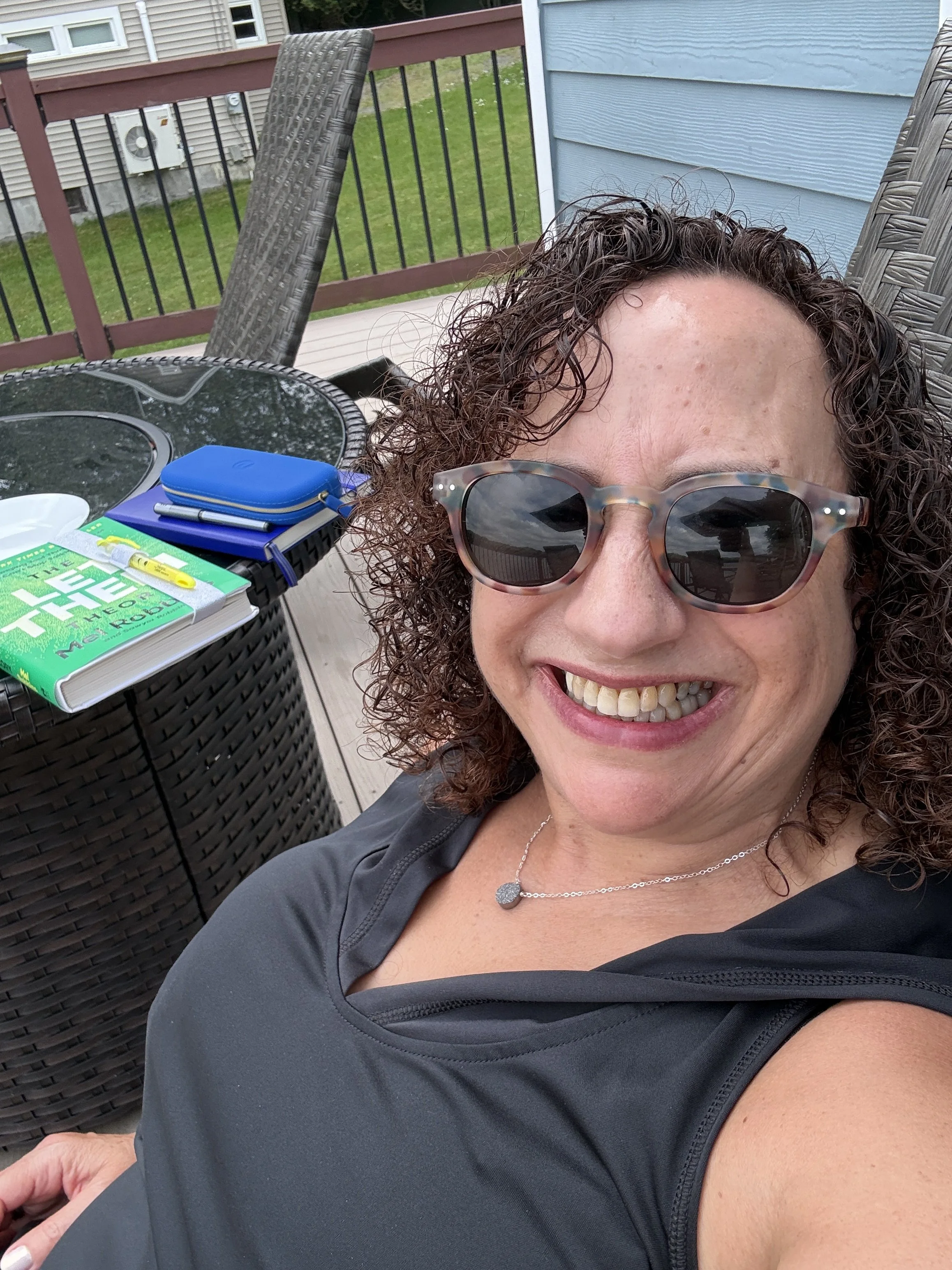
Here are some recharge ideas for breaks ranging from 20 minutes to several hours:

  • Take a 20-minute nap.

  • Go to the movies.

  • Take a walk in nature.

  • Meet a friend for lunch.

  • Explore a museum, garden, or town.

  • Get a massage.

  • Meditate for 30 minutes.

  • Write in your journal.

  • Call a loved one.

  • Go to the pool or the beach.

  • Read a book (or a portion of one).

  • Spend time in a hammock.

  • Go for a bike ride.

  • Make something with your hands.

  • Daydream.

  • Take a yoga class.

What other types of medium breaks could benefit you?


3. Long Breaks

Full disclosure here. Today I took a micro break (meditated) and a medium break (walked by the river). I also just returned from a long break, a family vacation in the Finger Lakes. I have to say, as much as I need my shorter breaks regularly, the extended ones are just as vital. They can be more challenging to take because of the expense or limited time.

Yet, going somewhere for several days (if possible) and stepping away from your regular routines and responsibilities is one of the best ways to recharge. You will return refreshed, more focused, and ready to re-engage with your projects and lists.

It also gives you time to float, think, catch up on sleep, connect with family and friends, or simply do nothing. But a long break doesn’t have to mean only getting away.

Here are some long-break ideas when you have more than 24 hours:

  • Take a staycation and stick to fun or relaxing activities.

  • Take a personal retreat focused on rest and reflection.

  • Unplug for several days.

  • Learn a new skill just for fun.

  • Create a home retreat with no obligations, errands, or projects.

  • Go away for the weekend, or extend it to a long weekend.

  • Vacation somewhere you have to fly to.

  • Travel to somewhere on your bucket list.

  • Check into a spa or wellness retreat.

  • Go camping or glamping.

  • Vacation somewhere reachable by car.

  • Take a biking, kayaking, or boating trip.

  • Spend an extended visit with loved ones.

What have you enjoyed most during your long breaks?


Are You Ready to Give Yourself the Breaks You Deserve?

Busy is how many of you describe your lives. There’s nothing inherently wrong with a full life. But make sure you also take a variety of intentional breaks. Breaks are the yin to your ‘busy’ yang.

Do you take regular breaks? What types do you take? Would you benefit from adding more pauses to your life? How would taking more breaks help you manage your time better? I’d love to hear your thoughts. I invite you to join the conversation.


How Can I Help?

Do you feel overwhelmed, disorganized, and have difficulty managing your time? I’m here to help! You don’t have to do this alone. Virtual organizing is an extraordinary path forward – Local feel with a global reach.

Let’s connect! I’m easy to reach.

Managing your time, getting organized, and living with more ease are possible, especially with support.


 
 
Here Are 5 Most Interesting and Best Happy Human Discoveries – v52

Enjoy the latest release (v52) of the “What’s Interesting?” series, which features my most recent finds that inform, inspire, and connect to organizing and life balance. These unique, wonderfully human discoveries reflect this month’s blog theme.

You are an engaged, vibrant, and generous group. I am deeply grateful for your ongoing presence, positive energy, and contributions to this community. I look forward to your participation and further contributions to the collection I’ve sourced.

What do you find interesting?


What’s Interesting? – 5 Best Happy Human Discoveries

1. Interesting Workshop – Human Organizing

Are you feeling burdened and overwhelmed by clutter or disorganization? If you answered, “yes,” you’re not alone.

Research shows that cluttered spaces often contribute to stress, fatigue, anxiety, and even depression. But there’s good news—help is here!

If you’re ready to explore a kind, compassionate, and more human approach to decluttering and organizing, you’ll love this! Join me, Linda Samuels, Professional Organizer, for an engaging and transformative workshop7 Easy Ways to Practice Mindful Organizing.

One workshop with your choice of two dates:

  • December 2nd at 7:00-8:00pm Eastern or

  • December 4th at Noon-1:00pm Eastern

By the end of the one-hour Zoom workshop, you’ll have strategies for immediate change. You will:

  • Gain valuable insights about gentle organizing.

  • Learn seven mindful organizing practices.

  • Receive personalized support.

This is a great opportunity to prepare for the new year. When you bring more mindfulness and purpose to organizing, you can create calm, clarity, and breathing room. Reserve your spot today!


2. Interesting Resource – Human Helping

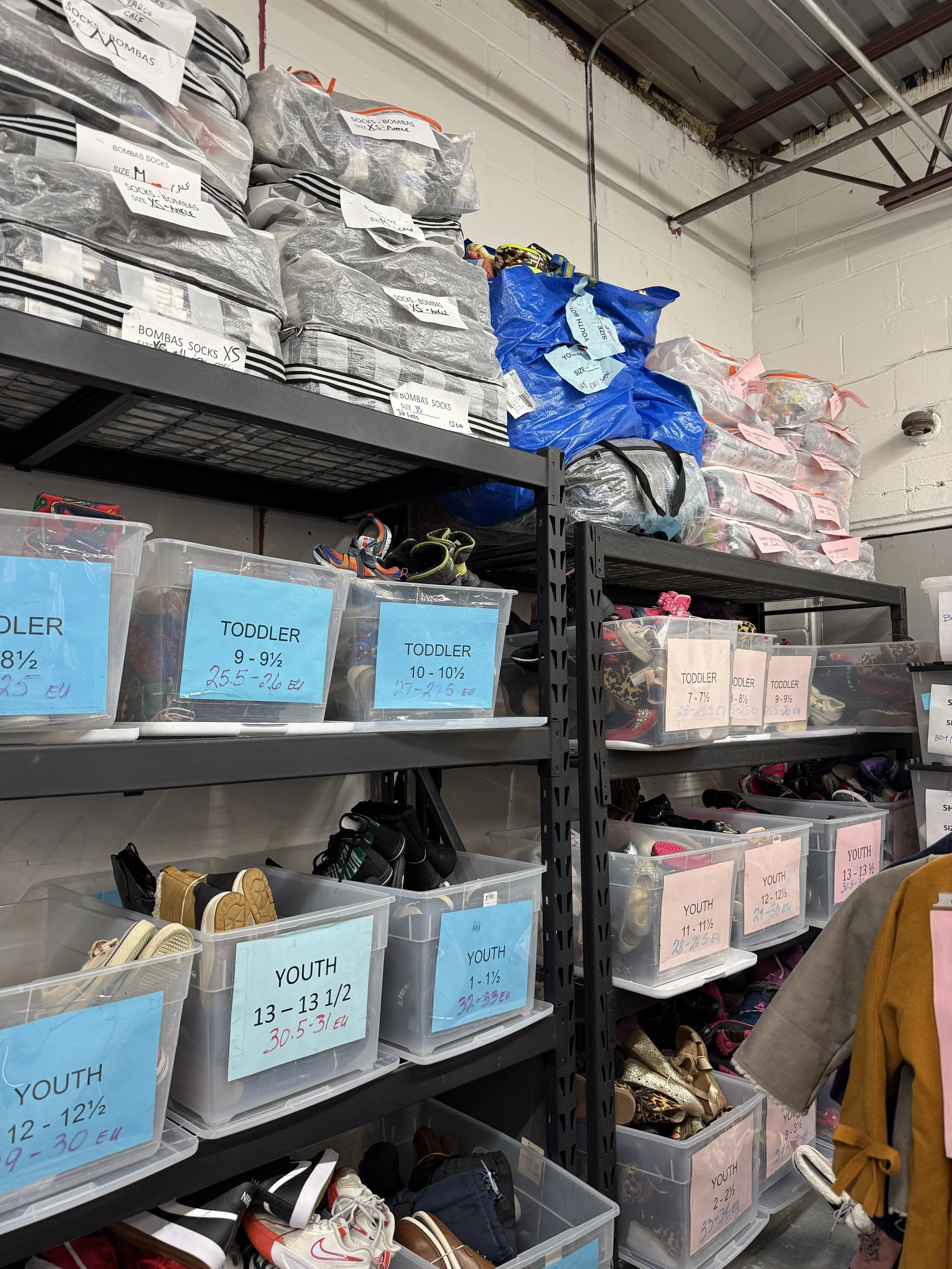
Last month, I went on a field trip with some of my Westchester NAPO Neighborhood group organizing colleagues to The Sharing Shelf in Port Chester, NY.

This remarkable nonprofit provides clothing, school supplies, and other essential necessities, including new socks, shoes, underwear, and hygiene products, to children and teens in Westchester County.

They offer a Wardrobe Pack, which includes a week’s worth of seasonally appropriate clothing tailored to a child’s needs. They also have a Teen Boutique, a free store where teens can “shop and select their own clothing with privacy and respect.”

The Sharing Shelf reports that children facing clothing insecurity “often miss school.” The research shows that “Nearly 14% of Westchester children are chronically absent from school, and clothing is one critical cause.”

Donations of new or gently used clothing in all sizes, from newborn to adult XXL, are accepted. Items should be clean and in good condition. Pieces that are stained or damaged will be sent to textile recycling. The Sharing Shelf has a Target registry and an Amazon wishlist, so you can order items they need.

When you bring more mindfulness and purpose to organizing, you can create calm, clarity, and breathing room.
— Linda Samuels, CPO-CD®, CVOP™


3. Interesting Read – Human Doing

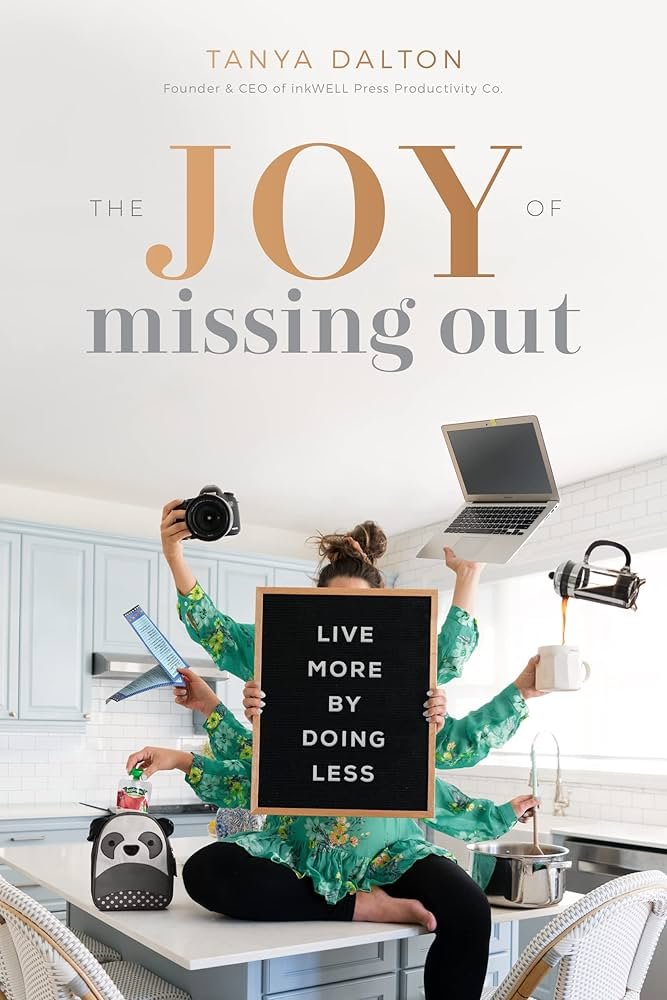
You’ve probably heard of FOMO, the fear of missing out. Have you heard of the opposite, JOMO, which is the joy of missing out?

In The Joy of Missing Out – Living More by Doing Less, Tanya Dalton, a productivity expert, author, and speaker, discusses the overwhelm many women experience due to:

  • Striving to do too much

  • Inability to say no

  • Being unclear about priorities

  • Not knowing where to start

Tanya encourages a mindset shift, saying, “We have to begin finding the joy of missing out on that extra noise in our lives and instead find happiness in a life centered around what’s truly important to us.” She encourages us to “stop the glorification of busy” and to stop worrying that we’re not enough or are not doing enough.

In this four-step liveWELL Method, which Tanya developed for herself, she now uses it to help others create a blueprint for reclaiming their time and living the life they desire. The steps are:

  • Discovery – Identify your unique purpose, life priorities, and North Star.

  • Clarity – Align your projects and tasks with your goals and priorities.

  • Simplicity – Design systems that make your life easier, enabling you to manage it with less effort.

  • Harmony – Build upon the first three steps to create harmony and the life you love.

Tanya says, “We need to discover the priorities that are unique to us, but first we have to take hold of the truth: we must be willing to not have it all.”

We have to begin finding the joy of missing out on that extra noise in our lives and instead find happiness in a life centered around what’s truly important to us.
— Tanya Dalton

4. Interesting Product – Human Curating

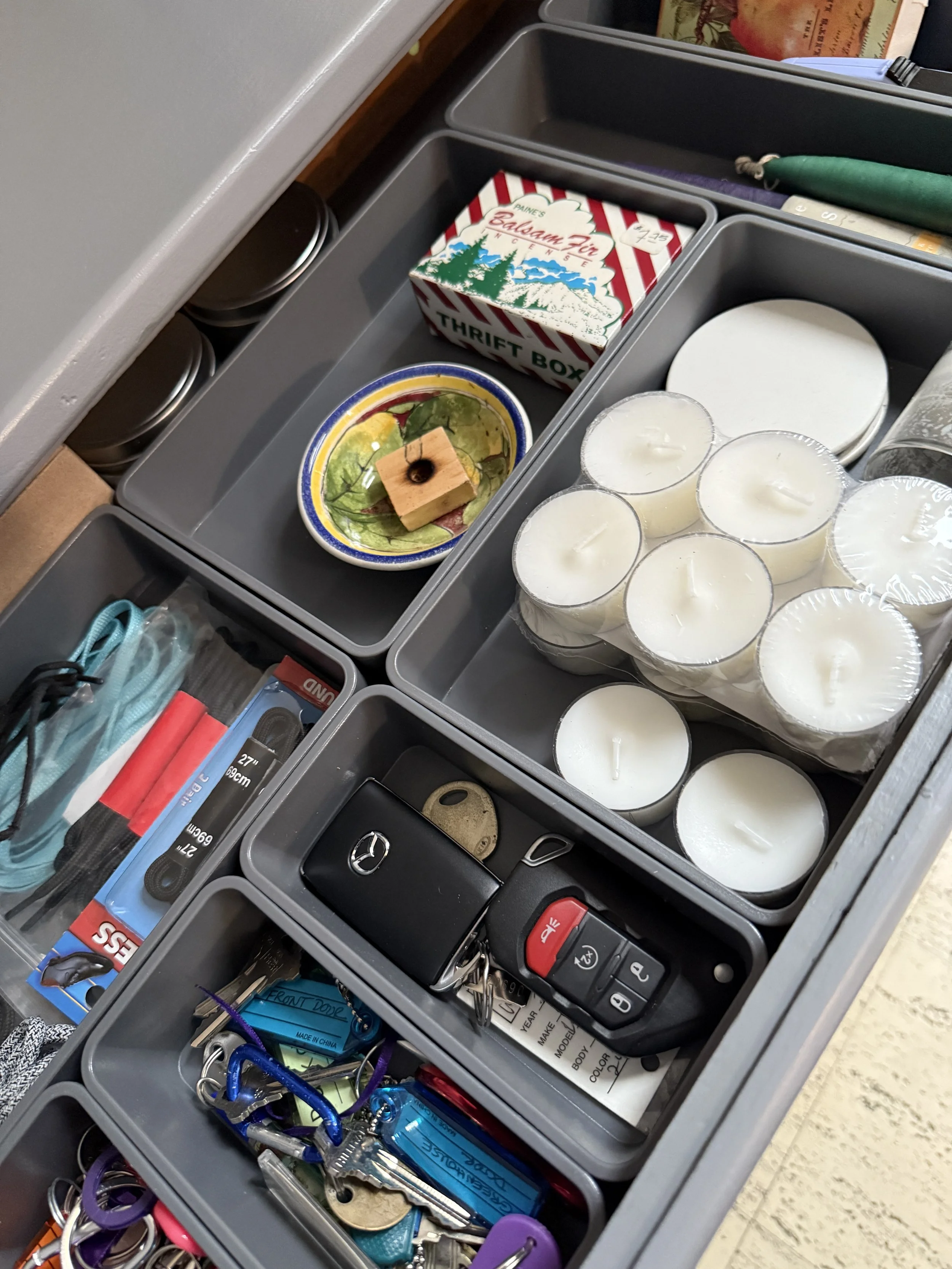
One of my favorite things to organize is cabinet drawers. The more chaotic, the better. A disorganized drawer presents an opportunity to edit, organize, and create order. Why does it matter?

Imagine the feeling of opening a drawer and finding exactly what you need right when you need it. No more searching or stress. It’s a good feeling, and a time-saver, too.

Recently, my husband asked me for drawer organizers and a design for his desk drawer. I recommended these lovely gray open bins, Terra Recycled Drawer Organizers from The Container Store. They also come in white and a variety of sizes. I liked them so much that I purchased more to organize a drawer in our shoe cabinet.


5. Interesting Thought – Human Experiencing

Let’s face it. Life can be stressful and chaotic. You make plans, and things change. You start a project, and something goes wrong. Your schedule is packed with little or no downtime.

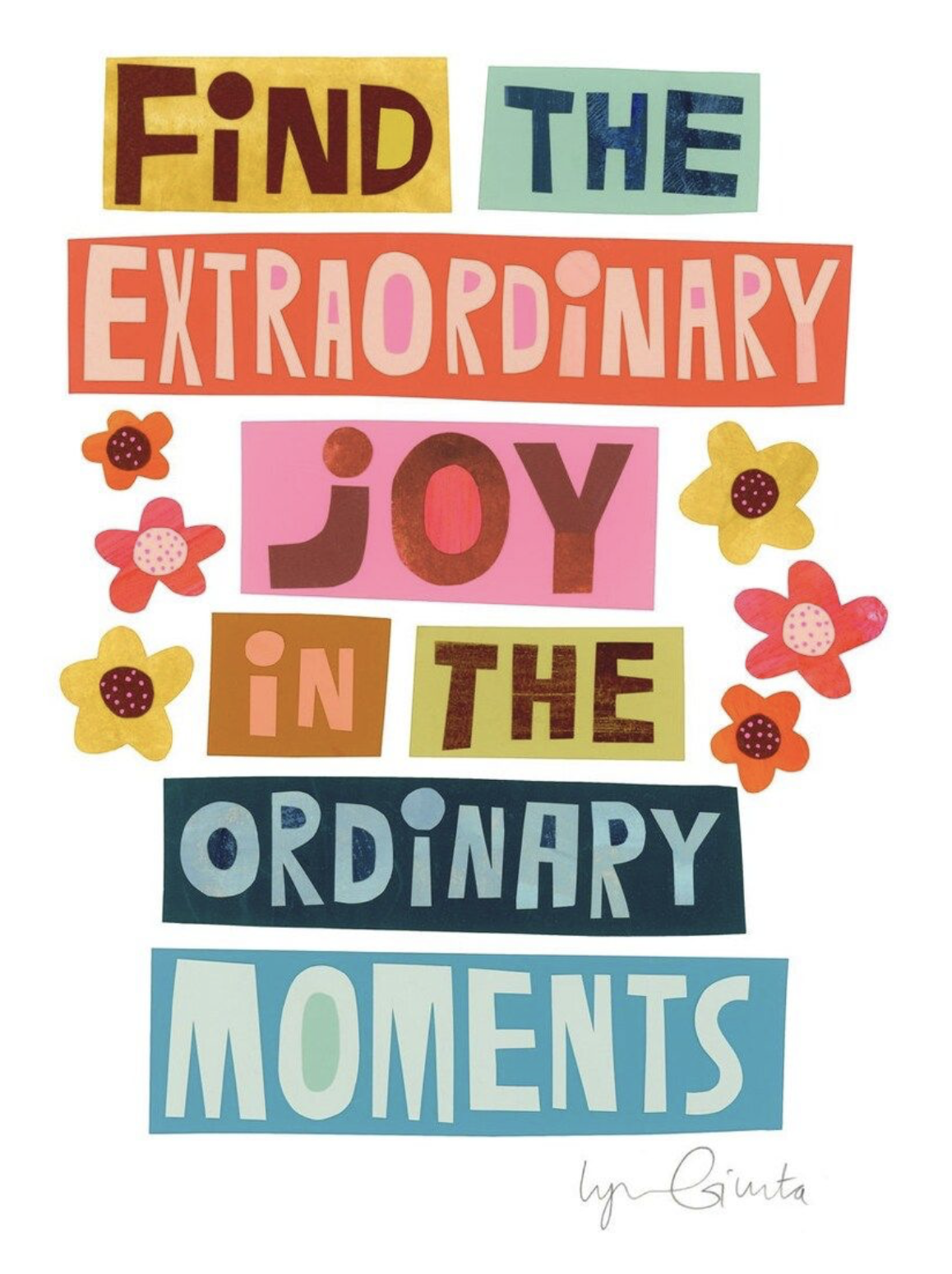
However, even knowing this, you can experience joy in everyday moments. Let yourself be open to those tiny, ordinary moments. They can replenish your reserves, reinforce your gratitude wells, and help you feel more alive in a uniquely human way.

What can these joy-infused moments feel or look like? There are a few I recently experienced:

  • Hearing a client acknowledge and feel positive about their progress.

  • Seeing the afternoon sun backlight the red and orange leaves as the gentle breeze moves them softly against the blue sky.

  • Holding hands with my husband.

  • Experiencing progress, completing projects, or making purposeful choices in the service of growth and change.

  • Taking the first flavorful bite of a new vegetarian chili recipe I just made, and it was delicious.

  • Feeling warm water pouring over me as I shower.

  • Seeing the autumn light fill the sky with a soft pink and orange glow.

  • Hearing the voices of my loved ones, seeing their faces, or hugging them.

  • Getting into bed at the end of a long day and feeling the comforting weight and softness of the bedding.


Human Organizing Experience

In a world flooded with AI, it’s important to keep the human connection strong and vibrant. I highlighted several ways to tap into your uniquely human qualities to improve organization, balance, gratitude, and generosity.

Which of these discoveries resonates most with you? Do you have any you’d like to add? I’d love to hear your thoughts and invite you to join the conversation.


How Can I Help?

Do you feel overwhelmed, stuck, or disorganized? I’m here to help. Virtual organizing is an extraordinary path forward – Local feel with a global reach.

Let’s talk. I’m easy to reach.

Getting organized is possible, especially with real human support.


Here Are 5 Most Interesting and Best Finding Help Discoveries – v51

Enjoy the latest release (v51) of the “What’s Interesting?” series, which features my most recent finds that inform, inspire, and relate to organizing and life balance. These unique enlisting help discoveries reflect this month’s blog theme.

You are an engaged, vibrant, and generous group. I am deeply grateful for your ongoing presence, positive energy, and contributions to this community. I look forward to your participation and additional contributions to the collection I’ve sourced.

What do you find interesting?


What’s Interesting? – 5 Best Finding Help Discoveries

1. Interesting Read – To Do Help

Do you have a project you’re procrastinating on or a to-do list that’s a mile long? Life requires you to get sh*t done. That’s all fine when you’re in the flow, checking off the ‘done’ tasks, and making progress. But what happens when you feel paralyzed before getting started or completing your goal?

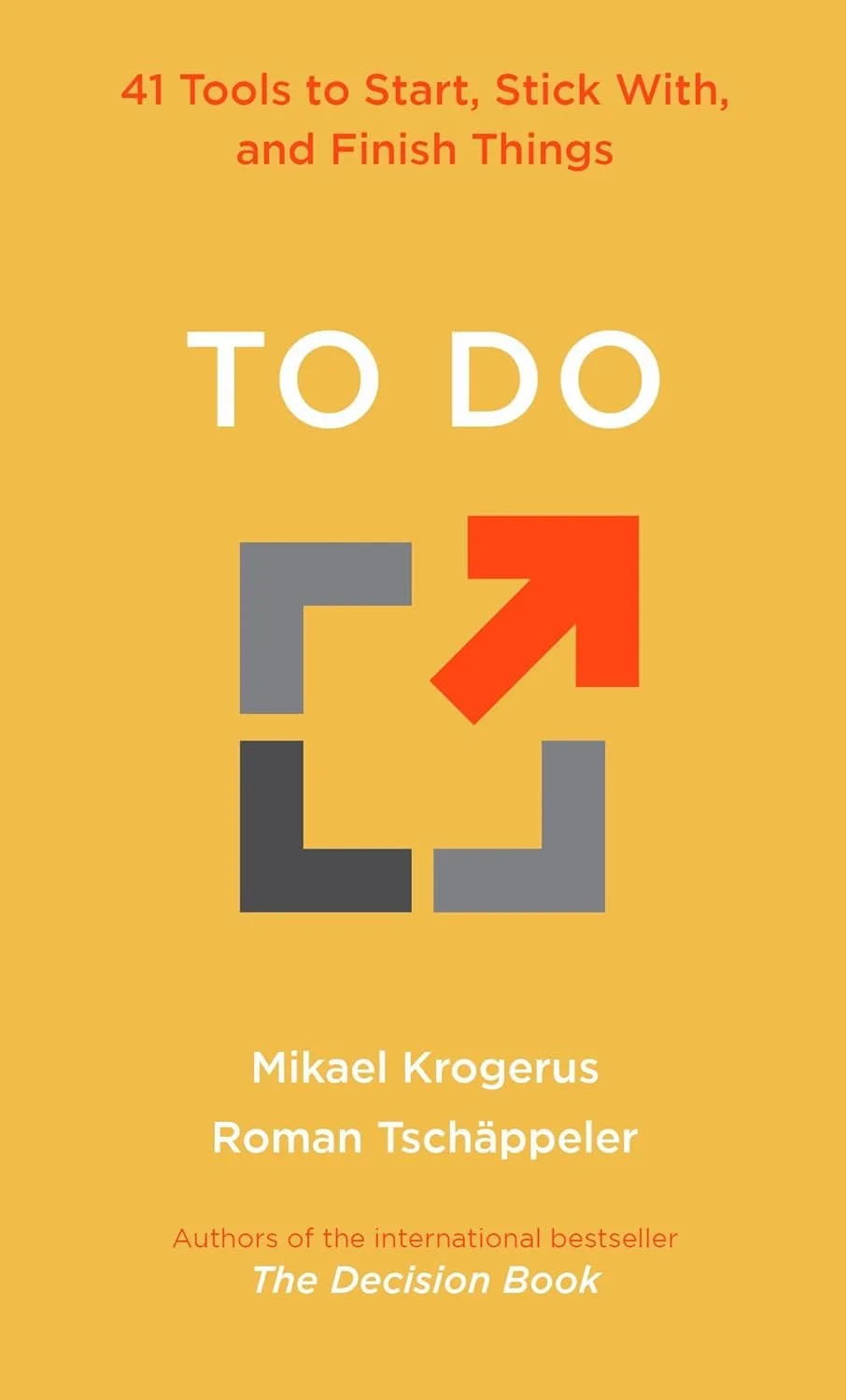
In To Do – 41 Tools to Start, Stick With, and Finish Things, authors Mikael Krogerus and Roman Tschäppeler share many techniques to help you be more productive and fulfilled. They encourage you to choose the strategy that best fits your unique situation. Some will help enhance your work when you’re highly motivated, while other tools will give you the push you need to get started when you’re procrastinating.

They say, “…we don’t ‘get things done’ the same way every time. Sometimes we’re bursting with energy…at other times we falter, unsure if we’re on the right path, even questioning the whole project.”

Some of the techniques covered include:

  • The Pomodoro Technique – Use focused, time-limited ‘work’ sessions, which help you “avoid distractions and get started on something.”

  • Rapid Prototyping – Apply the approach for building models or prototypes to your tasks. Focus on “good enough,” release perfection, solicit input as needed, and make adjustments as needed.

  • Kanban – Use this tool when you experience “to-do overload.” It’s a visual method to clarify “what you’re planning to do, what you’re doing right now, and what you’ve already done.”

  • The 5-Second Rule – Use it when you need help with “activation energy.” Do a simple “countdown: 5, 4, 3, 2, 1 … and do the right thing.”

  • The 5/25 Rule – This tool helps you identify the five most important goals you want to achieve in life and let go of the other twenty you won't have time for.

  • The Law of Reversed Effort – Apply this approach when your goal feels like an obstacle. Instead of chasing that goal now, let it go and focus your attention on something else. After at least six months, revisit your goal to decide if you still want to pursue it, or if there’s another way to accomplish it.

Which task or project are you currently stuck on?


2. Interesting Resource – Repair Help

Living in a “throwaway culture” means that repairing broken items happens less frequently. People often prefer the convenience of buying something new, rather than fixing what’s broken. Also, since getting broken things fixed isn’t as easy as it once was, discarding and buying something new can seem like the only option.

However, if you are committed to keeping things out of landfills and getting more use out of your stuff, I have some good news. A client of mine recently shared this resource with me, and I couldn’t wait to tell you about it.

Repair Cafe community events happen locally and internationally. Bring your broken item, and a volunteer repair coach will help you fix it. Not only will your belongings get repaired, but you’ll also gain hands-on experience.

Repair coaches can help fix a variety of items, including lamps, clocks, chairs, small appliances, digital devices, clothing, textiles, toys, jewelry, and more.

The next time something breaks, consider seeking help and engaging in the repair revolution.

Which of your things could be repaired?

Asking for help is valuable and shows strength, not weakness.
— Linda Samuels, CPO-CD®, CVOP™


3. Interesting Study – Activation Help

Several years ago, Real Simple published an article about clever ways to increase your energy. One of the suggestions was to “shake up your routine.” They referenced a brain study in Nature Communications. The experiment found that when the nucleus accumbens, the part of the brain linked to motivation and pleasure, isn’t stimulated in a particular way, a signal is sent that causes drowsiness.

Alice Boyes, PhD, author of The Healthy Mind Toolkit, said, Changing your routine in the tiniest ways can have an effect on sluggishness.” The routine shift can also “spark creativity.” Small changes can include “Rearrange the furniture. Sit somewhere different. Pour the milk into the bowl before your cereal.”

Are you feeling tired and struggling to activate? If so, what small change can you make to your routine?


Life requires you to get sh*t done.
— Linda Samuels, CPO-CD®, CVOP™


4. Interesting Product – Storage Help

One of my favorite organizing tools is the mesh zipper bag. They are:

  • Versatile

  • Lightweight

  • Durable

  • Colorful

  • Affordable

The bags featured here have handles, making them even easier to carry. You can use them to store books, puzzle pieces, small toys, board games, craft projects, office supplies, papers, and more. Use these pouches at school, home, office, or while traveling.

What could you store in your mesh bags?


5. Interesting Thought – Getting Help

Do you ask for help when you’re stuck, or do you tend to remain stuck and frustrated on your own?

It’s remarkable how much progress and growth can occur when you find the right support. Asking for help is valuable and shows strength, not weakness.

Everyone needs assistance at times, especially if you’re:

What kind of help do you need right now?


Finding the Right Help

Sure, you can go it alone. However, there are times when reaching out for help can make an enormous difference to your sanity and progress. It’s worth creating a go-to list of people, strategies, and product resources to support you in pursuing your goals and tackling tasks. That way, you won’t have to struggle by yourself.

Who or what is your favorite source of support? Which of these discoveries resonates most with you? I’d love to hear your thoughts and invite you to join the conversation.


How Can I Help?

Do you feel overwhelmed, stuck, or disorganized? I’m here to help. Virtual organizing is an extraordinary path forward – Local feel with a global reach.

Let’s talk. I’m easy to reach.

Getting organized is possible, especially with support.

 
 
How a Helpful Productivity Reframe Makes More Time for Fun

There’s nothing wrong with being productive. However, life can be stressful if your focus rests solely on to-do lists, getting things done, and making every minute count. You might find it surprising to hear this from a professional organizer. But guess what? Everyone needs time to relax, not be scheduled, and have fun.

Some time ago, one of my clients emailed me an article from The New York Times by Melissa Kirsch, titled “Satisfying vs. Productive.” In it, Kirsch made a distinction between the two concepts. She said that “A productive day implies a day in which you got some things done, a certain degree of industry. Whereas a satisfying day might be one in which you didn’t necessarily do very much at all, but the contents of the day seem totally appropriate given any number of factors…”

Kirsch presented the idea that instead of criticizing yourself for what didn’t get done, you should make time upfront to be more intentional. She suggested setting your day up for success by asking, “What would constitute a satisfying day today?” Think about how you want to feel by the end of the day. What needs to happen (to do or not do) to get there?


The “Satisfying” Perspective

As someone who enjoys being productive, I also value a day that isn’t solely focused on crossing items off my list. Using the “satisfying” lens to reframe the intent of certain days boosts my joy factor and removes the guilt and pressure to produce.

By letting go of my to-dos, I can fully embrace how a day unfolds. The day’s intent might be to have fun or relax. It could involve exploring or wandering. But what the day isn’t is being list or task-driven.


A Perspective Experiment

Recently, I had a chance to experiment with this idea. We took a few days off and put work on hold. During our trip, we did some planned and unplanned things.

One of the impromptu activities was visiting Knoebels, an amusement park. It was so much fun exploring a new place, going on rides, and indulging in good eats. Have you ever had a Belgian waffle ice cream sandwich filled with chocolate peanut butter ice cream? It was delicious!

I digress. My husband loves riding roller coasters, while I prefer the less thrilling rides. I happily waited while he enjoyed the scary attractions. Then he joined me on the gentler ones, like the Ferris wheel and carousel. I love the movement of the carousel—going up, down, round and round with no destination in sight. No worries, just pure delight.

Aside from unpacking, no productivity tasks or thoughts were on my mind when we returned home. Without a doubt, the day and our trip had been soul-nurturing, satisfying, and fun.

I was happy about my response to Kirsch’s question, “What would constitute a satisfying day today?” For me, it had been setting aside the list, doing something spontaneous, and having fun!

What would constitute a satisfying day today?
— Melissa Kirsch

What Does Your Day Look?

Productivity isn’t a dirty word. However, when you start to view productivity as satisfying, it can have a positive effect on your experience. What does a productive day look like for you? Is it the same as or different from a satisfying one?  

I’d love to hear your thoughts. I invite you to join the conversation.


How Can I Help?

Do you need support with organizing, editing, or managing your time? I’d love to help! Virtual organizing is an extraordinary path forward – Local feel with a global reach.

Making your days intentional and satisfying is possible, especially with support.