Posts tagged progress
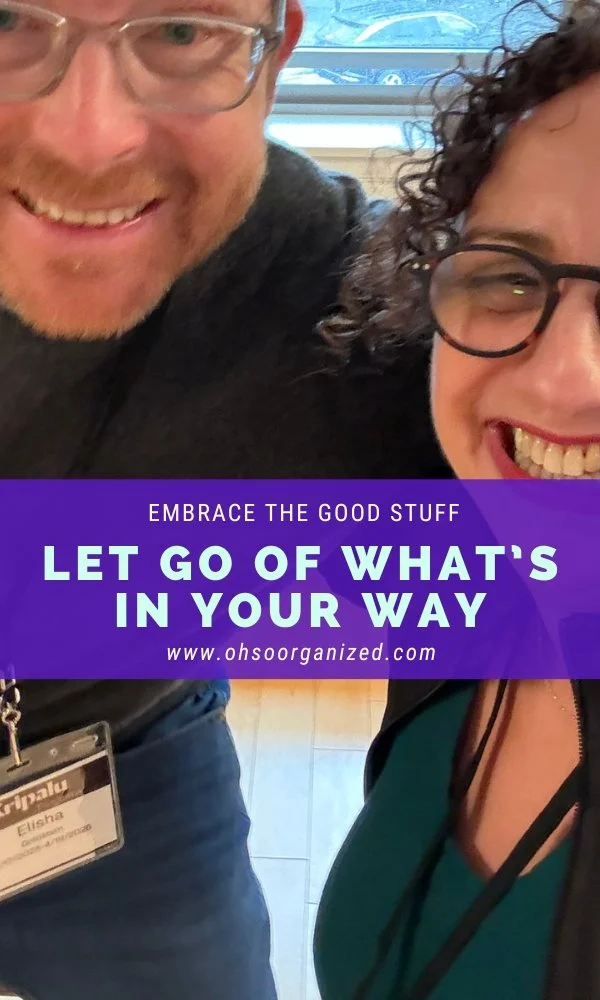
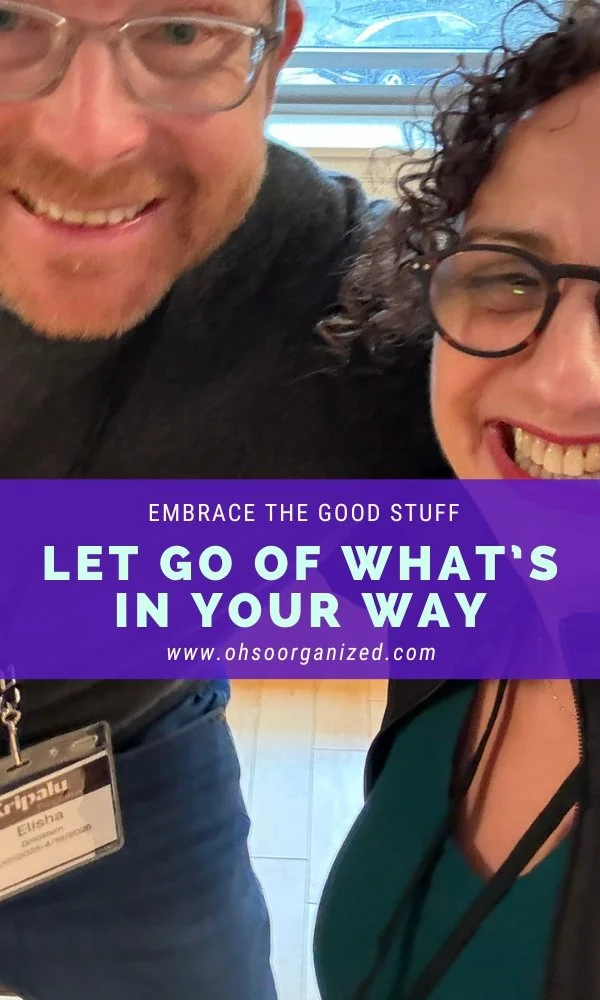
How to Let Go of What's in Your Way to Joyfully Embrace the Good Stuff

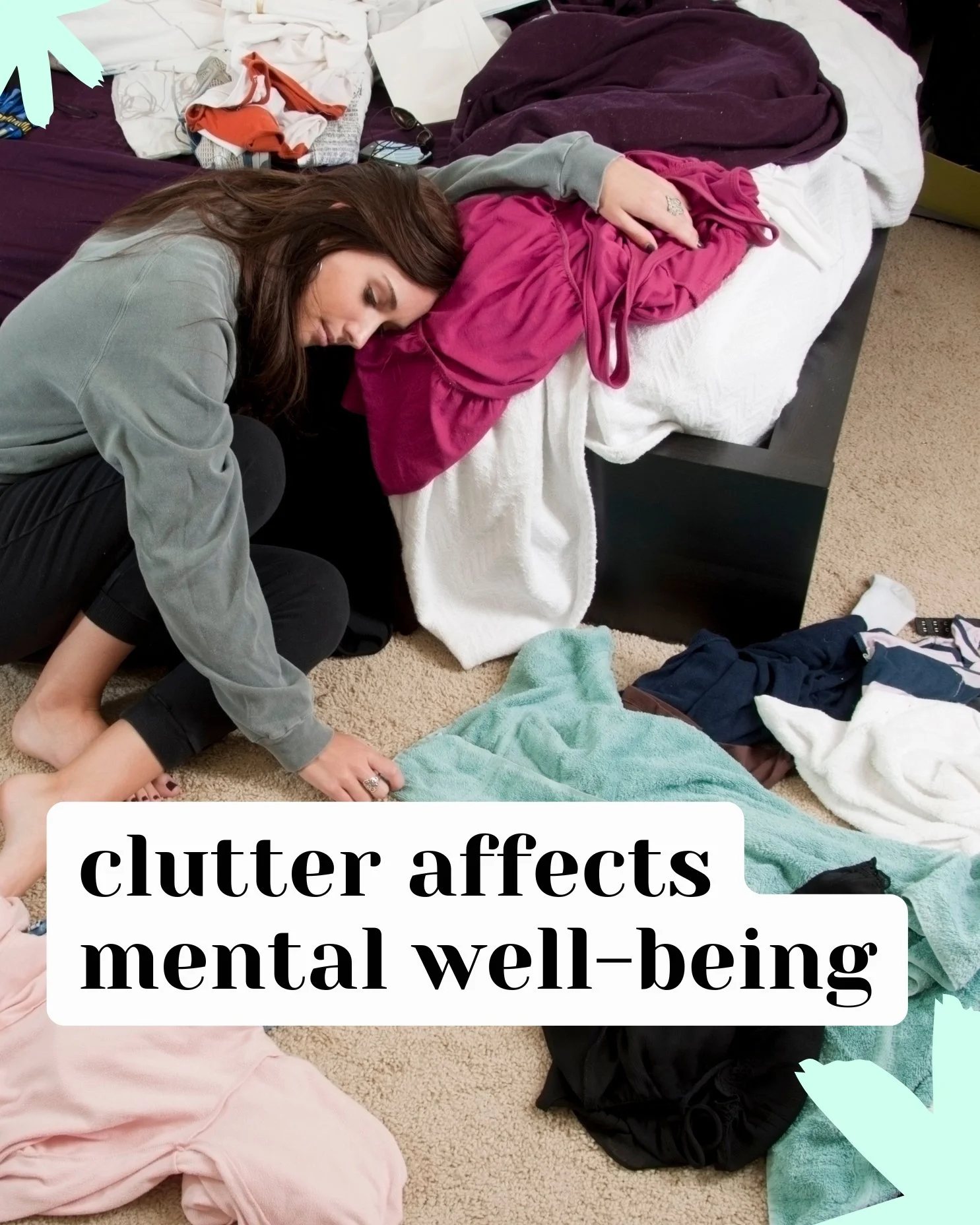
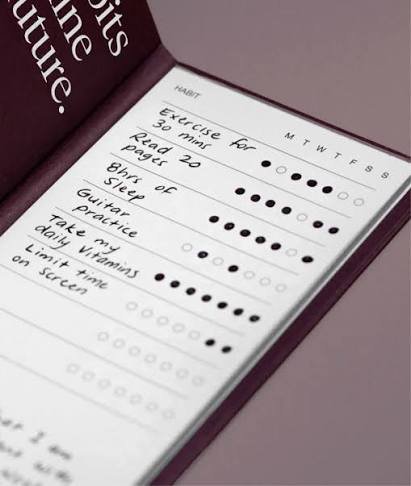
What are you holding onto that’s getting in your way? Are there physical things, like clothing that no longer fits, stacks of magazines you’ll never read, or expired food and medicine? Are there habits that don’t serve you, such as not getting enough sleep, doomscrolling on your devices, or acquiring things without ever editing them? Are there behaviors that create more stress, such as constantly berating yourself, ruminating on interactions, or not taking time for play or joy?

Are these things holding you back from living the life you want? Do you want more calm, joy, or ease?

What happens, though, when you begin to let go of clutter and the things that create blockages and stress? What happens when you approach them in a new way? It’s not that challenges won’t appear or that stress triggers will disappear. However, when you begin to work with them differently and let go, you will have more bandwidth to embrace the good stuff.


A Tiny Shifts Learning Journey

21 Days

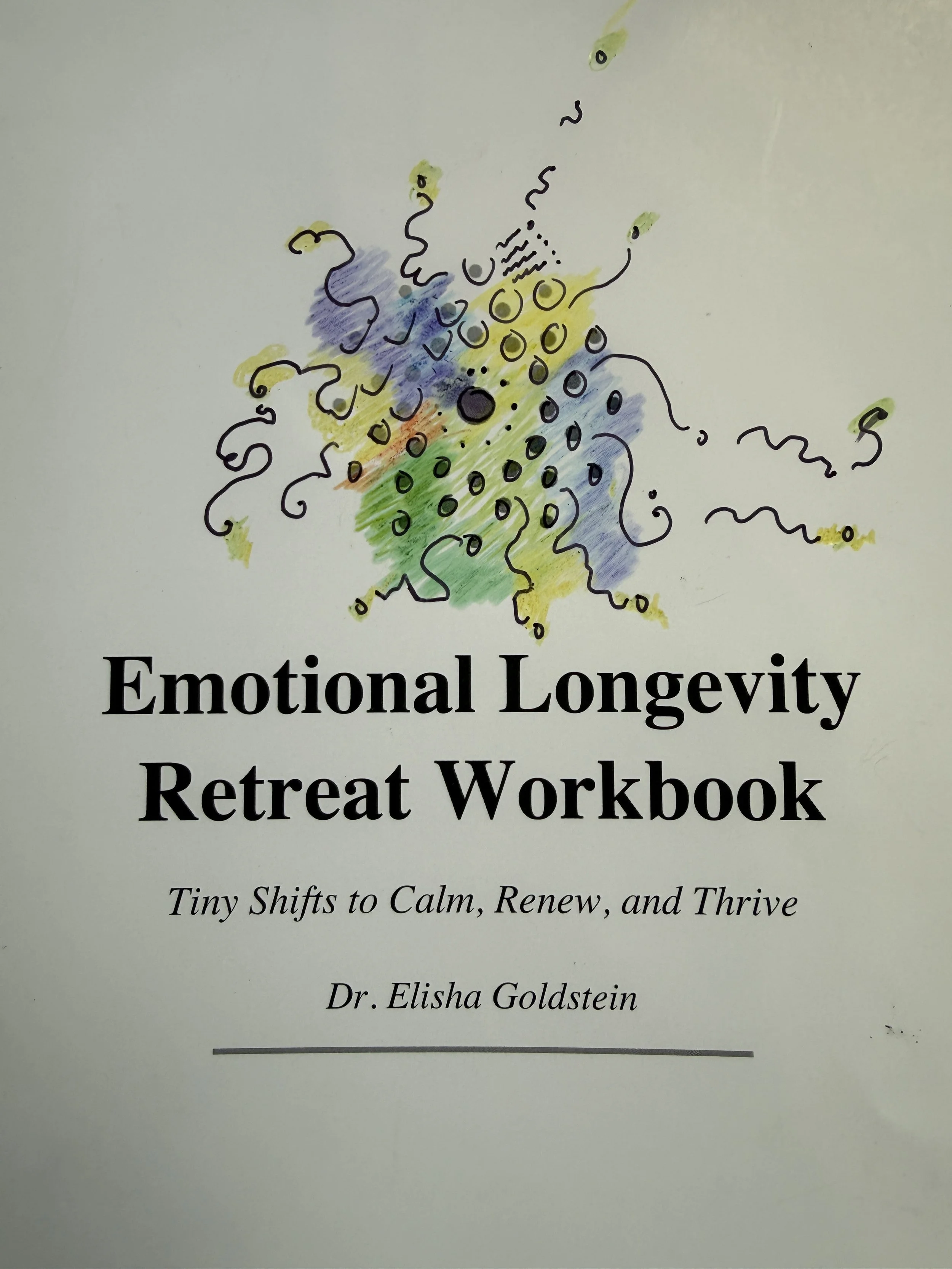
For the past few months, I’ve been learning from clinical psychologist and author Dr. Elisha Goldstein. Although he’s been on my radar for years, I signed up for a 21-Day Tiny Shifts Experience in January.

The program featured short, daily practices designed to help you better manage stress by supporting your nervous system. By the end of the course, I was better able to regulate my emotions through simple, intentional breathing practices.


6 Weeks

The experience was so wonderful that I wanted to learn more. Next, I registered for Elisha’s 6-Week Tiny Shifts Emotional Longevity course. It included two live sessions each week: one led by Elisha and the other an Integration Lab led by mindfulness teacher Susan Beckman Reagan.

There were simple, doable practices to work on between sessions, along with a virtual platform for communication. We learned more about emotional loops, supporting the nervous system, and the 4Rs: Recognize, Release, Refocus, and Reinforce.


The Book

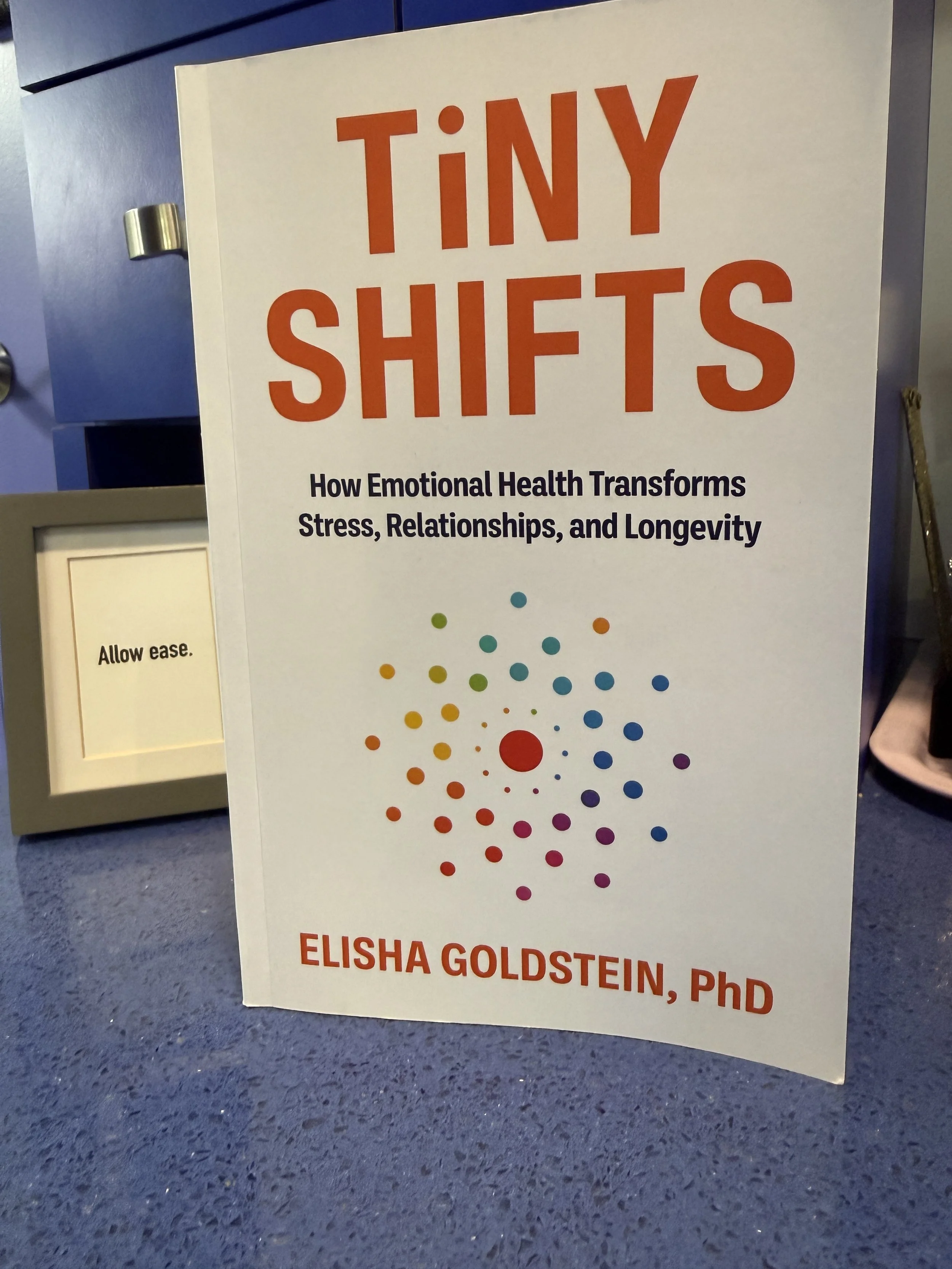
Simultaneously, Elisha released his new book, Tiny Shifts – How Emotional Health Transforms Stress, Relationships, and Longevity. While I was taking the courses, I read it, which helped me better assimilate what I was learning.

Elisha says, “Real change doesn’t come from doing more. Feel free to let go of that burden. It comes from shifting how we relate to what’s already here-one tiny emotional pivot at a time.”

If you haven’t read Tiny Shifts yet, I highly recommend it. Elisha presents his research-backed, doable strategies clearly and compassionately while sharing captivating stories.


The Retreat

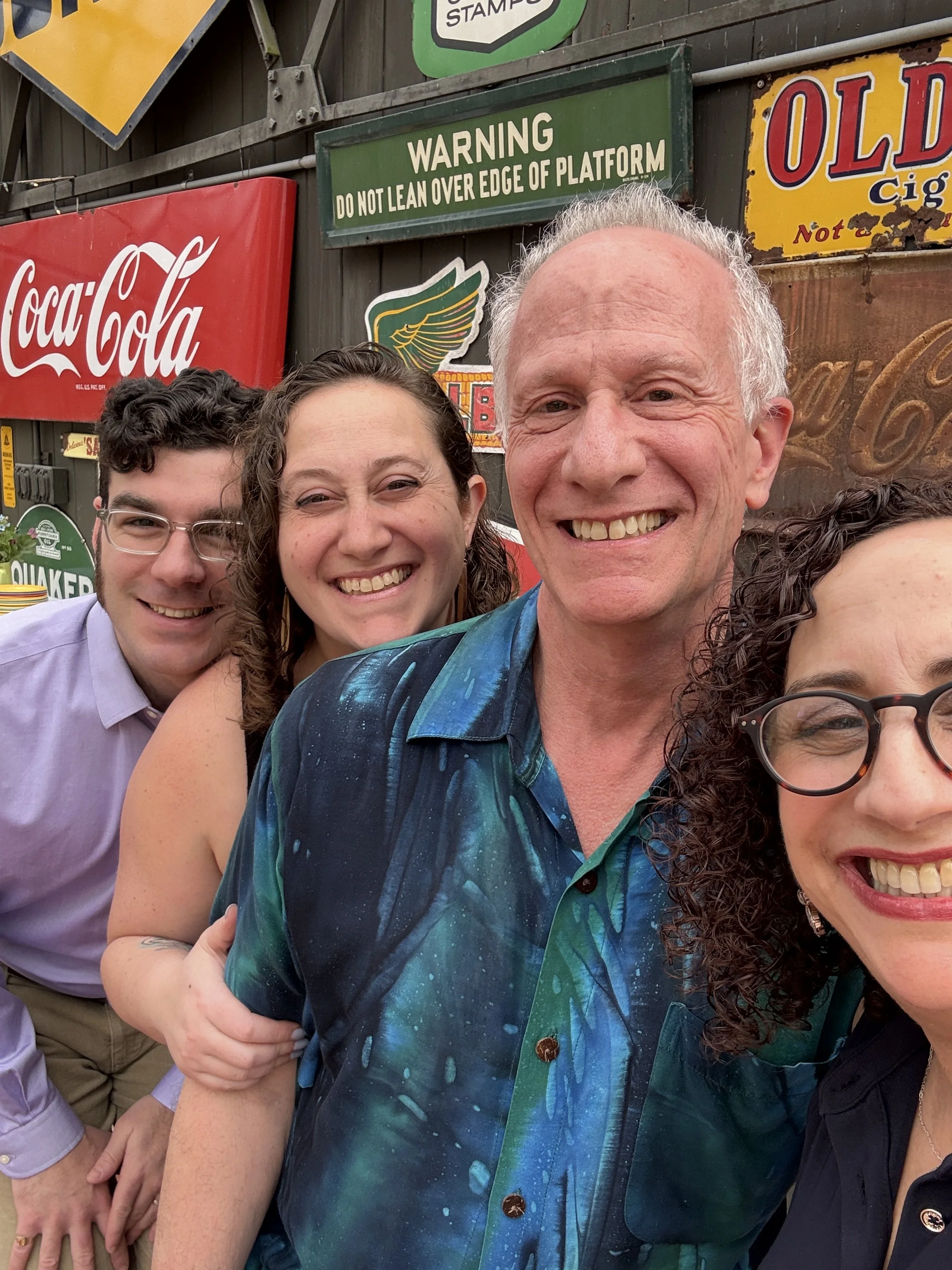
The next part of my learning journey took place last weekend. Elisha offered a three-day Emotional Longevity Retreat at Kripalu in the Berkshires. It was especially meaningful to attend in person, since the previous courses were online. My husband, Steve, went, too.

What I had learned before was clarified or reinforced during the retreat. It was an emotional weekend—lots of crying, smiling, laughing, meditating, and pausing. While the strategies are simple, applying them in the moment takes practice. I’m still working on it and remain hopeful. I can see my progress.


What would it feel like to let go and embrace more joy and ease in your life?
— Linda Samuels, CPO-CD®, CVOP™


Embracing the Good Stuff

In these chaotic, uncertain times, there is no shortage of things beyond our control or that make us anxious. We can dwell there or let go. Elisha’s practices help tremendously with letting go. When you do, you will have more capacity to

  • Embrace joy, play, fun, and quiet.

  • Be present and available for the people and relationships in your life.

  • Have more ease.

  • Regroup more quickly from stressful situations.

  • Engage in better self-care and compassion.

  • Release the things, thoughts, habits, and behaviors that no longer serve you.

  • Be available for all the good stuff in your life.

What does the “good stuff” look like to you? A few years ago, I created my own list, which you can find here: Are You Making Time for ‘The Good Stuff?’ What’s one thing on your list?


Letting Go to Live with More Joy and Ease

What are you holding on to that causes you stress? What is keeping you from moving forward? What would it feel like to let go and embrace more joy and ease in your life?

I’d love to hear your thoughts. I invite you to join the conversation.


How Can I Help?

Do you feel overwhelmed or disorganized? Do you want to let go of what’s holding you back but feel stuck or unsure where to start? I’m here to help! You don’t have to do this alone. Virtual organizing is an extraordinary path forward – Local feel with a global reach.

Let’s connect! I’m easy to reach.

Letting go, getting organized, and living with more ease are possible, especially with support.


What Wonderful Things Happen When Reaching Out for Help Is Your Next Step?

Does this sound familiar? You face a challenge that you're constantly thinking about, and it’s negatively impacting your daily life. You’re stuck, feeling like you’re taking action just because you’re dwelling on the problem, yet nothing changes. There’s no progress.

Then you get an idea that, “Hey, maybe someone can help me figure this out.” You’d like to solve it on your own. After all, you’re a capable person who knows how to do a lot. And while that’s a wonderful thing, at this moment in time, you recognize something. You can’t do it all yourself. More importantly, you realize that your best next step is to reach out for help.

You don’t want to ruminate on the problem any longer or have the energy to resolve it on your own. While you’ve been feeling stuck and frustrated, now you’re ready to accept help. This is a fabulous place to be when you can embrace support.

Guess what? I experienced this recently, and it was so liberating. I reached out to people who could help- the plumber and the appliance repair guys. Within a few hours, the problems were diagnosed and fixed. Things that had been bothering me for a while were now no longer an issue. What a big relief!

Here’s to discovering ways to feel calmer, lower stress, and carve out time for what you enjoy most.


Three Benefits of Enlisting Help as Your Next Step

1. Less Bother and Stress

When things work, you don’t give them much thought. It’s life as usual. Things flow easily. However, when they break or aren’t functioning, it can be stressful, bothersome, and costly.

I noticed that the water pressure in our house had been gradually dropping. This affected regular activities such as showering, washing clothes, flushing toilets, and doing the dishes. In addition, when our water bill arrived, it was twice as high as usual.

It took me months to recognize the problem and finally get the help needed to resolve it. Between conversations with my husband and the local Department of Public Works, we diagnosed a small pinhole leak in one of the water pipes. I made an appointment with our plumber, and he fixed it within a few hours.


2. More Time to Enjoy

Enlisting help from a pro can free up your time so you can do what you enjoy most. I so appreciate how skilled my husband is at fixing things. However, with his intense work schedule and volunteer commitments, he has limited time.

When certain parts of the refrigerator stopped functioning (ice maker and the water-in-door feature), he was going to check them out. But work and other things made it challenging to have the time to do that. After some time had passed, I decided to call the appliance repair guy. He arrived and, after an hour, got things working again.

Steve and I were able to enjoy the rest of our weekend instead of running back and forth to Home Depot for fridge parts.

You can’t do it all yourself.
— Linda Samuels, CPO-CD®, CVOP™

3. Having Support to Face Challenges

Every time I get a call from a potential client or work with my ongoing clients, it’s clear how much they value not having to face it alone. Their organizational challenges often feel overwhelming and insurmountable.

However, there is a noticeable difference when you seek help from a professional who

  • Cares about your progress

  • Can offer support around your goals

  • Can discuss your specific challenges

  • Can collaborate on solutions

  • Can be there with you throughout your organizational journey

Getting organized can be challenging, and setbacks can happen. However, having support from someone compassionate, knowledgeable, and dedicated to you can greatly enhance your progress. Support isn’t always about doing something for someone. It can also be about walking alongside them.

I am truly grateful to be invited into my clients’ lives and to help them with their goals and organizing challenges.


When Your Next Step Needs Assistance

Are you facing a challenge that might benefit from outside help? What’s been preventing you from seeking that support? Can you describe one benefit of enlisting help?

Which ideas resonate with you most? I’d love to hear your thoughts. I invite you to join the conversation.


How Can I Help?

Do you feel overwhelmed or disorganized? Do you want to take your next step but feel stuck or unsure? I’m here to help! You don’t have to do this alone. Virtual organizing is an extraordinary path forward – Local feel with a global reach.

Let’s connect! I’m easy to reach.

Moving forward and getting organized are possible, especially with support.
 
 
Two Direct Ways to Think About Change and Choose Your Best Option

As another major snowstorm, “a historic blizzard,” arrives today in the Northeast, thoughts of change fill my mind. As I write, only a light, gentle snow is falling. It’s barely sticking. Yet news reports warn that heavy snow (16” to 20”) is on the way. Talk about change! Right now, all is calm, but things can shift quickly.

The idea of progressing quickly is what I want to highlight. Although now, I’m not referring to the landscape or weather. Instead, I’m thinking about the change you want to make in your life. What shifts do you want, need, or hope for?

It’s all well and good to desire change, yet as you might have experienced, change can be difficult. Often, the challenge is with identifying which direction you want to take. When that happens, it’s easy to get stuck before you even begin.

Recently, I came across a quote from James Clear’s 3-2-1 newsletter. While he wrote specifically about growth, I interpreted his idea through the lens of change. His concept is so direct, and it could work beautifully, especially if you are struggling to make a change.


Two Ways to Choose Your Best Option for Change

When planning for the New Year, I use various templates and questions to design my year. Many I’ve shared with you, including these:

James Clear’s concept is another way to cut through the noise and make a direct choice. He said,

“There are two ways to grow: by adding or by shedding. Do you need to add something or do you need to shed something?”

How powerful is that? As you think about Clear’s framing, what arises?


How to Use This Change Process

I can envision taking a piece of paper, drawing a vertical line down the middle, and labeling the two columns: “Add Something” and “Shed Something.” From there, capture your thoughts on the page.

Your “Add” column might include:

  • Get more sleep

  • Learn something new

  • Drink more water

  • Invite people over

  • Meditate

  • Exercise

  • Do something creative

Your “Shed” column might include:

  • Piles of magazines

  • Books I’ll never read again

  • Clothing that no longer fits

  • Dishware I never use

  • Thoughts that don’t serve me

  • Relationships that are draining

Next, select one item from each column that you’re most interested in changing. Circle it. You’ve taken many ideas and narrowed them down to two. It’s much easier to make a choice when there are fewer options.

Which one is calling your name? Is it something from the Add or Shed column? Begin with the change that feels most enticing. This is your starting point. Your choice is made. Now you can work on making that change.

After completing the change, return to your list. This is a working, flexible document. Add, remove, and choose the next change you want to make.


Do you need to add something or do you need to shed something?
— James Clear

Focusing on Change

There are many ways to approach the changes you desire. What are your thoughts on this method inspired by James Clear? In what ways could it work for you?

I’d love to hear your thoughts. I invite you to join the conversation.


How Can I Help?

Do you feel overwhelmed or disorganized? Do you want to make a change, but feel stuck? I’m here to help! Virtual organizing is an extraordinary path forward – Local feel with a global reach.

Let’s connect! I’m easy to reach.

Embracing change and getting organized are possible, especially with support.
 
 
How One Small Change Can Help Reduce Overwhelm and Boost Task Activation

There are two challenges related to change that many of my clients face. The most common reason is overwhelm, often because the changes they seek are significant. Overwhelm can happen when you:

  • Have difficulty deciding where to start

  • Want to make multiple changes

  • Are unsure whether what you want to accomplish is possible

  • Engage in negative self-talk or unhelpful loops and scripts

  • Are uncertain how you’ll have time to make the changes you seek

The second most common challenge is task activation. My clients often know what to do, yet struggle to take action. They may experience low mood, boredom with the task, self-doubt, exhaustion, or difficulty managing their time.

The good news is that even when you’re feeling overwhelmed and having difficulty activating, things can shift quickly in a positive direction. I’ve seen this happen consistently with my clients, and it’s inspiring to be part of.

Are you curious about how to shift from overwhelm to hope and from stuckness to action? If so, keep reading to learn a few helpful strategies.


Change Strategies That Work When You’re Feeling Overwhelmed and Stuck

Strategy 1: Go Small

You know the phrase, “Think big?” For the first strategy, do the exact opposite. Instead of focusing on all the changes you want to make, go small, really small. This shift creates a boundary.

Let’s say you want to edit and organize all the rooms in your home. The goal is doable, but the enormity of those tasks feels overwhelming. For now, set aside thinking about the big picture and focus on a single, small piece.

For example, you want to edit and organize your clothes, which are stored in many rooms, dressers, and closets. Select one small area to begin, such as a drawer, a shelf, a closet rod, or a bag stuffed in the basement. Anywhere is OK as long as the area is small.

You’ll notice almost immediately that your mood begins to regulate because you’ve contained the organizing task to something more manageable. Overwhelm and anxiety subside when you set boundaries around your area of focus.


Strategy 2: Engage in What’s Doable

Combine the first strategy, going small, with this next one. As you can imagine, it’s not enough to create a tinier boundary and shift your mindset. It must be paired with an action or task. By reducing stress and cortisol surges, activation becomes possible. You can calmly face your task.

Here’s the magic. Making progress on that one small thing has a wonderfully positive effect. Your thoughts transform from “I can’t do this” to “I’m getting it done!” Your mood shifts from blocked and negative to lighter, more energetic, and more excited about taking on more.


Overwhelm and anxiety subside when you set boundaries around your area of focus.
— Linda Samuels. CPO-CD®, CVOP™


Strategy 3: Enlist Help

The first two strategies are effective. However, if you’re ready for change and still feel unable to move forward, it’s time for the third option: Ask for help. This can come from a nonjudgmental friend, family member, or professional organizer like me. You don’t have to do this alone.

My clients recognize that having a partner on their organizing journey is the secret sauce. They appreciate ongoing support, discussions of solutions and challenges, help with decision-making, a thought partner, and encouragement.

Some recent client organizing tasks included:

  • Decluttering the dining room table

  • Refining a project management system

  • Editing several bags of shirts

  • Sorting and releasing old business files from a shelf

  • Editing and letting go of a box of electronic material

For all of these projects, my clients’ starting point was feeling overwhelmed and unable to act. However, by narrowing the scope, focusing on one small part at a time, and enlisting external support, they improved their mood, accomplished a specific task, boosted their confidence, and were motivated to do more.


Why Does a Tiny Change Matter?

Small shifts are doable and sustainable. When you think about change, it can feel overwhelming, especially when the changes are big. However, by adjusting your mindset, narrowing the scope, and enlisting help, you can make progress. What helps you when you feel overwhelmed? How do you work with task activation? What resonates with you?

I’d love to hear your thoughts. I invite you to join the conversation.


How Can I Help?

Do you feel overwhelmed, disorganized, or paralyzed? Do you seek change, yet feel stuck? I’m here to help! Virtual organizing is an extraordinary path forward – Local feel with a global reach.

Let’s connect! I’m easy to reach.

Embracing change and getting organized are possible, especially with support.