

Posts in What's Interesting?
Here Are 5 Most Interesting and Best Next Step Discoveries - v54

Enjoy the latest edition (v54) of the “What’s Interesting?” series, which features my most recent finds that inspire, spark curiosity, and relate to organizing and life balance. These unique next step discoveries reflect this month’s blog theme.

You are an engaged, vibrant, and generous group. I am deeply grateful for your ongoing presence, positive energy, and contributions to this community. I look forward to your participation and further contributions to this curated collection.

What do you find interesting?


What’s Interesting? – 5 Best Next Step Discoveries

1. Interesting Read – Compassionate Next Step

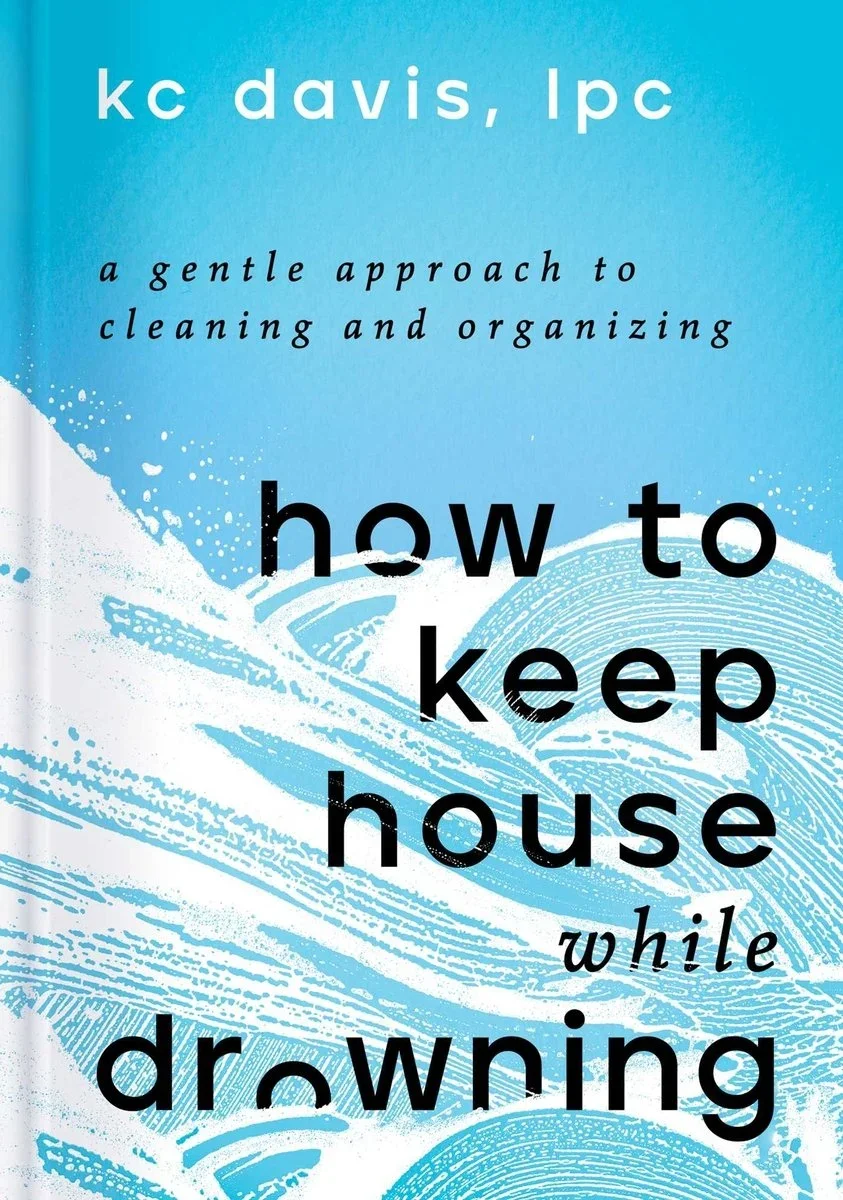
Recently, a client shared with me a book she was reading, How to Keep House While Drowning – A Gentle Approach to Cleaning and Organizing by therapist, author, podcaster, and speaker KC Davis, LPC. I was curious, so I read it, too.

The ideas resonated deeply with my client, who appreciated the realistic, kind approach to organizing and care tasks that encouraged gentle next steps. One of KC’s philosophies is “You don’t exist to serve your space; your space exists to serve you.”

How often do you feel like your stuff is running you? KC helps shift the perspective and offers advice for “how to care for ourselves when we feel like we are drowning.”

From practical organizing and cleaning tips to kinder self-talk, KC shares personal experiences of what has worked for her and others. She describes care tasks (laundry, cooking, cleaning, organizing, etc.) as neutral rather than a moral failing, even when they challenge you.

KC describes her own perspective shift and says, “Let me tell you what the mess in my home means. It means I’m alive. Dirty dishes mean I’ve fed myself. Scattered hobby supplies mean I am creative. Scattered toys and mess mean I am a fun mom…And occasionally, mess means I’m struggling with depression or stress. But those aren’t moral failings either, and neither is that moldy coffee cup I keep not taking to the kitchen.”

A few additional reframes KC offers include:

  • “Chores > care tasks”

  • “Chores are obligations. Care tasks are kindness to self.”

  • “Cleaning > resetting the space.”

  • “Cleaning is endless. Resetting the space has a goal.”

  • “It’s so messy in here! > this space has reached the end of its functional cycle.”

Filled with personal struggles and compassionate solutions, KC guides us on a journey toward reducing self-criticism and guilt, and finding more peace at home, one step at a time.


2. Interesting Perspective – Restful Next Step

It’s easy to overlook your needs. Do you find yourself pushing, doing, scheduling, organizing, and constantly in motion? There is a reason we call ourselves human beings, not human doings. ‘Being’ involves both action and rest.

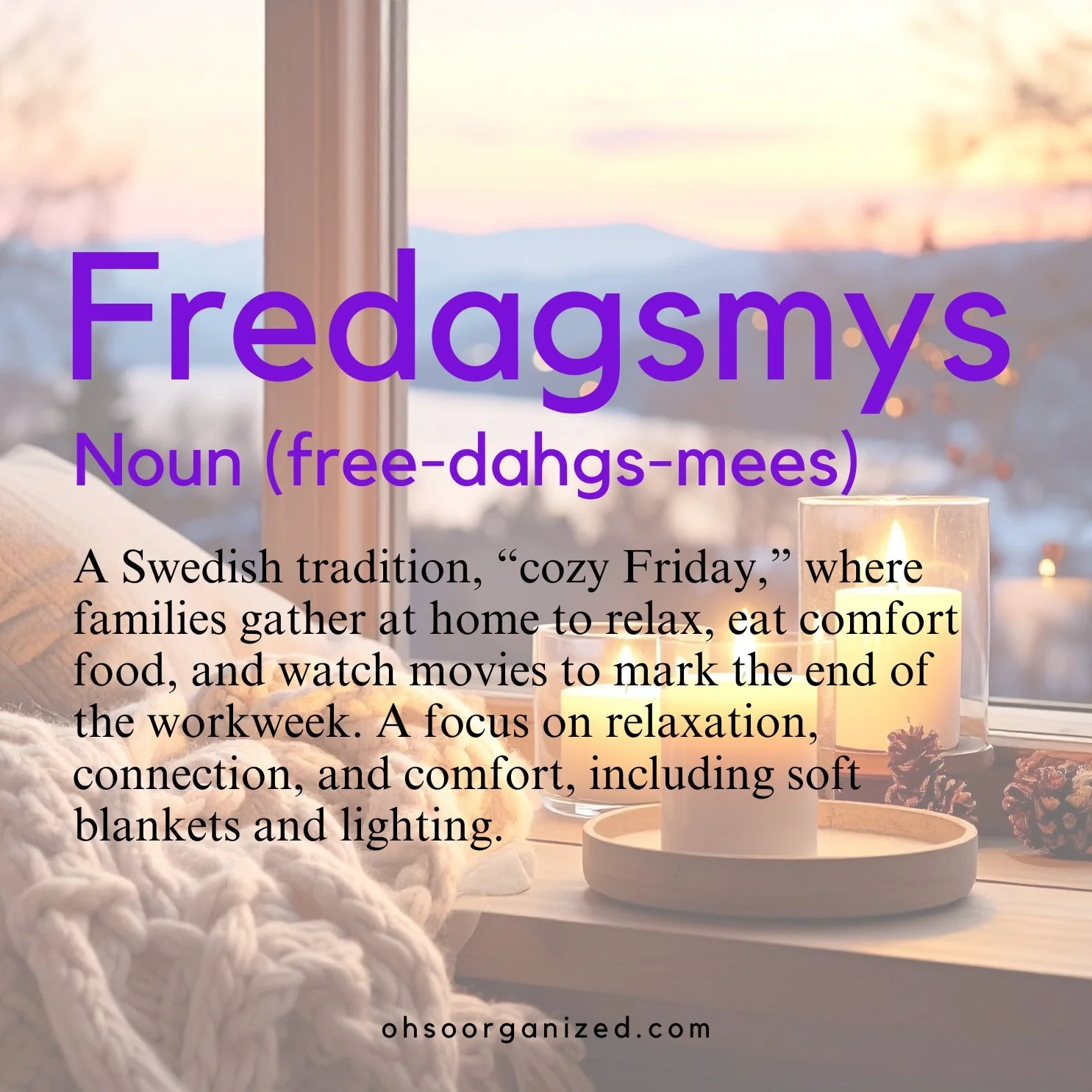
A recent Real Simple article featured a Swedish tradition called “fredagsmys” that beautifully encourages a balance between work and relaxation. The translation means “cozy Friday” or “Friday coziness.” This marks an intentional shift from the workweek to a relaxing weekend. Fredagsmys embodies connection, relaxation, and comfort. It is practiced by spending Friday night at home with your family or friends, watching movies, relaxing, eating, connecting, and being cozy with soft blankets and low lighting.

If you find yourself constantly pushing, adding some fredagsmys into your week could be the next step you need. But if that feels too big and challenging, find other smaller ways to build in rest and no-stress moments. Baby steps.

Before you know it, you’ll be ready for an entire night of relaxation, connection, and calm.


3. Interesting Product – Organized Next Step  

As the clocks just moved ahead an hour for the annual ‘spring forward,’ this signals that the season is about to change. Another sign is the greenery emerging from the ground. The plants are happy to see the light after being buried under piles of snow.

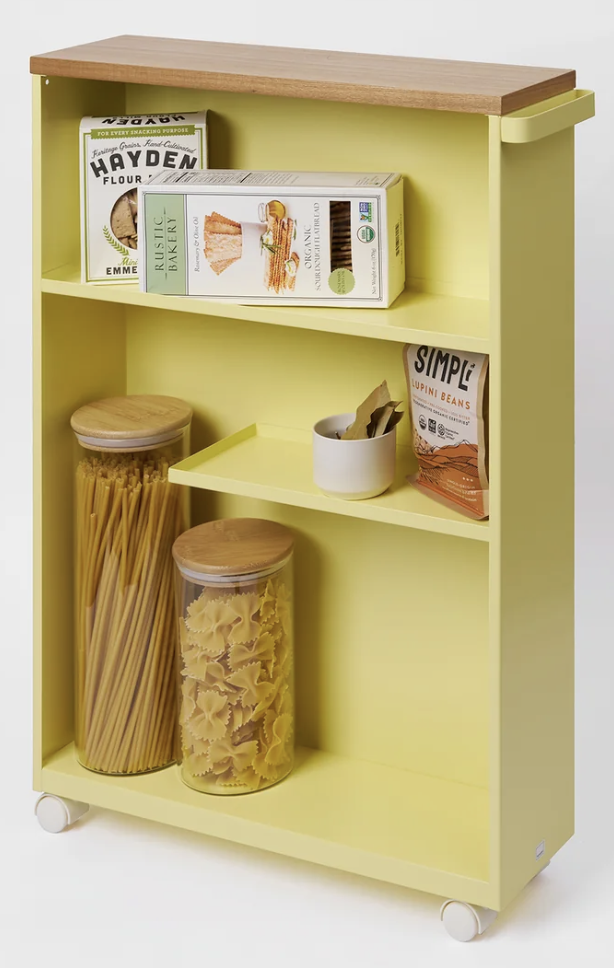
With that spring lens in mind, I came across this lovely butter-yellow or “yellow pear” steel rolling storage cart with a wood top. It’s a limited- edition collaborative design created by Yamazaki and Apartment Therapy.

If you need additional storage space with easy access for kitchen essentials like spices, oils, pasta, or snacks, this slim rolling cart (5” deep x 18” wide x 27” tall) will fit into the smallest spots.

This storage cart will make it easy and fun to organize your essentials.


You don’t exist to serve your space; your space exists to serve you.
— KC Davis, LPC

4. Interesting Resource – Capture Next Step

With over thirty years of helping clients declutter, let go, and get organized, I’ve seen firsthand how belongings hold meaning. This is one reason why letting go can be challenging.

Artifcts founder Heather Nickerson developed an app-based service that helps you record stories and memories about meaningful items and share them securely with loved ones. Documenting each item’s story can be key to letting go of the physical object.

The easy-to-use app helps you add photos, videos, audio recordings, and notes. You can document “what an item is, why it matters, and what should happen to it next.” This is an invaluable tool when you’re “organizing, downsizing, or planning your legacy.”

Heather’s inspiration for launching Artifcts came after her mother’s death. She inherited her mom’s possessions but really wanted to know the stories behind them. However, her mom was no longer there to share those stories. Artifcts helps you “preserve the meaning behind the objects that speak to who we are and where we’ve been.”

If you want your next step to include memorializing and letting go, this app is worth exploring.


5. Interesting Thought – Tiny Next Step

When your next step feels overwhelming, it might be too large. There are several ways to move forward. The first is to reduce the overwhelm. When you’re emotionally heightened, the amygdala takes over and blocks access to the thinking and action parts of the brain.

One strategy is to do some simple breathing.

  • Breathe in deeply through your nose.

  • Exhale through your mouth longer than the inhale.

  • Repeat that several times.

Your system will settle and calm, giving you the capacity to choose what happens next.

Once you’re in a less anxious state, take the next step by making it as small as possible. This helps prevent feeling overwhelmed. For example, instead of deciding that the next step is decluttering the entire kitchen, choose to declutter one corner of the kitchen counter. If that feels too overwhelming, focus on decluttering a small pile or simply removing items that are being routed elsewhere.

After completing that tiny step, you can choose to continue or stop. If you decide to do more, repeat the process and pick another tiny next step. Small and doable is better than big and paralyzing.


Next Step Options

When you want to move forward but feel stuck, what will help? There are many approaches and ways to consider next, as I shared with you.

Which of these discoveries resonates most? Do you have any next step ideas to add? I’d love to hear your thoughts and invite you to join the conversation.


How Can I Help?

Do you feel overwhelmed, stuck, or disorganized? Is figuring out your next step feeling elusive? I’m here to help. Virtual organizing is an extraordinary path forward – Local feel with a global reach.

Let’s talk. I’m easy to reach.

Moving forward and getting organized are possible, especially with support.
 
 
Here Are 5 Most Interesting and Best Happy Human Discoveries – v52

Enjoy the latest release (v52) of the “What’s Interesting?” series, which features my most recent finds that inform, inspire, and connect to organizing and life balance. These unique, wonderfully human discoveries reflect this month’s blog theme.

You are an engaged, vibrant, and generous group. I am deeply grateful for your ongoing presence, positive energy, and contributions to this community. I look forward to your participation and further contributions to the collection I’ve sourced.

What do you find interesting?


What’s Interesting? – 5 Best Happy Human Discoveries

1. Interesting Workshop – Human Organizing

Are you feeling burdened and overwhelmed by clutter or disorganization? If you answered, “yes,” you’re not alone.

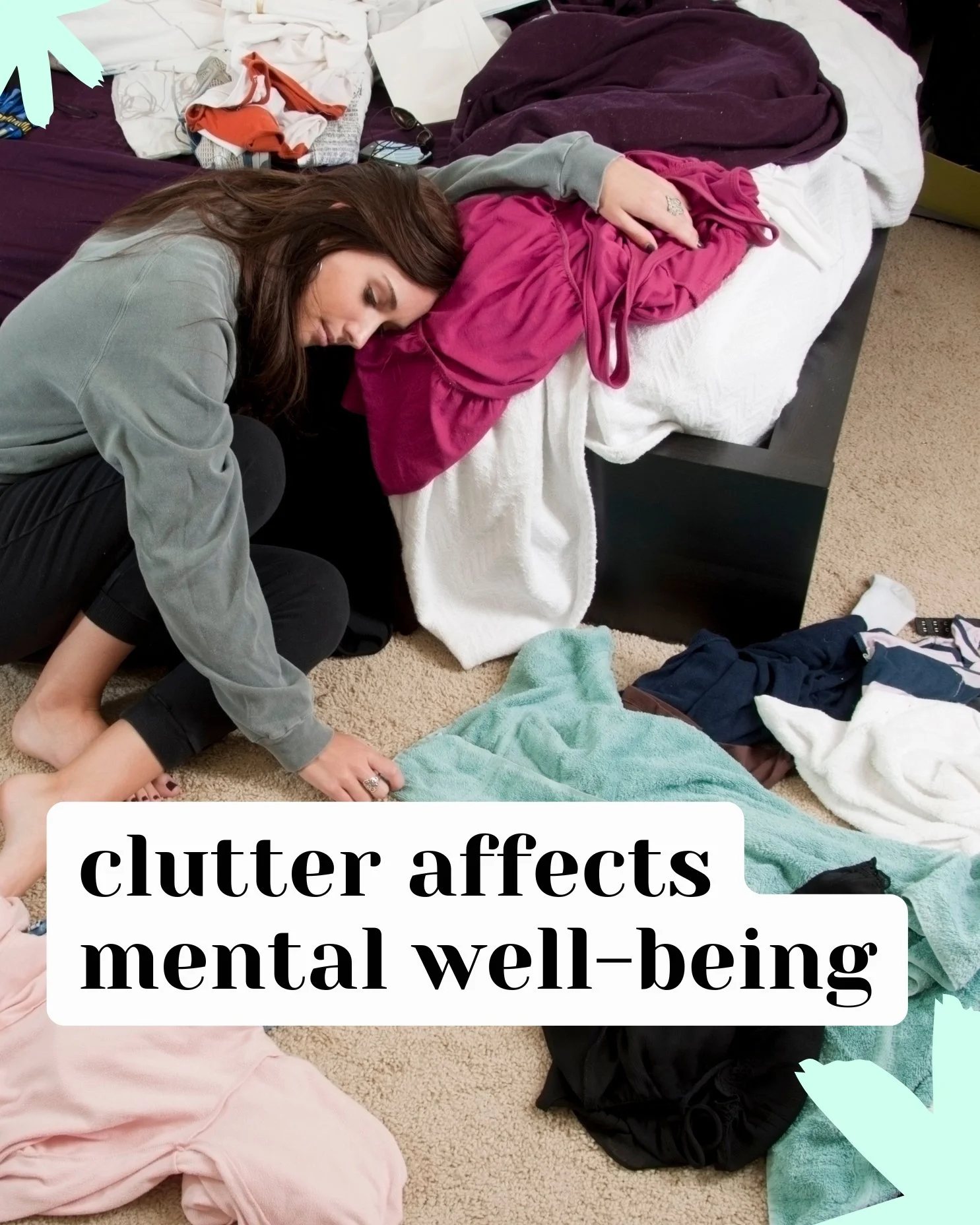
Research shows that cluttered spaces often contribute to stress, fatigue, anxiety, and even depression. But there’s good news—help is here!

If you’re ready to explore a kind, compassionate, and more human approach to decluttering and organizing, you’ll love this! Join me, Linda Samuels, Professional Organizer, for an engaging and transformative workshop7 Easy Ways to Practice Mindful Organizing.

One workshop with your choice of two dates:

  • December 2nd at 7:00-8:00pm Eastern or

  • December 4th at Noon-1:00pm Eastern

By the end of the one-hour Zoom workshop, you’ll have strategies for immediate change. You will:

  • Gain valuable insights about gentle organizing.

  • Learn seven mindful organizing practices.

  • Receive personalized support.

This is a great opportunity to prepare for the new year. When you bring more mindfulness and purpose to organizing, you can create calm, clarity, and breathing room. Reserve your spot today!


2. Interesting Resource – Human Helping

Last month, I went on a field trip with some of my Westchester NAPO Neighborhood group organizing colleagues to The Sharing Shelf in Port Chester, NY.

This remarkable nonprofit provides clothing, school supplies, and other essential necessities, including new socks, shoes, underwear, and hygiene products, to children and teens in Westchester County.

They offer a Wardrobe Pack, which includes a week’s worth of seasonally appropriate clothing tailored to a child’s needs. They also have a Teen Boutique, a free store where teens can “shop and select their own clothing with privacy and respect.”

The Sharing Shelf reports that children facing clothing insecurity “often miss school.” The research shows that “Nearly 14% of Westchester children are chronically absent from school, and clothing is one critical cause.”

Donations of new or gently used clothing in all sizes, from newborn to adult XXL, are accepted. Items should be clean and in good condition. Pieces that are stained or damaged will be sent to textile recycling. The Sharing Shelf has a Target registry and an Amazon wishlist, so you can order items they need.

When you bring more mindfulness and purpose to organizing, you can create calm, clarity, and breathing room.
— Linda Samuels, CPO-CD®, CVOP™


3. Interesting Read – Human Doing

You’ve probably heard of FOMO, the fear of missing out. Have you heard of the opposite, JOMO, which is the joy of missing out?

In The Joy of Missing Out – Living More by Doing Less, Tanya Dalton, a productivity expert, author, and speaker, discusses the overwhelm many women experience due to:

  • Striving to do too much

  • Inability to say no

  • Being unclear about priorities

  • Not knowing where to start

Tanya encourages a mindset shift, saying, “We have to begin finding the joy of missing out on that extra noise in our lives and instead find happiness in a life centered around what’s truly important to us.” She encourages us to “stop the glorification of busy” and to stop worrying that we’re not enough or are not doing enough.

In this four-step liveWELL Method, which Tanya developed for herself, she now uses it to help others create a blueprint for reclaiming their time and living the life they desire. The steps are:

  • Discovery – Identify your unique purpose, life priorities, and North Star.

  • Clarity – Align your projects and tasks with your goals and priorities.

  • Simplicity – Design systems that make your life easier, enabling you to manage it with less effort.

  • Harmony – Build upon the first three steps to create harmony and the life you love.

Tanya says, “We need to discover the priorities that are unique to us, but first we have to take hold of the truth: we must be willing to not have it all.”

We have to begin finding the joy of missing out on that extra noise in our lives and instead find happiness in a life centered around what’s truly important to us.
— Tanya Dalton

4. Interesting Product – Human Curating

One of my favorite things to organize is cabinet drawers. The more chaotic, the better. A disorganized drawer presents an opportunity to edit, organize, and create order. Why does it matter?

Imagine the feeling of opening a drawer and finding exactly what you need right when you need it. No more searching or stress. It’s a good feeling, and a time-saver, too.

Recently, my husband asked me for drawer organizers and a design for his desk drawer. I recommended these lovely gray open bins, Terra Recycled Drawer Organizers from The Container Store. They also come in white and a variety of sizes. I liked them so much that I purchased more to organize a drawer in our shoe cabinet.


5. Interesting Thought – Human Experiencing

Let’s face it. Life can be stressful and chaotic. You make plans, and things change. You start a project, and something goes wrong. Your schedule is packed with little or no downtime.

However, even knowing this, you can experience joy in everyday moments. Let yourself be open to those tiny, ordinary moments. They can replenish your reserves, reinforce your gratitude wells, and help you feel more alive in a uniquely human way.

What can these joy-infused moments feel or look like? There are a few I recently experienced:

  • Hearing a client acknowledge and feel positive about their progress.

  • Seeing the afternoon sun backlight the red and orange leaves as the gentle breeze moves them softly against the blue sky.

  • Holding hands with my husband.

  • Experiencing progress, completing projects, or making purposeful choices in the service of growth and change.

  • Taking the first flavorful bite of a new vegetarian chili recipe I just made, and it was delicious.

  • Feeling warm water pouring over me as I shower.

  • Seeing the autumn light fill the sky with a soft pink and orange glow.

  • Hearing the voices of my loved ones, seeing their faces, or hugging them.

  • Getting into bed at the end of a long day and feeling the comforting weight and softness of the bedding.


Human Organizing Experience

In a world flooded with AI, it’s important to keep the human connection strong and vibrant. I highlighted several ways to tap into your uniquely human qualities to improve organization, balance, gratitude, and generosity.

Which of these discoveries resonates most with you? Do you have any you’d like to add? I’d love to hear your thoughts and invite you to join the conversation.


How Can I Help?

Do you feel overwhelmed, stuck, or disorganized? I’m here to help. Virtual organizing is an extraordinary path forward – Local feel with a global reach.

Let’s talk. I’m easy to reach.

Getting organized is possible, especially with real human support.


Here Are 5 Most Interesting and Best Finding Help Discoveries – v51

Enjoy the latest release (v51) of the “What’s Interesting?” series, which features my most recent finds that inform, inspire, and relate to organizing and life balance. These unique enlisting help discoveries reflect this month’s blog theme.

You are an engaged, vibrant, and generous group. I am deeply grateful for your ongoing presence, positive energy, and contributions to this community. I look forward to your participation and additional contributions to the collection I’ve sourced.

What do you find interesting?


What’s Interesting? – 5 Best Finding Help Discoveries

1. Interesting Read – To Do Help

Do you have a project you’re procrastinating on or a to-do list that’s a mile long? Life requires you to get sh*t done. That’s all fine when you’re in the flow, checking off the ‘done’ tasks, and making progress. But what happens when you feel paralyzed before getting started or completing your goal?

In To Do – 41 Tools to Start, Stick With, and Finish Things, authors Mikael Krogerus and Roman Tschäppeler share many techniques to help you be more productive and fulfilled. They encourage you to choose the strategy that best fits your unique situation. Some will help enhance your work when you’re highly motivated, while other tools will give you the push you need to get started when you’re procrastinating.

They say, “…we don’t ‘get things done’ the same way every time. Sometimes we’re bursting with energy…at other times we falter, unsure if we’re on the right path, even questioning the whole project.”

Some of the techniques covered include:

  • The Pomodoro Technique – Use focused, time-limited ‘work’ sessions, which help you “avoid distractions and get started on something.”

  • Rapid Prototyping – Apply the approach for building models or prototypes to your tasks. Focus on “good enough,” release perfection, solicit input as needed, and make adjustments as needed.

  • Kanban – Use this tool when you experience “to-do overload.” It’s a visual method to clarify “what you’re planning to do, what you’re doing right now, and what you’ve already done.”

  • The 5-Second Rule – Use it when you need help with “activation energy.” Do a simple “countdown: 5, 4, 3, 2, 1 … and do the right thing.”

  • The 5/25 Rule – This tool helps you identify the five most important goals you want to achieve in life and let go of the other twenty you won't have time for.

  • The Law of Reversed Effort – Apply this approach when your goal feels like an obstacle. Instead of chasing that goal now, let it go and focus your attention on something else. After at least six months, revisit your goal to decide if you still want to pursue it, or if there’s another way to accomplish it.

Which task or project are you currently stuck on?


2. Interesting Resource – Repair Help

Living in a “throwaway culture” means that repairing broken items happens less frequently. People often prefer the convenience of buying something new, rather than fixing what’s broken. Also, since getting broken things fixed isn’t as easy as it once was, discarding and buying something new can seem like the only option.

However, if you are committed to keeping things out of landfills and getting more use out of your stuff, I have some good news. A client of mine recently shared this resource with me, and I couldn’t wait to tell you about it.

Repair Cafe community events happen locally and internationally. Bring your broken item, and a volunteer repair coach will help you fix it. Not only will your belongings get repaired, but you’ll also gain hands-on experience.

Repair coaches can help fix a variety of items, including lamps, clocks, chairs, small appliances, digital devices, clothing, textiles, toys, jewelry, and more.

The next time something breaks, consider seeking help and engaging in the repair revolution.

Which of your things could be repaired?

Asking for help is valuable and shows strength, not weakness.
— Linda Samuels, CPO-CD®, CVOP™


3. Interesting Study – Activation Help

Several years ago, Real Simple published an article about clever ways to increase your energy. One of the suggestions was to “shake up your routine.” They referenced a brain study in Nature Communications. The experiment found that when the nucleus accumbens, the part of the brain linked to motivation and pleasure, isn’t stimulated in a particular way, a signal is sent that causes drowsiness.

Alice Boyes, PhD, author of The Healthy Mind Toolkit, said, Changing your routine in the tiniest ways can have an effect on sluggishness.” The routine shift can also “spark creativity.” Small changes can include “Rearrange the furniture. Sit somewhere different. Pour the milk into the bowl before your cereal.”

Are you feeling tired and struggling to activate? If so, what small change can you make to your routine?


Life requires you to get sh*t done.
— Linda Samuels, CPO-CD®, CVOP™


4. Interesting Product – Storage Help

One of my favorite organizing tools is the mesh zipper bag. They are:

  • Versatile

  • Lightweight

  • Durable

  • Colorful

  • Affordable

The bags featured here have handles, making them even easier to carry. You can use them to store books, puzzle pieces, small toys, board games, craft projects, office supplies, papers, and more. Use these pouches at school, home, office, or while traveling.

What could you store in your mesh bags?


5. Interesting Thought – Getting Help

Do you ask for help when you’re stuck, or do you tend to remain stuck and frustrated on your own?

It’s remarkable how much progress and growth can occur when you find the right support. Asking for help is valuable and shows strength, not weakness.

Everyone needs assistance at times, especially if you’re:

What kind of help do you need right now?


Finding the Right Help

Sure, you can go it alone. However, there are times when reaching out for help can make an enormous difference to your sanity and progress. It’s worth creating a go-to list of people, strategies, and product resources to support you in pursuing your goals and tackling tasks. That way, you won’t have to struggle by yourself.

Who or what is your favorite source of support? Which of these discoveries resonates most with you? I’d love to hear your thoughts and invite you to join the conversation.


How Can I Help?

Do you feel overwhelmed, stuck, or disorganized? I’m here to help. Virtual organizing is an extraordinary path forward – Local feel with a global reach.

Let’s talk. I’m easy to reach.

Getting organized is possible, especially with support.
 
 
Here Are 5 Most Interesting and Best Time Management Discoveries - v50

Enjoy the latest release (v50) of the “What’s Interesting?” series, which features my most recent finds that inform, inspire, and relate to organizing and life balance. These unique time management discoveries reflect this month’s blog theme.

You are an engaged, vibrant, and generous group. I am deeply grateful for your ongoing presence, positive energy, and contributions to this community. I look forward to your participation and additional contributions to the collection I’ve sourced.

What do you find interesting?


What’s Interesting? – 5 Best Time Management Discoveries

1. Interesting Read – Productivity Time

Do you or someone you know have ADHD and struggle with productivity, consistency, and punctuality? If so, you’ll love the latest book by psychologist, author, presenter, and thought-leader, Ari Tuckman, PsyD, MBA.

He draws on his 40,000 hours of client work to share strategies and insights on how people with ADHD can get things done.

In The ADHD Productivity Manual, Ari explores thirty-six areas that affect productivity for individuals with ADHD. Topics include:

  • How ADHD makes it harder to see time

  • Essentials for making the most of your brain

  • Clarifying your goals

  • Minimizing distractions

  • Letting go of perfection

  • Navigating feelings of overwhelm

Ari says, “The obvious goal of this book is to help you get more done. The less obvious, but more important goal is that I want you to feel good about yourself.” He goes on to say that “ADHD is a disorder of converting intentions into actions. This book is all about action.”


2. Interesting Article – Timeboxing

Have you ever tried timeboxing? In Rebecca Muller’s Thrive Global article, “Try This Now: ‘Timebox’ Your Tasks at Work,” she makes the case for using this visualization exercise to help you prioritize and focus on which tasks to tackle first and which can wait. This approach can be especially beneficial when you feel overwhelmed and stressed by a lengthy to-do list.

Here is one method to timebox:

  • Grab a sheet of paper

  • Draw a column of boxes

  • Put each task in a box based on its priority level

You will quickly visualize which items require immediate attention and which are non-urgent. Muller quotes Marc Zao-Sanders in a Harvard Business Review piece. Zao-Sanders says about timeboxing, “It’s visual, intuitive, and obvious.”

In what ways could timeboxing be an effective strategy for you?


3. Interesting Product – Grounding Time

Busy schedules, excessive stress, and uncertainty can leave you feeling emotionally depleted and anxious. Does your day involve pushing yourself to the point of exhaustion? If so, it’s vital to restore your well-being by taking time to ground and calm yourself.

There are various ways to accomplish this, such as meditating, taking nature walks, journaling, talking with a loved one, slowly sipping a beverage, or gazing out the window.

Another idea is to use a time reminder for grounding. I found this adorable stress reliever made by Mindsight. The six-inch-tall Breathing Buddha helps you practice mindful breathing in short sprints. It features a simple visual soft light for guidance, pre-set breathing cycles, is rechargeable, and is portable.

What helps you feel relaxed and grounded?


It’s vital to restore your well-being by taking time to ground and calm yourself.
— Linda Samuels, CPO-CD®, CVOP™


4. Interesting Resource – Laugh Break Time

While life isn’t all puppies and rainbows, there’s something life-affirming about taking time for silly, joy-inducing moments. One way to do that is through laughter.

When was the last time you had a good laugh? I’m talking about full-body, uncontrollable, contagious laughter. Maybe you saw a comedian, heard a great joke, or watched a funny movie. Something tickled your giggle motor, and the laughter began.

By the way, if you haven’t seen the movie “Bad Shabbos,” I highly recommend it. I laughed so hard that my face hurt.

On a recent trip with my wonderful husband, Steve, we stopped at the Whispering Oaks Vineyard in Sunbury, PA. I gazed at the lush green landscape and sipped a delicious frozen wine slushy, which has become my new favorite drink. Then we shared this playful moment.

Steve started laughing, and I couldn’t help but join in. It makes me laugh every time I watch the video, and it reminds me of how essential laughter breaks are in life. While I recognize how personal humor can be, I hope this short clip brings a little lightness to your day.

What makes you laugh?


5. Interesting Thought – Progress Time

It’s easy to get discouraged when you are making changes or striving for a larger goal. The secret to moving forward and boosting motivation hinges on redefining progress.

Break large projects into smaller, manageable, and accomplishable parts. Celebrate the progress you are making with each action, even if that means simply acknowledging it. Keep going until you achieve the results you want.

A puzzle consists of many pieces. Each piece serves a role in creating the complete picture. Completion occurs by finding and placing one puzzle piece at a time. Likewise, achieving your goals happens through small actions that support progress.

What will you make progress on today?


Making the Most of Your Time

Each person receives the gift of 24 hours a day. It’s up to you to decide how you want to use your days, what you will prioritize, and what you will put on hold or release.

How can you manage your time better? What is one thing you could change that would make a significant and positive difference? Which of these discoveries resonates most with you? I’d love to hear your thoughts and invite you to join the conversation.


How Can I Help?

Do you want support to get unstuck, become organized, and utilize your time more effectively? I’m here to help. Virtual organizing is an extraordinary path forward – local feel with global reach.

Please email me at linda@ohsorganized.com, call 914-271-5673, or schedule a Discovery Call. Change is possible, especially with support.