

Posts tagged work
Here Are 5 Most Interesting and Best Next Step Discoveries - v54

Enjoy the latest edition (v54) of the “What’s Interesting?” series, which features my most recent finds that inspire, spark curiosity, and relate to organizing and life balance. These unique next step discoveries reflect this month’s blog theme.

You are an engaged, vibrant, and generous group. I am deeply grateful for your ongoing presence, positive energy, and contributions to this community. I look forward to your participation and further contributions to this curated collection.

What do you find interesting?


What’s Interesting? – 5 Best Next Step Discoveries

1. Interesting Read – Compassionate Next Step
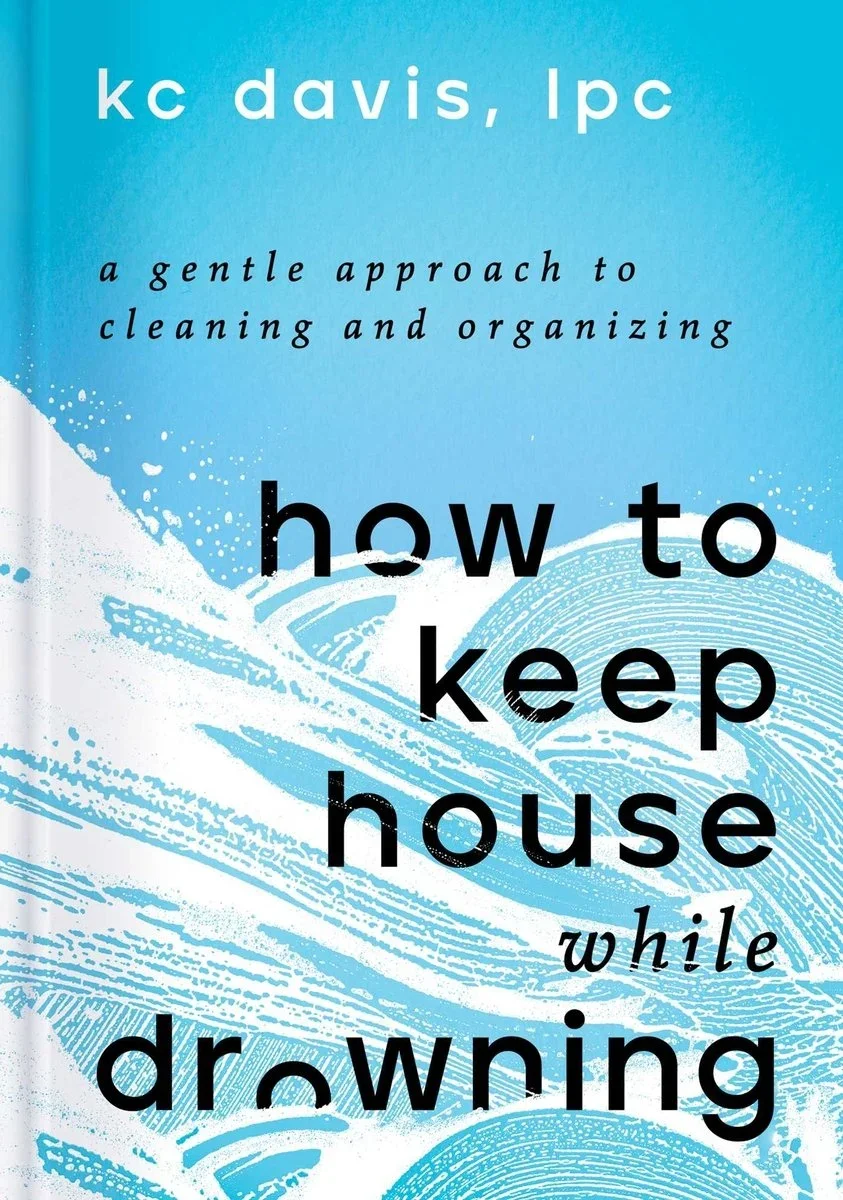
Recently, a client shared with me a book she was reading, How to Keep House While Drowning – A Gentle Approach to Cleaning and Organizing by therapist, author, podcaster, and speaker KC Davis, LPC. I was curious, so I read it, too.

The ideas resonated deeply with my client, who appreciated the realistic, kind approach to organizing and care tasks that encouraged gentle next steps. One of KC’s philosophies is “You don’t exist to serve your space; your space exists to serve you.”

How often do you feel like your stuff is running you? KC helps shift the perspective and offers advice for “how to care for ourselves when we feel like we are drowning.”

From practical organizing and cleaning tips to kinder self-talk, KC shares personal experiences of what has worked for her and others. She describes care tasks (laundry, cooking, cleaning, organizing, etc.) as neutral rather than a moral failing, even when they challenge you.

KC describes her own perspective shift and says, “Let me tell you what the mess in my home means. It means I’m alive. Dirty dishes mean I’ve fed myself. Scattered hobby supplies mean I am creative. Scattered toys and mess mean I am a fun mom…And occasionally, mess means I’m struggling with depression or stress. But those aren’t moral failings either, and neither is that moldy coffee cup I keep not taking to the kitchen.”

A few additional reframes KC offers include:

  • “Chores > care tasks”

  • “Chores are obligations. Care tasks are kindness to self.”

  • “Cleaning > resetting the space.”

  • “Cleaning is endless. Resetting the space has a goal.”

  • “It’s so messy in here! > this space has reached the end of its functional cycle.”

Filled with personal struggles and compassionate solutions, KC guides us on a journey toward reducing self-criticism and guilt, and finding more peace at home, one step at a time.


2. Interesting Perspective – Restful Next Step
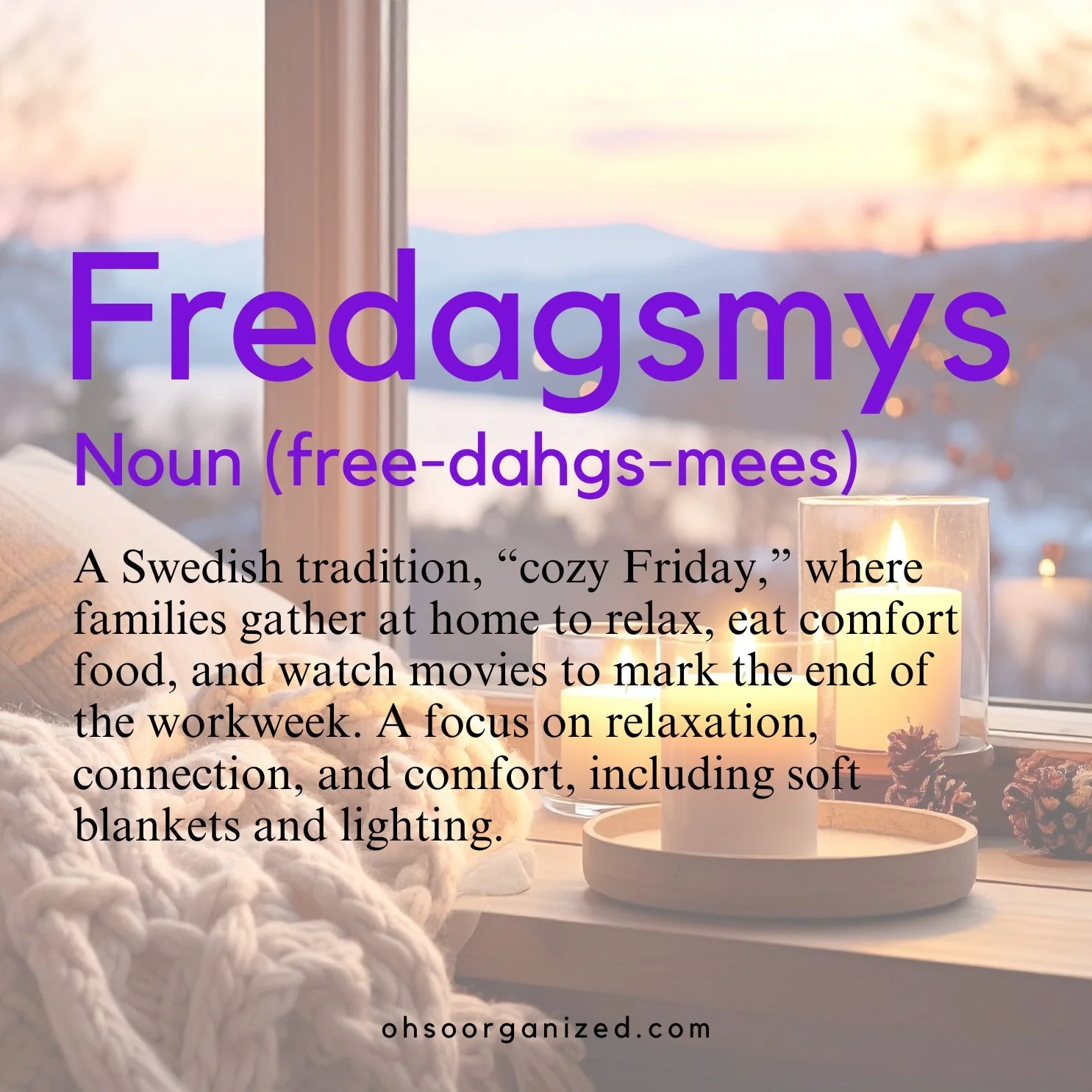
It’s easy to overlook your needs. Do you find yourself pushing, doing, scheduling, organizing, and constantly in motion? There is a reason we call ourselves human beings, not human doings. ‘Being’ involves both action and rest.

A recent Real Simple article featured a Swedish tradition called “fredagsmys” that beautifully encourages a balance between work and relaxation. The translation means “cozy Friday” or “Friday coziness.” This marks an intentional shift from the workweek to a relaxing weekend. Fredagsmys embodies connection, relaxation, and comfort. It is practiced by spending Friday night at home with your family or friends, watching movies, relaxing, eating, connecting, and being cozy with soft blankets and low lighting.

If you find yourself constantly pushing, adding some fredagsmys into your week could be the next step you need. But if that feels too big and challenging, find other smaller ways to build in rest and no-stress moments. Baby steps.

Before you know it, you’ll be ready for an entire night of relaxation, connection, and calm.


3. Interesting Product – Organized Next Step  
As the clocks just moved ahead an hour for the annual ‘spring forward,’ this signals that the season is about to change. Another sign is the greenery emerging from the ground. The plants are happy to see the light after being buried under piles of snow.

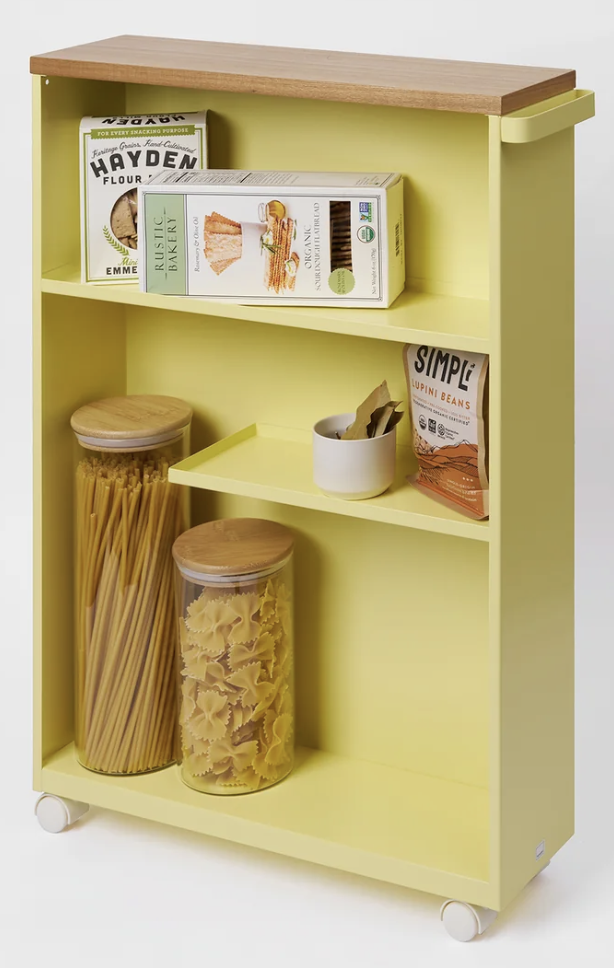
With that spring lens in mind, I came across this lovely butter-yellow or “yellow pear” steel rolling storage cart with a wood top. It’s a limited- edition collaborative design created by Yamazaki and Apartment Therapy.

If you need additional storage space with easy access for kitchen essentials like spices, oils, pasta, or snacks, this slim rolling cart (5” deep x 18” wide x 27” tall) will fit into the smallest spots.

This storage cart will make it easy and fun to organize your essentials.


You don’t exist to serve your space; your space exists to serve you.
— KC Davis, LPC

4. Interesting Resource – Capture Next Step

With over thirty years of helping clients declutter, let go, and get organized, I’ve seen firsthand how belongings hold meaning. This is one reason why letting go can be challenging.

Artifcts founder Heather Nickerson developed an app-based service that helps you record stories and memories about meaningful items and share them securely with loved ones. Documenting each item’s story can be key to letting go of the physical object.

The easy-to-use app helps you add photos, videos, audio recordings, and notes. You can document “what an item is, why it matters, and what should happen to it next.” This is an invaluable tool when you’re “organizing, downsizing, or planning your legacy.”

Heather’s inspiration for launching Artifcts came after her mother’s death. She inherited her mom’s possessions but really wanted to know the stories behind them. However, her mom was no longer there to share those stories. Artifcts helps you “preserve the meaning behind the objects that speak to who we are and where we’ve been.”

If you want your next step to include memorializing and letting go, this app is worth exploring.


5. Interesting Thought – Tiny Next Step
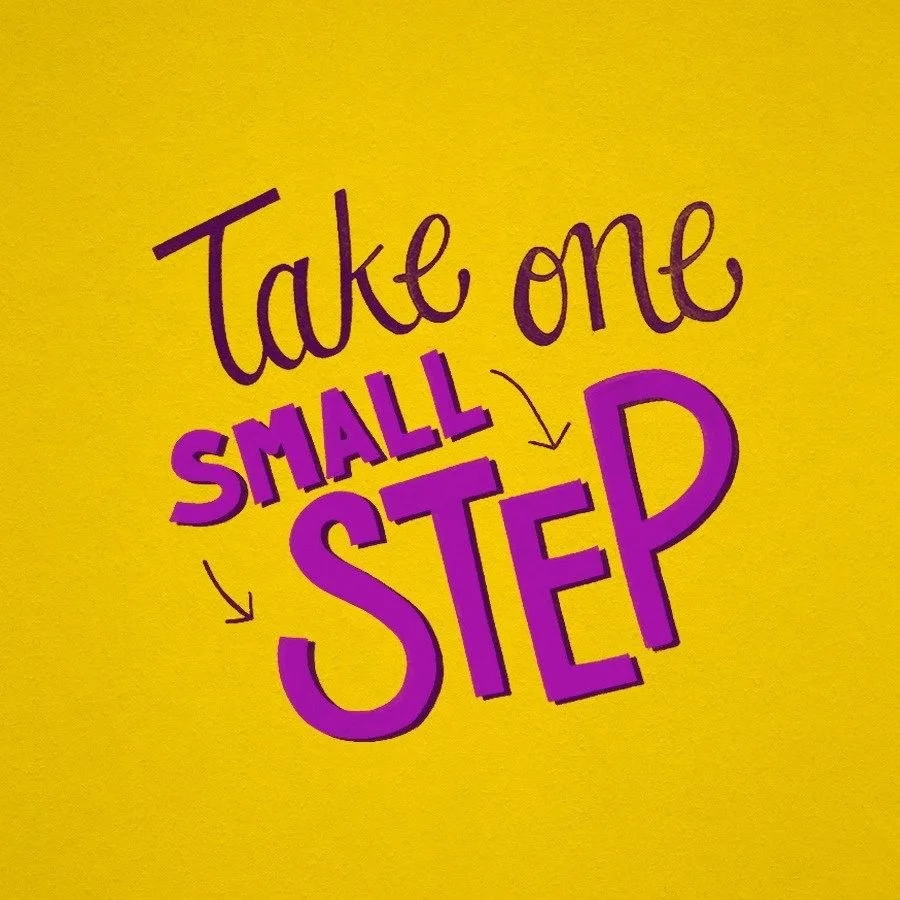
When your next step feels overwhelming, it might be too large. There are several ways to move forward. The first is to reduce the overwhelm. When you’re emotionally heightened, the amygdala takes over and blocks access to the thinking and action parts of the brain.

One strategy is to do some simple breathing.

  • Breathe in deeply through your nose.

  • Exhale through your mouth longer than the inhale.

  • Repeat that several times.

Your system will settle and calm, giving you the capacity to choose what happens next.

Once you’re in a less anxious state, take the next step by making it as small as possible. This helps prevent feeling overwhelmed. For example, instead of deciding that the next step is decluttering the entire kitchen, choose to declutter one corner of the kitchen counter. If that feels too overwhelming, focus on decluttering a small pile or simply removing items that are being routed elsewhere.

After completing that tiny step, you can choose to continue or stop. If you decide to do more, repeat the process and pick another tiny next step. Small and doable is better than big and paralyzing.


Next Step Options

When you want to move forward but feel stuck, what will help? There are many approaches and ways to consider next, as I shared with you.

Which of these discoveries resonates most? Do you have any next step ideas to add? I’d love to hear your thoughts and invite you to join the conversation.


How Can I Help?

Do you feel overwhelmed, stuck, or disorganized? Is figuring out your next step feeling elusive? I’m here to help. Virtual organizing is an extraordinary path forward – Local feel with a global reach.

Let’s talk. I’m easy to reach.

Moving forward and getting organized are possible, especially with support.


Vibrant New Year Brings Fresh Starts, Young Blooms, and Welcome Perspectives

The start of a new year can feel hopeful. It’s a chance to try new things, set your goals, adopt healthier habits, and lean into the fresh-start energy the new year brings.

Unlike the end of the year, when you might have been working furiously to complete those last few projects or tasks, January feels different. It’s like a blank journal. There are no entries yet, only possibilities. The story has time to unfold and be written.

Here are some questions to consider as you write your story:

  • What will your pages include?

  • Do you foresee challenges?

  • Are you picturing successes?

  • What are you looking forward to?

  • What do you want to invite in?  

  • What do you want to let go of?

  • What projects, plans, travel, or gatherings will be included?

  • Will your year bring growth, stability, change, or something else?


Fresh Starts

I’m still working through my year-long planning process, which has evolved over time. Some years it has been more involved than others. Last year, my plan was almost non-existent. I was under a tight deadline from the end of December into January. The project completion overlapped with the time I typically use to review and plan. By the time I came up for air, I opted to forgo the ‘planning gymnastics’ I usually do and simply let go. Instead of intensive reviewing and future-thinking, I let the days flow.

This year, however, I returned to reviewing and planning because I missed doing it. I’m taking note of the more casual process from last year and layering it over this one. I don’t want to make the planning process burdensome or too elaborate, as it has felt in the past.

I’m gifting myself time to review and prepare at a non-pressured pace. The process involves several tasks, which include:

  • Review Last Year’s Calendar – This section is complete. I noted workshops given, major projects, day trips and vacations, gatherings hosted, conferences and meetings, learning experiences, volunteer activities, and time with family, friends, and clients.

    What I observed: There was a good balance between work, play, and volunteering, alone and people time, and home and away time.


  • Revisit Previous Planning Tools – Already completed. I reviewed my goals and planning materials from past years. It was fun to see what information I captured, whether it was helpful, what goals I set, and which goals were relevant to bring forward. One thing I definitely want for this year is to simplify my process.

    What I observed: There is value in reviewing and capturing those observations in a visual format. It’s also useful to change things up so the process doesn’t feel stale.


  • Look at iPhone Photos – With a few projects I worked on at the end of last year, I already did a quick pass through the photo library. However, I want to take a longer look so I can “feel” and understand the year visually.

    What I observed: I love taking photos, as evidenced by the volume of images and videos I have taken. These images capture the sights and sounds of nature, people, places, and events. They also feature saturated color, light, shadow, and many close-up details.


  • Read Journal – Reread last year’s entries to identify patterns, significant events, lessons learned, challenges, successes, and the general mood or feeling for the year.


  • Three Things Reflection – Fill out the questions adapted from The Compass Journal. This is one of the tools I’ve used for years and didn’t do last year. I missed it, so I’m working through it again this year. I’m partly done, but I want to read my journal first to help me complete this exercise.

  • Select Word or Motto of the Year – This is another exercise I let go of last year. I opted not to choose a word and settled on a motto only. I liked the 2024 motto, “You got this,” so much that I repeated it for 2025. However, for 2026, I want something new. I compiled a list of potential words and motto options. Nothing is quite right yet, so I’ll let those simmer a while longer before I commit. I’m still uncertain whether I’ll choose a word and a motto, or just one.

Lean into the fresh-start energy the new year brings.
— Linda Samuels, CPO-CD®, CVOP™

Young Blooms

Recently, I received a lovely gift—a jar with a hyacinth bulb in water. My friend told me it would thrive indoors as long as I gave it sun and kept it watered. Weeks passed, and finally the milky-white blooms began to open.

It felt quite magical. One day, they were invisible, and the next, they were in full view. Since then, I’ve been enjoying their perfumey fragrance and the unfolding of more blooms.

What a beautiful analogy for this new year. Tend to your garden. Water it. Give it the nourishment it needs. Your blooms will arrive, bringing wonder, joy, and growth.


Welcome Perspectives

One value of embracing a clean slate is the openness it brings. Instead of superimposing your familiar thought patterns, habits, or conventions on the clutter, you have an opportunity to see things in a new way. The vastness gives us space for a different perspective.

Especially if you’ve been feeling stuck or overwhelmed, having space to see things in a new way is helpful. You can sort things out on your own or ask a trusted source for help.

Several weeks ago, Todd Henry posed this question, which I thought could be helpful for you. He asked,

“What problem are you wrestling with solo that would benefit from outside input or perspective this week?”

Design the year you envision. And if you’re stuck, reach out for help. You don’t have to go this alone.


What Will Your New Year Be Like?

There are many ways to make the most of the new year. I shared a few ways to craft your year. Do any of these resonate with you? What is your process for designing your year? Are you doing anything differently this year?

I’d love to hear your thoughts. I invite you to join the conversation.


How Can I Help?

Do you feel overwhelmed, disorganized, or stressed? Would you like to make changes this year? I’m here to help! Virtual organizing is an extraordinary path forward – Local feel with a global reach.

Let’s connect! I’m easy to reach.

Getting organized and making changes are possible, especially with support.

 
 
3 Ways to Joyfully Prepare for a Compassionate Holiday Season

Are you feeling the fast whoosh of time passing with the holiday season arriving, the elections looming, and the year ending? It’s a lot to take in. You may feel overwhelmed. Perhaps you’re thinking about what goals you wanted to accomplish this year, the time left to do it, and what is actually possible.

Maybe your thoughts are occupied with ‘regular’ life maintenance to-dos plus hundreds of holiday-related tasks, including gift shopping, holiday meal prepping, guestroom readying, travel planning, and family and friends’ gatherings.

Breathe. You’re human, and you’re juggling many things.

I often say that life is in the joyful doing and presence of the moment. And while that’s all well and good, when you’re stressed and overwhelmed, accessing that presence can be more challenging.

With so much going on with work and family, externally and internally, this time of year, making tiny adjustments is helpful. Infusing compassion and mindfulness into your thoughts and actions will encourage a more joyful, fulfilling, and happier holiday season.

I offer you a thought, question, and strategy to help.


3 Ways to Prepare for a Compassionate Holiday Season

1. One Thought: “We don’t have to be perfect.”

Let’s remove the idea of perfection from the holiday season. Why impose more pressure, stress, or unrealistic expectations on yourself or others?

Try channeling your perfectionism energy differently. Focus your energy on one of these options instead:

As the Noom app said about overcoming thought distortions, “…it’s about recognizing that we don’t have to be perfect. We’re human.”

Which reframe of perfectionism (one suggested or something else) is helpful for you?

Breathe. You’re human, and you’re juggling many things.
— Linda Samuels, CPO-CD®, CVOP™

2. One Question: “Am I putting myself in good positions and creating the conditions for success?”

One of my favorite recent discoveries is James Clear’s weekly 3-2-1 email, which my client told me about. The idea he wrote about last month feels relevant and worth sharing.

Clear wrote, “Forget about the outcome and focus on what precedes it.” He asks, “Am I putting myself in good positions and creating the conditions for success?”

Consider Clear’s question in the context of which actions and thoughts you can focus on to create a joyful, compassion-filled holiday season. They might include:

What will you choose to focus on to create a positive holiday season?

We don’t have to be perfect.
— James Clear

3. One Strategy: “Accept help.”

Do you tend to do everything yourself? Perhaps you don’t want to impose on others. Or, Seth Godin suggests you might think, “Doing the tasks is more efficient than coordinating the help.” Either philosophy results in you doing all the work, which can lead to resentment and exhaustion. Neither of those is a recipe for happy holidays.

Whatever the season, enlisting and accepting help improves your life. We’re human and benefit from the support and interactions with others. What type of help will benefit your life and infuse more ease? Who can you ask for help? How will that change your experience? If you’re having guests over and they offer to help, lean in and say “Yes.” Have tasks ready to delegate. It will make them feel comfortable and reduce pressure from your list.

Godin says, “It’s much more productive to accept help. When we have a project, part of the work is to enlist others in figuring out how to make the change we seek.”

Let me know if you’re stressed and need a thought partner, decluttering and organizing guide, planning help, or accountability buddy. In my virtual organizing sessions, I offer one-hour focused sessions, ongoing support, and personalized guidance to help you with your goals and challenges. I’m available and am ready to help.


Human Holiday

Do you know the 1953 movie Roman Holiday, starring Audrey Hepburn and Gregory Peck? This season, I encourage you to embody a Human Holiday.

  • Let go of what you can.

  • Invite in what you want.

  • Enlist the help you need.

For a less stressful and happier holiday season and beyond, I’m here to help. Please schedule a Discovery Call, email me at linda@ohsorganized.com, or call 914-271-5673. Organization and ease are possible, especially with support.

New Exciting Bedroom Fun Look Transformation: From Possibility to Reality

It’s a funny thing about possibilities. Dreaming and imagining are part of a possibility-thinking process. Simultaneously, angst, ambivalence, or uncertainty can also be present. Why is that?

You understand and live your current reality. It may not be how you want it, but it’s familiar. Thinking about alternatives can be thrilling, anxiety-producing, or scary. Change requires time, attention, and resources, which you might or might not have.

Something happened to me recently. Who knew a seemingly simple guest bedroom renovation and organizing project would be such an emotional, satisfying, liberating, and poignant experience?

For years, I wanted to reimagine our guest bedroom. Initially, the room was my art studio and office. After our first daughter, Allison, was born, it became her bedroom. When her sister, Cassie, was born, it became their shared space, “the girls’ room.” Fast-forward to them leaving for college, and it turned into a guest room. However, while I made a few minor changes after they left, I never altered the wall colors, window treatments, or closet.

The girls said, “Mom, you can change the room any way you want. It’s OK.” They repeated this message to me for years. The kids had moved on and kept encouraging me to, too. However, part of me wasn’t ready to let go of certain remnants of their living-at-home years. How could I paint over Allison’s murals or cover up the pencil growth chart markings? Also, I didn’t have the mental bandwidth to figure out how I wanted the room to be until now.


Possibilities Meet the Moment

What shifted? We had other home improvement projects happening, and I knew that the guest room’s time had come. My motivation to make this change was heightened. I didn’t want another year to pass without completing this goal. I was finally ready to turn possibilities into reality.


9 Phases of the Guest Bedroom Project

  • Imagine – Envision the possibilities. What do I want the room to look and feel like? How can I make it comfortable for guests and also include functional storage? What will the color scheme be? Can I refer to old vision boards or other visual inspiration sources?

  • Plan – Think through the process. How much time do I need to complete this project? Where can we (my husband, Steve, and I) carve out time in our schedule to work on this? How much of this project can we do ourselves? How much outside help do we need? Should we rip out and install a new closet interior or only paint the existing one?

  • Gather Resources – Identify vendors and resources. Which vendors can I use for painting and construction, purchasing blinds, framing, buying furniture, and redoing the closet? Which vendors are best for buying organizing containers and other products?

  • Budget – Determine the costs. What estimates do I need to get? What will different parts of the project cost (painting, furniture, headboard, bedding, blinds, closet, bins)? What is our overall budget?

  • Empty – Prepare the space for transformation. What must be removed from the room to prepare for painting and construction, and when can we empty it? How can I prepare emotionally for the temporary chaos and disruption?

  • Renovate – Do the work. How many days will the painter need to prepare, demo the closet, patch, and paint? After the room is painted and before we return the contents, when can Steve install the new Elfa® closet? When can Steve install the new window blinds?

  • Edit – Make decisions about room contents. Which items can I let go of by selling, donating, tossing, or giving away? Which things will return to the room? Which items need to be replaced? Which items belong elsewhere?

  • Organize – Return ‘keepers’ in an organized way. How will the contents be organized back into the room? Which items will need new storage containers? Do they need labels?

  • Finish – Complete the final touches. When will all furniture, lights, books, memorabilia, and games be returned to the room? Which bedding will I use? When can we hang the pictures, mount the wall hooks, and add the door stop? When will I consider the room done?


Emotional Surprises

When we emptied the room to prepare for the painter, I was surprised by how emotional I felt. I was physically handling boxes of the kiddos’ memorabilia, photo albums, books, games, and art. Touching, moving, and looking at objects from the past stirred up many emotions. I felt a powerful combination of gratitude, sadness, joy, and love.

I saw photos and objects from the past. Some images were of loved ones who are no longer alive. I looked at the kids’ art, writings, and school projects. I marveled at our detailed records of the milestones and everyday experiences. It was a journey of emotions as I reflected and remembered the beautiful years we spent raising our daughters.

Even when the room was empty, I could feel the love reverberating within its walls. Cherished memories traveled through time and space, which filled my heart and mind.

Bringing possibilities to fruition is gratifying.
— Linda Samuels, CPO-CD®, CVOP™

Practicing Flexibility

During the project, I remained flexible about my options, which was helpful. When a room's contents are removed, many unanticipated things can happen. Gifting yourself the flexibility to make new or different choices is beneficial.

  • Closet – The closet required some thought. Do we paint the existing closet or rip it out to install a new one? It would cost more to have a new closet interior. However, time-wise, it seemed most practical to redo it now. Plus, we would gain more storage space.

  • Furniture – After emptying the room, we liked how spacious it felt with less. While we intended to return the desk, we realized it was unnecessary and took up too much space. I’m letting go of the desk.

  • Art – After emptying the room and painting the interior, Allison’s murals and other framed art were no longer visible. With blank walls, I reimagined the space. We decided to have more blank wall space and only hang a few pieces, including a new one. I printed and framed one of the landscape photos I had taken in the Finger Lakes.

  • Memorabilia – I texted the kiddos photos and asked what they wanted to keep. I respected their responses and either let go or kept things accordingly. I also shared several pictures of their projects, writings, and other memorabilia I thought they’d get a kick out of seeing.


9 Lessons Learned

  • Imagining possibilities is fun and creative.

  • Bringing possibilities to fruition is gratifying.

  • Change is refreshing.

  • Change encourages more change.

  • Emptying one room sparked a reimagining, tweaking, and reorganizing of other areas, such as the pantry and our bedroom.

  • Letting go of things that have overstayed their welcome is liberating.

  • Life has stages. Organizing your space for the phase you’re in is affirming.

  • Embrace gratitude for what was and what is.


The Bedroom Transformation Video


What’s Possible for You?

How does possibility thinking show up for you? What changes have you made or want to make? I’d love to hear your thoughts. I invite you to join the conversation.

Are you ready to get unstuck, plan a new project, or create new organizing systems? If so, I’m here to help. Please email me at linda@ohsorganized.com, call 914-271-5673, or schedule a Discovery Call. Moving forward is possible, especially with support.