Posts tagged compassion
3 Useful Ways for Better and More Compassionate Time Management

You and I share at least two things in common. We both have 24 hours in a day, and our days are finite. Yet how we experience and use our time varies widely.

Perhaps you are time-aware. You know how much time you have and spend it intentionally. Or maybe you have difficulty keeping track of time, feel time-poor, are easily distracted, and never have enough hours to get things done.

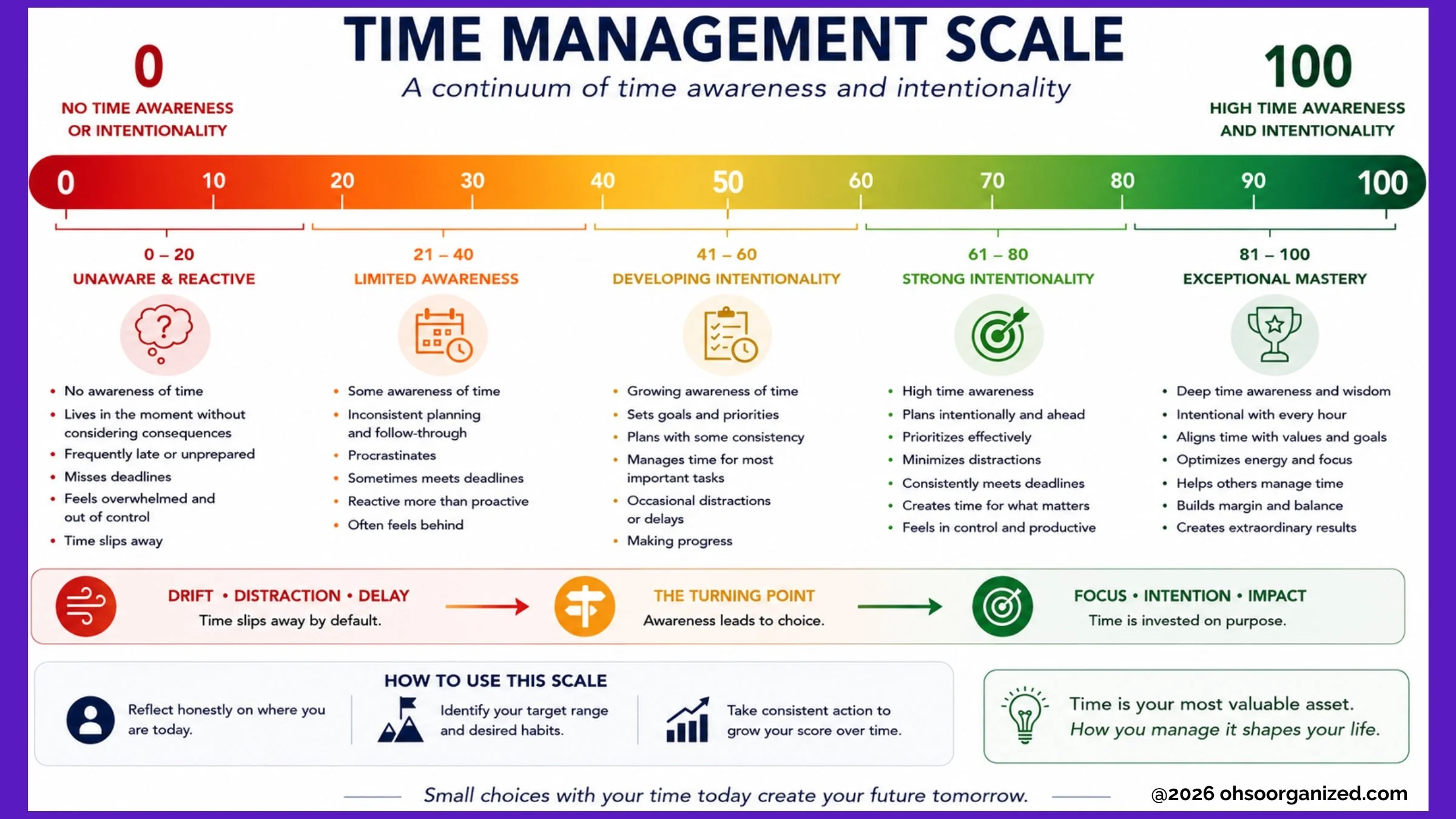
If you think of your relationship to time on a scale from zero to one hundred, with one end representing a total lack of time awareness and intentionality and the other representing high time awareness and intentionality, where would you place yourself? Whether your number is zero or one hundred, several concepts can improve your relationship with time and help you approach it more compassionately.


Time Management Scale

Before I share the strategies, review the Time Management Scale to get a sense of where you are right now. This isn’t an exact science, but the scale will help you identify your strengths and challenges. Understanding your relationship with time, combined with the concepts I’m about to share, can be a game-changer for you.

How to Use the Scale

  • Reflect honestly on where you are today

  • Identify your target range and desired habits

  • Take consistent action to improve your score over time

Remember that small choices about how you spend your time today shape your future.


3 Ideas to Encourage More Compassionate and Aligned Time Management

There are three ways to align your time in a more compassionate and powerful way. As I mentioned earlier, the time available each day is fixed. Your life and the time you have left are finite. None of us knows how many days remain. How you use this precious resource shapes your life.

1. Energy

Have you noticed how your energy ebbs and flows throughout the day? For example, I have more energy and mental clarity earlier in the day, and my energy lessens as the day goes on. Matching high-brain-demand tasks, such as planning or writing, with the time of day I’m ‘fully charged’ works better for me. Lower-brain-demand tasks, like resetting spaces or grocery shopping, can be done when my energy is less.

As you plan your available time and how you will spend it, factor in your energy. A while ago, Executive Coach Marcy Stoudt introduced me to the reframing of time management as energy management.

It’s helpful to consider how you’re planning and using your time. One thing I’ve learned is how much longer tasks take when my energy isn’t aligned. For example, when I’m tired and my energy is low, it takes me two to three times as long to do certain tasks as when I’m well-rested and in my high-energy, brain-power part of the day.

Aligning your energy management with how you use your time is a compassionate practice.

Small choices about how you spend your time today shape your future.
— Linda Samuels, CPO-CD®, CVOP™

2. Priorities

Have you noticed that some priorities, especially those tied to values, are fixed while others are flexible? For example, family might always be a top priority, so you’ll drop everything if someone in your family needs you. Or, when planning, family considerations drive your choices.

Flexible priorities are tasks, goals, and commitments that matter but don’t require immediate action or have a set deadline.

Flexible priorities could include:

  • Projects with open deadlines

  • Buy groceries sometime this week

  • Meet a friend for coffee in the next few months

  • Edit belongings to downsize

  • Plant flowers in the garden

  • Clean out the garage this season

  • Improve sleep habits

  • Try a meditation app

When considering your available time, aligning your priorities with your values and clarifying which tasks are fixed or flexible can lead to a more compassionate way forward.


3. Reality

Ah, yes! The old reality check. Here’s where time management can go sideways. Many people I know, including clients, struggle to align their available time with how long tasks take. This is where optimism needs to be balanced with a realistic understanding of time.

Has this happened to you? I see it most often on ambitious to-do lists. For example, you sit down to write your daily list. You have twenty or thirty items and expect to do them all today because they’re all “equally important.” Yet as the day goes on, you’ve only gotten to a few items. It’s clear you won’t finish everything. The day isn’t over, and you’re starting to feel stressed and defeated. Believe me, I get it. Reality and intention are two very different things.

  • Reality Check 1: Not everything is equally important.

  • Reality Check 2: Your list is too ambitious to complete in one day.

  • Reality Check 3: Optimism is great, but balance it with a realistic understanding of your available time and how long tasks take.

  • Reality Check 4: Reduce the size of your list. Curate a daily list of 1-5 items. Get those done, then review the time you have left before adding more to your day.

When you stop planning for an ideal day and start planning for the day you actually have, you gain a greater sense of control, accomplishment, and ease.


Are You Ready to Bring a More Compassionate Approach to Time Management?

The number is 24, as in the hours in a day. The number of days you have left is unknown. You have choices about how to spend your time. Use understanding and compassion as you plan and decide.

What will that look like for you? Which time management ideas resonate most with you? I’d love to hear your thoughts. I invite you to join the conversation.


How Can I Help?

Do you feel overwhelmed, disorganized, and time-stressed? Are you struggling to manage all your tasks, goals, and commitments? I’m here to help! You don’t have to do this alone. Virtual organizing is an extraordinary path forward – Local feel with a global reach.

Let’s connect! I’m easy to reach.

Managing your time, getting organized, and living with more ease are possible, especially with support.

 
 
How to Let Go of What's in Your Way to Joyfully Embrace the Good Stuff

What are you holding onto that’s getting in your way? Are there physical things, like clothing that no longer fits, stacks of magazines you’ll never read, or expired food and medicine? Are there habits that don’t serve you, such as not getting enough sleep, doomscrolling on your devices, or acquiring things without ever editing them? Are there behaviors that create more stress, such as constantly berating yourself, ruminating on interactions, or not taking time for play or joy?

Are these things holding you back from living the life you want? Do you want more calm, joy, or ease?

What happens, though, when you begin to let go of clutter and the things that create blockages and stress? What happens when you approach them in a new way? It’s not that challenges won’t appear or that stress triggers will disappear. However, when you begin to work with them differently and let go, you will have more bandwidth to embrace the good stuff.


A Tiny Shifts Learning Journey

21 Days

For the past few months, I’ve been learning from clinical psychologist and author Dr. Elisha Goldstein. Although he’s been on my radar for years, I signed up for a 21-Day Tiny Shifts Experience in January.

The program featured short, daily practices designed to help you better manage stress by supporting your nervous system. By the end of the course, I was better able to regulate my emotions through simple, intentional breathing practices.


6 Weeks

The experience was so wonderful that I wanted to learn more. Next, I registered for Elisha’s 6-Week Tiny Shifts Emotional Longevity course. It included two live sessions each week: one led by Elisha and the other an Integration Lab led by mindfulness teacher Susan Beckman Reagan.

There were simple, doable practices to work on between sessions, along with a virtual platform for communication. We learned more about emotional loops, supporting the nervous system, and the 4Rs: Recognize, Release, Refocus, and Reinforce.


The Book

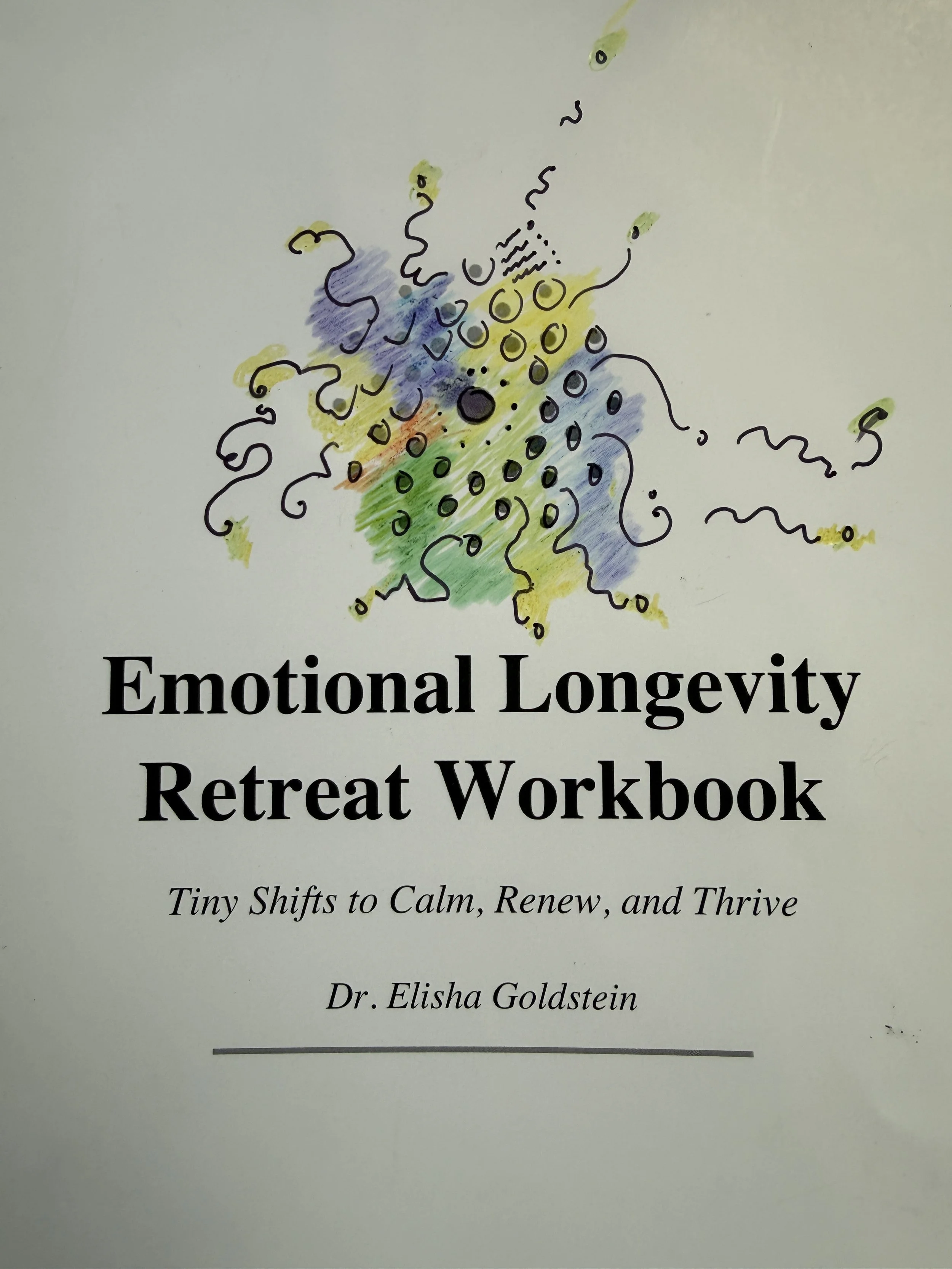
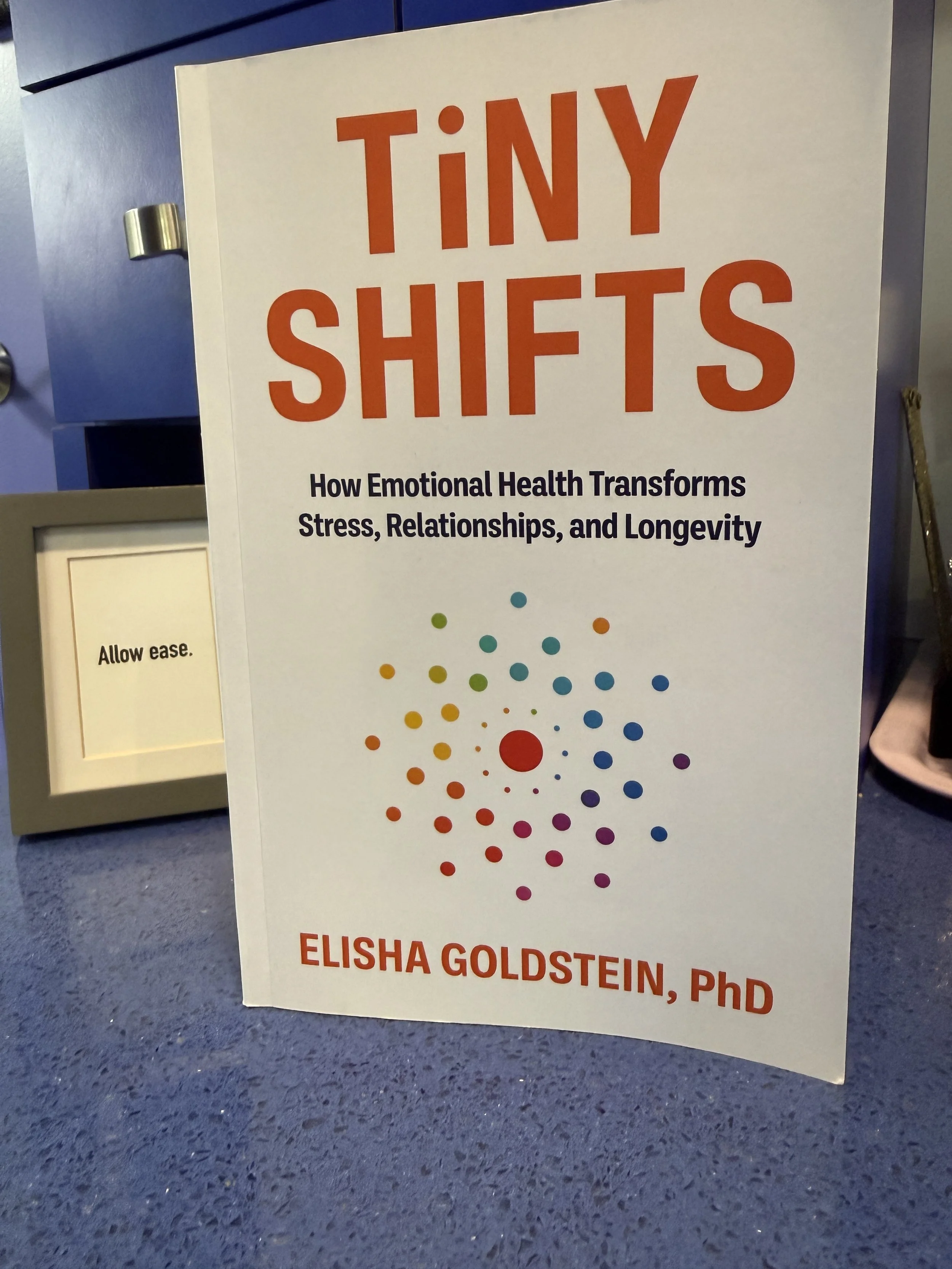
Simultaneously, Elisha released his new book, Tiny Shifts – How Emotional Health Transforms Stress, Relationships, and Longevity. While I was taking the courses, I read it, which helped me better assimilate what I was learning.

Elisha says, “Real change doesn’t come from doing more. Feel free to let go of that burden. It comes from shifting how we relate to what’s already here-one tiny emotional pivot at a time.”

If you haven’t read Tiny Shifts yet, I highly recommend it. Elisha presents his research-backed, doable strategies clearly and compassionately while sharing captivating stories.


The Retreat

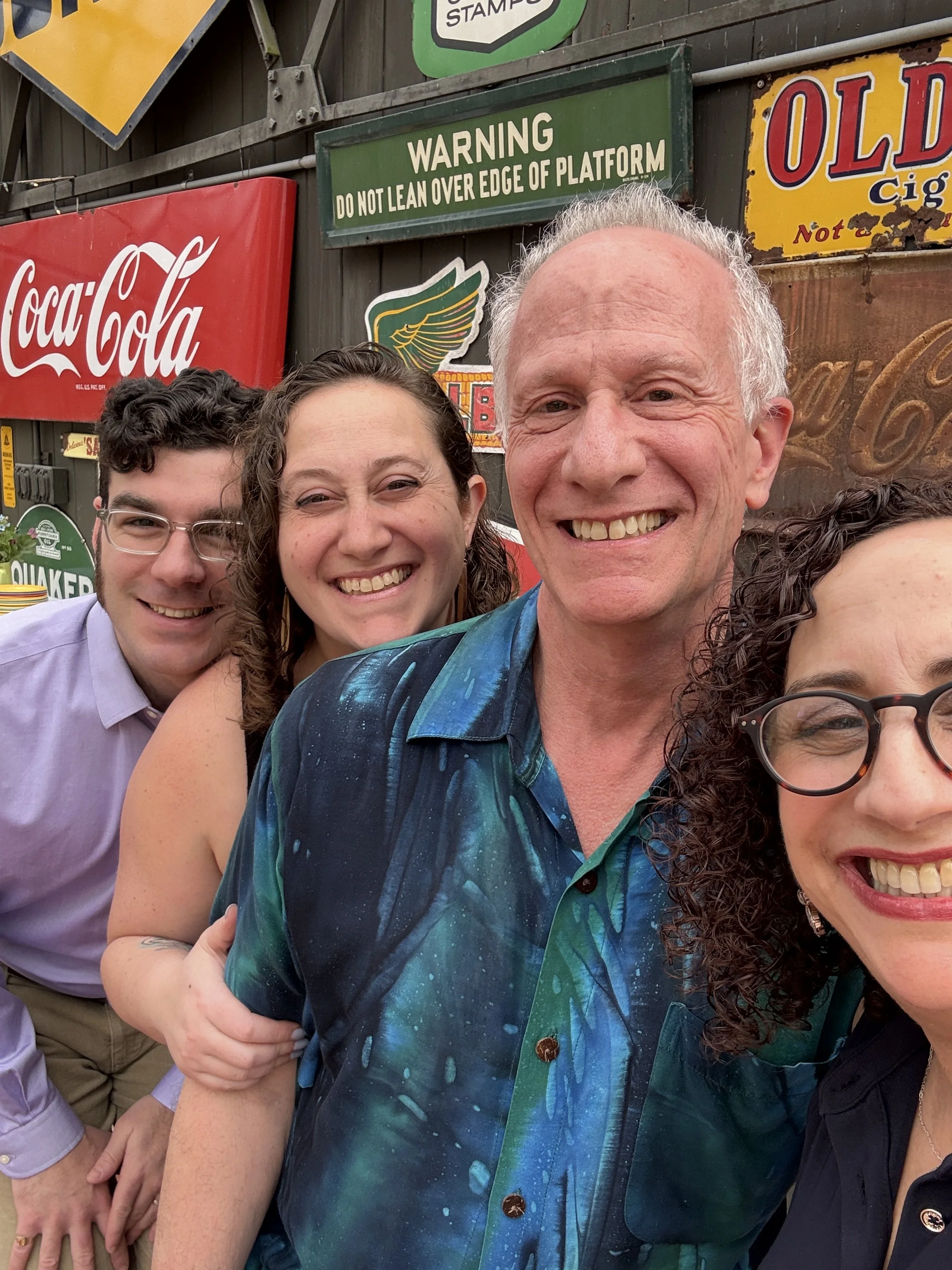
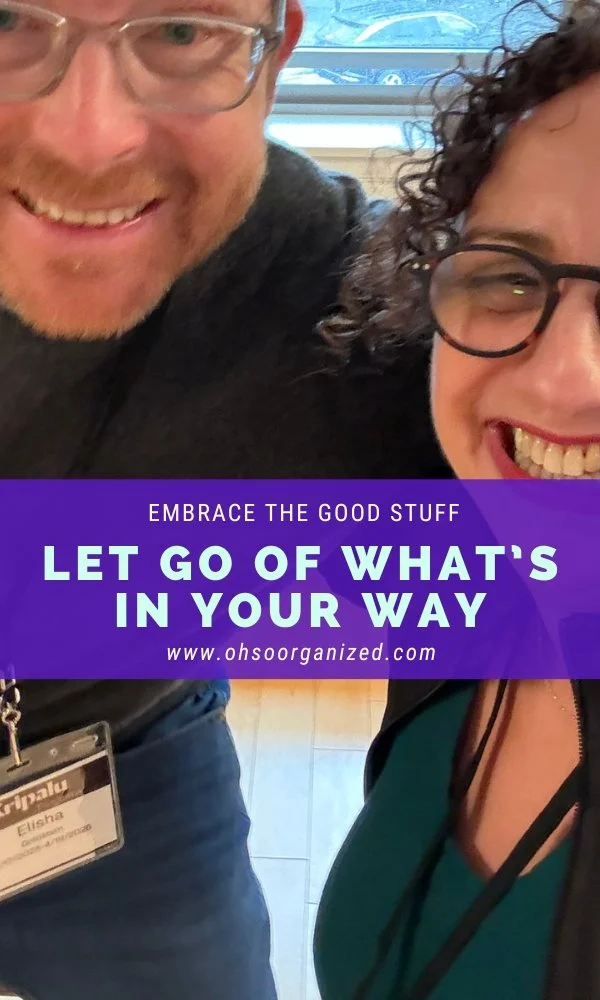
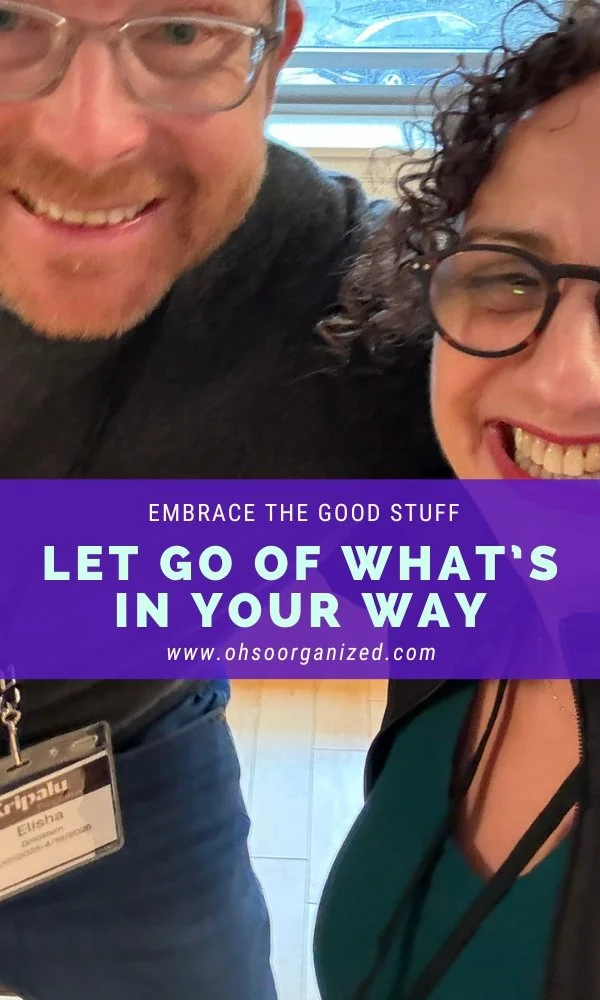
The next part of my learning journey took place last weekend. Elisha offered a three-day Emotional Longevity Retreat at Kripalu in the Berkshires. It was especially meaningful to attend in person, since the previous courses were online. My husband, Steve, went, too.

What I had learned before was clarified or reinforced during the retreat. It was an emotional weekend—lots of crying, smiling, laughing, meditating, and pausing. While the strategies are simple, applying them in the moment takes practice. I’m still working on it and remain hopeful. I can see my progress.


What would it feel like to let go and embrace more joy and ease in your life?
— Linda Samuels, CPO-CD®, CVOP™


Embracing the Good Stuff

In these chaotic, uncertain times, there is no shortage of things beyond our control or that make us anxious. We can dwell there or let go. Elisha’s practices help tremendously with letting go. When you do, you will have more capacity to

  • Embrace joy, play, fun, and quiet.

  • Be present and available for the people and relationships in your life.

  • Have more ease.

  • Regroup more quickly from stressful situations.

  • Engage in better self-care and compassion.

  • Release the things, thoughts, habits, and behaviors that no longer serve you.

  • Be available for all the good stuff in your life.

What does the “good stuff” look like to you? A few years ago, I created my own list, which you can find here: Are You Making Time for ‘The Good Stuff?’ What’s one thing on your list?


Letting Go to Live with More Joy and Ease

What are you holding on to that causes you stress? What is keeping you from moving forward? What would it feel like to let go and embrace more joy and ease in your life?

I’d love to hear your thoughts. I invite you to join the conversation.


How Can I Help?

Do you feel overwhelmed or disorganized? Do you want to let go of what’s holding you back but feel stuck or unsure where to start? I’m here to help! You don’t have to do this alone. Virtual organizing is an extraordinary path forward – Local feel with a global reach.

Let’s connect! I’m easy to reach.

Letting go, getting organized, and living with more ease are possible, especially with support.
 
 
How to Meet Change with More Compassion and Ease

When you think of compassion and ease, what sensations do you feel in your body? What images come to mind? What stories or messages do your thoughts reveal?

Now, think about change. Are you experiencing sensations, images, and thoughts that feel quite different from those associated with compassion and ease?

No one has the same experience, and yours will likely differ from mine. For me, thoughts of compassion and ease bring calm, care, and gentleness. My breath feels steady and slow. My mind feels clear. I feel more grounded, present, and better able to navigate in the moment.

When I think about change, my initial reaction is to brace. I can feel my shoulders tense, my jaw clench, and a funny sensation in my stomach. Not all change feels that way. Sometimes, positive anticipation and excitement are present. But rarely with change is my first thought or feeling calm or ease-filled.

What becomes possible when you can meet change with compassion and ease?


Meet Change More Gently

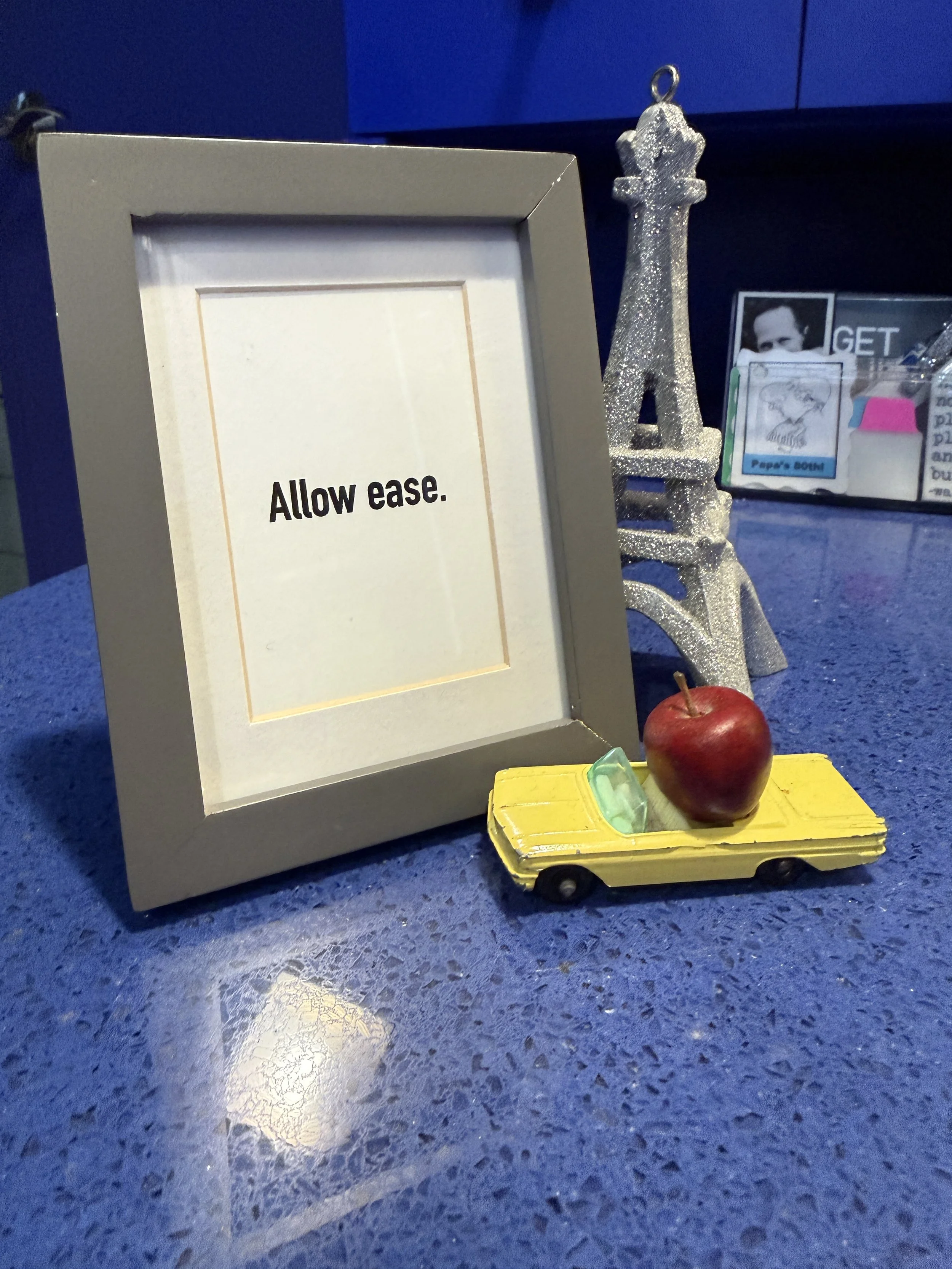
Last week, I wrote about the Tiny Shifts Experience I’ve been participating in, led by Dr. Elisha Goldstein. In one of his prompts, he guided us to “Allow a little more ease” throughout the day.

Before starting the Tiny Shifts program, I had been considering “ease” as my guiding principle, my North Star for 2026. When Elisha encouraged us to “Allow a little more ease,” it confirmed what I was already thinking.

This week, I tweaked the message. My focus for 2026 will be “Allow ease.” I will meet each day, including the challenges, joys, tasks, commitments, and changes I seek, and those thrust upon me, with more compassion and ease.


Engage in Strategies That Encourage Ease

When I notice I’m getting stressed, I will lean on these two strategies.

Strategy 1: Embody Ease with the Breath

This one is so simple. I’ve already used it half a dozen times recently, and it’s incredibly effective. It takes less than a minute.

To Embody Ease:

  • Pause what you’re doing.

  • Gently close your eyes or shift your gaze downwards.

  • Thinking silently, pair these two words while you breathe.

  • Inhale > Allow.

  • Exhale > Ease.

  • Repeat the sequence one or more times until your nervous system calms.

Strategy 2: Ask One Simple Question

You can ask this question on its own, before, or after using the breathing strategy. Listen to what arises and then focus on making a small shift.

Ask this:

Where can I allow more ease right now?

The query will help you identify where your tension or stress lies. How can you change your experience in the moment and lean into more ease? Is there a physical place in your body you can soften? Is there an unhelpful thought loop that needs to be released or noticed? Where is ease possible for you right now?

Where can I allow more ease right now?
— Linda Samuels, CPO-CD®, CVOP™


Can You Shift How You Approach Change?

Change can be exciting or stressful. By integrating strategies that foster compassion and ease, you can move forward with greater grounding and calm. What is your relationship to change? How could creating more ease alter your relationship with change? Which ideas resonate with you?

I’d love to hear your thoughts. I invite you to join the conversation.


How Can I Help?

Do you feel overwhelmed, disorganized, or stressed? Do you want to embrace change this year, yet feel stuck? I’m here to help! Virtual organizing is an extraordinary path forward – Local feel with a global reach.

Let’s connect! I’m easy to reach.

Embracing change and getting organized are possible, especially with support.
 
 
3 Helpful Things I Learned That Will Benefit My Virtual Organizing Clients

Attending organizing conferences is one of the highlights of my year. I learn interesting things, dedicate time to professional growth, connect with dear colleagues, and meet new people.

I just got back from the Institute for Challenging Disorganization’s (ICD) conference in Atlanta. Colleagues came from all over the United States and around the world, including Canada, Mexico, Spain, the Netherlands, and New Zealand. We learned together from experts on decision-making, time management, ADHD, autism, hoarding disorder, aging, dementia, and more.

Earlier this month, I participated in a meditation and writing retreat led by my dear friend and life coach, Yota Schneider. She shared a quote from John O’Donohue that feels relevant to the ideas I’m about to share. He said, “Nothing opens up the mind like the glimpse of new possibility.”

It’s the “glimpse” of what is possible that fosters hope and encourages change for my virtual organizing clients. I hope what I’m about to share will also be relevant and helpful for you.


3 Helpful Things I Learned at the Organizing Conference That Can Benefit You

1. Decision-Making Takes Energy

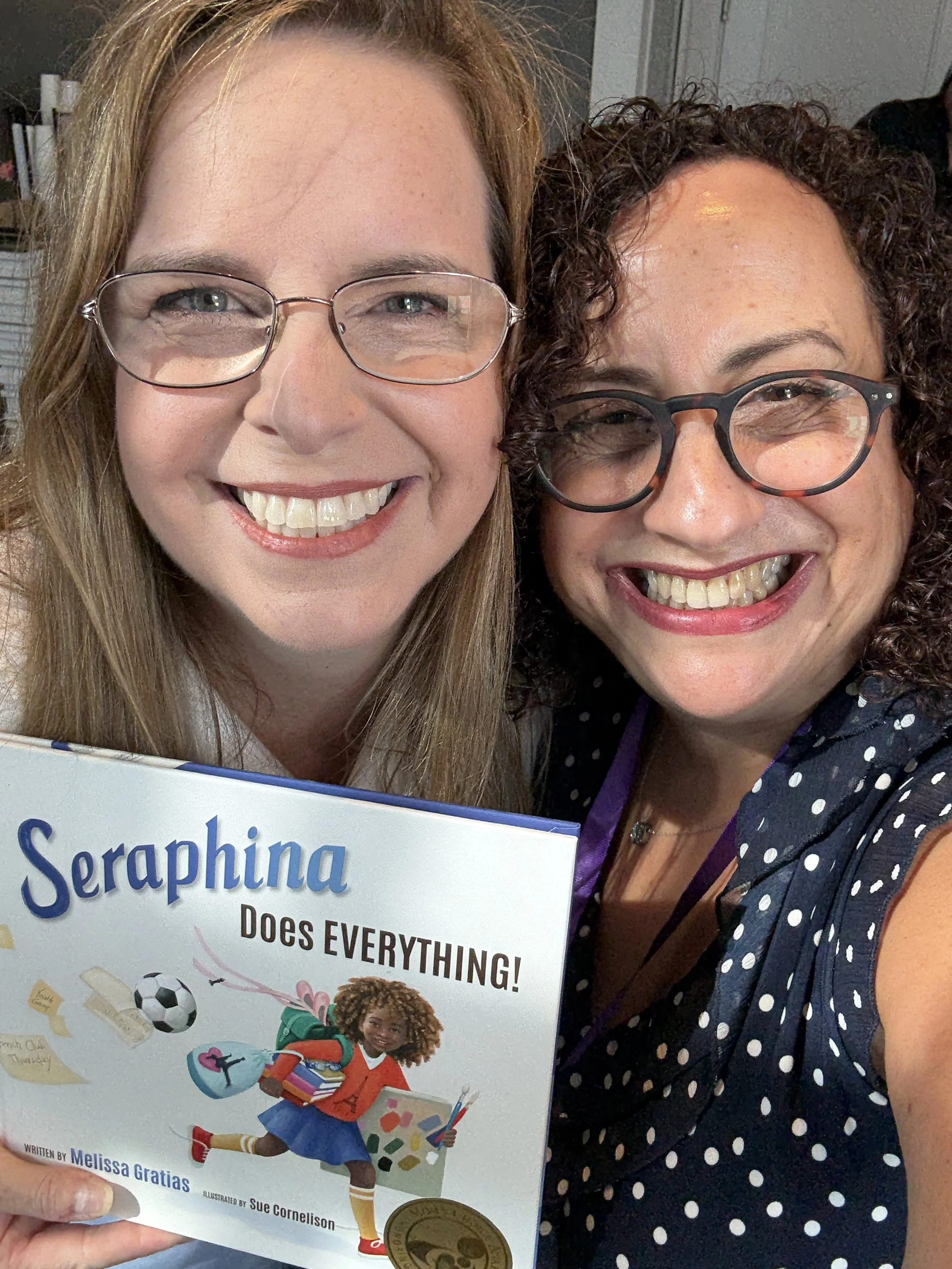
Melissa Gratias and Linda Samuels

Getting and staying organized requires making lots of decisions. One of the conference sessions about the brain and decision-making was presented by productivity expert, colleague, and fellow blogger, Melissa Gratias, PhD. She said, “The more choices, the more cognitively taxing.”  

In another session on chronic disorganization and aging, Beth Nolan, PhD, a gerontology expert, also discussed decision-making. She mentioned that one way we can help our clients with decision-making is by “being aware of the energy it takes.” Decision fatigue can become even more pronounced when compensating for physical changes or conditions.

Making decisions is an integral part of most virtual organizing sessions. I provide support to my clients and consider their energy level as they:

  • Weigh various options

  • Choose what to keep or release

  • Decide what step is next

  • Select what to include or exclude from their schedules


2. Change Barriers Can Be Overcome

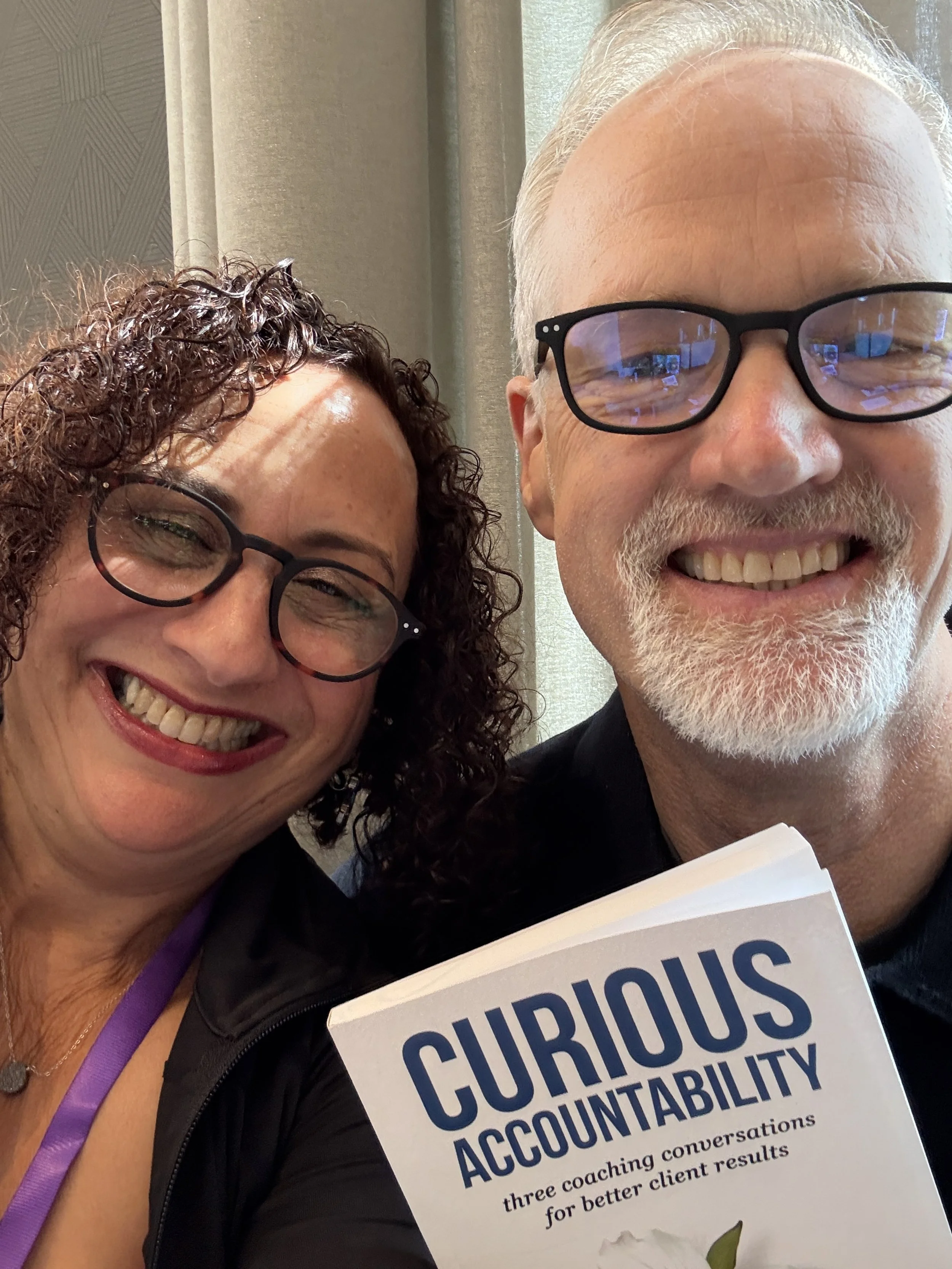
Linda Samuels and Cameron Gott

Change was another topic that surfaced throughout the conference. In the session on tools to help your ADHD clients with their organizing goals, presented by Executive ADHD Coach, trainer, podcast host, author, and friend, Cameron Gott, PCC, he spoke about change.

Cam said there are many barriers to change, especially when ADHD is in the mix. The “ADHD hard place” exists in the space between being aware of the issues and actualizing the change you seek. Some of these ‘change’ barriers include:

  • Engaging in negative self-talk

  • Having lots of rules

  • Having difficulty prioritizing

  • Being challenged with activating

  • Experiencing a lack of focus

  • Getting easily distracted

One of the tools Cam suggested is using curiosity to bring about change. However, curiosity can also act as a barrier to change. As a barrier, it can appear as:

  • Doing endless research

  • Going down rabbit holes

  • Engaging in time sucks

However, Cam said you can reframe curiosity as a resource. He said, “Bring curiosity to a dilemma.” This will help you focus and take a more proactive approach.

While my virtual organizing clients desire change, they often face internal and external obstacles. However, with support and accountability, we work together to identify these challenges and try different ways to overcome them.


Bring curiosity to a dilemma.
— Cameron Gott, PCC


3. Connection is Essential

Carrie M. Lane

The last conference session, “Qualitative Research, Connective Labor & Professional Organizing,” was presented by Carrie Lane, PhD, an anthropologist and author of More Than Pretty Boxes – How the Rise of Professional Organizing Shows Us the Way We Work Isn’t Working.

“Connective labor,” which is “work that relies on empathy, human interaction, and mutual recognition,” was one of the ideas Carrie discussed. She referenced her friend’s book, The Last Human Job, written by Allison Pugh, a sociologist and author.

Carrie reminded us that “Our job as organizers requires the human connection – an intimate, nonjudgmental connection.”

While technology and AI keep advancing into our daily lives in many ways, nothing can replace human interaction and connection. I value the relationship I have with my clients. By building trust, showing compassion, and remaining nonjudgmental, I provide support as they work on growth and positive change.


Decision-Making, Change, Connection, and Virtual Organizing

There are many ways I support my virtual organizing clients. Are you struggling with making decisions, creating change, or feeling disconnected from others? What becomes possible when you get the help you need? Which ideas resonate most with you?

I’d love to hear your thoughts. I invite you to join the conversation.


How Can I Help?

Do you feel overwhelmed, stuck, or disorganized? I’m here to help! Virtual organizing is an extraordinary path forward – Local feel with a global reach.

Let’s talk. I’m easy to reach.

Getting organized is possible, especially with support.