
What are you holding onto that’s getting in your way? Are there physical things, like clothing that no longer fits, stacks of magazines you’ll never read, or expired food and medicine? Are there habits that don’t serve you, such as not getting enough sleep, doomscrolling on your devices, or acquiring things without ever editing them? Are there behaviors that create more stress, such as constantly berating yourself, ruminating on interactions, or not taking time for play or joy?
Are these things holding you back from living the life you want? Do you want more calm, joy, or ease?
What happens, though, when you begin to let go of clutter and the things that create blockages and stress? What happens when you approach them in a new way? It’s not that challenges won’t appear or that stress triggers will disappear. However, when you begin to work with them differently and let go, you will have more bandwidth to embrace the good stuff.
A Tiny Shifts Learning Journey
21 Days
For the past few months, I’ve been learning from clinical psychologist and author Dr. Elisha Goldstein. Although he’s been on my radar for years, I signed up for a 21-Day Tiny Shifts Experience in January.
The program featured short, daily practices designed to help you better manage stress by supporting your nervous system. By the end of the course, I was better able to regulate my emotions through simple, intentional breathing practices.
6 Weeks
The experience was so wonderful that I wanted to learn more. Next, I registered for Elisha’s 6-Week Tiny Shifts Emotional Longevity course. It included two live sessions each week: one led by Elisha and the other an Integration Lab led by mindfulness teacher Susan Beckman Reagan.
There were simple, doable practices to work on between sessions, along with a virtual platform for communication. We learned more about emotional loops, supporting the nervous system, and the 4Rs: Recognize, Release, Refocus, and Reinforce.
The Book
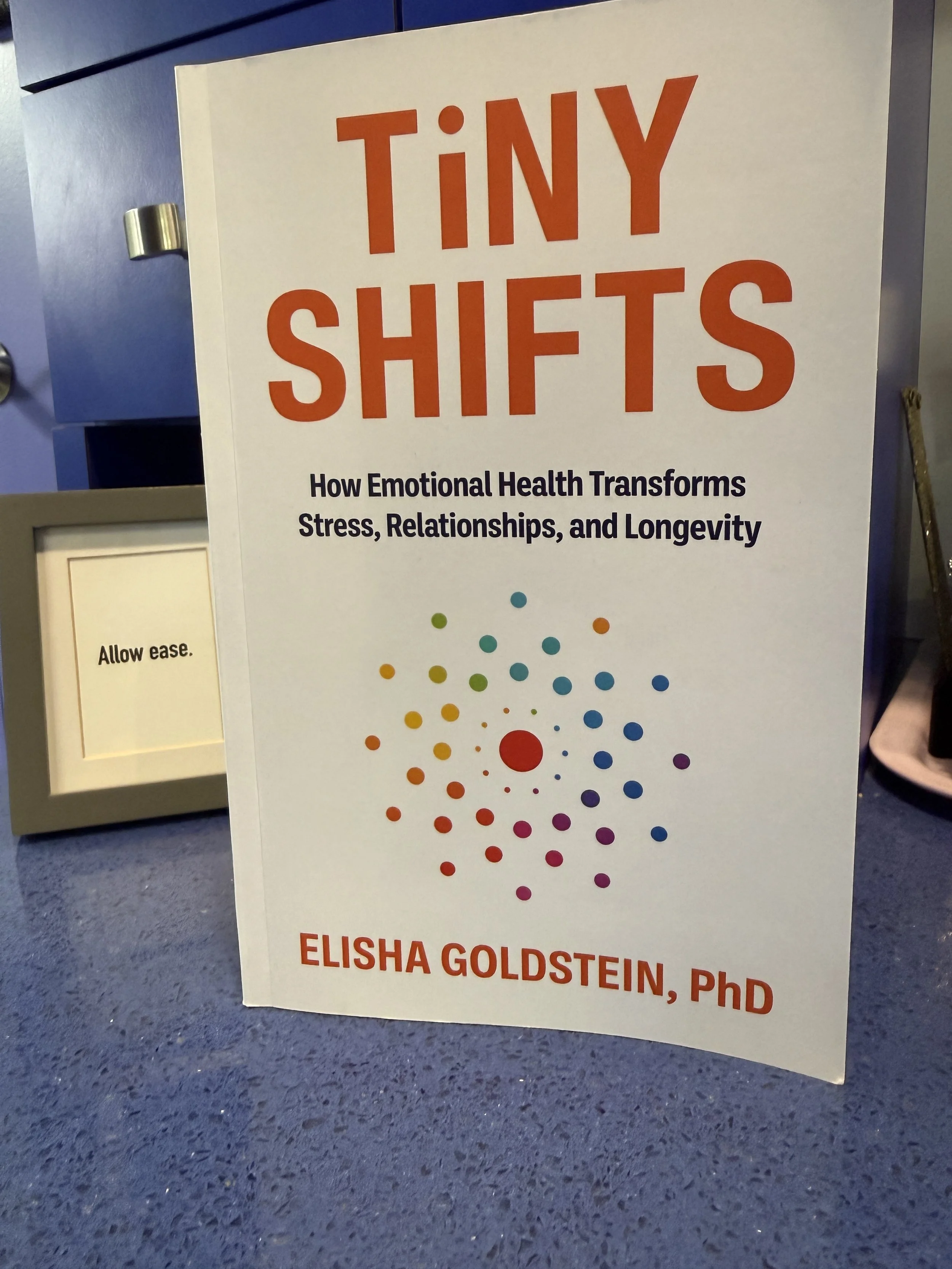
Simultaneously, Elisha released his new book, Tiny Shifts – How Emotional Health Transforms Stress, Relationships, and Longevity. While I was taking the courses, I read it, which helped me better assimilate what I was learning.
Elisha says, “Real change doesn’t come from doing more. Feel free to let go of that burden. It comes from shifting how we relate to what’s already here-one tiny emotional pivot at a time.”
If you haven’t read Tiny Shifts yet, I highly recommend it. Elisha presents his research-backed, doable strategies clearly and compassionately while sharing captivating stories.
The Retreat
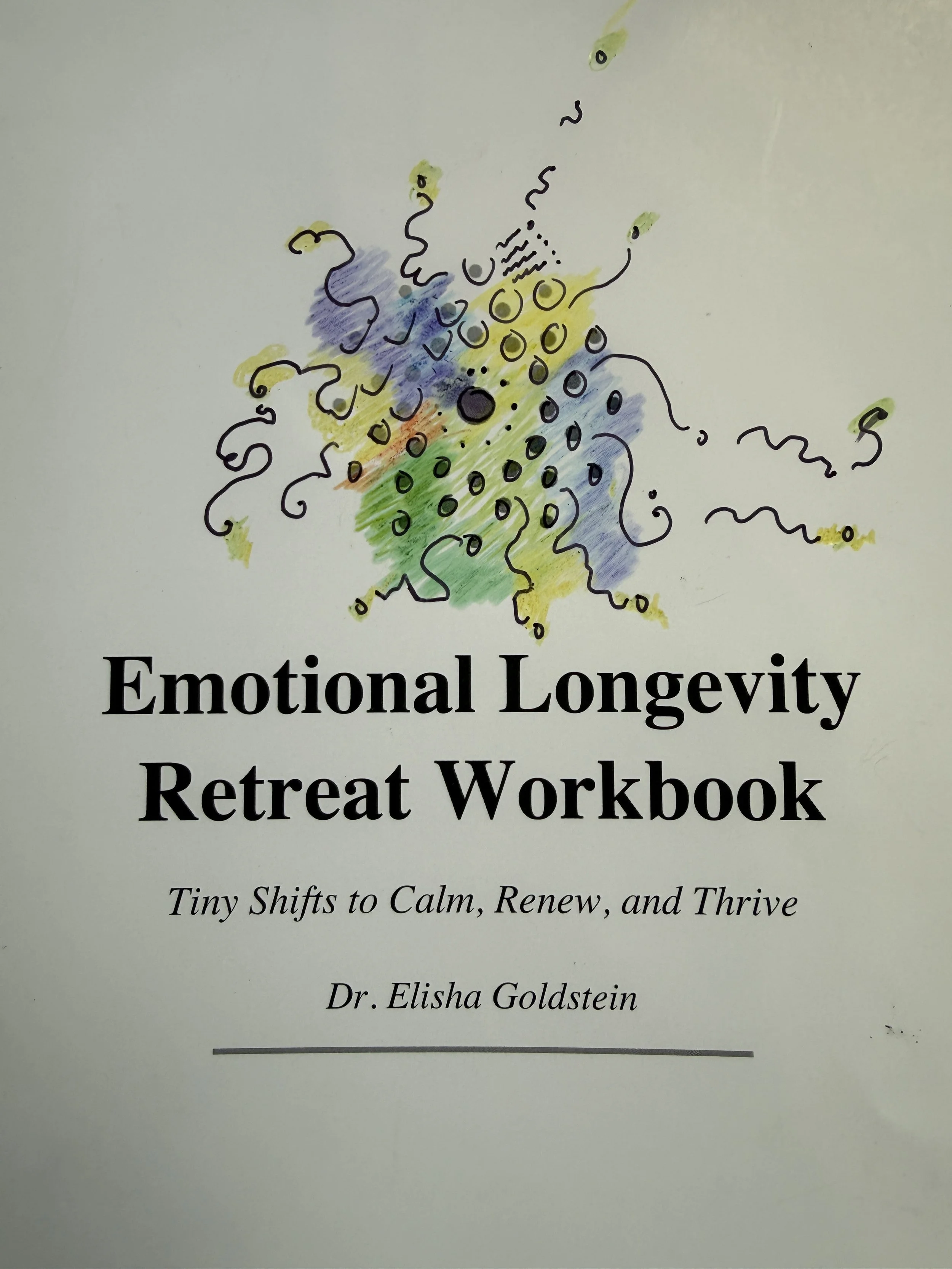
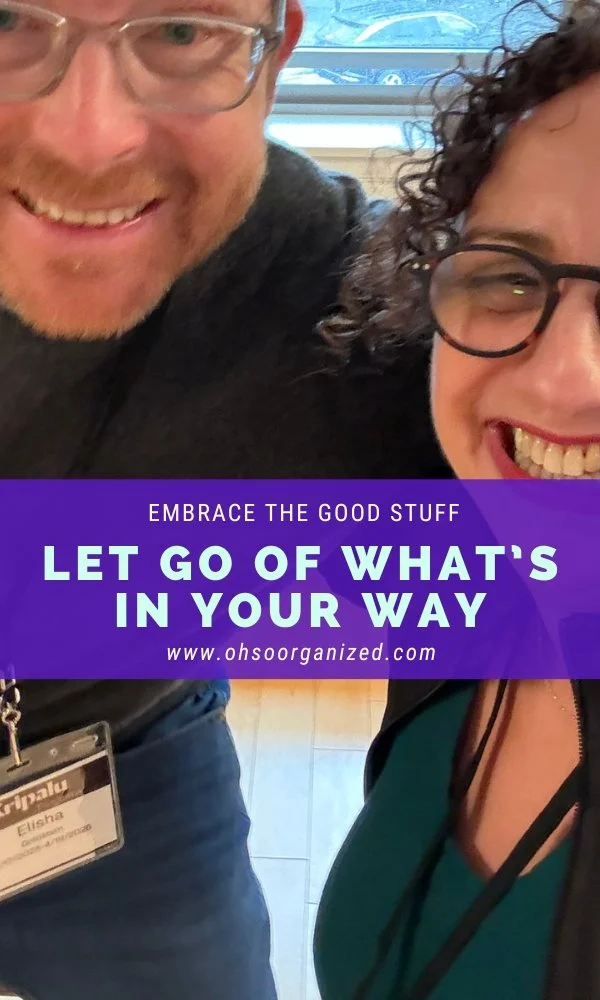
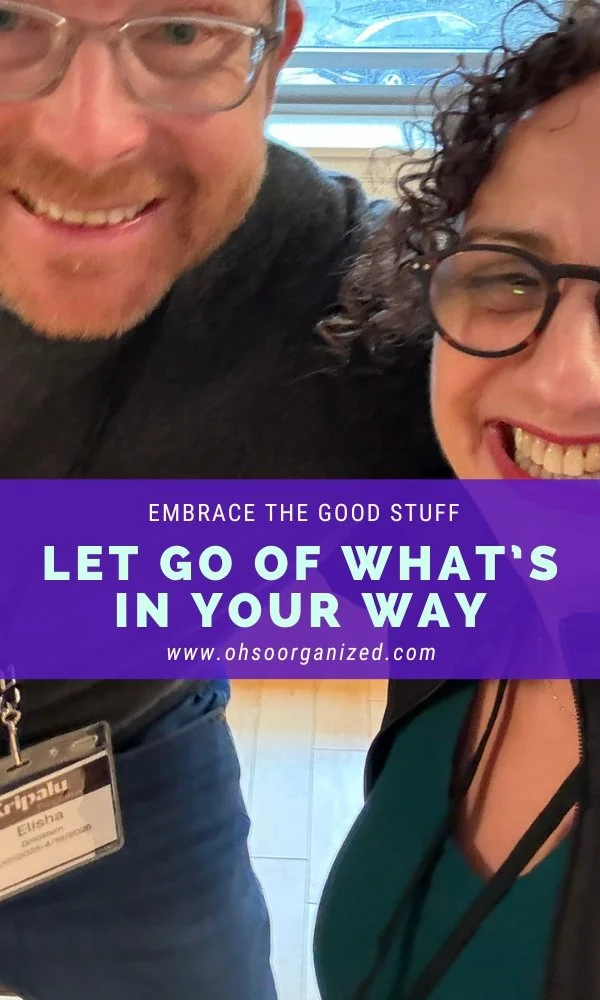
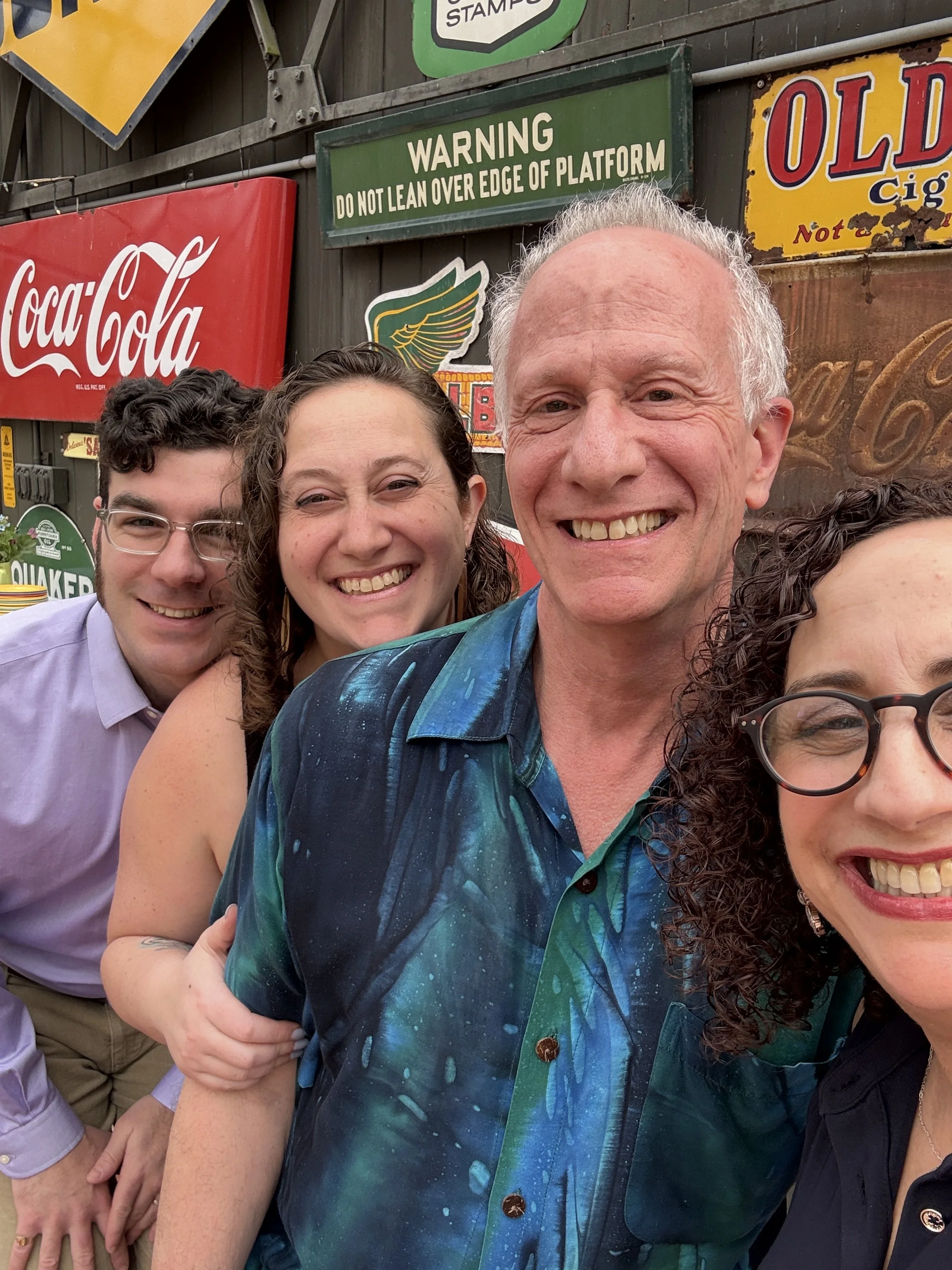
The next part of my learning journey took place last weekend. Elisha offered a three-day Emotional Longevity Retreat at Kripalu in the Berkshires. It was especially meaningful to attend in person, since the previous courses were online. My husband, Steve, went, too.
What I had learned before was clarified or reinforced during the retreat. It was an emotional weekend—lots of crying, smiling, laughing, meditating, and pausing. While the strategies are simple, applying them in the moment takes practice. I’m still working on it and remain hopeful. I can see my progress.
“What would it feel like to let go and embrace more joy and ease in your life?”
Embracing the Good Stuff
In these chaotic, uncertain times, there is no shortage of things beyond our control or that make us anxious. We can dwell there or let go. Elisha’s practices help tremendously with letting go. When you do, you will have more capacity to
Embrace joy, play, fun, and quiet.
Be present and available for the people and relationships in your life.
Have more ease.
Regroup more quickly from stressful situations.
Engage in better self-care and compassion.
Release the things, thoughts, habits, and behaviors that no longer serve you.
Be available for all the good stuff in your life.
What does the “good stuff” look like to you? A few years ago, I created my own list, which you can find here: Are You Making Time for ‘The Good Stuff?’ What’s one thing on your list?
Letting Go to Live with More Joy and Ease
What are you holding on to that causes you stress? What is keeping you from moving forward? What would it feel like to let go and embrace more joy and ease in your life?
I’d love to hear your thoughts. I invite you to join the conversation.
How Can I Help?
Do you feel overwhelmed or disorganized? Do you want to let go of what’s holding you back but feel stuck or unsure where to start? I’m here to help! You don’t have to do this alone. Virtual organizing is an extraordinary path forward – Local feel with a global reach.
Let’s connect! I’m easy to reach.
Schedule a Discovery Call
Fill out the Contact Form
Email me at linda@ohsoorganized.com or
Call 914-271-5673
Letting go, getting organized, and living with more ease are possible, especially with support.


