Posts tagged overwhelmed
Here Are 5 Most Interesting and Best Decluttering Discoveries - v55

Enjoy the latest edition (v55) of the “What’s Interesting?” series, featuring my most recent finds that inspire, spark curiosity, and relate to organizing and life balance. These unique decluttering discoveries reflect this month’s blog theme.

You are an engaged, vibrant, and generous group. I am deeply grateful for your ongoing presence, positive energy, and contributions to this community. I look forward to your participation and further contributions to this curated collection.

What do you find interesting?


What’s Interesting? – 5 Best Next Step Discoveries

1. Interesting Read – Less Clutter

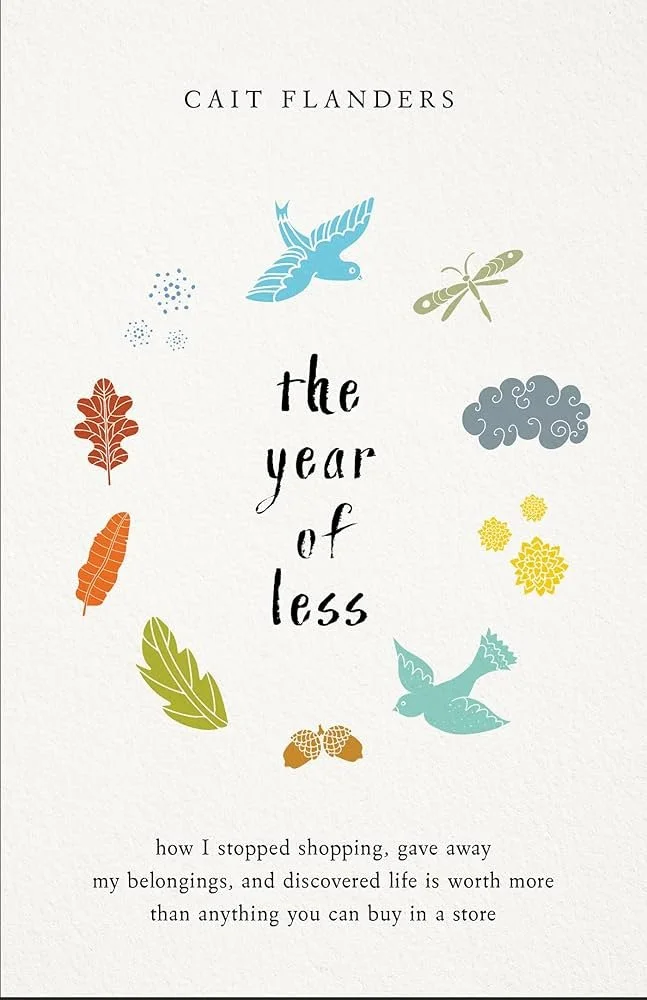
Do you feel overwhelmed by how much your things are taking over your life, space, money, and energy? If so, find inspiration and hope in The Year of Less by bestselling author Cait Flanders.

Cait takes us on her twelve-month journey to stop shopping and give away most of her belongings. During that year, she bought only items on her ‘sanctioned’ list of consumables, decluttered her apartment, let go of 70 percent of her belongings, learned to fix things, paid off debt, navigated family challenges, and worked through addictive behaviors and unhelpful habits.

Through personal stories and practical strategies, Cait guides you toward a more mindful life with less consumption and more time for what matters most to you. When working to reduce the things in her life, Cait said, “I had to let go of the stuff I wanted the ideal version of myself to use, and accept myself for who I really was.”

By the end of Cait’s year, after she took control of her life, released many of her belongings, saved money, and embarked on the next phase of her life, she said, “… all that remained was the real me. It wasn’t much, but it was enough. It was enough. I had enough. I was enough.”


2. Interesting Perspective – Time Clutter

Clutter isn’t only physical stuff that piles up. There’s also time or calendar clutter. Time clutter can show up as overcommitting, no downtime, double-booking appointments, consistently running late, being overstimulated, never having enough hours in the day, or feeling overwhelmed by your never-ending to-do list.

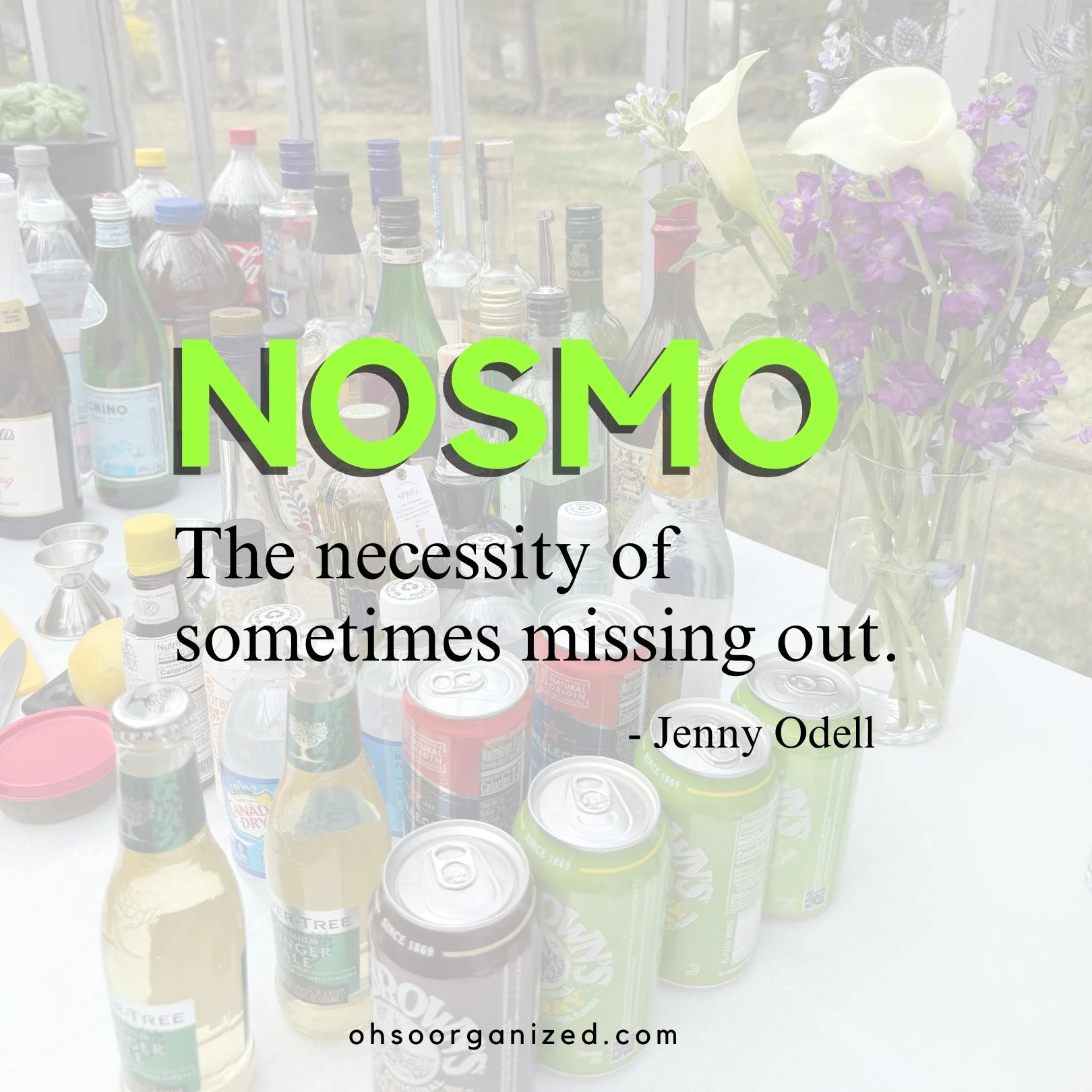
Artist and writer Jenny Odell coined the acronym NOSMO, “the necessity of sometimes missing out,” in her book How to Do Nothing: Resisting the Attention Economy. Saying “yes” to everything, ignoring your needs, and lacking boundaries can leave you feeling stressed, time-poor, and exhausted.

If you want to declutter your schedule, start editing. You don’t have to accept every invitation. Instead, focus on how you want your days to flow, how much time you need for transitions, and how much time you want for relaxation.

What can you let go of today?


3. Interesting Article – Aspirational Clutter  

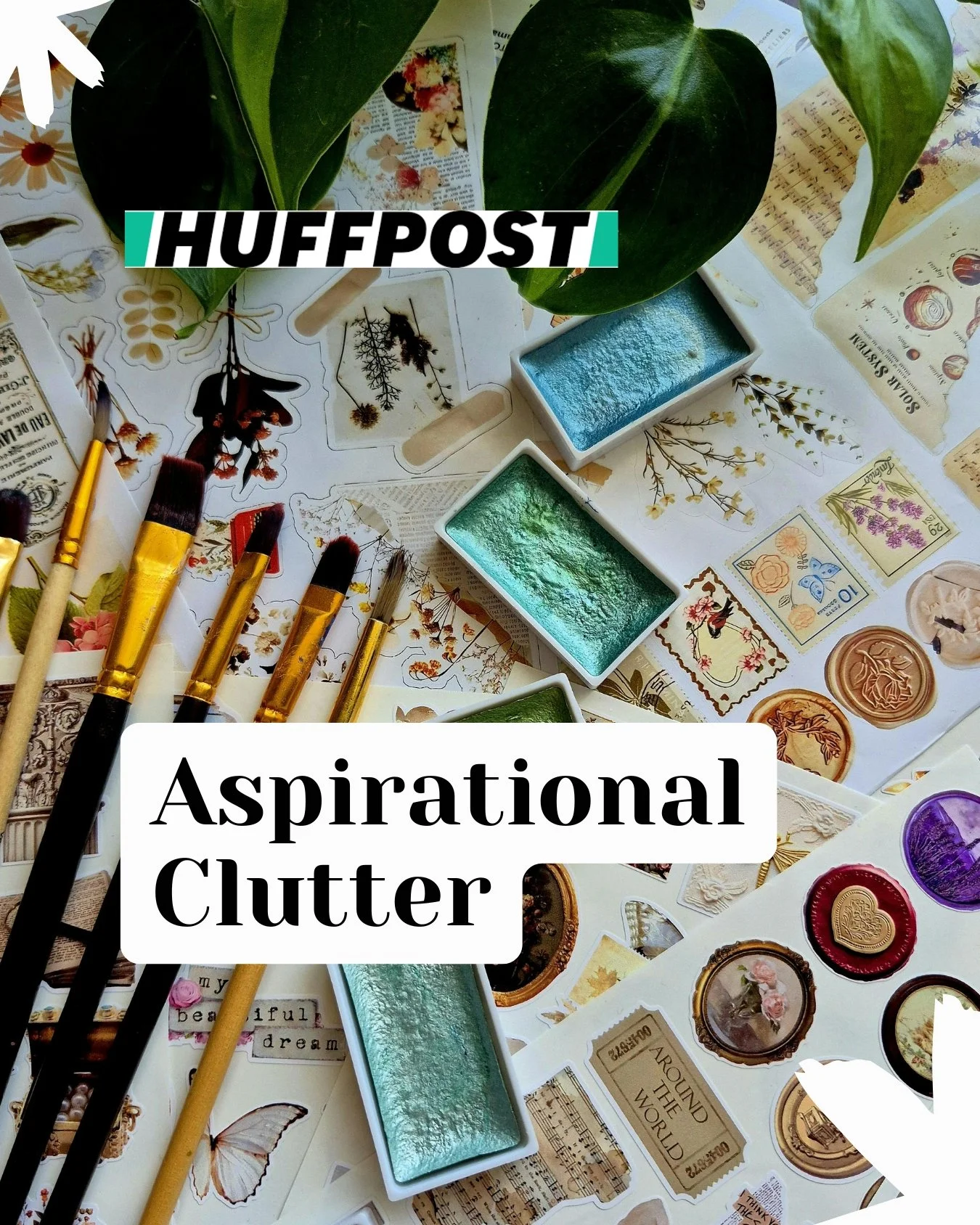
In the HuffPost article, “Do You Have ‘Aspirational Clutter’? Here’s What You Should Know,” professional organizers explain why this type of clutter can be especially challenging to let go of. Why is that? Aspirational clutter includes “objects tied to our hopes and dreams.”

Aspirational clutter can look like gym equipment that’s never used, clothing that might fit someday, an abundance of yarn you’ve stored for years for sweaters and blankets you want to make, or sets of dinnerware and serving pieces for parties you hope to host someday. There isn’t anything inherently problematic about any of these, except that they aren’t based on what your life is actually like. These things take up space and mental and emotional energy, often accompanied by guilt and ‘shoulds.’

Some other thoughts include:

  •  Seana Turner said, “Aspirational clutter refers to possessions we hold onto for our ‘future self,’ or an idealized future lifestyle.” 

  • Regina Lark said, “Letting it go can feel like giving up on a dream version of yourself, or that you’ve failed yourself in some way.”

All is not lost. The article offers excellent suggestions for managing aspirational clutter, such as

  • Give yourself permission to let go.

  • Recognize that priorities shift.

  • Determine how your space could be better used if you let go of aspirational clutter.

  • Focus on the benefits of letting go.

  • Acknowledge who you are now.


It was enough. I had enough. I was enough.
— Cait Flanders


4. Interesting Product – Organizing Clutter

The truth is, I don’t recommend organizing your clutter. Start by editing and decluttering. Why do that first? You’ll be left with only the things that remain, which are meaningful and useful. Second, the less you have, the easier it will be to organize and maintain.

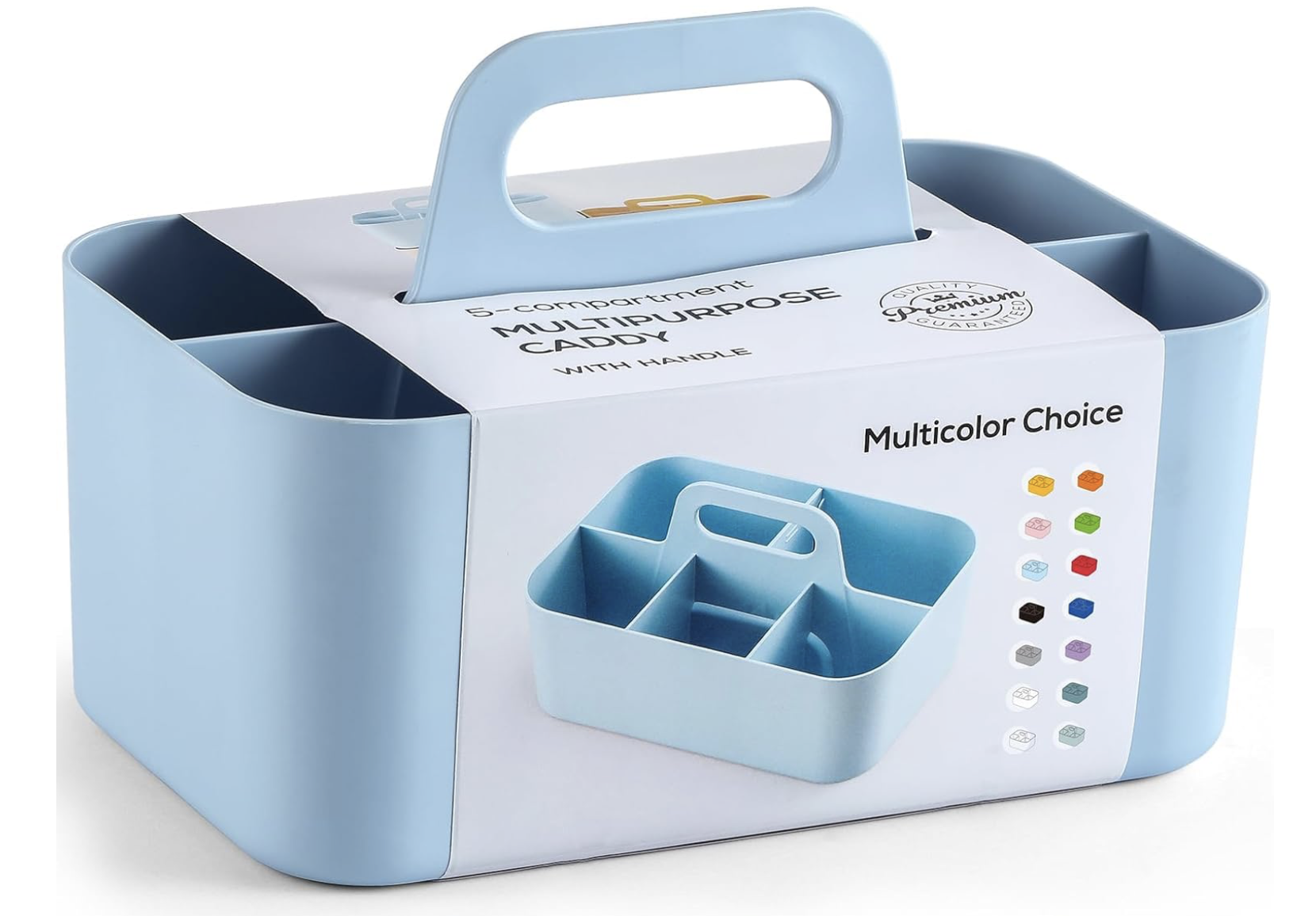
When it’s time to organize the ‘keepers,’ Aozita’s multi-use caddy organizer is a great choice. Use it to organize art materials, desk supplies, bathroom products, kitchen utensils, or school supplies. It’s portable, available in many colors, adjustable, and inexpensive.


5. Interesting Thought – Life Clutter

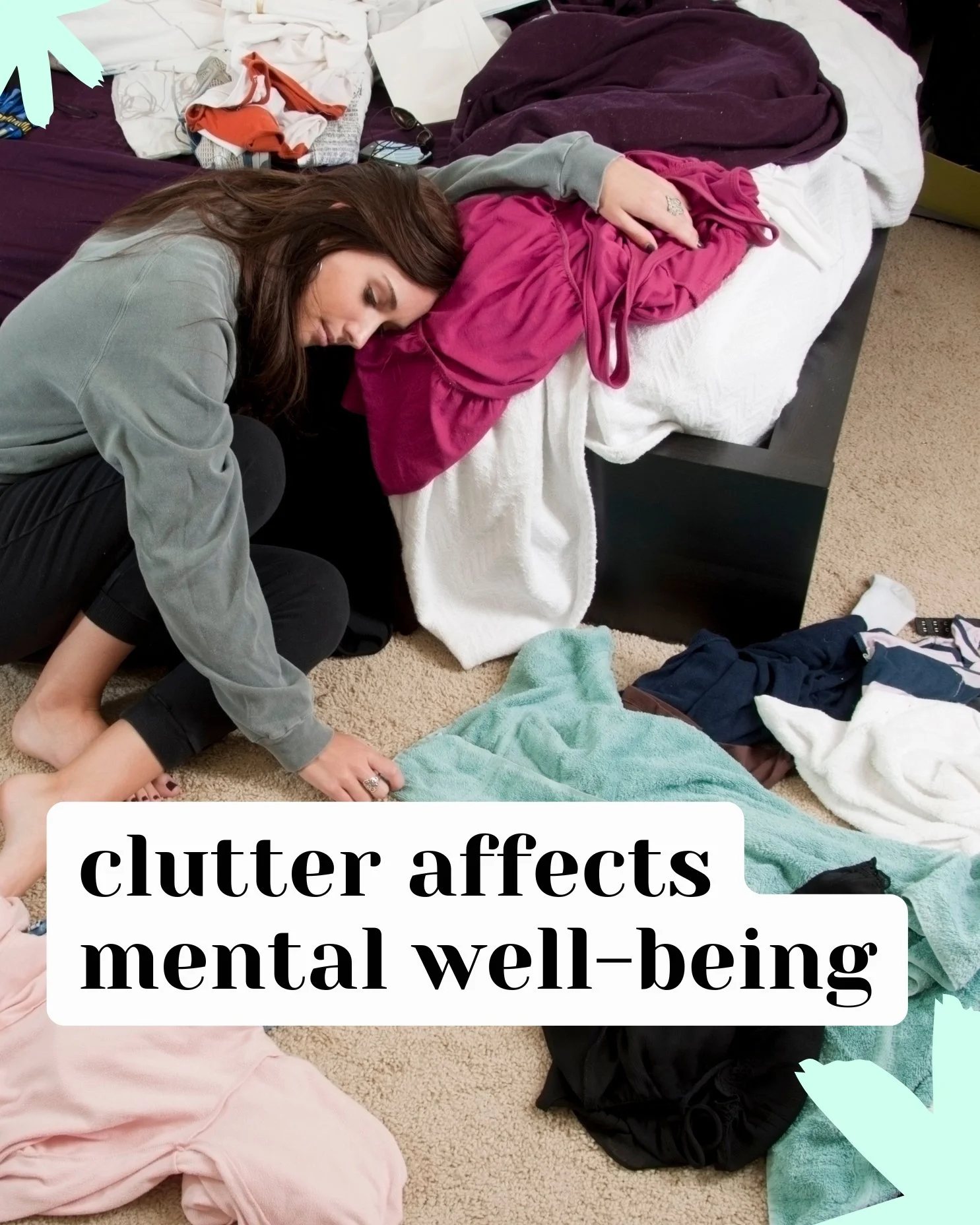
What comes to mind when you think of clutter? In the 30-plus years I’ve been helping people declutter and get organized, I’ve heard clutter described as overwhelming, heavy, chaotic, burdensome, bothersome, impossible, frustrating, constant, distracting, stressful, paralyzing, and noisy. Do any of those resonate with you?

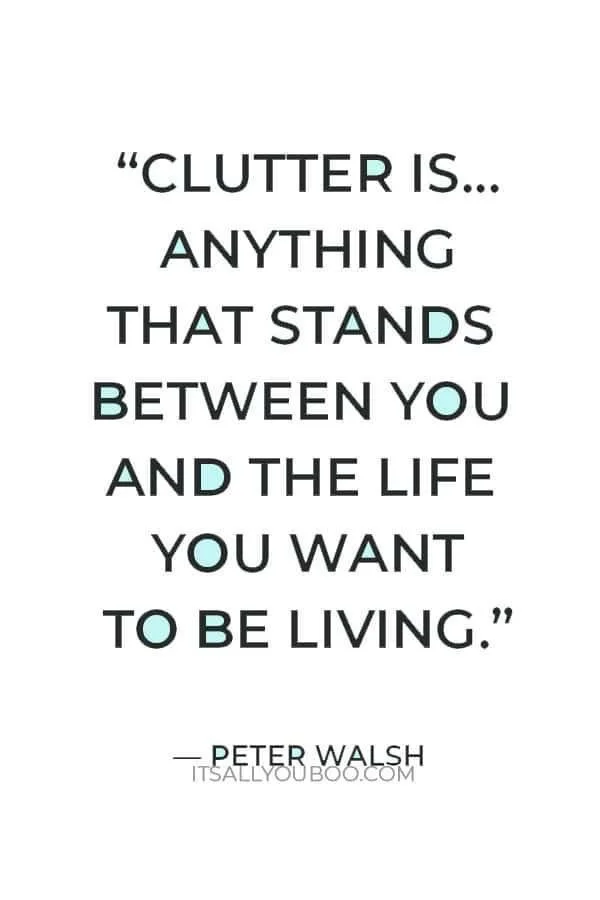
Many emotions are intertwined with your experience of clutter. As Peter Walsh says, “Clutter is…anything that stands between you and the life you want to be living.”

What would life be like if you unburdened yourself of the things weighing you down?


Which Clutter Ideas Work Best?

When clutter feels overwhelming and paralyzing, what will help? As I shared, there are many types of clutter and strategies to help you move forward.

Which of these discoveries resonates most with you? Do you have any decluttering resources or ideas to share? I’d love to hear your thoughts and invite you to join the conversation.


How Can I Help?

Do you feel overwhelmed, stuck, or disorganized? Is clutter preventing you from living the life you want? I’m here to help. Virtual organizing is an extraordinary path forward – Local feel with a global reach.

Let’s talk. I’m easy to reach.

Decluttering and getting organized are possible, especially with support.


What Wonderful Things Happen When Reaching Out for Help Is Your Next Step?

Does this sound familiar? You face a challenge that you're constantly thinking about, and it’s negatively impacting your daily life. You’re stuck, feeling like you’re taking action just because you’re dwelling on the problem, yet nothing changes. There’s no progress.

Then you get an idea that, “Hey, maybe someone can help me figure this out.” You’d like to solve it on your own. After all, you’re a capable person who knows how to do a lot. And while that’s a wonderful thing, at this moment in time, you recognize something. You can’t do it all yourself. More importantly, you realize that your best next step is to reach out for help.

You don’t want to ruminate on the problem any longer or have the energy to resolve it on your own. While you’ve been feeling stuck and frustrated, now you’re ready to accept help. This is a fabulous place to be when you can embrace support.

Guess what? I experienced this recently, and it was so liberating. I reached out to people who could help- the plumber and the appliance repair guys. Within a few hours, the problems were diagnosed and fixed. Things that had been bothering me for a while were now no longer an issue. What a big relief!

Here’s to discovering ways to feel calmer, lower stress, and carve out time for what you enjoy most.


Three Benefits of Enlisting Help as Your Next Step

1. Less Bother and Stress

When things work, you don’t give them much thought. It’s life as usual. Things flow easily. However, when they break or aren’t functioning, it can be stressful, bothersome, and costly.

I noticed that the water pressure in our house had been gradually dropping. This affected regular activities such as showering, washing clothes, flushing toilets, and doing the dishes. In addition, when our water bill arrived, it was twice as high as usual.

It took me months to recognize the problem and finally get the help needed to resolve it. Between conversations with my husband and the local Department of Public Works, we diagnosed a small pinhole leak in one of the water pipes. I made an appointment with our plumber, and he fixed it within a few hours.


2. More Time to Enjoy

Enlisting help from a pro can free up your time so you can do what you enjoy most. I so appreciate how skilled my husband is at fixing things. However, with his intense work schedule and volunteer commitments, he has limited time.

When certain parts of the refrigerator stopped functioning (ice maker and the water-in-door feature), he was going to check them out. But work and other things made it challenging to have the time to do that. After some time had passed, I decided to call the appliance repair guy. He arrived and, after an hour, got things working again.

Steve and I were able to enjoy the rest of our weekend instead of running back and forth to Home Depot for fridge parts.

You can’t do it all yourself.
— Linda Samuels, CPO-CD®, CVOP™

3. Having Support to Face Challenges

Every time I get a call from a potential client or work with my ongoing clients, it’s clear how much they value not having to face it alone. Their organizational challenges often feel overwhelming and insurmountable.

However, there is a noticeable difference when you seek help from a professional who

  • Cares about your progress

  • Can offer support around your goals

  • Can discuss your specific challenges

  • Can collaborate on solutions

  • Can be there with you throughout your organizational journey

Getting organized can be challenging, and setbacks can happen. However, having support from someone compassionate, knowledgeable, and dedicated to you can greatly enhance your progress. Support isn’t always about doing something for someone. It can also be about walking alongside them.

I am truly grateful to be invited into my clients’ lives and to help them with their goals and organizing challenges.


When Your Next Step Needs Assistance

Are you facing a challenge that might benefit from outside help? What’s been preventing you from seeking that support? Can you describe one benefit of enlisting help?

Which ideas resonate with you most? I’d love to hear your thoughts. I invite you to join the conversation.


How Can I Help?

Do you feel overwhelmed or disorganized? Do you want to take your next step but feel stuck or unsure? I’m here to help! You don’t have to do this alone. Virtual organizing is an extraordinary path forward – Local feel with a global reach.

Let’s connect! I’m easy to reach.

Moving forward and getting organized are possible, especially with support.
 
 
How to Actually Recognize the Simple Cues to Help Know Your Next Step

Life is full of signals and cues that often go unnoticed. Maybe you're distracted by thoughts, are overwhelmed, stressed, or feel too busy to slow down. The idea of being present or quieting yourself enough to notice a cue might seem out of reach.

Imagine you’re driving down a busy street. You approach an intersection with a red traffic light. That’s your visual cue to slow down and stop. What if you didn’t? If you ran through the intersection and ignored the signal, it could be disastrous.

What happens instead when you notice the cue (red light) and align your next action with it? You see the red light, take your foot off the gas, step on the brakes, and come to a complete stop.

By noticing the signal, you quickly identified your next steps. The direct benefit was that you chose an option that led to a positive outcome for you and those around you.


What Types of Cues Are Available to You?

Cues are sensory. They can come from what you see, hear, touch, taste, or smell.

The traffic light is an example of a visual cue that guides your next action. Many other types of signals appear in our daily lives.

Here are some common ones and possible next steps:

  • Green flashing light on the toothbrush > Recharge the battery

  • Red flashing light on the air purifier > Change the filter

  • Smell of coffee brewing > Review schedule for the day

  • Last piece of toilet paper > Install a new roll

  • Timer goes off > Wrap up what you’re doing

  • Magazines spilling out of the basket > Sort and recycle the oldest ones

  • Receiving W-2s, 1099s, and other tax forms > Prepare and file your income taxes

  • Jaw tightening and shoulders up > Take a few slow, deep breaths with slightly longer exhales

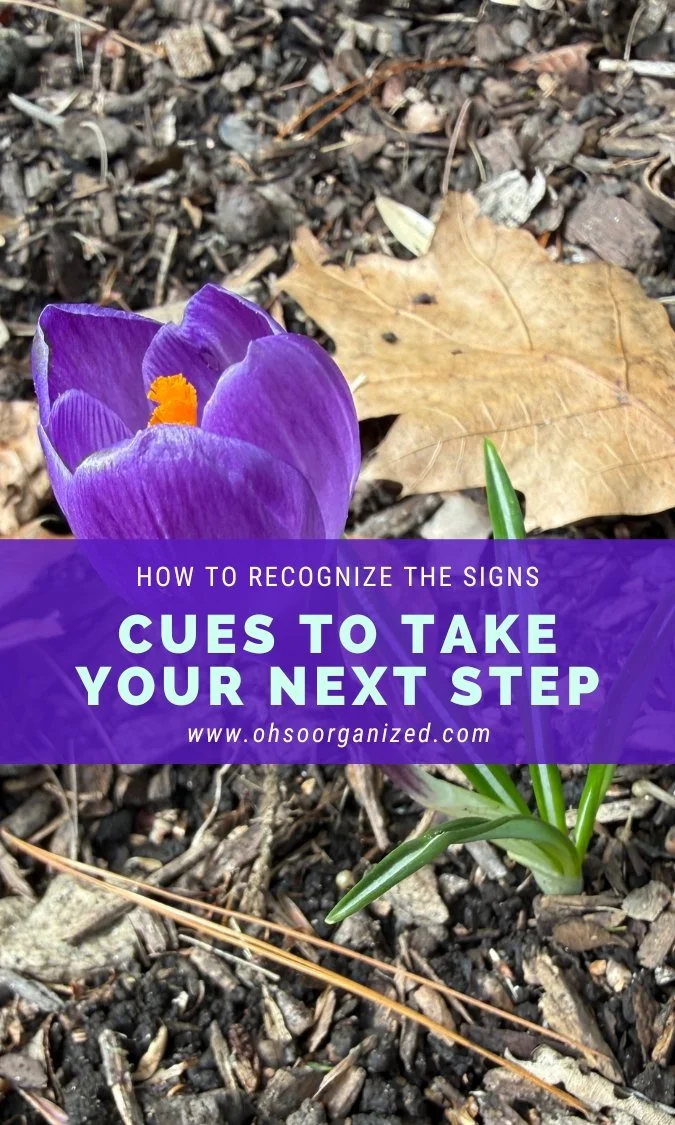
  • Purple crocus emerging > Smile because spring is almost here

What cue do you notice that guides you clearly to your next step?


Cues are sensory. They can come from what you see, hear, touch, taste, or smell.
— Linda Samuels, CPO-CD®, CVOP™


The Value of Awareness

There are cues all around you. Spotting them is very helpful because it can lower stress, overwhelm, and feelings of busyness. Taking a moment to recognize an indicator gives you space to be aware of what you’re feeling and gently choose your next step.

What would help you put this into practice? In which areas could this be most beneficial? I’d love to hear your thoughts. I invite you to join the conversation.


How Can I Help?

Do you feel overwhelmed or disorganized? Do you want to take your next step but feel stuck or unsure? I’m here to help! Virtual organizing is an extraordinary path forward – Local feel with a global reach.

Let’s connect! I’m easy to reach.

Moving forward and getting organized are possible, especially with support.
 
 
How to Meet Change with More Compassion and Ease

When you think of compassion and ease, what sensations do you feel in your body? What images come to mind? What stories or messages do your thoughts reveal?

Now, think about change. Are you experiencing sensations, images, and thoughts that feel quite different from those associated with compassion and ease?

No one has the same experience, and yours will likely differ from mine. For me, thoughts of compassion and ease bring calm, care, and gentleness. My breath feels steady and slow. My mind feels clear. I feel more grounded, present, and better able to navigate in the moment.

When I think about change, my initial reaction is to brace. I can feel my shoulders tense, my jaw clench, and a funny sensation in my stomach. Not all change feels that way. Sometimes, positive anticipation and excitement are present. But rarely with change is my first thought or feeling calm or ease-filled.

What becomes possible when you can meet change with compassion and ease?


Meet Change More Gently

Last week, I wrote about the Tiny Shifts Experience I’ve been participating in, led by Dr. Elisha Goldstein. In one of his prompts, he guided us to “Allow a little more ease” throughout the day.

Before starting the Tiny Shifts program, I had been considering “ease” as my guiding principle, my North Star for 2026. When Elisha encouraged us to “Allow a little more ease,” it confirmed what I was already thinking.

This week, I tweaked the message. My focus for 2026 will be “Allow ease.” I will meet each day, including the challenges, joys, tasks, commitments, and changes I seek, and those thrust upon me, with more compassion and ease.


Engage in Strategies That Encourage Ease

When I notice I’m getting stressed, I will lean on these two strategies.

Strategy 1: Embody Ease with the Breath

This one is so simple. I’ve already used it half a dozen times recently, and it’s incredibly effective. It takes less than a minute.

To Embody Ease:

  • Pause what you’re doing.

  • Gently close your eyes or shift your gaze downwards.

  • Thinking silently, pair these two words while you breathe.

  • Inhale > Allow.

  • Exhale > Ease.

  • Repeat the sequence one or more times until your nervous system calms.

Strategy 2: Ask One Simple Question

You can ask this question on its own, before, or after using the breathing strategy. Listen to what arises and then focus on making a small shift.

Ask this:

Where can I allow more ease right now?

The query will help you identify where your tension or stress lies. How can you change your experience in the moment and lean into more ease? Is there a physical place in your body you can soften? Is there an unhelpful thought loop that needs to be released or noticed? Where is ease possible for you right now?

Where can I allow more ease right now?
— Linda Samuels, CPO-CD®, CVOP™


Can You Shift How You Approach Change?

Change can be exciting or stressful. By integrating strategies that foster compassion and ease, you can move forward with greater grounding and calm. What is your relationship to change? How could creating more ease alter your relationship with change? Which ideas resonate with you?

I’d love to hear your thoughts. I invite you to join the conversation.


How Can I Help?

Do you feel overwhelmed, disorganized, or stressed? Do you want to embrace change this year, yet feel stuck? I’m here to help! Virtual organizing is an extraordinary path forward – Local feel with a global reach.

Let’s connect! I’m easy to reach.

Embracing change and getting organized are possible, especially with support.