Posts tagged next steps
Here Are 5 Most Interesting and Best Motivation Discoveries - v56

Enjoy the latest edition (v56) of the “What’s Interesting?” series, featuring my most recent finds that inspire, spark curiosity, and relate to organizing and life balance. These unique motivation discoveries reflect this month’s blog theme.

You are an engaged, vibrant, and generous group. I am deeply grateful for your ongoing presence, positive energy, and contributions to this community. I look forward to your participation and further contributions to this curated collection.

What do you find interesting?


What’s Interesting? – 5 Best Motivation Discoveries

1. Interesting Read – Motivation Truth
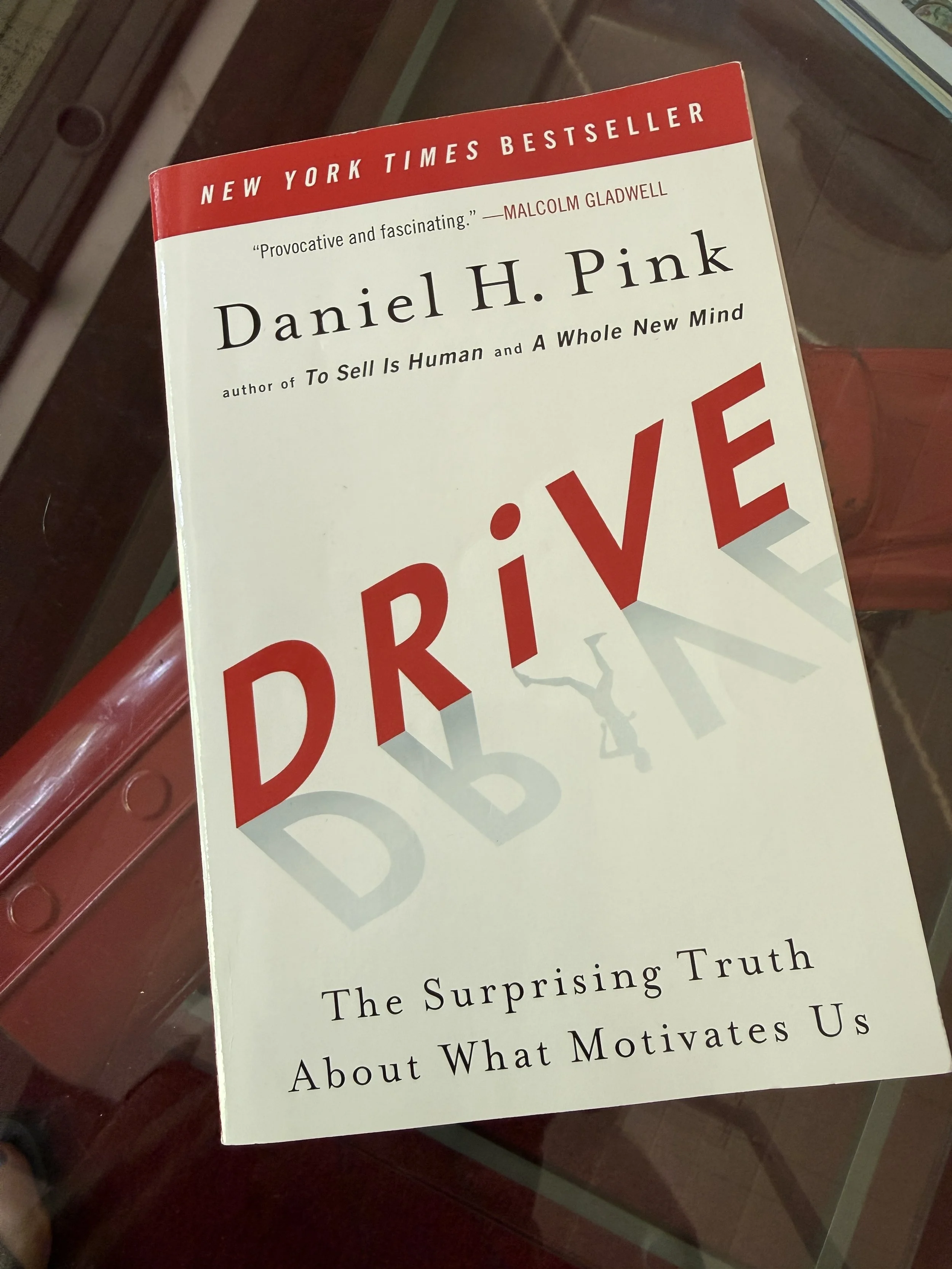
Are you curious how motivation works? If so, you’ll love Drive – The Surprising Truth About What Motivates Us by bestselling author Daniel Pink.

Drawing on 50 years of behavioral science research, Pink argues for rethinking conventional wisdom about motivation. He explains that the outdated “carrot and stick” approach rarely works.

The most effective motivation stems from three elements: autonomy, mastery, and purpose. He says, “Human beings have an innate inner drive to be autonomous, self-determined, and connected to one another. And when that drive is liberated, people achieve more and live richer lives.”

Drive covers topics, including:

  • Differences between intrinsic and extrinsic motivation

  • How extrinsic rewards can demotivate and lead to worse performance

  • Strategies to awaken motivation, including creating a “To Don’t List”

  • Contrasts between Type I (internal satisfaction) and Type X (external rewards) behavior

To learn more about your motivational behavior, take Pink’s short and enlightening survey.


2. Interesting Research – Motivation Incentive
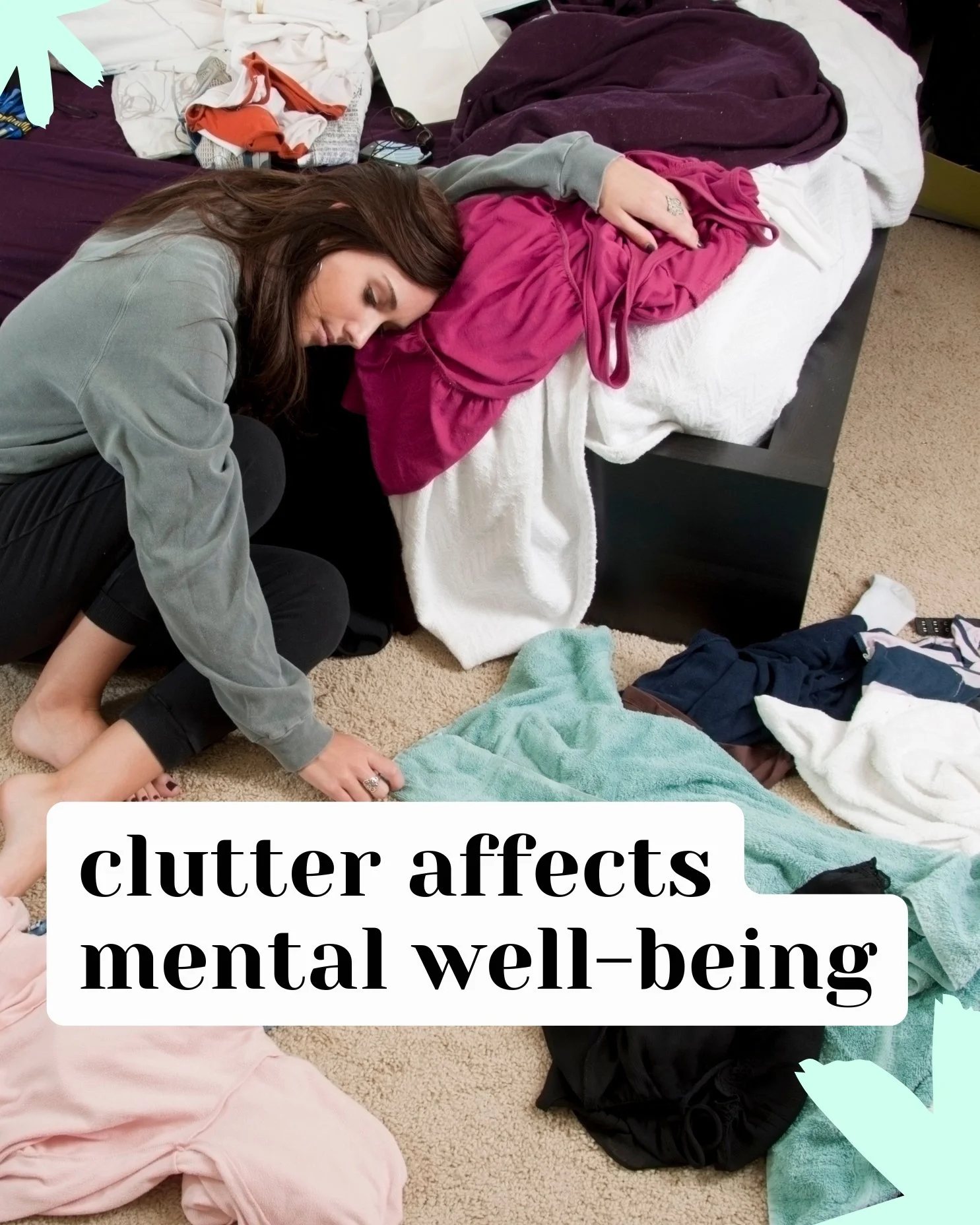
A recent @goodneuroscience Instagram post caught my attention. It asked, “What happens to your brain when you spend most of your time in a cluttered space, according to neuroscience?”

The post cited three studies, including:

Some of the research conclusions indicate:

  • Clutter keeps the visual cortex in a state of low-level processing.

  • Constant low-level processing of the visual cortex (due to clutter) raises cortisol levels over time and makes it harder to rest, even when you’re sitting still.

  • Greater home clutter was associated with lower mental well-being.

  • People with more clutter experienced more negative emotions and lower life satisfaction.

  • Clutter reduced people’s perception of their home’s beauty, which was linked to poorer well-being.

Defining why you want to declutter can boost motivation. Consider these ideas:

  • Decluttering isn’t just about getting organized. It’s not only about having fewer things. It’s about improving how you feel at home.

  • Removing items from your home to experience more peace and beauty is more motivating than “I should clean.”

  • Focusing on enhancing the beauty of your home is a more positive goal than simply saying, “I should get rid of stuff.”

  • Finding simple ways to transform your home into a source of restoration instead of a place of constant visual stress.

These studies offer compelling motivation, especially if you are affected by chronic disorganization or feel overwhelmed by clutter. Shift your focus from letting go of things or from “I should get organized” to creating a home that feels calmer, more peaceful, and enjoyable.

Defining why you want to declutter can boost motivation.
— Linda Samuels, CPO-CD®, CVOP™

 3. Interesting Resource – Motivation Recycling  
Recycling has become part of our everyday experience. There are many differences among towns and cities in what can be recycled curbside and how to do so. This often leaves households with many categories their municipalities don’t pick up. Then what happens?

The plastic bags, wrappers, unwearable textiles, bottle caps and lids, bread tags, pill bottles, electronics, batteries, light bulbs, styrofoam, and more either get thrown out with a side order of guilt or are saved, taking up precious space, until you find a viable recycling source.

Stress no more. Ridwell has you covered. They partner with innovators who help reuse or recycle trickier items.

Ridwell Stats:

  • 97% of what they collect is reused or recycled

  • 35 million pounds have been kept out of landfills so far

Ridwell Services:

  • Bi-weekly pickups starting at $20/month (available in select US cities)

  • Mail-in nationwide service starting at $9/bag

Learn more about the options here: ridwell.com

If your recycling woes are demotivating your efforts, yet you want to become more eco-friendly, consider using Ridwell to bridge that gap. Your motivation will increase as you simplify your recycling plan.


4. Interesting Product – Motivation Tracker
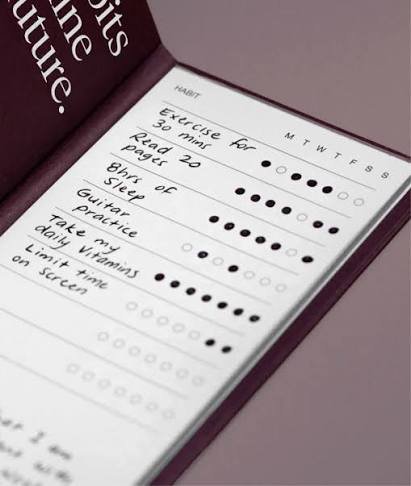
Do you find it hard to build new habits? If so, you’ll love K’arst’s sleek Habit Tracker Pro. The pad helps you:

  • Track up to 8 habits per week

  • Build momentum

  • Reflect on your progress

  • Notice patterns

  • Keep yourself accountable

The Habit Tracker Pro is compact and portable, and its paper is made from recycled stone, which is especially smooth. While many digital trackers are available, if you prefer analog or just want a break from your devices, K’arst’s tracker is an excellent option.

One reviewer said, “This is so easy and so motivating.” And who doesn’t like something that’s easy and motivating?


5. Interesting Thought – Motivation Capable
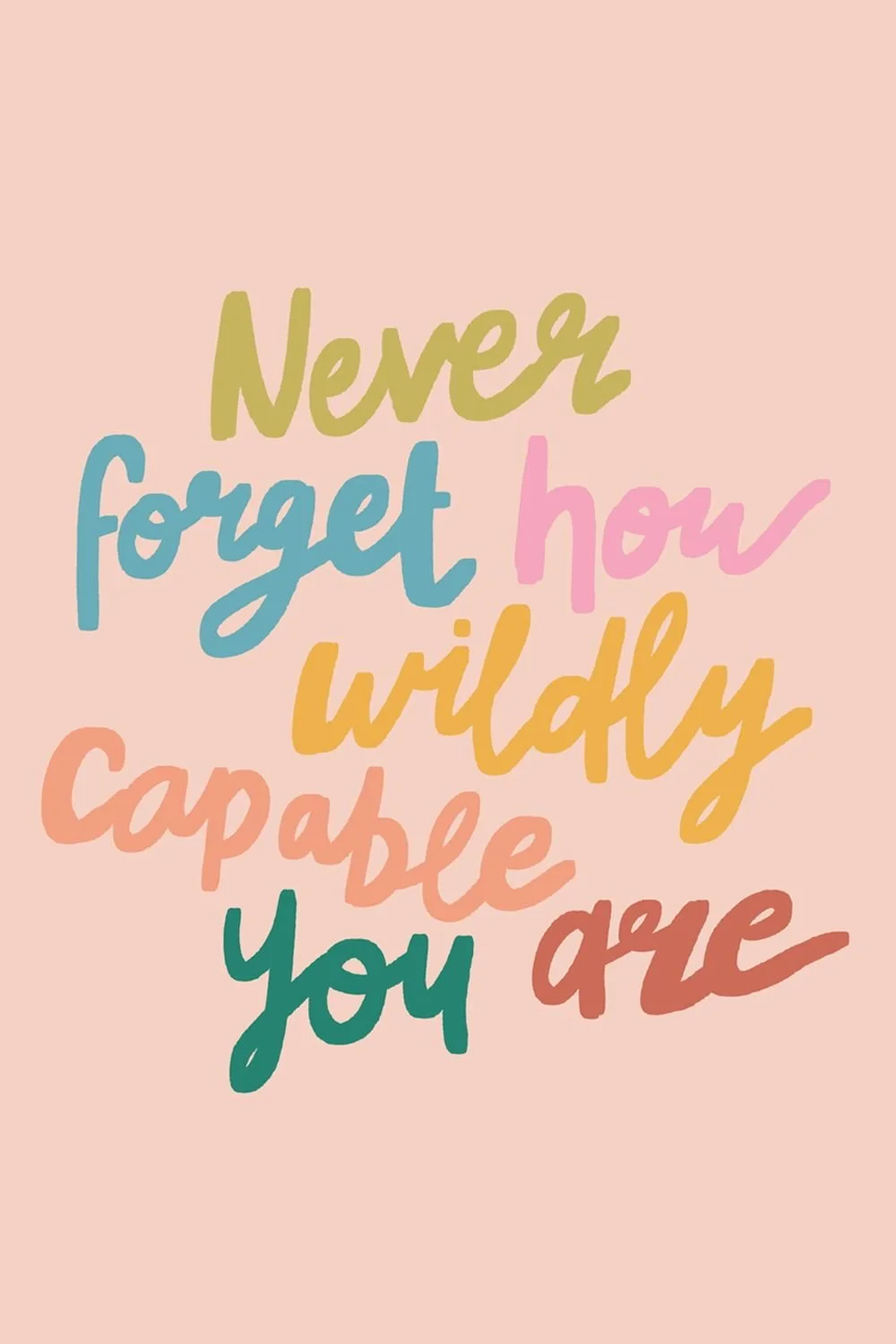
“Never forget how wildly capable you are.” You already have everything you need to make progress. Embodying that idea will help you take action. Action cultivates motivation, which keeps you moving forward.

Being “wildly capable” means you already have the tools to accomplish what you want. These include hard and soft skills, resources, and the ability to find additional support when needed.

Don’t hesitate. Take that first step. The next steps will become clear as you go.


Which Motivation Ideas Work Best?

When clutter feels overwhelming and paralyzing, what will help? As I shared, there are many types of clutter and strategies to help you move forward.

Which of these discoveries resonates most with you? Do you have any decluttering resources or ideas to share? I’d love to hear your thoughts and invite you to join the conversation.


How Can I Help?

Do you feel overwhelmed, stuck, or disorganized? Is clutter preventing you from living the life you want? I’m here to help. Virtual organizing is an extraordinary path forward – Local feel with a global reach.

Let’s talk. I’m easy to reach.

Decluttering, getting organized, and nurturing motivation are possible, especially with support.


How to Actually Recognize the Simple Cues to Help Know Your Next Step

Life is full of signals and cues that often go unnoticed. Maybe you're distracted by thoughts, are overwhelmed, stressed, or feel too busy to slow down. The idea of being present or quieting yourself enough to notice a cue might seem out of reach.

Imagine you’re driving down a busy street. You approach an intersection with a red traffic light. That’s your visual cue to slow down and stop. What if you didn’t? If you ran through the intersection and ignored the signal, it could be disastrous.

What happens instead when you notice the cue (red light) and align your next action with it? You see the red light, take your foot off the gas, step on the brakes, and come to a complete stop.

By noticing the signal, you quickly identified your next steps. The direct benefit was that you chose an option that led to a positive outcome for you and those around you.


What Types of Cues Are Available to You?

Cues are sensory. They can come from what you see, hear, touch, taste, or smell.

The traffic light is an example of a visual cue that guides your next action. Many other types of signals appear in our daily lives.

Here are some common ones and possible next steps:

  • Green flashing light on the toothbrush > Recharge the battery

  • Red flashing light on the air purifier > Change the filter

  • Smell of coffee brewing > Review schedule for the day

  • Last piece of toilet paper > Install a new roll

  • Timer goes off > Wrap up what you’re doing

  • Magazines spilling out of the basket > Sort and recycle the oldest ones

  • Receiving W-2s, 1099s, and other tax forms > Prepare and file your income taxes

  • Jaw tightening and shoulders up > Take a few slow, deep breaths with slightly longer exhales

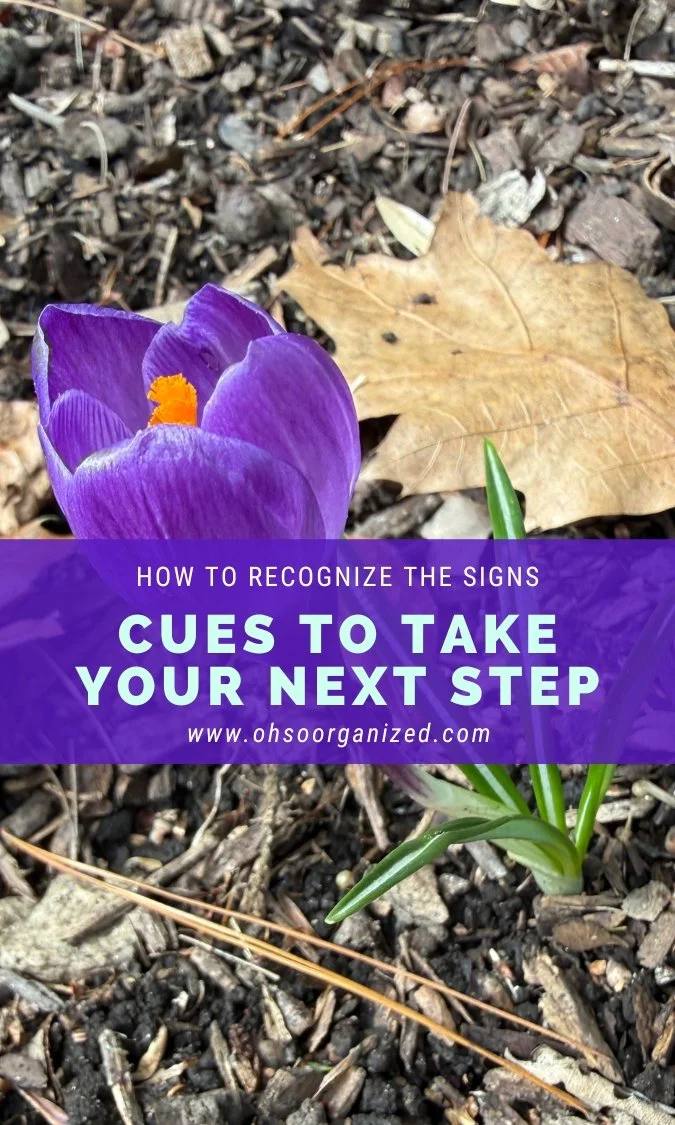
  • Purple crocus emerging > Smile because spring is almost here

What cue do you notice that guides you clearly to your next step?


Cues are sensory. They can come from what you see, hear, touch, taste, or smell.
— Linda Samuels, CPO-CD®, CVOP™


The Value of Awareness

There are cues all around you. Spotting them is very helpful because it can lower stress, overwhelm, and feelings of busyness. Taking a moment to recognize an indicator gives you space to be aware of what you’re feeling and gently choose your next step.

What would help you put this into practice? In which areas could this be most beneficial? I’d love to hear your thoughts. I invite you to join the conversation.


How Can I Help?

Do you feel overwhelmed or disorganized? Do you want to take your next step but feel stuck or unsure? I’m here to help! Virtual organizing is an extraordinary path forward – Local feel with a global reach.

Let’s connect! I’m easy to reach.

Moving forward and getting organized are possible, especially with support.
 
 
What’s Possible When You Focus Energy on One Useful Next Step?

Life requires energy. How much effort do you spend on aspects of your life you have little or no control over? Are distractions and worry preventing you from moving forward?

Focusing your energy and choosing productive actions within your control will guide you toward more fruitful next steps. You may wonder how you can do that.

One option is to do an informal personal energy audit. This evaluation will help you understand where your time and energy go. Once completed, prioritizing next will become more evident.


What is a Personal Energy Audit?

In James Clear’s recent 3-2-1 Thursday newsletter, his idea influenced my thoughts about creating a personal energy audit. To do this, notice where you spend your time and mental energy on a typical day.

Once you have made a quick assessment, you’ll be able to:

Clear says,

“Take all the energy you spend on…

  • worrying about the past

  • worrying about the future

  • worrying about what others think

  • worrying about if you might fail

…and channel that energy into one useful action within your control.”

What a fantastic and powerful call to action!


Notice where you spend your time and mental energy on a typical day.
— Linda Samuels, CPO-CD®, CVOP™


What Will Be Your Essential Next Step?

Clear encourages harnessing those energy gains into just “one useful action.” Select one next small, doable step “within your control” that will result in a positive outcome. Doing that will help reduce overwhelm and increase laser focus.

What will your “useful action” be?


Is Your Energy Aligned with Useful Action?

You will expend energy each day. It is vital to notice where that energy is going. Do you focus on those things that aren’t in your control? Or are you aligning your energy with positive action?

I’d love to hear your thoughts. I invite you to join the conversation.


How Can I Help?

Do you want support organizing, editing, planning, or focusing energy on useful next steps? I’d love to help! Virtual organizing is an extraordinary path forward – local feel with a global reach.

Please schedule a Discovery Call, email me at linda@ohsoorganized.com, or call 914-271-5673. Focusing on what’s next is possible, especially with support.


Ways to Easily Make Next Step by Joyfully Losing Your Negative List

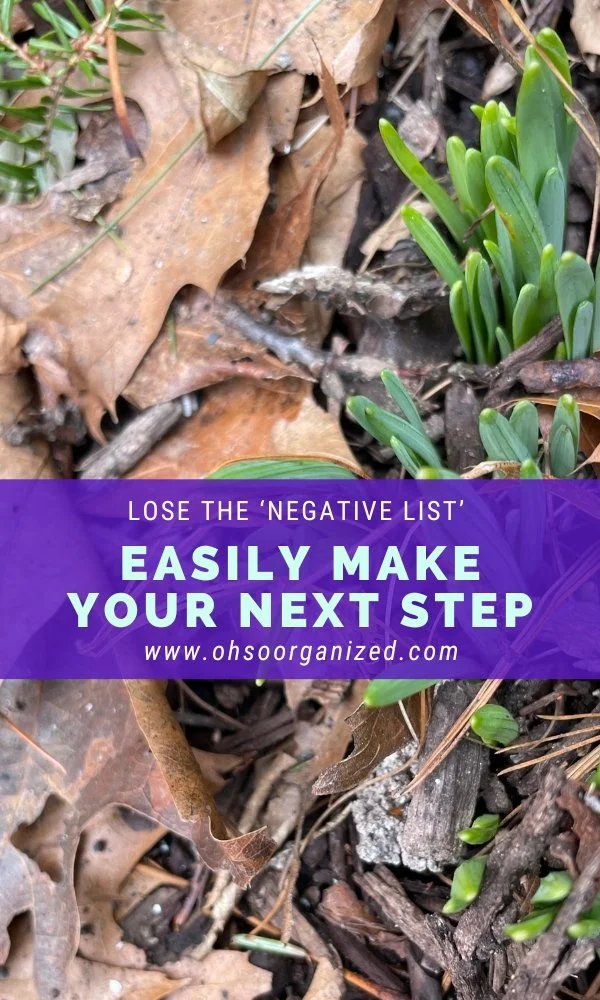
Yes. It’s still officially winter, and our recent run of several warm days has reverted to colder temperatures. Despite the fluctuating thermometer, I notice hopeful signs of spring as nature begins its blooming ritual. Frequent sightings of green plants push through the ground to greet the blue sun-filled sky. They don’t hesitate. After being dormant for months, rejoining life with gusto is their next step.

Nature’s confident growth got me thinking about things that prevent us from moving forward.

  • How about the mile-long to-do list?

  • Is yours dormant and paralyzing?

  • Or are you actively working on it?

  • Is your list meaningful and necessary?

  • Or is it filled with tasks that aren’t essential and you don’t care about?

  • Is your list so daunting that it brings up negative feelings, regret, and disappointment?

  • Or instead does it inspire you to act?

If you are struggling to determine your next step, here is a novel idea: Lose your ‘negative list.’ Crumple it up, let it go, and say buh-bye! That might sound radical, and perhaps it is. But can you imagine doing it anyway? And if you did, what might happen?


What’s On Your Negative List

Things holding you back can be concrete or emotional. They might include things like:

  • Thought loops with messages such as “I can’t” or “I’m not good enough”

  • Projects that would be nice to do, but realistically you’ll never get to

  • Thank you notes that are years overdue

  • Plans you wanted to make with friends or family, but never did

  • Piles of magazines with articles to clip and file

  • Stuff inherited from other people’s lives to sort and edit

  • Papers and objects representing previous careers or life stages to curate and edit

Without realizing it, I had a negative list. It included feeling bad about not yet:


Make Your Next Step Easier

It may sound too simplistic to lose or release your negative list. However, recognizing how it might be holding you back makes it worth trying.

Maybe you’ll decide you still want to attend to some things on that list. And if so, perhaps a reframe of how you think about that ‘thing’ will make the difference. For example, instead of the projects you’ll never get to demotivating you, celebrate the ones you have accomplished. Review the remaining ones to decide if one is worth pursuing. If so, think about it as a project you get to, not have to do. Release the rest.

As Oliver Burkeman says in Four Thousand Weeks, our time is limited. “The average human lifespan is absurdly, terrifyingly, insultingly short.” We will never get everything done or be able to pursue every possibility that exists. Burkeman says, “we’ve been granted the mental capacities to make almost infinitely ambitious plans, yet practically no time at all to put them into action.”

Recognizing these limitations can be freeing. Don’t try to do everything. Instead, let go of what is holding you back and pursue what’s most meaningful and necessary.

Selecting next will become easier. Guilt will be gone. Action and intention will rule the day. What comes next will be joyfully embraced once you are unencumbered by the lingering tasks you’ve chosen to release from your list.

The average human lifespan is absurdly, terrifyingly, insultingly short.
— Oliver Burkeman

What’s Next?

I might forgo choosing a new word and motto this year and even skip a deeper review of 2024. Just considering that option makes me feel lighter and more energetic. After all, I imposed these things on myself, and I can just as quickly release them from my list.

My next steps will prioritize energizing and nourishing actions, projects, and ideas. What will be next for you? What can you release that is holding you back? I’d love to hear your thoughts. I invite you to join the conversation.


How Can I Help?

Do you want support organizing, planning, or figuring out your next step? I’d love to help! Virtual organizing is an extraordinary path forward – local feel with a global reach.

Please schedule a Discovery Call, email me at linda@ohsoorganized.com, or call 914-271-5673. Change is possible, especially with support.