

Posts tagged neuroscience
Here Are 5 Most Interesting and Best Possibility Discoveries - v57

Enjoy the latest edition (v57) of the “What’s Interesting?” series, featuring my recent finds that inspire, spark curiosity, and connect to organizing and life balance. These unique possibility discoveries reflect this month’s blog theme.

You are an engaged, vibrant, and generous group. I’m deeply grateful for your ongoing presence, positive energy, and contributions to this community. I look forward to hearing your thoughts and seeing what else you can add to this curated collection.

What do you find interesting?


What’s Interesting? – 5 Best Possibility Discoveries

1. Interesting Read – Possibility Mindset
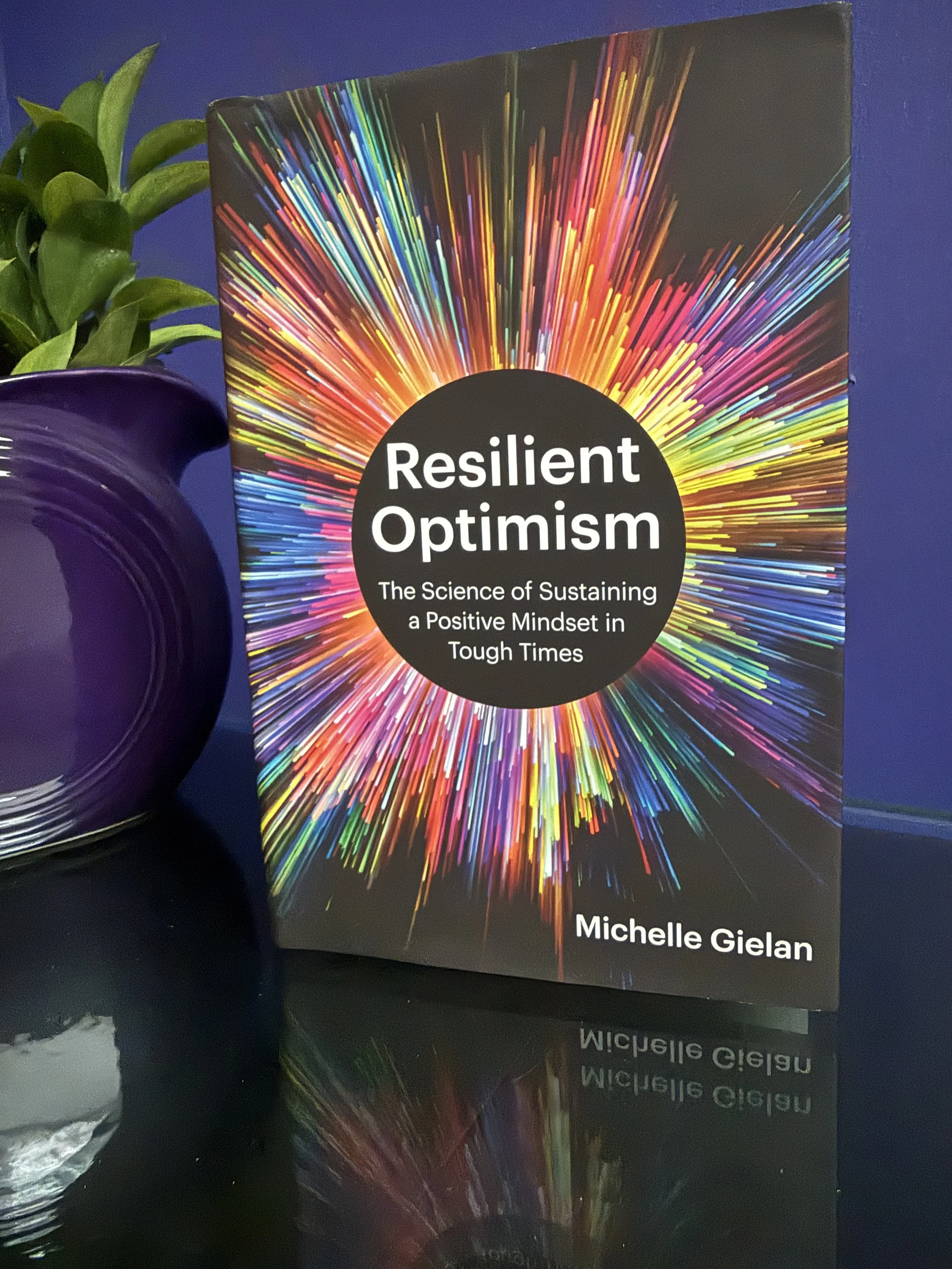
Do you struggle to stay positive and imagine what’s possible, especially during dark times? If so, I highly recommend Resilient Optimism – The Science of Sustaining a Positive Mindset in Tough Times by positive psychology researcher and bestselling author Michelle Gielan.

Drawing on neuroscience research and her work with thousands of leaders, Gielan says, “Resilient optimism is not a one-time mindset. It’s a practice. A daily redirection. A moment-by-moment invitation to pivot toward what’s constructive, energizing, and meaningful.”

When your brain focuses on what’s broken, it limits the brain’s potential. Gielan explains, “The brain runs best when fueled by optimism. The brain is naturally good at detecting threats – we call it negativity bias. When we solely focus on what’s broken, the brain’s threat center (the amygdala) lights up, pulling resources away from the problem-solving prefrontal cortex. But when we also engage with what’s working, the brain responds with creativity, energy, and greater resilience.”

The good news is that resilient optimism is a behavioral shift you can learn. Whether you consider yourself an optimist or a pessimist, Gielan shares doable ways to build your reserves through “deliberate, repeatable actions.”      

Her strategies include ways to:

  • Recalibrate your mindset

  • Change your stress response

  • Triage your commitments

  • Recharge smarter

  • Take small actions

  • Be a “positive deviant”

What will become possible as your mindset shifts?


2. Interesting Product – Possibility Openers
What happens when you feel stuck and are in a mental rut? Do you shut down, feel low on energy, get anxious, or find it difficult to imagine a way forward? If so, you’re not alone. There are many ways to get unstuck.

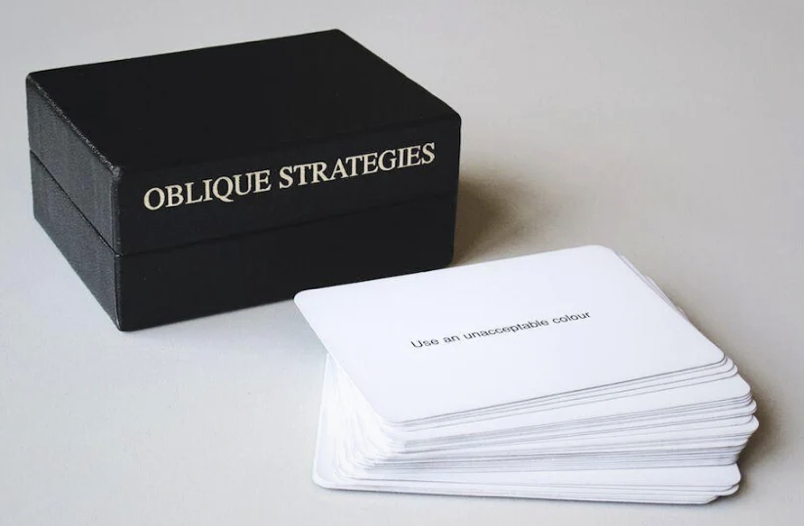
Decades ago, creatives Brian Eno and Peter Schmidt created Oblique Strategies, a deck of cards designed to help artists, musicians, writers, and other creatives “break through mental roadblocks” and “approach their work from fresh, unexpected angles.” The prompts can help anyone.

Each card offers a single, direct suggestion, such as “Use an old idea” or “Listen to the quiet voice.” Not every prompt will resonate with you, but some might offer the fresh perspective you need. “The goal is to challenge habitual thinking patterns and invite new possibilities into the creative process.”

Are you ready to explore new possibilities? If so, this deck could help.

“Resilient optimism is not a one-time mindset. It’s a practice.”
— Michelle Gielan

3. Interesting Article – Possibility Walk  

In the Time article “Why You Should Take a 10-Minute ‘Thinking-Walk,’” writer Angela Haupt highlights the many benefits of walking, including:

  • Processing thoughts

  • Sparking creativity

  • Solving problems

  • Taking an intentional break from technology

  • Resetting after intense focus

  • Improving mood

  • Reducing stress

  • Protecting long-term mobility

  • Easing anxiety and depression

Imagine what a “thinking walk” could do for you. When your mind is full, you’re stuck on a problem, or you’re struggling to imagine what’s possible, take a walk. Research highlights the value of walking without your electronic devices. Disconnect and let your mind wander. You can do this. It’s only ten minutes.

Although you can walk indoors, walking outdoors can further boost your well-being.


4. Interesting Resource – Possibility Shifts

Are you or someone you know overwhelmed by shopping too much? During a presentation on overshopping, I learned that 33.5 million people are addicted shoppers. We live in a society that constantly bombards us with marketing messages to buy more, newer, and better things. Sales entice us to buy things we don’t really need. Messages like “shop till you drop” make light of a serious addiction: overshopping.

Does breaking the shopping cycle feel impossible? If so, help is available. Carrie Rattle is a financial therapist, shopping-addiction expert, and founder of Behavioral Cents. Dr. April Lane Benson, Carrie’s colleague, friend, and a pioneer in the field of overshopping, mentored Carrie. In 2020, April sold her business to Carrie.

Carrie offers a variety of services, including individual coaching, group coaching, an online community, workshops, and her book, To Buy or Not To Buy – Tools to break the cycle and take control of your life.

What would be possible if you could, as Carrie says, shift from “compulsion to control”?


5. Interesting Thought – Possibility Scenario
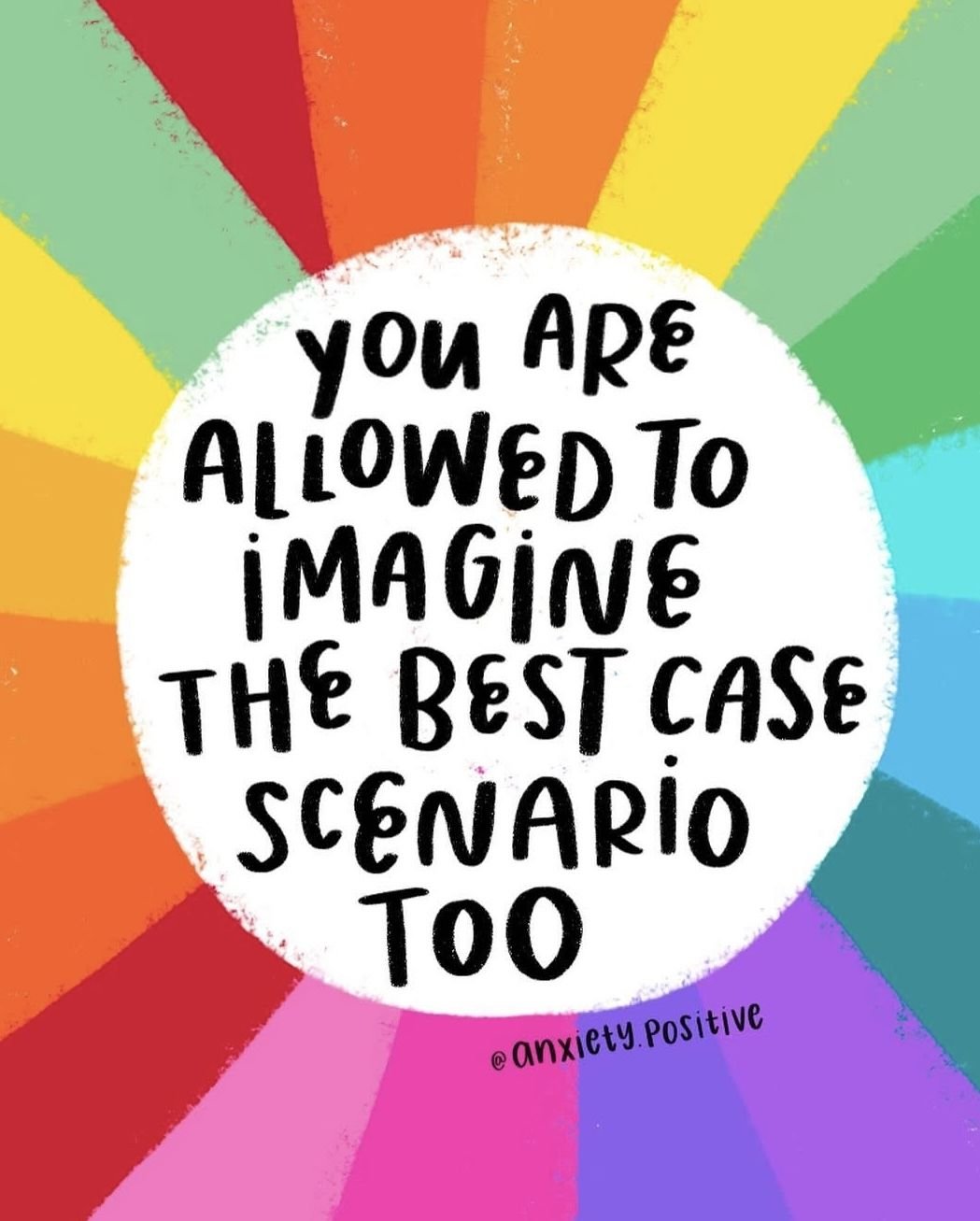
“You are allowed to imagine the best case scenario.” Mindset matters. Instead of dwelling on “I can’t,” “It will never happen,” or “It’s going to be awful,” consider what might be possible. Focus on learning, growing, and exploring new possibilities.

Shifting your thoughts can help you change your path. Think about a project or situation you’re finding challenging right now. What does the best-case scenario look like? What’s one small action you can take now to move in that direction?


What Is Possible Now?

When it’s hard to imagine what’s possible, what helps? As I’ve shared, there are many ways to shift your thoughts and actions and move forward with a more possibility-focused perspective.

Which of these discoveries resonates most with you? Do you have resources or ideas about possibility thinking to share? I’d love to hear your thoughts and invite you to join the conversation.


How Can I Help?

Do you feel overwhelmed, stuck, or disorganized? Are your thoughts keeping you from living the life you want? I’m here to help. Virtual organizing is an extraordinary path forward—Local feel with a global reach.

Let’s talk. I’m easy to reach.

Decluttering, getting organized, and seeing what’s possible can happen, especially with support.


3 Powerful Questions to Cut Through the Noise and See What's Possible

Figuring out what’s possible can feel elusive for many reasons. Your mind can be busy, distracted, clouded, or overloaded. This “noise” can make it hard to see your options. Other factors can make possibility thinking harder, including:

  • Unsupportive physical environment

  • Overwhelming schedule

  • Difficulty making decisions

What if you had a toolbox of questions that could reduce the chatter, bring clarity, and spark action?

Powerful questions can help you get unstuck while also offering benefits such as:

  • Lowering stress

  • Ruminating less

  • Taking more action

  • Boosting energy

  • Improving well-being

James Clear writes a weekly 3-2-1 newsletter that I love receiving. The format is simple: he shares three ideas, two quotes, and one question. This post draws inspiration from his newsletter.


3 Powerful Questions to Cut Through the Noise and See What’s Possible

1. Remove Your Distraction

Oh, those distractions! They can be everywhere. There can be so many that trying to eliminate them all feels overwhelming. If physical interruptions or annoyances in your environment are getting in the way, removing one distraction is an excellent place to start.

To do this, Clear suggests that you “Pick one room where you spend a lot of time…Keep what serves you or inspires you. Remove what distracts you.”

Powerful Question 1:

“What is one item in this room that you no longer use or do not benefit from?”
— James Clear

2. Narrow Your Objective

There’s nothing wrong with thinking big or having a lot you want to accomplish. However, if too many goals or ideas make it hard to know what to focus on, consider narrowing the scope. This can help you get unstuck and make progress.

Clear says, “Clarity isn’t about knowing what you want to do with your life, it’s about knowing what you want to do this week. You don’t need to have it all figured out. You just need to know your next step.”

Powerful Question 2:

“What is the next step you can take right now to support what you want to do this week?”
— Linda Samuels, CPO-CD®, CVOP™


3. Reframe Your Focus

Each day, do you tend to focus more on fixing problems or on enhancing what’s working? Neuroscience research suggests that our brains are wired for a negativity bias. In our evolutionary past, paying attention to potential threats helped keep us safe by detecting danger and responding quickly through fight, flight, or freeze. However, this bias can create obstacles today.

By recognizing this bias, you can ask different questions that shift your focus from fixing what’s wrong to building on what’s right. Clear shared an idea from executive coach Joe Hudson. Instead of asking a question that reinforces the negativity bias, “What’s wrong and how do I fix it?” try experimenting with this reframe instead:

Powerful Question 3:

“What’s right and how do I grow it?”
— Joe Hudson

What’s Possible for You?

When you clear the noise, clarify where to focus, and change how you approach what’s in front of you, meaningful progress follows. With three simple questions, you can not only imagine what’s possible but also take the action needed to make it happen.

Which questions resonate with you? How have you used these or similar questions? I’d love to hear your thoughts, and I invite you to join the conversation.


How Can I Help?

Do you feel overwhelmed, stuck, or disorganized? You don't have to face this alone. I’m here to help! Get unstuck and make progress. Virtual organizing is an extraordinary path forward—with a local feel and a global reach.

Let’s talk! I’m easy to reach.

Getting organized, making progress, and focusing on what’s possible are all doable, especially with support.


Here Are 5 Most Interesting and Best Motivation Discoveries - v56

Enjoy the latest edition (v56) of the “What’s Interesting?” series, featuring my most recent finds that inspire, spark curiosity, and relate to organizing and life balance. These unique motivation discoveries reflect this month’s blog theme.

You are an engaged, vibrant, and generous group. I am deeply grateful for your ongoing presence, positive energy, and contributions to this community. I look forward to your participation and further contributions to this curated collection.

What do you find interesting?


What’s Interesting? – 5 Best Motivation Discoveries

1. Interesting Read – Motivation Truth

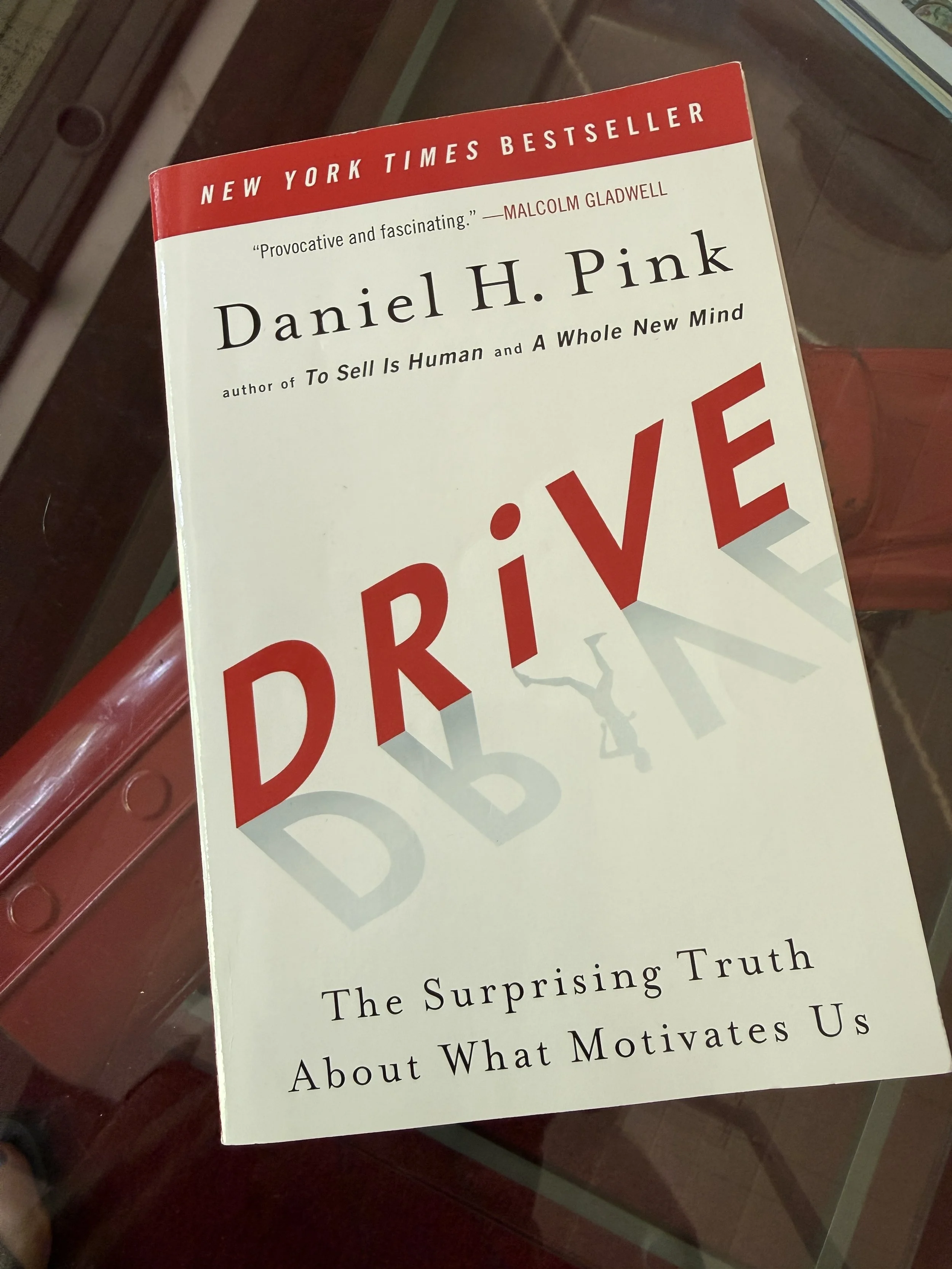
Are you curious how motivation works? If so, you’ll love Drive – The Surprising Truth About What Motivates Us by bestselling author Daniel Pink.

Drawing on 50 years of behavioral science research, Pink argues for rethinking conventional wisdom about motivation. He explains that the outdated “carrot and stick” approach rarely works.

The most effective motivation stems from three elements: autonomy, mastery, and purpose. He says, “Human beings have an innate inner drive to be autonomous, self-determined, and connected to one another. And when that drive is liberated, people achieve more and live richer lives.”

Drive covers topics, including:

  • Differences between intrinsic and extrinsic motivation

  • How extrinsic rewards can demotivate and lead to worse performance

  • Strategies to awaken motivation, including creating a “To Don’t List”

  • Contrasts between Type I (internal satisfaction) and Type X (external rewards) behavior

To learn more about your motivational behavior, take Pink’s short and enlightening survey.


2. Interesting Research – Motivation Incentive

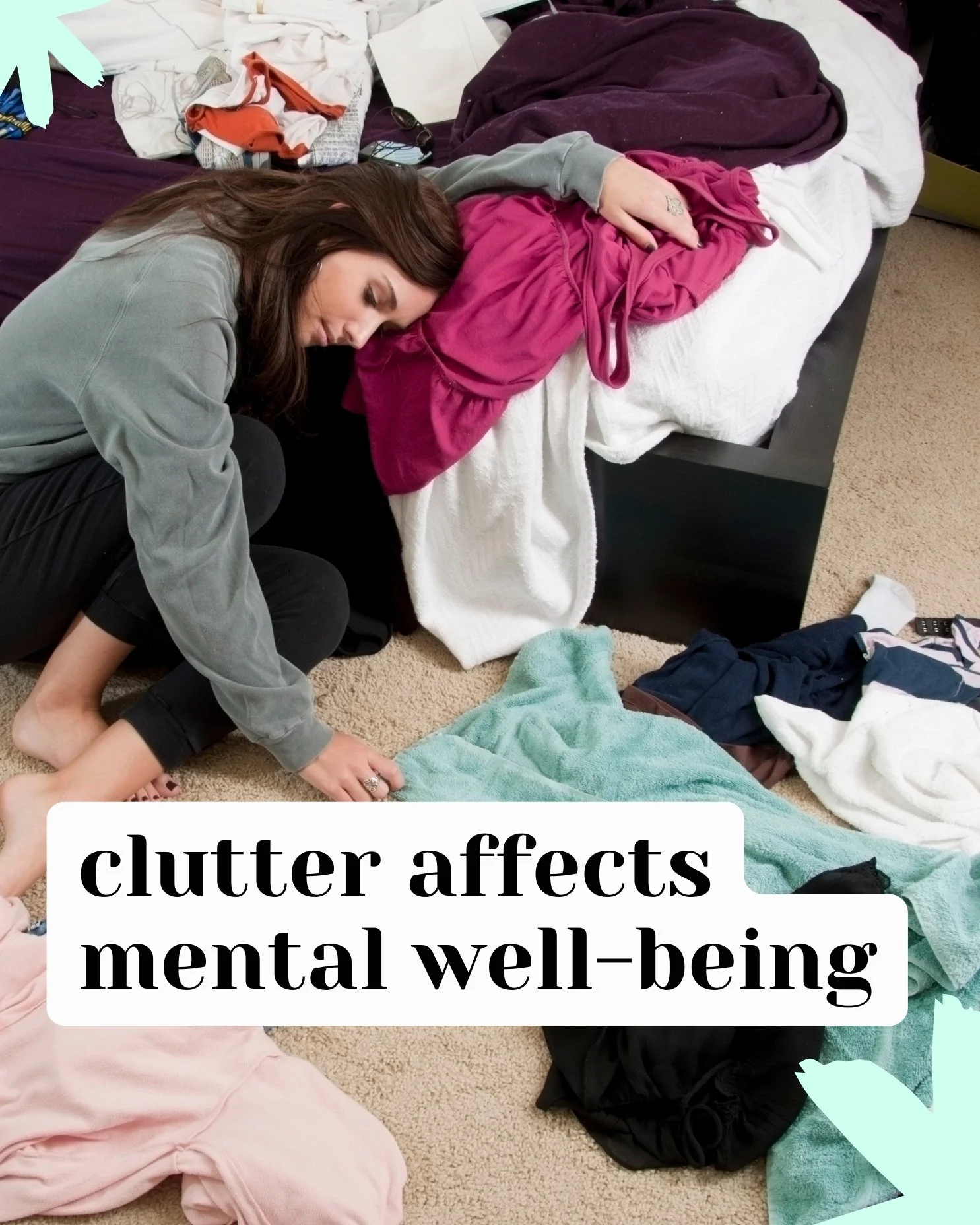
A recent @goodneuroscience Instagram post caught my attention. It asked, “What happens to your brain when you spend most of your time in a cluttered space, according to neuroscience?”

The post cited three studies, including:

Some of the research conclusions indicate:

  • Clutter keeps the visual cortex in a state of low-level processing.

  • Constant low-level processing of the visual cortex (due to clutter) raises cortisol levels over time and makes it harder to rest, even when you’re sitting still.

  • Greater home clutter was associated with lower mental well-being.

  • People with more clutter experienced more negative emotions and lower life satisfaction.

  • Clutter reduced people’s perception of their home’s beauty, which was linked to poorer well-being.

Defining why you want to declutter can boost motivation. Consider these ideas:

  • Decluttering isn’t just about getting organized. It’s not only about having fewer things. It’s about improving how you feel at home.

  • Removing items from your home to experience more peace and beauty is more motivating than “I should clean.”

  • Focusing on enhancing the beauty of your home is a more positive goal than simply saying, “I should get rid of stuff.”

  • Finding simple ways to transform your home into a source of restoration instead of a place of constant visual stress.

These studies offer compelling motivation, especially if you are affected by chronic disorganization or feel overwhelmed by clutter. Shift your focus from letting go of things or from “I should get organized” to creating a home that feels calmer, more peaceful, and enjoyable.

“Defining why you want to declutter can boost motivation.”
— Linda Samuels, CPO-CD®, CVOP™

 3. Interesting Resource – Motivation Recycling  

Recycling has become part of our everyday experience. There are many differences among towns and cities in what can be recycled curbside and how to do so. This often leaves households with many categories their municipalities don’t pick up. Then what happens?

The plastic bags, wrappers, unwearable textiles, bottle caps and lids, bread tags, pill bottles, electronics, batteries, light bulbs, styrofoam, and more either get thrown out with a side order of guilt or are saved, taking up precious space, until you find a viable recycling source.

Stress no more. Ridwell has you covered. They partner with innovators who help reuse or recycle trickier items.

Ridwell Stats:

  • 97% of what they collect is reused or recycled

  • 35 million pounds have been kept out of landfills so far

Ridwell Services:

  • Bi-weekly pickups starting at $20/month (available in select US cities)

  • Mail-in nationwide service starting at $9/bag

Learn more about the options here: ridwell.com

If your recycling woes are demotivating your efforts, yet you want to become more eco-friendly, consider using Ridwell to bridge that gap. Your motivation will increase as you simplify your recycling plan.


4. Interesting Product – Motivation Tracker

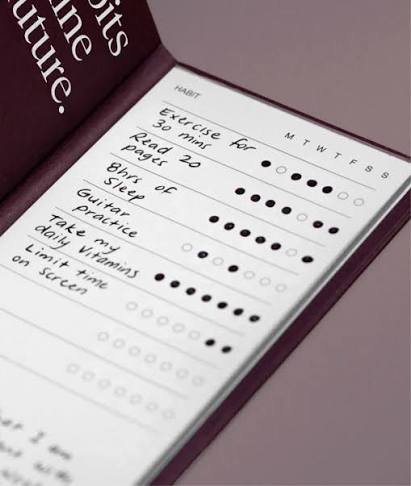
Do you find it hard to build new habits? If so, you’ll love K’arst’s sleek Habit Tracker Pro. The pad helps you:

  • Track up to 8 habits per week

  • Build momentum

  • Reflect on your progress

  • Notice patterns

  • Keep yourself accountable

The Habit Tracker Pro is compact and portable, and its paper is made from recycled stone, which is especially smooth. While many digital trackers are available, if you prefer analog or just want a break from your devices, K’arst’s tracker is an excellent option.

One reviewer said, “This is so easy and so motivating.” And who doesn’t like something that’s easy and motivating?


5. Interesting Thought – Motivation Capable

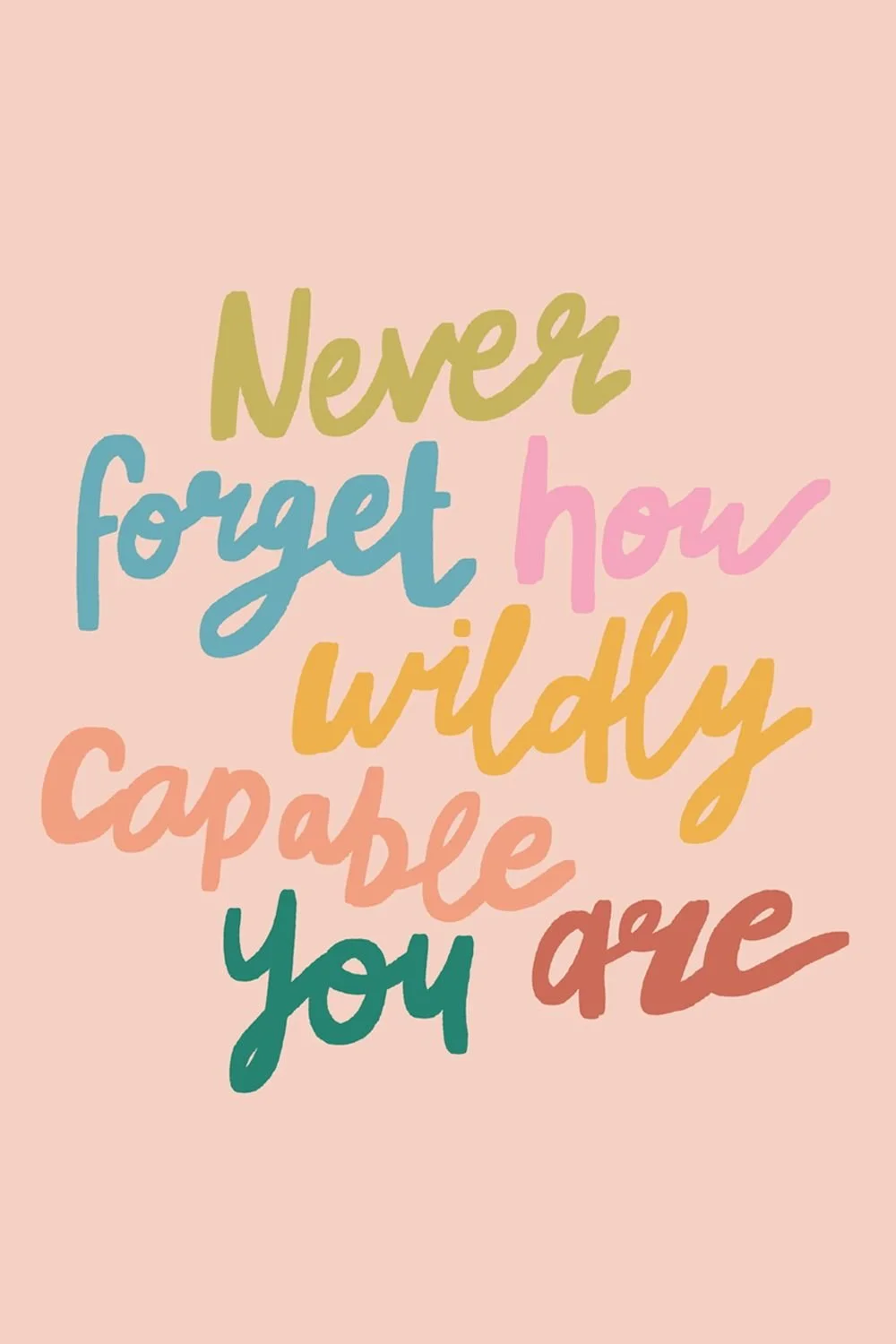
“Never forget how wildly capable you are.” You already have everything you need to make progress. Embodying that idea will help you take action. Action cultivates motivation, which keeps you moving forward.

Being “wildly capable” means you already have the tools to accomplish what you want. These include hard and soft skills, resources, and the ability to find additional support when needed.

Don’t hesitate. Take that first step. The next steps will become clear as you go.


Which Motivation Ideas Work Best?

When clutter feels overwhelming and paralyzing, what will help? As I shared, there are many types of clutter and strategies to help you move forward.

Which of these discoveries resonates most with you? Do you have any decluttering resources or ideas to share? I’d love to hear your thoughts and invite you to join the conversation.


How Can I Help?

Do you feel overwhelmed, stuck, or disorganized? Is clutter preventing you from living the life you want? I’m here to help. Virtual organizing is an extraordinary path forward – Local feel with a global reach.

Let’s talk. I’m easy to reach.

Decluttering, getting organized, and nurturing motivation are possible, especially with support.


3 Fantastic Reasons to Declutter Now Instead of One Day

Is your life overflowing with stuff? Even if your belongings have ‘homes’ and you know where to find them, does the sheer volume feel overwhelming? Drawing on more than thirty years of working with clients and my own life experience, I’ve seen how the accumulation of stuff happens. It’s a slow (and sometimes not-so-slow) creep of collecting. 

One day, you look around and wonder:

  • Where did all this stuff come from?

  • Do I still need these things?

  • Are they taking up too much space, management time, and mental energy?

  • Is all this stuff necessary for the life I’m living now?

  • What will happen to my belongings when I’m gone?

  • What would life feel like with less?

  • What would it feel like to align what I own with the life I’m living?

There are many ways to think about clutter and the physical items that accompany your life. Let’s look at three reasons why decluttering sooner rather than later could benefit you. If even one idea resonates with you, it could be the cue and motivation you need to begin the decluttering process.


3 Compelling Reasons to Declutter Now Instead of Waiting

1. 300,000!

A frequently cited statistic in the organizing industry and media is the number of things we accumulate. Estimates suggest that the average American household may contain hundreds of thousands of items. The number often cited is 300,000. That’s a lot of stuff!

Whether that’s your number is a separate question. I don’t know what our household number is. Out of curiosity, I counted some objects in a few areas, and I was surprised by what I found:

  • 778 – Number of items in the bedroom clothing closet, including clothes, hangers, shoes, shoe boxes, and some accessories. We have additional clothes and shoes in the dressers and other areas.

  • 289 – Number of items in the dining room china cabinet. We have more dishes in the kitchen.

  • 49 – Number of items in the desk pen cup. I have many more writing instruments in other areas and in the supply cabinet.

The 1,116 items counted so far represent only a tiny portion of what we have in our household. I'm not sure whether we actually own 300,000 items. The idea is to recognize what you have and align it with what you want, need, and use.

By focusing on specific areas and doing a quick count, I spotted several things that could go. For instance, I don’t like all the pens that have landed in the pen cup—time to declutter. Even in the china cabinet, there are several dishes I don’t want that could go. While I regularly go through my clothing closet, more could be edited out.

Being aware of how much you have will help you declutter the things that no longer matter or are not useful to you.


2. Yikes!

Clutter can cause stress and affect your ability to focus. My clients have described how clutter affects them as,

  • “I have so much clutter I can’t even think.”

  • “I don’t want to feel overwhelmed by my stuff.”

  • “The clutter is distracting, and I can’t focus.”

  • “Clutter makes me feel agitated and angry.”

  • “I don’t want to feel clutter-related stress and anxiety.”

Research backs up the experience my clients describe. UCLA Center on Everyday Lives of Families (CELF) conducted research and discovered that “cluttered home environments were associated with elevated cortisol levels – especially among women who described their homes as chaotic or stressful.” Cortisol is the hormone produced as part of the body’s stress response.

Neuroscience research on cognitive overload and attention, including Princeton University’s work, shows that visual clutter, or “competing visual stimuli,” reduces the brain’s ability to focus and process information efficiently.

Knowing how clutter can affect your stress, attention, and functioning makes a compelling case for decluttering sooner rather than later.

“Clutter can cause stress and affect your ability to focus.”
— Linda Samuels, CPO-CD®, CVOP™

3. For love.

Recently, I came across an Instagram video featuring Alice D’Antoni Phillips, a psychologist-turned-chef. She discussed the emotional struggle of letting go of sentimental items while downsizing. Alice also described letting go as “an act of care.” She didn’t want to burden her loved ones with decisions about her stuff after she’s gone.

Then she said a beautiful phrase that stuck with me. It’s so gentle, compassionate, and loving. Alice said, “Easing the path of life for the people you love.” In that, she acknowledged that we’re all going to be gone at some point. We are born. We live. We die. That’s the reality.

The other part was about making it easier for the people you love by handling your stuff before you go. Making decisions and decluttering now are expressions of love.

It’s never too soon to start decluttering. Your loved ones will thank you.


Why Declutter Now?

There are countless reasons to declutter now, without delay. Some might be:

  • Your clutter is causing undue stress.

  • You have more things than you use, need, or want.

  • You want to make decisions about your belongings so your loved ones don’t have to after you’re gone.

  • You want to downsize and prepare to move.

  • You’re fed up with all the stuff.

  • You want greater clarity of mind and in your space.

What are your compelling reasons to declutter? What is motivating you? Which ideas resonate most? I’d love to hear your thoughts. I invite you to join the conversation.


How Can I Help?

Do you feel overwhelmed or disorganized? Is the clutter in your life causing stress and keeping you from living the life you want? I’m here to help! You don’t have to do this alone. Virtual organizing is an extraordinary path forward – Local feel with a global reach.

Let’s connect! I’m easy to reach.

Decluttering, getting organized, and living with more ease are possible, especially with support.