Posts tagged chronic disorganization
When Organizing Challenges Feel Overwhelming, It's Time to Ask for Help

Over the 30+ years I’ve been helping overwhelmed individuals create organization and calm in their lives, most of my clients have been affected by chronic disorganization (CD).

When I first started Oh, So Organized! in 1993, I didn’t know what chronic disorganization was. What I did recognize was that the organizational challenges many of my clients faced were complex, persistent, and deep.

It wasn’t until 1995, when I met Judith Kolberg, a pioneer and thought leader in the organizing industry, and heard her speak at my first NAPO (National Association of Productivity and Organizing Professionals) conference, that I learned about the term chronic disorganization, which she coined. I began to understand the complexities of CD and the similarities between my clients and those Judith described.


What is Chronic Disorganization?

As defined by the Institute for Challenging Disorganization (ICD), chronic disorganization:

  • “Persists over a long period of time

  • Frequently undermines the quality of life, and

  • Recurs despite repeated self-help attempts.”

The ICD website further clarifies that “chronic disorganization may be present with brain-based challenges such as ADHD, anxiety, depression, Hoarding Disorder, PTSD, TBI, and more.”

Little did I know that Judith’s panel session at NAPO would have such a profound impact on my work. Since then, I have consistently invested in education, professional development, and certifications to deepen my understanding of chronic disorganization and provide the best possible help and support to my clients. I became actively involved with ICD, received much of my training from ICD, and served as its past president.


The Chronic Disorganization Tapestry

Almost two years ago, I was invited, along with eleven of my colleagues, to be a contributing author to an ICD book they planned to publish. This was an easy “yes” because I’m a big advocate for ICD, the premier educational resource on chronic disorganization.

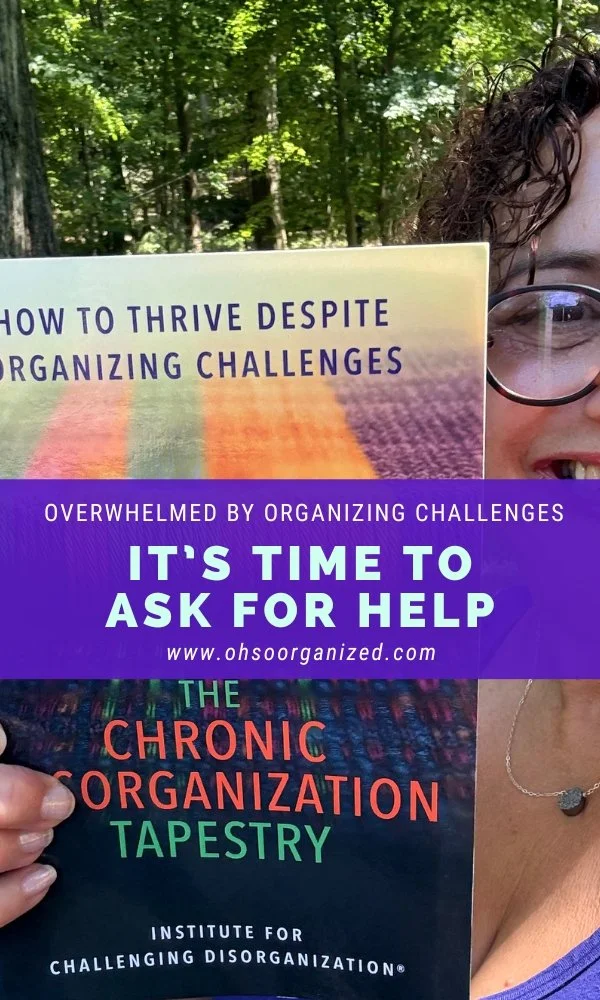
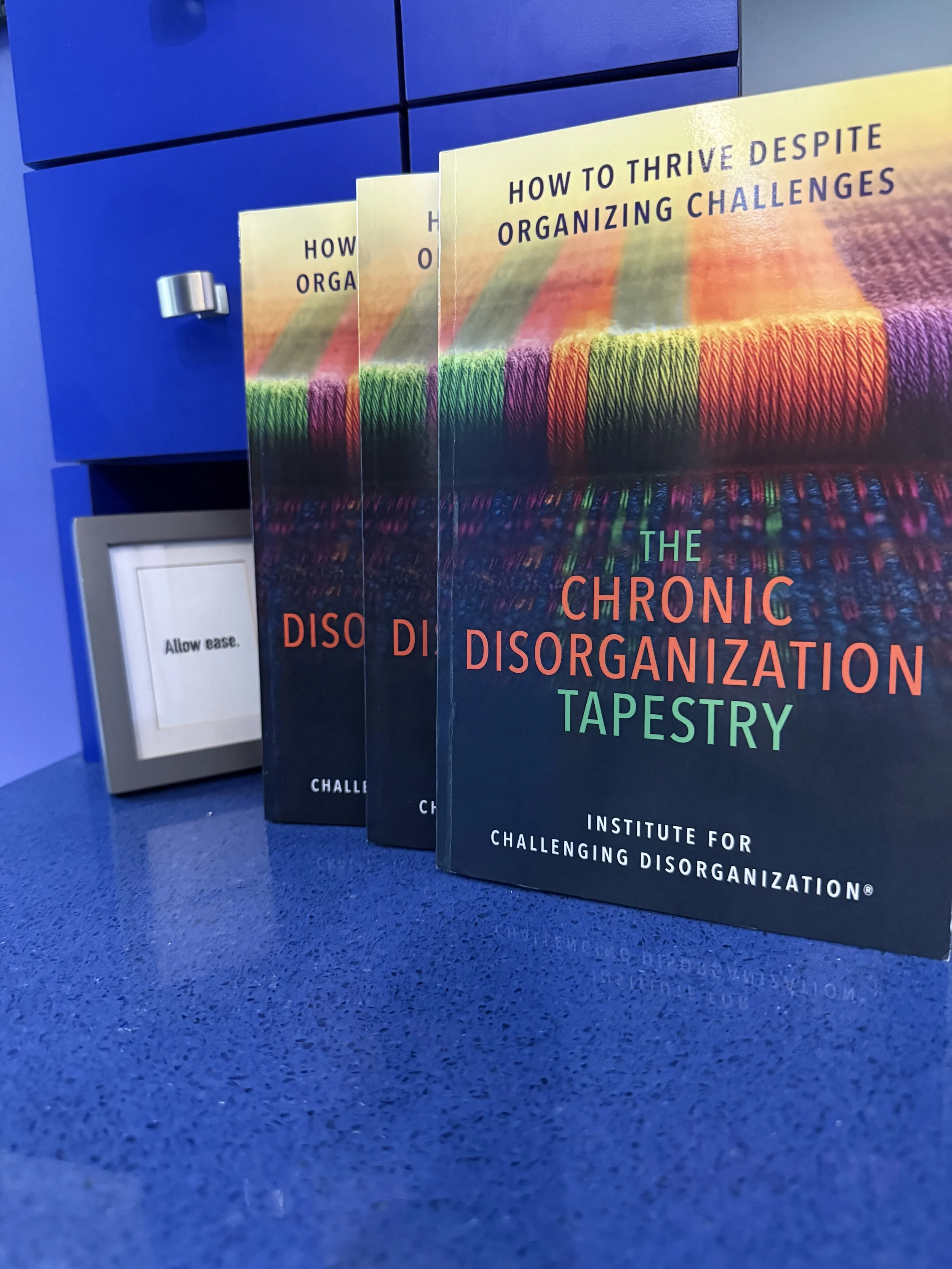
Fast-forward to now, and The Chronic Disorganization Tapestry – How to Thrive Despite Organizing Challenges is finally available! This book is a guide that covers:

  • the unique challenges of chronic disorganization

  • simple, evidence-based strategies

  • case studies

  • insights from industry experts

This publication wouldn’t have been possible without the fierce dedication of the Chronic Disorganization Tapestry Task Force members: Carolyn Caldwell, Laurene Livesey Park, Ingrid Tielemans, and Nacho Eguiarte, and the authors’ contributions. My deepest gratitude and congratulations to all!


A Quick Content Guide

I am honored to be included in ICD’s wonderful new publication, written for people affected by chronic disorganization, professional organizers, and other professionals who support them.

Here is a quick guide to the chapter topics and their authors:

The book is available from retailers including Amazon, Barnes & Noble, Alibris, and Bookshop.

We aren’t meant to go through this life alone. Everyone needs help at times.
— Linda Samuels, CPO-CD®, CVOP™

My Chapter: The Challenge of Giving and Receiving Support

From a young age, I always loved helping others. Over three decades ago, when I considered starting my own company, I knew that helping people had to be a key element of my business. After brainstorming ideas for what type of business would ‘fit’ that requirement, I eventually founded Oh, So Organized!

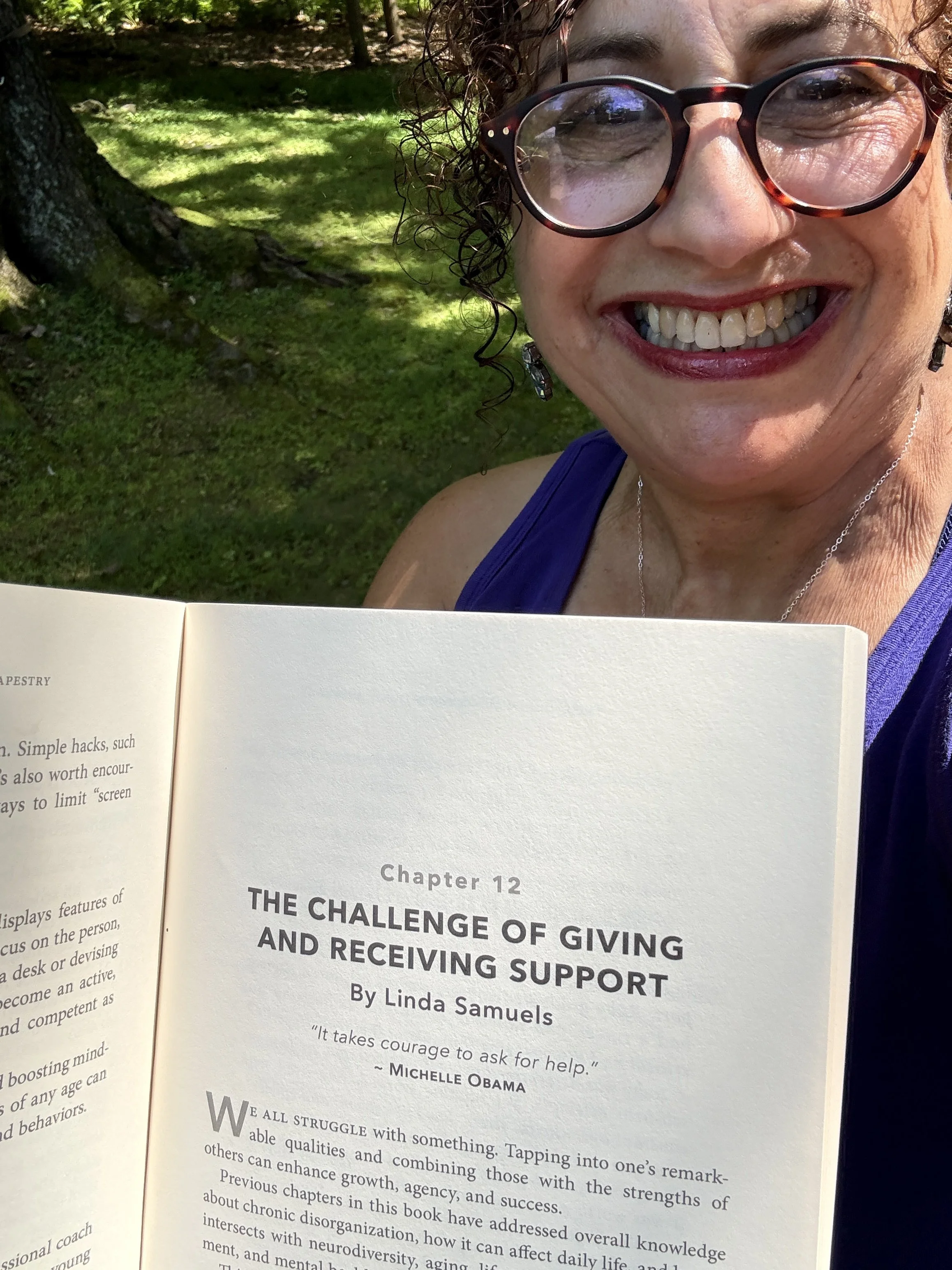
It felt especially meaningful to be asked to write the chapter on giving and receiving support.

In chapter 12, I explore chronic disorganization in the context of giving and receiving support and ways to enhance those benefits. Perspectives are considered from:

  • individuals affected by CD

  • related professionals who support people affected by CD

  • professional organizers who work with individuals affected by CD

We aren’t meant to go through this life alone. Everyone needs help at times, whether it’s practical, technical, or emotional, or simply the presence of another person alongside us. For people affected by chronic disorganization, and for those who support them, fostering compassion, curiosity, and agency is essential to progress and growth.


How Can I Help?

Do you feel overwhelmed, disorganized, or stuck? You don’t have to do this alone. I’m here to help! Virtual organizing is an extraordinary path forward – Local feel with a global reach.

Let’s talk! I’m easy to reach.

Getting organized, building confidence, and reaching your goals are possible, especially with support.
 
 
Here Are 5 Most Interesting and Best Motivation Discoveries - v56

Enjoy the latest edition (v56) of the “What’s Interesting?” series, featuring my most recent finds that inspire, spark curiosity, and relate to organizing and life balance. These unique motivation discoveries reflect this month’s blog theme.

You are an engaged, vibrant, and generous group. I am deeply grateful for your ongoing presence, positive energy, and contributions to this community. I look forward to your participation and further contributions to this curated collection.

What do you find interesting?


What’s Interesting? – 5 Best Motivation Discoveries

1. Interesting Read – Motivation Truth

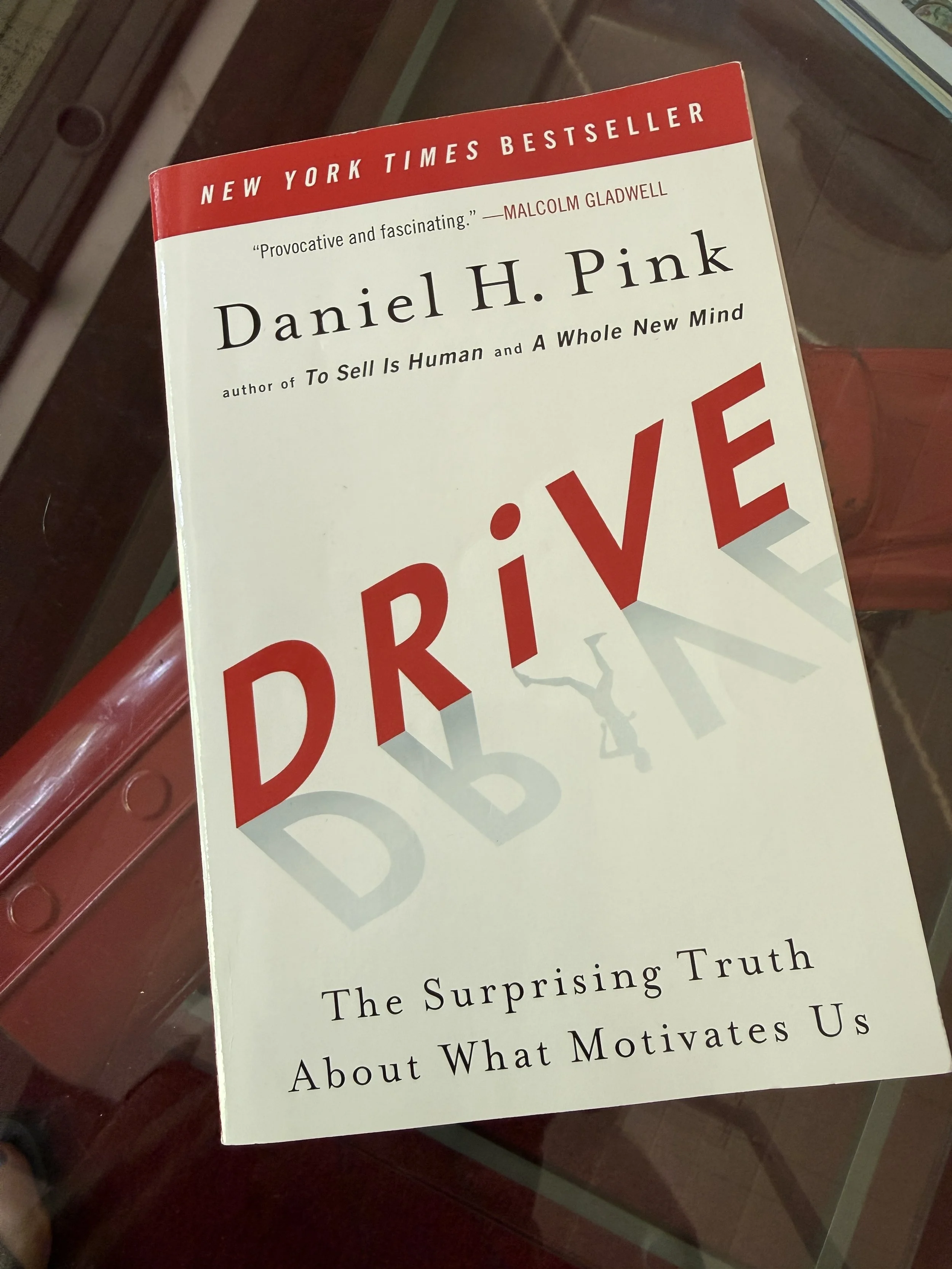
Are you curious how motivation works? If so, you’ll love Drive – The Surprising Truth About What Motivates Us by bestselling author Daniel Pink.

Drawing on 50 years of behavioral science research, Pink argues for rethinking conventional wisdom about motivation. He explains that the outdated “carrot and stick” approach rarely works.

The most effective motivation stems from three elements: autonomy, mastery, and purpose. He says, “Human beings have an innate inner drive to be autonomous, self-determined, and connected to one another. And when that drive is liberated, people achieve more and live richer lives.”

Drive covers topics, including:

  • Differences between intrinsic and extrinsic motivation

  • How extrinsic rewards can demotivate and lead to worse performance

  • Strategies to awaken motivation, including creating a “To Don’t List”

  • Contrasts between Type I (internal satisfaction) and Type X (external rewards) behavior

To learn more about your motivational behavior, take Pink’s short and enlightening survey.


2. Interesting Research – Motivation Incentive

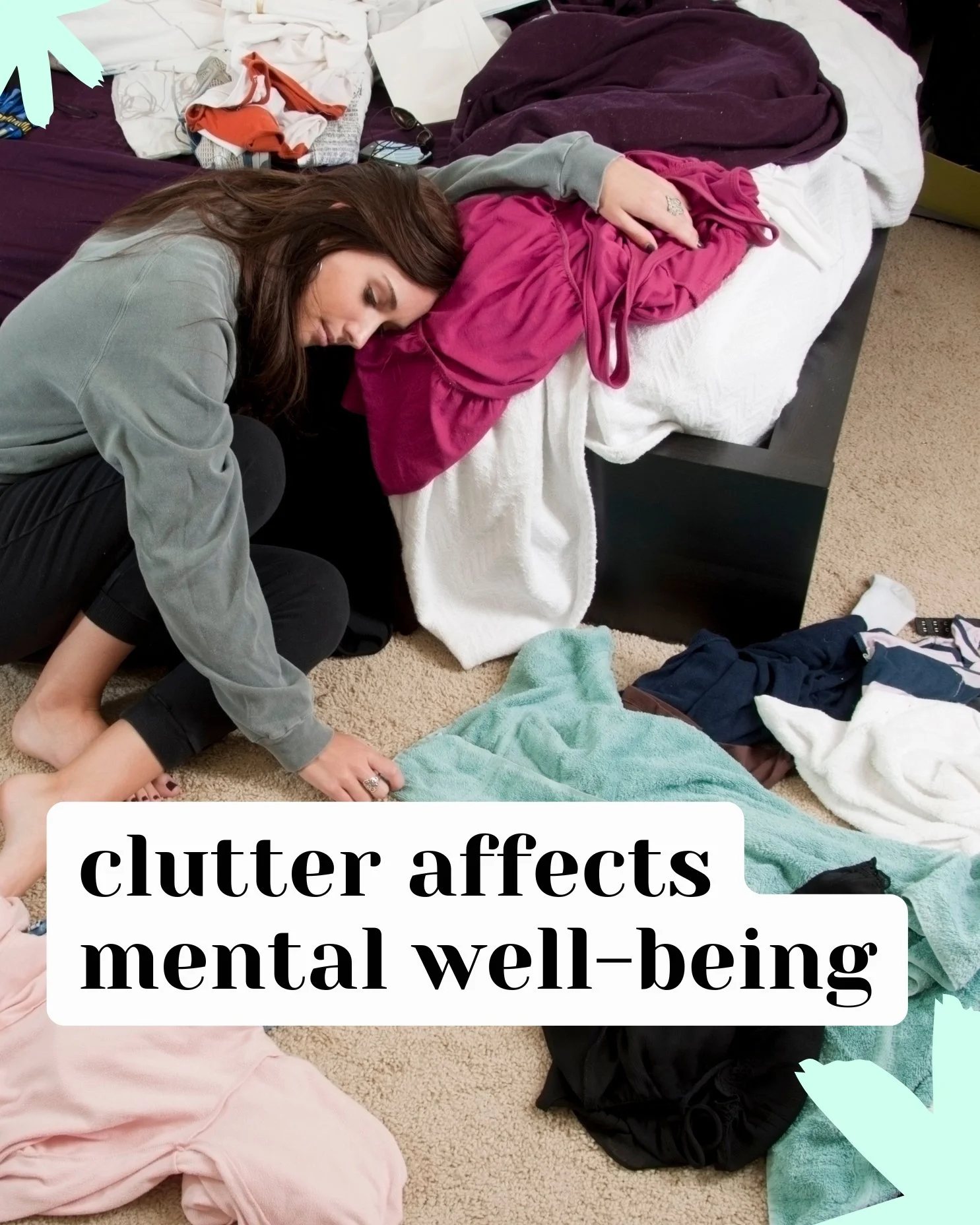
A recent @goodneuroscience Instagram post caught my attention. It asked, “What happens to your brain when you spend most of your time in a cluttered space, according to neuroscience?”

The post cited three studies, including:

Some of the research conclusions indicate:

  • Clutter keeps the visual cortex in a state of low-level processing.

  • Constant low-level processing of the visual cortex (due to clutter) raises cortisol levels over time and makes it harder to rest, even when you’re sitting still.

  • Greater home clutter was associated with lower mental well-being.

  • People with more clutter experienced more negative emotions and lower life satisfaction.

  • Clutter reduced people’s perception of their home’s beauty, which was linked to poorer well-being.

Defining why you want to declutter can boost motivation. Consider these ideas:

  • Decluttering isn’t just about getting organized. It’s not only about having fewer things. It’s about improving how you feel at home.

  • Removing items from your home to experience more peace and beauty is more motivating than “I should clean.”

  • Focusing on enhancing the beauty of your home is a more positive goal than simply saying, “I should get rid of stuff.”

  • Finding simple ways to transform your home into a source of restoration instead of a place of constant visual stress.

These studies offer compelling motivation, especially if you are affected by chronic disorganization or feel overwhelmed by clutter. Shift your focus from letting go of things or from “I should get organized” to creating a home that feels calmer, more peaceful, and enjoyable.

Defining why you want to declutter can boost motivation.
— Linda Samuels, CPO-CD®, CVOP™

 3. Interesting Resource – Motivation Recycling  

Recycling has become part of our everyday experience. There are many differences among towns and cities in what can be recycled curbside and how to do so. This often leaves households with many categories their municipalities don’t pick up. Then what happens?

The plastic bags, wrappers, unwearable textiles, bottle caps and lids, bread tags, pill bottles, electronics, batteries, light bulbs, styrofoam, and more either get thrown out with a side order of guilt or are saved, taking up precious space, until you find a viable recycling source.

Stress no more. Ridwell has you covered. They partner with innovators who help reuse or recycle trickier items.

Ridwell Stats:

  • 97% of what they collect is reused or recycled

  • 35 million pounds have been kept out of landfills so far

Ridwell Services:

  • Bi-weekly pickups starting at $20/month (available in select US cities)

  • Mail-in nationwide service starting at $9/bag

Learn more about the options here: ridwell.com

If your recycling woes are demotivating your efforts, yet you want to become more eco-friendly, consider using Ridwell to bridge that gap. Your motivation will increase as you simplify your recycling plan.


4. Interesting Product – Motivation Tracker

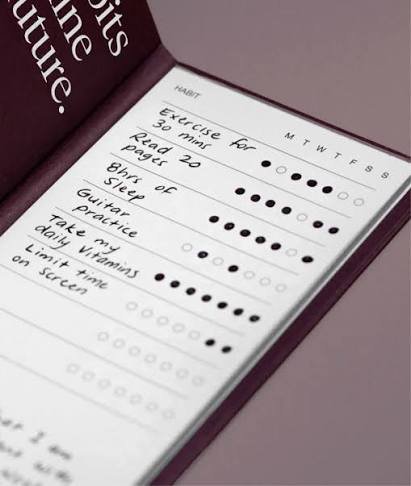
Do you find it hard to build new habits? If so, you’ll love K’arst’s sleek Habit Tracker Pro. The pad helps you:

  • Track up to 8 habits per week

  • Build momentum

  • Reflect on your progress

  • Notice patterns

  • Keep yourself accountable

The Habit Tracker Pro is compact and portable, and its paper is made from recycled stone, which is especially smooth. While many digital trackers are available, if you prefer analog or just want a break from your devices, K’arst’s tracker is an excellent option.

One reviewer said, “This is so easy and so motivating.” And who doesn’t like something that’s easy and motivating?


5. Interesting Thought – Motivation Capable

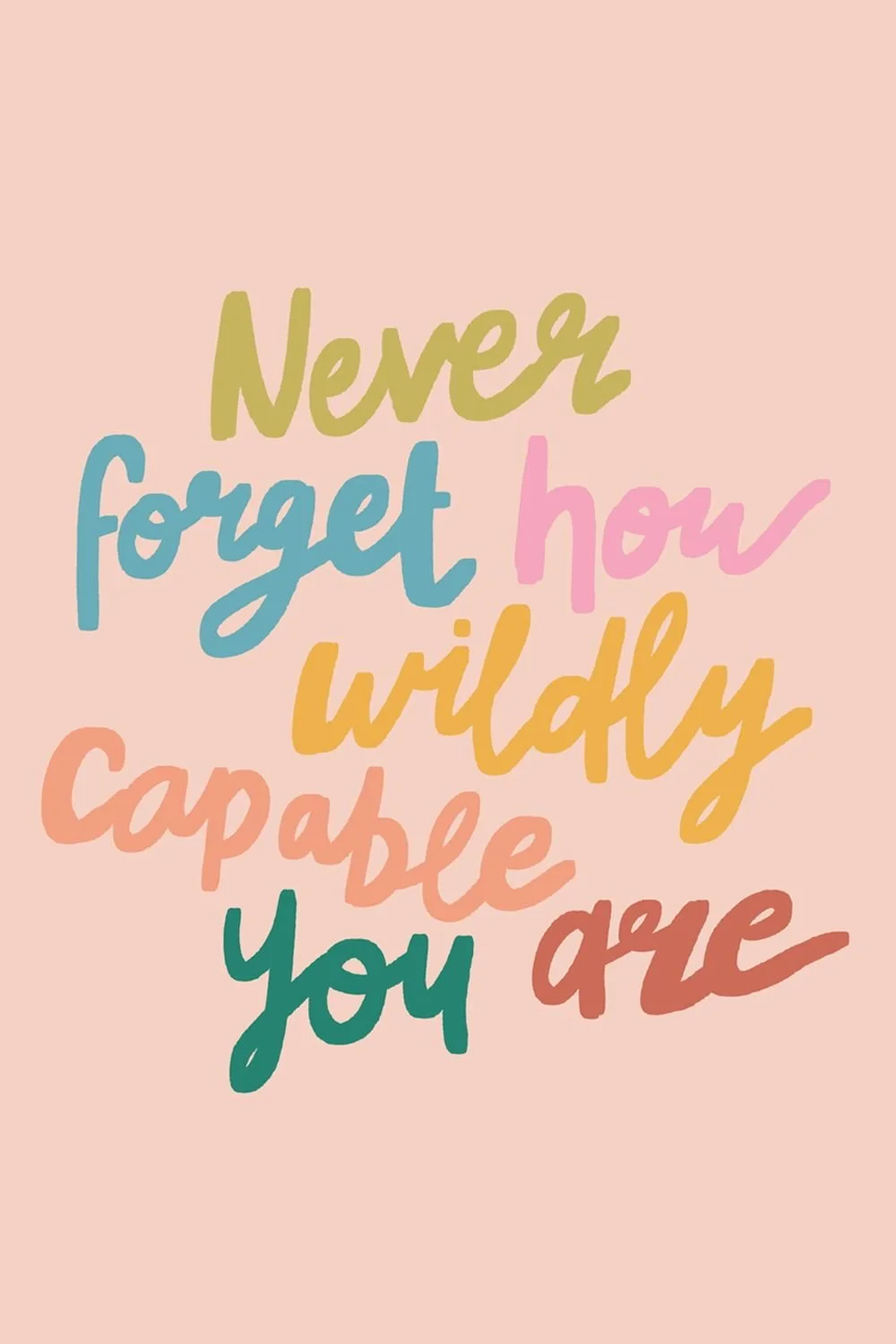
“Never forget how wildly capable you are.” You already have everything you need to make progress. Embodying that idea will help you take action. Action cultivates motivation, which keeps you moving forward.

Being “wildly capable” means you already have the tools to accomplish what you want. These include hard and soft skills, resources, and the ability to find additional support when needed.

Don’t hesitate. Take that first step. The next steps will become clear as you go.


Which Motivation Ideas Work Best?

When clutter feels overwhelming and paralyzing, what will help? As I shared, there are many types of clutter and strategies to help you move forward.

Which of these discoveries resonates most with you? Do you have any decluttering resources or ideas to share? I’d love to hear your thoughts and invite you to join the conversation.


How Can I Help?

Do you feel overwhelmed, stuck, or disorganized? Is clutter preventing you from living the life you want? I’m here to help. Virtual organizing is an extraordinary path forward – Local feel with a global reach.

Let’s talk. I’m easy to reach.

Decluttering, getting organized, and nurturing motivation are possible, especially with support.
 
 
Many Fascinating Ways Your Capacity Affects Your Ability to Change

What is your relationship to change? Do you love change and readily seek it out? Or do you avoid change at all costs? It may depend on the situation. Your feelings about change are influenced by your capacity at any given moment. When you are stressed, overwhelmed, and with no energy or motivation, your capacity for change is low. However, when you’re excited and ready, even if you don’t have all the facts or steps, you have more capacity to seek changes and new opportunities.

It's important to know where you are and what you need. The outcome won’t be great if you try to make a significant change when you’re sleep-deprived and can’t think straight. At those times, instead of pushing beyond your capacity, it’s best to pull back and support what you need. That might mean more sleep, some quiet, or a walk outside.

When you’re ready to stretch and grow, pushing beyond your capacity will be possible. You can do things you’ve never done. This will require physical and emotional energy and mental toughness to stretch past your comfort zone.

Your feelings about change are influenced by your capacity at any given moment.
— Linda Samuels, CPO-CD®, CVOP™

Monthly Sharing Retreat

Each month, I participate in a fantastic virtual retreat led by my wonderful friend and Clarity Coach, Yota Schneider. She creates a safe, supportive space for women to gather, meditate, write, and share.

On a recent retreat, the theme was capacity. I wrote this passage in my journal during our free-write after the meditation, which I’m sharing with you. The more I thought about it, the more I realized how intertwined capacity is with your ability for change.

Thoughts About Capacity

One thing is for sure. My mind has the capacity to go on in a bazillion directions thinking about capacity. Knowing that, I will take one of the tangents and go with it.

Milk Bottles

I thought about a bottle. I was filling up a bottle, like those old rectangular glass milk bottles delivered to the back kitchen door when I was a kid. As I filled up this bottle with clear liquid, guess what? There was a point when it was to the top, and then, in a moment, it was spilling over. To full, overflowing, beyond capacity. What a mess!

Conferences

Next thought. I thought about a professional conference I went to. It was jam-packed with three days of learning. Experts spoke about the brain, learning differences, chronic disorganization, and more. The presenters taught us for six to eight hours each day. Between learning and socializing, my brain was too full by the end of the day. I couldn’t think or formulate a coherent sentence. My intake for the night was beyond capacity. I felt like a soaked sponge that couldn’t absorb another drop. I knew it was time to retreat to the quiet of my hotel room.

Flaco

And lastly, there’s Flaco. He is a giant Eurasian owl born in captivity to parents who also were. He lived in New York City’s Central Park Zoo for over a decade. Then, one night, someone broke into his cage, and he escaped. However, because he was born in captivity, Flaco never learned to hunt or fend for himself. He could barely fly. His capacity was contained.

After his escape, incredible things happened. He became a fascination and inspiration to New Yorkers. One man has been documenting Flaco’s adventures this past year. Flaco, who has a six-foot wingspan, can now fly. He’s a fantastic hunter and can be spotted on tops of buildings or park benches. He stretched beyond his capacity and thrived. Who says owls can’t change?

Milk bottles, conferences, and giant owls. Sometimes, we feel limited by our capacity and must stop or retreat. At other times, we feel inspired to soar to new heights.

Knowing and honoring your capacity for both is the kindest gift you can give. Know when it’s necessary to pull back. Know when it’s time to reach beyond.

Flaco the Owl | Late Night with Seth Meyers

Your Capacity for Change

Locate yourself on the change-capacity scale. Is it time to step back or extend?

If you want assistance aligning your capacity with your change goals, I’d love to help. Please email me at linda@ohsoorganized.com, call 914-271-5673, or click here to schedule a Discovery Call. Change is possible, especially with support.


Here Are Today's Most Interesting and Best Motivation Discoveries - v41

This is the newest release (v41) of the “What’s Interesting?” feature has my latest finds that inform, educate, and relate to organizing and life balance. These unique, inspiring, motivation-related discoveries reflect this month’s blog theme.

You are a passionate, generous, and engaged group. I am deeply grateful for your ongoing presence, positive energy, and contributions to this community. I look forward to your participation and additions to the collection I’ve sourced.

What do you find interesting?


What’s Interesting? – 5 Best MOTIVATION Discoveries

1. Interesting Read – Motivation and Words

The Words We Choose – Your Guide to How and Why Words Matter, author, speaker, and coach Terre Short encourages you to use words authentic to your values and intentions. Through stories, reflections, and activities, Short supports healthy communication, influence, and engagement with words that connect us to ourselves, loved ones, people at work, our written word, and more.

Short says, “You can transform your communication through the power of your words.” Explaining how we speak an average of 16,000 words every day, which “represents a lot of daily word choices...Our daily experiences are shaped by words spoken to and by us. What impact did your words have today?”

If you are motivated to strengthen your relationships, become more emotionally intelligent, improve how you talk to yourself, and align your words, values, and intentions, this book is for you.


2. Interesting Product – Motivation and Labeling

A common organizing principle is to label your stuff. Why? It helps you know at a glance what a box, drawer, or file contains without extensive searching. Having things labeled increases motivation to establish “homes” for your belongings. This makes them easier to retrieve and return.

BoxBrain brings new meaning to labeling. They created “smart labels for smart living.” Their water-resistant labels help you organize your life, especially when packing, unpacking, and storing your things. The labels are color-coded with a QR code connected to their app.

I love BoxBrain’s simple 3-step process:

1. Grab Some Labels – There are 3 sizes and 5 colors.

2. Slap ‘Em On Your Stuff – Label your boxes with the color-coded labels. For example, use blue labels for kitchen items, yellow labels for toys, or green for the home office.

3. Know Where Your Stuff Is – Using your smartphone, scan the label, then enter keywords and photos. Use the keyword search to locate an item quickly.

Motivation increases when you take action, even if it’s tiny.
— Linda Samuels, CPO-CD®, CVOP™

3. Interesting Article – Motivation and Organizing Mistakes

Have you ever worked on an organizing project and made a mistake that crushed your motivation? Maybe you underestimated the needed storage space, took on too many simultaneous projects, or purchased organizing containers before decluttering. Guess what? You’re not alone.

In the recent Redfin article, “Organizing Mistakes: 27 Slip-Ups to Avoid During Your Next Project,” Jamie Forbes features professional organizers, including me (#5). We share our best advice for making your next organizing project a success.

My suggestion is to keep like with like. By corralling similar items together, you can make more informed decisions, stop overbuying, know what you own, and quickly access your belongings.


4. Interesting Resource – Motivation and Downsizing

Are you or someone you know thinking about downsizing to a smaller home but aren’t 100% sure? If so, you’ll love the 10 Signs It’s Time to Downsize and Sell Your Home infographic from HomeLight. The real estate company explains how important timing can be in making that decision. Waiting can cost you more to run a larger home. Also, downsizing as you age can be more challenging due to health or mobility issues.

Motivations to downsize include feeling overwhelmed with home maintenance, your career or family no longer tying you to your location, you want a lifestyle change, or your home no longer fits your needs.

Downsizing is a compelling motivator to make a life change.


5. Interesting Thought – Motivation and Progress


A fascinating aspect of motivation is how it increases when you take action, even if it’s tiny. Progress, no matter how small, is still forward movement. So, when you are feeling discouraged or overwhelmed, instead of giving up, do one little thing. You’ll be amazed how an action will change your perspective from being stuck to feeling hopeful, energized, and motivated.


Do you have an interesting motivation-related discovery? Which of these resonates with you? I’d love to hear your thoughts. I invite you to join the conversation.