

Posts tagged recycling
Here Are 5 Most Interesting and Best Motivation Discoveries - v56

Enjoy the latest edition (v56) of the “What’s Interesting?” series, featuring my most recent finds that inspire, spark curiosity, and relate to organizing and life balance. These unique motivation discoveries reflect this month’s blog theme.

You are an engaged, vibrant, and generous group. I am deeply grateful for your ongoing presence, positive energy, and contributions to this community. I look forward to your participation and further contributions to this curated collection.

What do you find interesting?


What’s Interesting? – 5 Best Motivation Discoveries

1. Interesting Read – Motivation Truth
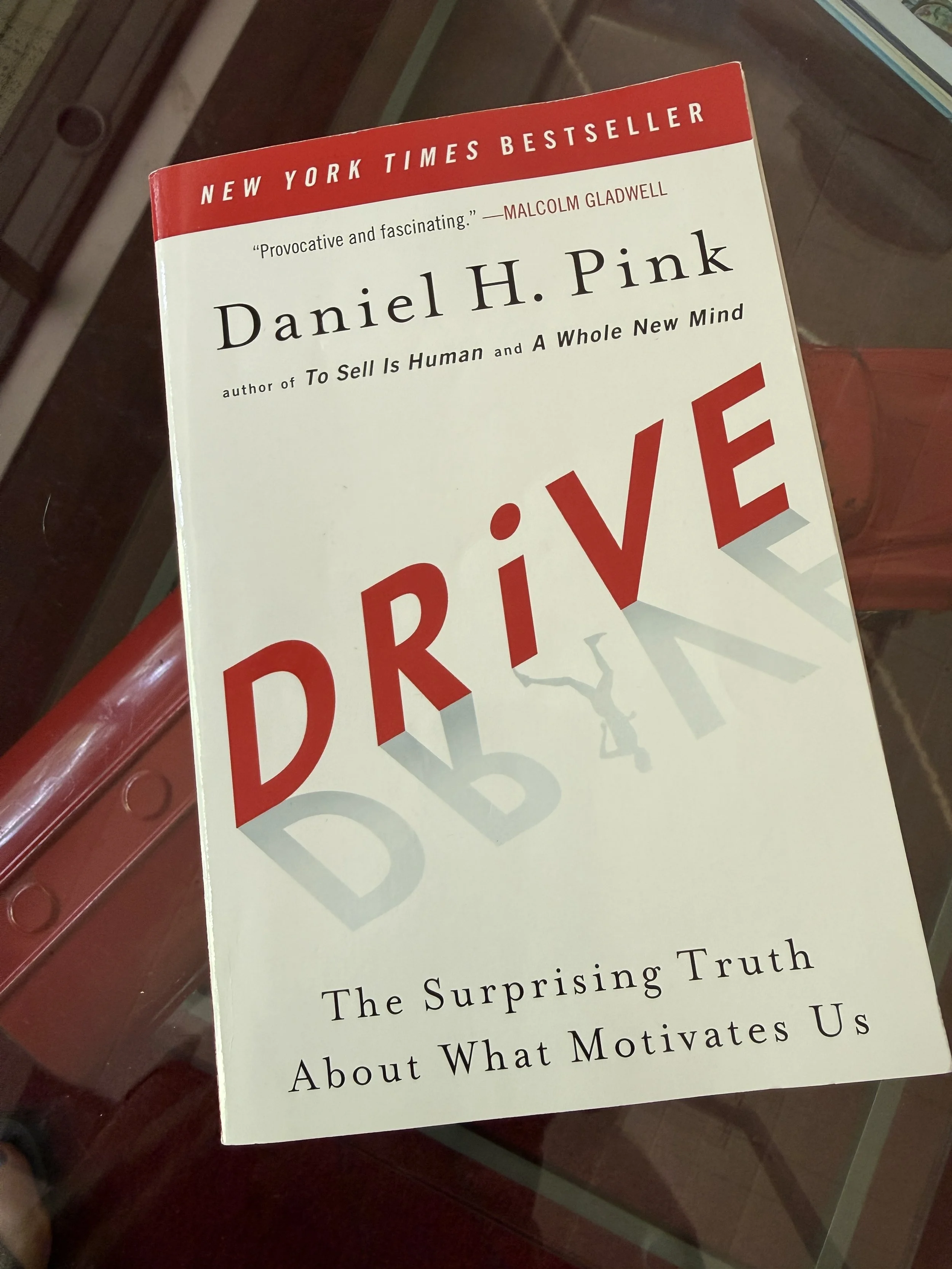
Are you curious how motivation works? If so, you’ll love Drive – The Surprising Truth About What Motivates Us by bestselling author Daniel Pink.

Drawing on 50 years of behavioral science research, Pink argues for rethinking conventional wisdom about motivation. He explains that the outdated “carrot and stick” approach rarely works.

The most effective motivation stems from three elements: autonomy, mastery, and purpose. He says, “Human beings have an innate inner drive to be autonomous, self-determined, and connected to one another. And when that drive is liberated, people achieve more and live richer lives.”

Drive covers topics, including:

  • Differences between intrinsic and extrinsic motivation

  • How extrinsic rewards can demotivate and lead to worse performance

  • Strategies to awaken motivation, including creating a “To Don’t List”

  • Contrasts between Type I (internal satisfaction) and Type X (external rewards) behavior

To learn more about your motivational behavior, take Pink’s short and enlightening survey.


2. Interesting Research – Motivation Incentive
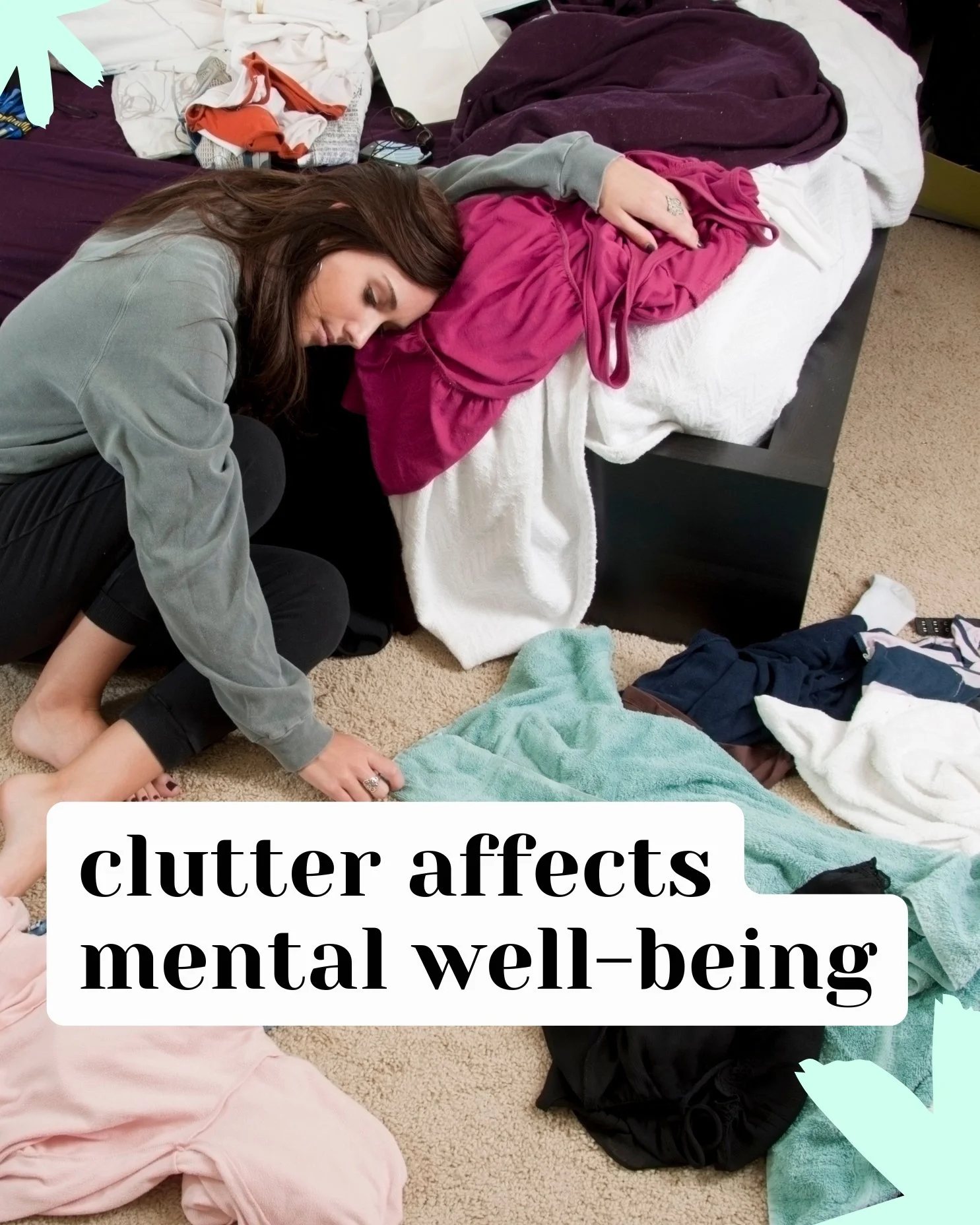
A recent @goodneuroscience Instagram post caught my attention. It asked, “What happens to your brain when you spend most of your time in a cluttered space, according to neuroscience?”

The post cited three studies, including:

Some of the research conclusions indicate:

  • Clutter keeps the visual cortex in a state of low-level processing.

  • Constant low-level processing of the visual cortex (due to clutter) raises cortisol levels over time and makes it harder to rest, even when you’re sitting still.

  • Greater home clutter was associated with lower mental well-being.

  • People with more clutter experienced more negative emotions and lower life satisfaction.

  • Clutter reduced people’s perception of their home’s beauty, which was linked to poorer well-being.

Defining why you want to declutter can boost motivation. Consider these ideas:

  • Decluttering isn’t just about getting organized. It’s not only about having fewer things. It’s about improving how you feel at home.

  • Removing items from your home to experience more peace and beauty is more motivating than “I should clean.”

  • Focusing on enhancing the beauty of your home is a more positive goal than simply saying, “I should get rid of stuff.”

  • Finding simple ways to transform your home into a source of restoration instead of a place of constant visual stress.

These studies offer compelling motivation, especially if you are affected by chronic disorganization or feel overwhelmed by clutter. Shift your focus from letting go of things or from “I should get organized” to creating a home that feels calmer, more peaceful, and enjoyable.

Defining why you want to declutter can boost motivation.
— Linda Samuels, CPO-CD®, CVOP™

 3. Interesting Resource – Motivation Recycling  
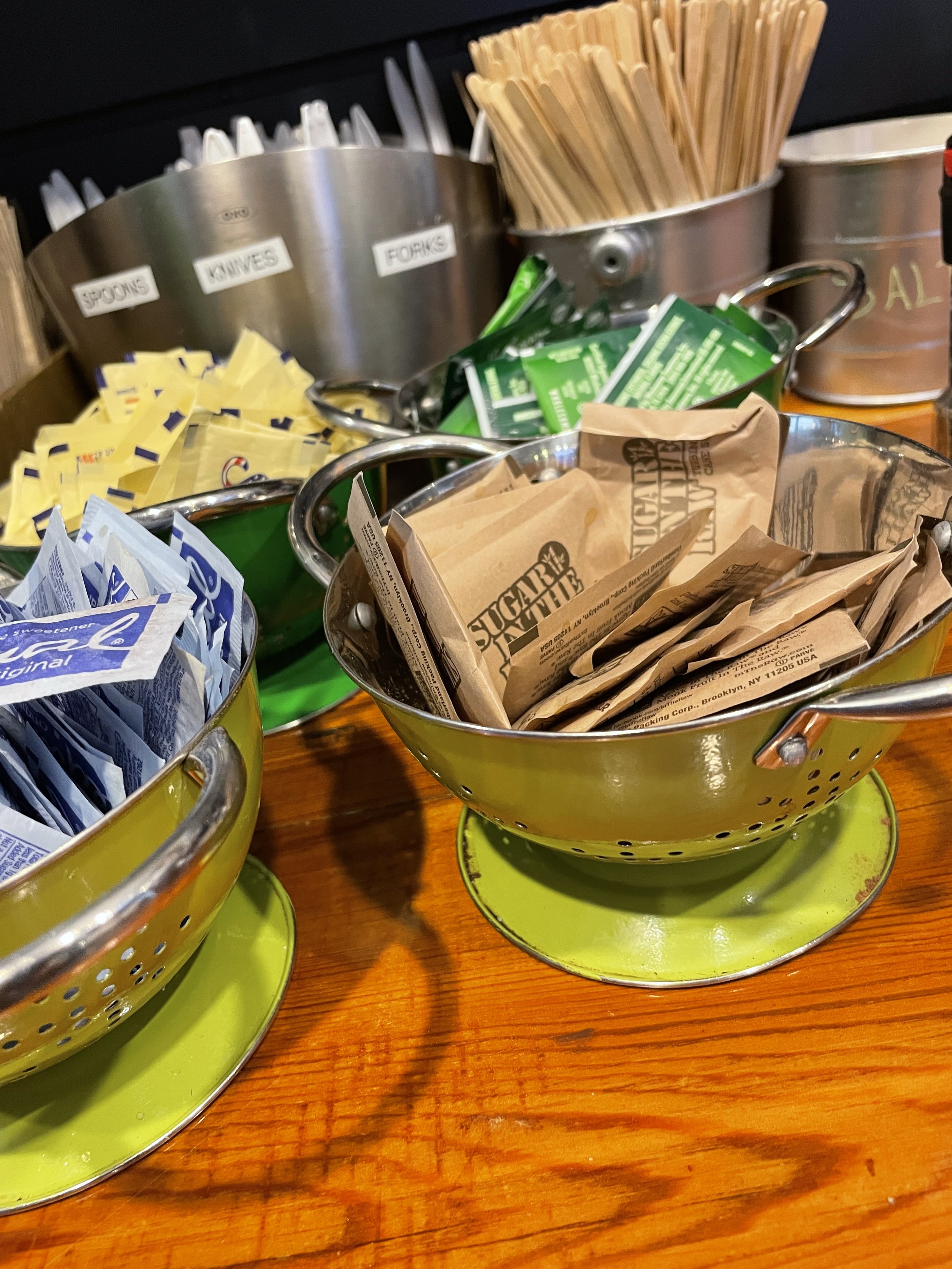
Recycling has become part of our everyday experience. There are many differences among towns and cities in what can be recycled curbside and how to do so. This often leaves households with many categories their municipalities don’t pick up. Then what happens?

The plastic bags, wrappers, unwearable textiles, bottle caps and lids, bread tags, pill bottles, electronics, batteries, light bulbs, styrofoam, and more either get thrown out with a side order of guilt or are saved, taking up precious space, until you find a viable recycling source.

Stress no more. Ridwell has you covered. They partner with innovators who help reuse or recycle trickier items.

Ridwell Stats:

  • 97% of what they collect is reused or recycled

  • 35 million pounds have been kept out of landfills so far

Ridwell Services:

  • Bi-weekly pickups starting at $20/month (available in select US cities)

  • Mail-in nationwide service starting at $9/bag

Learn more about the options here: ridwell.com

If your recycling woes are demotivating your efforts, yet you want to become more eco-friendly, consider using Ridwell to bridge that gap. Your motivation will increase as you simplify your recycling plan.


4. Interesting Product – Motivation Tracker
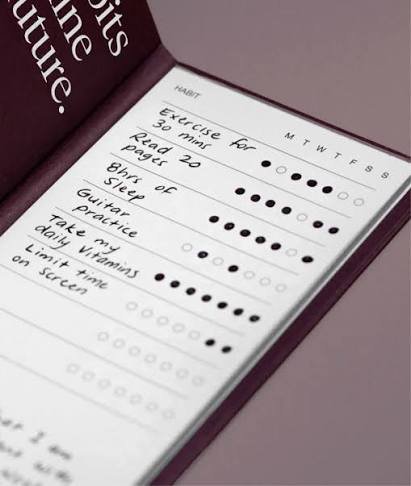
Do you find it hard to build new habits? If so, you’ll love K’arst’s sleek Habit Tracker Pro. The pad helps you:

  • Track up to 8 habits per week

  • Build momentum

  • Reflect on your progress

  • Notice patterns

  • Keep yourself accountable

The Habit Tracker Pro is compact and portable, and its paper is made from recycled stone, which is especially smooth. While many digital trackers are available, if you prefer analog or just want a break from your devices, K’arst’s tracker is an excellent option.

One reviewer said, “This is so easy and so motivating.” And who doesn’t like something that’s easy and motivating?


5. Interesting Thought – Motivation Capable
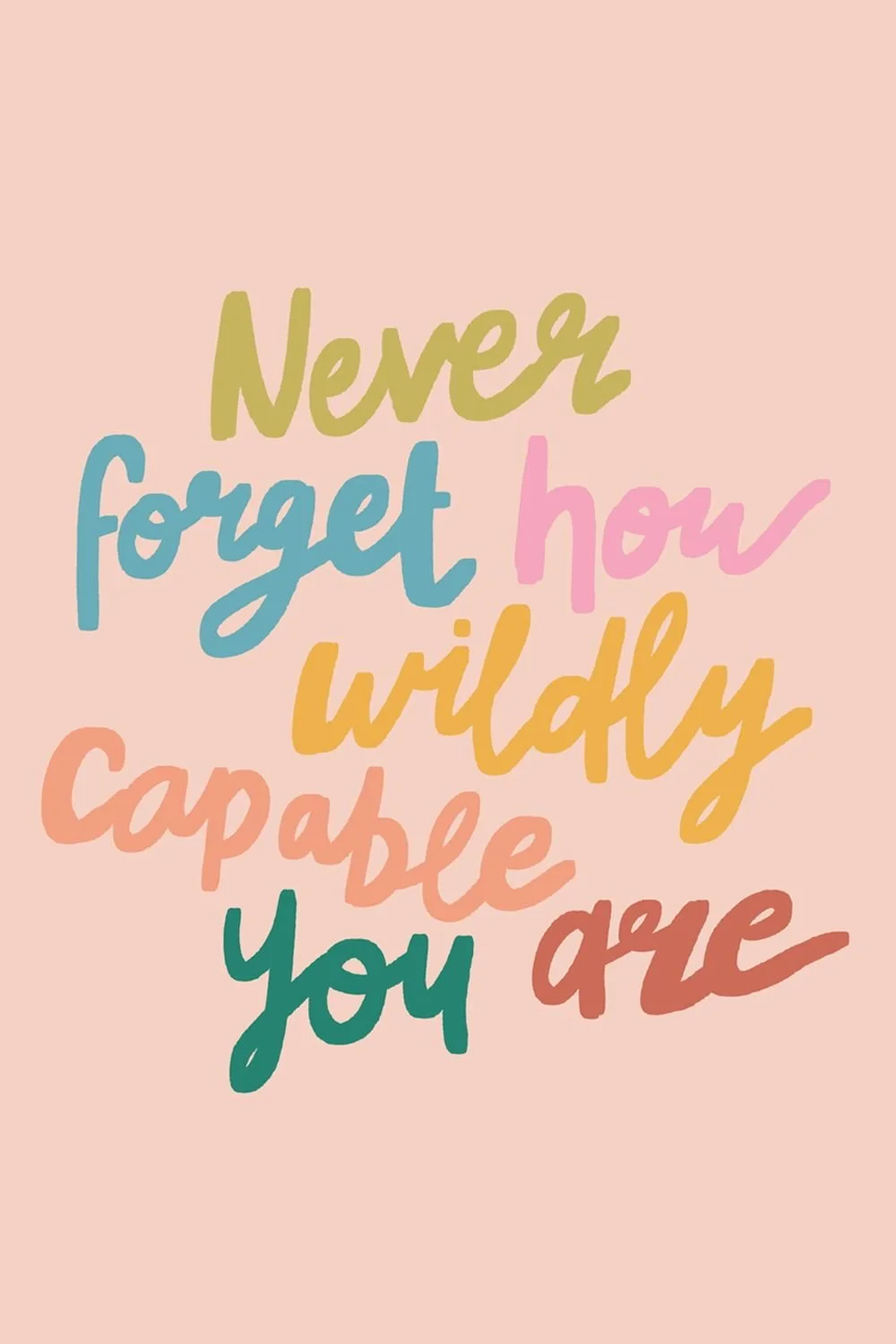
“Never forget how wildly capable you are.” You already have everything you need to make progress. Embodying that idea will help you take action. Action cultivates motivation, which keeps you moving forward.

Being “wildly capable” means you already have the tools to accomplish what you want. These include hard and soft skills, resources, and the ability to find additional support when needed.

Don’t hesitate. Take that first step. The next steps will become clear as you go.


Which Motivation Ideas Work Best?

When clutter feels overwhelming and paralyzing, what will help? As I shared, there are many types of clutter and strategies to help you move forward.

Which of these discoveries resonates most with you? Do you have any decluttering resources or ideas to share? I’d love to hear your thoughts and invite you to join the conversation.


How Can I Help?

Do you feel overwhelmed, stuck, or disorganized? Is clutter preventing you from living the life you want? I’m here to help. Virtual organizing is an extraordinary path forward – Local feel with a global reach.

Let’s talk. I’m easy to reach.

Decluttering, getting organized, and nurturing motivation are possible, especially with support.


Feeling Stuck? Start Here: Small Organizing Steps That Empower Motivation

Feeling stuck is a common experience. Do you wait to feel motivated before starting a project or task? You might think you need to be in a good mood, have the right energy, or be completely clear about your plan before beginning. However, like with organizing and in life, waiting can keep you stuck. The reality is that motivation doesn’t always come first. More frequently, it follows the act of starting.

When you take that first tiny step, whether it’s decluttering one surface, recycling some papers, or making a short to-do list, you build momentum. Beginning helps you to":

  • Break through mental clutter.

  • Build confidence.

  • Turn what’s overwhelming into something manageable.

Just starting reinforces that progress doesn’t begin with having everything figured out. Getting unstuck starts with taking one small step.

If you’ve been waiting for the perfect time, I encourage you to let go of perfection and take action today. The smallest effort can spark the motivation you’ve been missing.

As James Clear said, “Whenever you are stuck searching for the optimal plan, remember: Getting started changes everything.”

With these ideas in mind, what can help you change everything?


27 Ways to Get Started: A Motivation-Boosting Organizing Checklist

Nike’s iconic motto is “Just Do It.” Similarly, but with a twist, the suggestions in this checklist encourage you to just start with small actions that will help build significant momentum.

Use this checklist when you’re feeling stuck. Completing even one small task can boost the motivation needed to keep going.


THE MOTIVATION-BOOSTING ORGANIZING CHECKLIST

Home Clutter

  • Make your bed.

  • Declutter one corner of your desk.

  • Organize just one category, like shoes, coffee mugs, or bathing suits.

  • Empty and edit the contents of a tote bag or bin.

  • Declutter five items from any drawer.

  • Take out the recycling.

  • Place a donation bag somewhere visible.

  • Put five items into the donation bag.

  • Declutter one shelf or surface.

  • Recycle ten old magazines, papers, or receipts.


Digital Clutter

  • Delete or archive ten emails from your inbox.

  • Clear your desktop of old files.

  • Remove five phone apps you don’t use.

  • Unsubscribe from three newsletters you never read.

  • Turn off dings, pop-ups, and alerts.


Time-Induced Starts

  • Set a 10-minute timer to declutter anything.

  • Schedule 15 minutes this week to start your next project.

  • Take five minutes to decide on the “maybe” items.

  • Spend five minutes reviewing your to-do list and pick the top three tasks you want to accomplish today.


Quick Wins

  • Toss all the non-working pens in your pencil cup.

  • Clear the kitchen sink.

  • Put dirty laundry in the hamper.

  • Follow up on one item from your ‘pending’ pile.

  • Label one shelf, bin, or folder.

  • File or shred a small group of papers.

  • Clean out your purse.

  • Remove the trash from your car.


What Small Actions Help You Get Started?

Don’t underestimate the positive impact taking small steps has on motivation. Relief and progress are within your reach. How does starting influence what happens next? Which items from the getting started checklist resonate most with you? What additional items would you like to add to your checklist?

I’d love to hear your thoughts. I invite you to join the conversation.


The smallest effort can spark the motivation you’ve been missing.
— Linda Samuels, CPO-CD®, CVOP™


How Can I Help?

Would you like some support with motivation, activation, or organization? I’d love to help! Virtual organizing is an extraordinary path forward – Local feel with a global reach.

Let’s talk. You can:

Organizing and sustaining motivation is possible, especially with support.


5 Positive Benefits of Creating More Balance for Happy Holidays

We’re in the thick of the holiday season. Holiday music permeates the background as you stroll through stores, restaurants, and grocery stores. Is it just me, or do you catch yourself singing along? I can’t help it. The music is contagious. Your balance might be excellent right now. You feel unencumbered, giddy, and joyful with the glitter and whimsy of the holiday season. Or, you might feel overwhelmed by your physical or mind clutter. The overwhelm makes it challenging to focus on twinkling lights, time with loved ones, and feeling at ease.

Finding balance is a constantly moving pursuit. When your balance wanders too far in one direction, it’s time to adjust. It’s an excellent season to make some changes. It will set you up for a happier, more peaceful holiday time. No one wants to be preoccupied with clutter at the expense of enjoying celebrations, cozy time around the fire with family and friends, and quiet moments of relaxation or reflection.

My clients have been especially motivated and focused on recalibrating their balance in the past several weeks. Their physical and mental clutter reached a tipping point, encouraging them to edit, let go, and organize. It’s been exciting to help them make the changes they desire. Enlisting my help enabled them to clarify and recommit to their goals, get unstuck, reduce overwhelm, and feel energized with hope. Making small steps, taking action, and experiencing progress are the secret ingredients to finding your desired balance.

While there are many potential areas to balance, I’ll share five common ones that can inspire positive changes for you.  


5 Positive Benefits of Creating More Balance for Happy Holidays

1. Balance Clothing Clutter

Are you familiar with the One-in, One-Out Rule, a commonly used organizing principle? This encourages you to release one equivalent-type item you no longer want, like a pair of pants or a sweater, when you bring in something new. This concept helps you maintain your current space and organization.

A more substantial edit is helpful if your clothing closets are already tight or overflowing. Especially at this time of year when we are gifted things, including clothing, it’s beneficial to do some closet and dresser editing now. I encourage you to release those items that no longer fit, you don’t like, are worn or stained beyond repair, and are never selected to wear. Let those go. Create visual and physical space for your clothing. You’ll be able to get dressed more easily and know that you love wearing what remains.


2. Balance Mind Clutter

What thoughts are swirling around in your brain? Are your tasks, projects, and decisions to make preoccupying your thoughts? You may have one particularly significant project that is shouting the loudest and making it challenging to focus on other commitments. It’s time to rebalance with the Brain Dump.

An excellent first step is releasing your thoughts from your head and capturing them on paper, a digital document, or a voice recording. Let them out! What happens when we keep them in? The mind clutter continues to swirl around. It keeps us stuck and preventing us from taking action. You can get easily fooled when thinking overtakes doing. It might seem like you’re accomplishing something because that ‘thing’ is all you think about. But you aren’t doing, you’re ruminating.

Action, which brings about progress, is the key to reducing your mind clutter. Select one tiny task from your list. It can be the next step in moving forward on that big project or a single one-and-done-type task. Continue to select something from your list and turn your tasks into small, doable actions.


3. Balance Desk Clutter

Often, my clients tell me they can't think or work when their desks are out of balance and cluttered. Paying bills, writing, scheduling, making calls, or responding to emails can be challenging when your desk surfaces contain visual and physical clutter. The items that collect over time onto your surfaces are waiting for decisions. The objective is to remove things you don’t need visible or belong elsewhere, like

  • Old or fileable papers

  • Extra office supplies

  • Random items that ‘landed’ there or

  • Other people’s stuff

When your desk balance is off, invest time to recalibrate. This doesn’t mean it needs to be completely empty. Find a balance between what you need to be immediately visible and accessible and those things that can be stored or moved elsewhere.

Edit, let go, reroute, and breathe. Can you feel a sense of relief?


When your balance wanders too far in one direction, it’s time to adjust.
— Linda Samuels, CPO-CD®, CVOP™


4. Balance Pile Clutter

Are you a piler? You might see stacks of books, magazines, gifts, toiletries, craft supplies, and more. Guess what happens when a pile gets too big? It becomes off balance with the potential to tip. The tipping can cause a tripping hazard. Who needs that during the holiday or any season?

Here’s the good news about these piles containing larger physical objects. Each item takes up a significant volume of space. That means your editing and decision-making power creates visible results more quickly. Here are some examples:

  • A one-foot pile of sweaters to edit = about 5 decisions

  • A one-foot pile of books to edit = about 18 decisions

  • A one-foot pile of magazines to edit = about 36 decisions

Compare these to:

  • A one-foot pile of papers to edit = about 240 decisions

If you want quicker progress on your piles, focus on editing the objects that take up more space and require fewer decisions. You’ll be less likely to experience decision fatigue.


5. Balance Paper Clutter

Why does paper collect? There are several reasons, such as

  • It needs to be filed

  • It is out as a visual cue

  • Belongs to someone else

  • Requires a decision

  • Is pending

  • Is part of an active project

  • It needs to be routed elsewhere

  • It needs to be shredded, tossed, recycled, or digitized

While the reasons are valid, the paper clutter often seems to multiply when we’re sleeping. Getting papers into a manageable balance hinges on your paper management system. This will include an area to

  • Store frequently referenced files

  • Organize current action items

  • Archive less frequently accessed files

  • Recycling container

  • Garbage container

  • Shredder or container to collect shredding

Investing in your paper management system will create flow, reduce paper clutter, and increase productivity. What a beautiful gift to give yourself in preparation for the holidays. And if you can’t focus on this before the season, why not set it as a goal for the New Year?

As you navigate the fullness of the holiday season, what will help you recalibrate your balance? Let me know how I can help with editing, decluttering, and organizing. I’m here for you. Schedule your virtual organizing session today. Reach me, Linda, at 914-271-5637, linda@ohsoorganized.com, or through my contact form.

I wish you a happy, joyful, and organized holiday season!


Here Are Today's Most Interesting and Best Motivation Discoveries - v41

This is the newest release (v41) of the “What’s Interesting?” feature has my latest finds that inform, educate, and relate to organizing and life balance. These unique, inspiring, motivation-related discoveries reflect this month’s blog theme.

You are a passionate, generous, and engaged group. I am deeply grateful for your ongoing presence, positive energy, and contributions to this community. I look forward to your participation and additions to the collection I’ve sourced.

What do you find interesting?


What’s Interesting? – 5 Best MOTIVATION Discoveries

1. Interesting Read – Motivation and Words

The Words We Choose – Your Guide to How and Why Words Matter, author, speaker, and coach Terre Short encourages you to use words authentic to your values and intentions. Through stories, reflections, and activities, Short supports healthy communication, influence, and engagement with words that connect us to ourselves, loved ones, people at work, our written word, and more.

Short says, “You can transform your communication through the power of your words.” Explaining how we speak an average of 16,000 words every day, which “represents a lot of daily word choices...Our daily experiences are shaped by words spoken to and by us. What impact did your words have today?”

If you are motivated to strengthen your relationships, become more emotionally intelligent, improve how you talk to yourself, and align your words, values, and intentions, this book is for you.


2. Interesting Product – Motivation and Labeling

A common organizing principle is to label your stuff. Why? It helps you know at a glance what a box, drawer, or file contains without extensive searching. Having things labeled increases motivation to establish “homes” for your belongings. This makes them easier to retrieve and return.

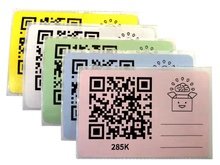
BoxBrain brings new meaning to labeling. They created “smart labels for smart living.” Their water-resistant labels help you organize your life, especially when packing, unpacking, and storing your things. The labels are color-coded with a QR code connected to their app.

I love BoxBrain’s simple 3-step process:

1. Grab Some Labels – There are 3 sizes and 5 colors.

2. Slap ‘Em On Your Stuff – Label your boxes with the color-coded labels. For example, use blue labels for kitchen items, yellow labels for toys, or green for the home office.

3. Know Where Your Stuff Is – Using your smartphone, scan the label, then enter keywords and photos. Use the keyword search to locate an item quickly.

Motivation increases when you take action, even if it’s tiny.
— Linda Samuels, CPO-CD®, CVOP™

3. Interesting Article – Motivation and Organizing Mistakes

Have you ever worked on an organizing project and made a mistake that crushed your motivation? Maybe you underestimated the needed storage space, took on too many simultaneous projects, or purchased organizing containers before decluttering. Guess what? You’re not alone.

In the recent Redfin article, “Organizing Mistakes: 27 Slip-Ups to Avoid During Your Next Project,” Jamie Forbes features professional organizers, including me (#5). We share our best advice for making your next organizing project a success.

My suggestion is to keep like with like. By corralling similar items together, you can make more informed decisions, stop overbuying, know what you own, and quickly access your belongings.


4. Interesting Resource – Motivation and Downsizing

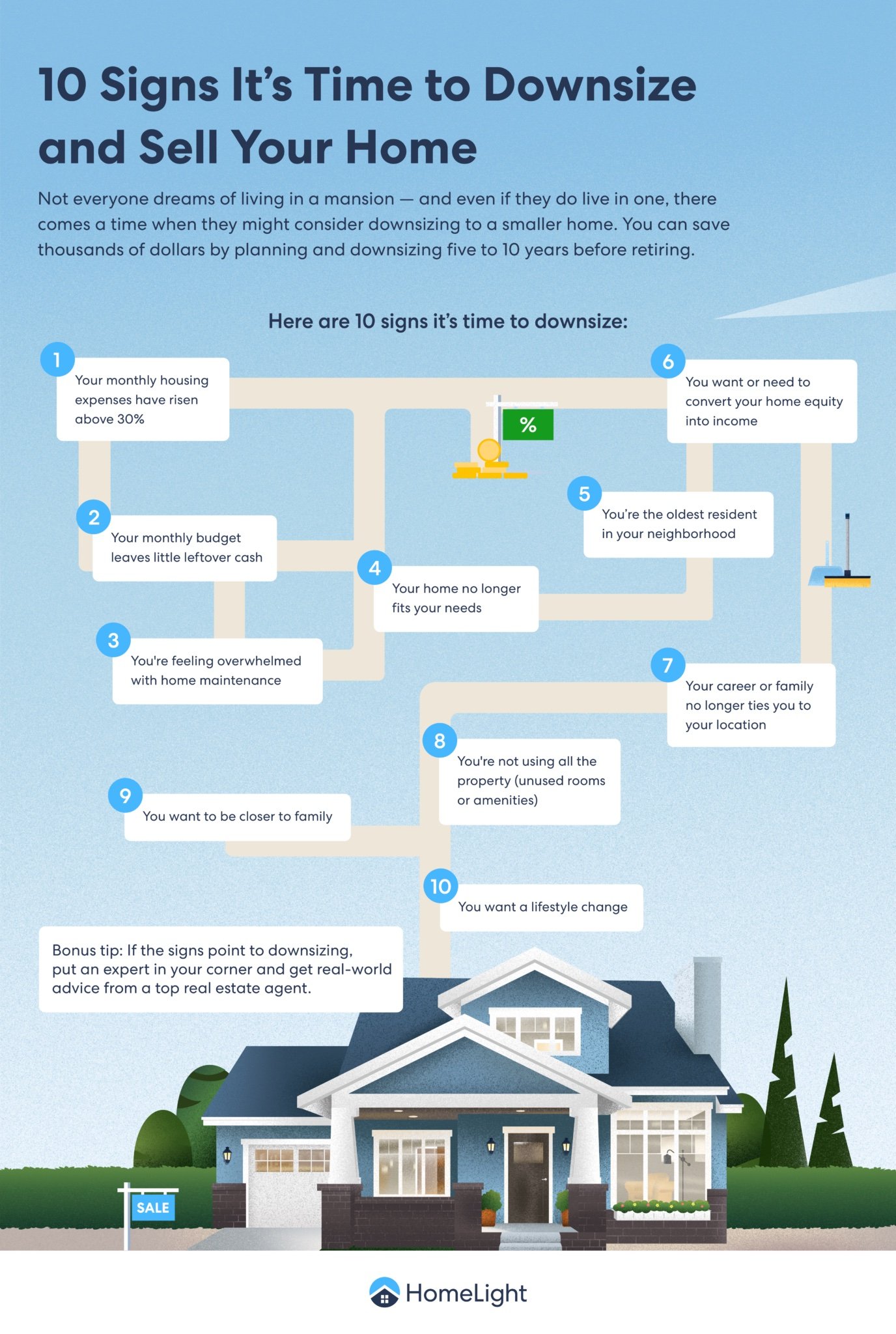
Are you or someone you know thinking about downsizing to a smaller home but aren’t 100% sure? If so, you’ll love the 10 Signs It’s Time to Downsize and Sell Your Home infographic from HomeLight. The real estate company explains how important timing can be in making that decision. Waiting can cost you more to run a larger home. Also, downsizing as you age can be more challenging due to health or mobility issues.

Motivations to downsize include feeling overwhelmed with home maintenance, your career or family no longer tying you to your location, you want a lifestyle change, or your home no longer fits your needs.

Downsizing is a compelling motivator to make a life change.


5. Interesting Thought – Motivation and Progress


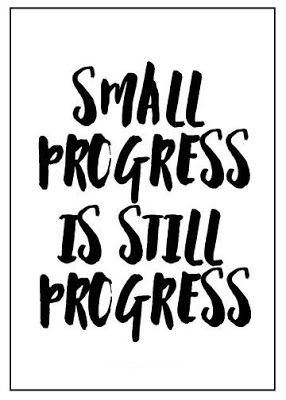
A fascinating aspect of motivation is how it increases when you take action, even if it’s tiny. Progress, no matter how small, is still forward movement. So, when you are feeling discouraged or overwhelmed, instead of giving up, do one little thing. You’ll be amazed how an action will change your perspective from being stuck to feeling hopeful, energized, and motivated.


Do you have an interesting motivation-related discovery? Which of these resonates with you? I’d love to hear your thoughts. I invite you to join the conversation.