Posts tagged positive changes
12 Benefits of Hiring a Professional Organizer That Go Way Beyond Organizing

Many people hire a professional organizer to declutter, create order, or make their spaces more functional. The good news is that professional organizers can help achieve those goals. However, the benefits of working with a professional organizer can go much deeper than the visible changes in a space.

The right support can help you build confidence, make decisions more easily, develop sustainable habits, and create a home that reflects who you are now. These are just a few of the benefits beyond simply “more organized.”

For over 30 years, I’ve had the joy of helping people navigate organizing challenges. I’ve seen clients transform, becoming more confident, capable, and self-trusting. Beyond becoming more organized, they’ve made profound changes in their mindset, habits, and self-efficacy.


12 Benefits of Hiring a Professional Organizer That Go Way Beyond Organizing

While some clients have seen results in as few as three virtual organizing sessions, most continue working with me longer to create more positive changes. These are the top 12 benefits, beyond getting more organized, that my clients consistently experience during our work together.


1. Make steady progress.

“I am making significant progress. I couldn’t do that a while ago.”

  • Get past feeling stuck and take consistent action.

  • Complete projects that have been on hold for months or years.

  • Build momentum that carries over between virtual organizing sessions.


2. Reduce overwhelm.

“I am way less overwhelmed.”

  • Break large, overwhelming projects into small, manageable steps.

  • Replace confusion with a clear, personalized plan.

  • Feel less anxious about organizing tasks.


3. Create lasting organizing habits.

“This is so empowering.”

  • Develop realistic, sustainable routines.

  • Practice maintaining spaces rather than starting over repeatedly.

  • Learn systems that fit individual lifestyles and preferences.


4. Strengthen decision-making skills.

“I do not need those.”

  • Become more confident about what to keep, donate, recycle, sell, or discard.

  • Spend less time second-guessing decisions.

  • Learn practical decision-making strategies that work in all areas.


5. Develop accountability and consistency.

“I’m building on my wins.”

  • Stay focused on goals through regular check-ins.

  • Follow through on action steps between sessions.

  • Celebrate progress while maintaining motivation.


This is so empowering.
— Oh, So Organized! Client


6. Improve daily functioning.

“It feels great in here. I have hope and am not as overwhelmed.”

  • Create spaces that are easier to use and maintain.

  • Reduce time spent searching for items.

  • Increase efficiency in everyday routines.


7. Receive personalized guidance.

“I just want to be my true me.”

  • Benefit from solutions tailored to individual challenges, goals, and strengths.

  • Learn organizing strategies that work with, not against, personal thinking styles.

  • Adjust strategies as life circumstances change.


8. Experience compassionate, nonjudgmental support.

“Not impossible or unconquerable anymore.”

  • Feel understood, not criticized.

  • Work at a comfortable pace, without pressure.

  • Build trust within a supportive, collaborative partnership.


9. Improve emotional well-being.

“Things feel mentally more manageable.”

  • Feel calmer, less distracted, and more in control.

  • Reduce guilt and frustration associated with clutter.

  • Strengthen self-awareness and emotional resilience by addressing personal patterns such as perfectionism, burnout, decision fatigue, negative self-talk, and unrealistic expectations.


10. Create more functional spaces.

“I now have a blueprint for how to declutter.”

  • Reclaim rooms for their intended use.

  • Improve access to frequently used items.

  • Make spaces safer and easier to navigate.


11. Build long-term independence.

“I feel very motivated.”

  • Learn skills rather than relying on someone else to organize.

  • Apply organizing principles to new areas.

  • Continue making progress after formal organizing sessions end.


12. Increase confidence and self-trust.

“I can do this!”

  • Experience success through small, achievable wins.

  • Trust your ability to stay flexible and determine your best next action.

  • Feel more capable of managing your time, energy, space, and things independently.


How Can Hiring a Professional Organizer Help?

The reality is that we all need help at times. There is no shame in reaching out for the support you need. I’ve experienced this many times, hiring someone to help with something I was stuck on, to manage a large project, or to fill a skills gap when I couldn’t accomplish what I needed on my own.

Have you worked with a professional organizer? What benefits did you experience? If you are an organizer, what benefits have your clients experienced working with you?

I’d love to hear your thoughts. I invite you to join the conversation.


How Can I Help?

Do you feel overwhelmed, disorganized, or stuck? You don’t have to do this alone. I’m here to help! Virtual organizing is an extraordinary path forward – Local feel with a global reach.

Let’s talk! I’m easy to reach.

Getting organized, building confidence, and reaching your goals are possible, especially with support.


5 Life Lessons I Learned About Patience and Promising Progress

Recently, I reread the first blog post I wrote on waiting. As humans, waiting is something we do, yet we’re not always happy about it. We want things to happen quickly, effortlessly, and painlessly. However, things don’t often go that way. Our patience gets tested as waiting can be a challenging experience.

Maybe you’re working toward a big goal that might take months, years, or even decades. Perhaps your energy is low, and progress looks different from what it did earlier in your life. You might also lack clarity about your goal or what your next step will be.

Developing your internal resources, including patience, resilience, and agency, can be beneficial. You can also enlist help from external resources, such as haulers, handymen, trade specialists, a coach, a therapist, or a professional organizer like myself.

Progress is possible. Reaching your goals is doable. Gathering the resources to get there is essential.

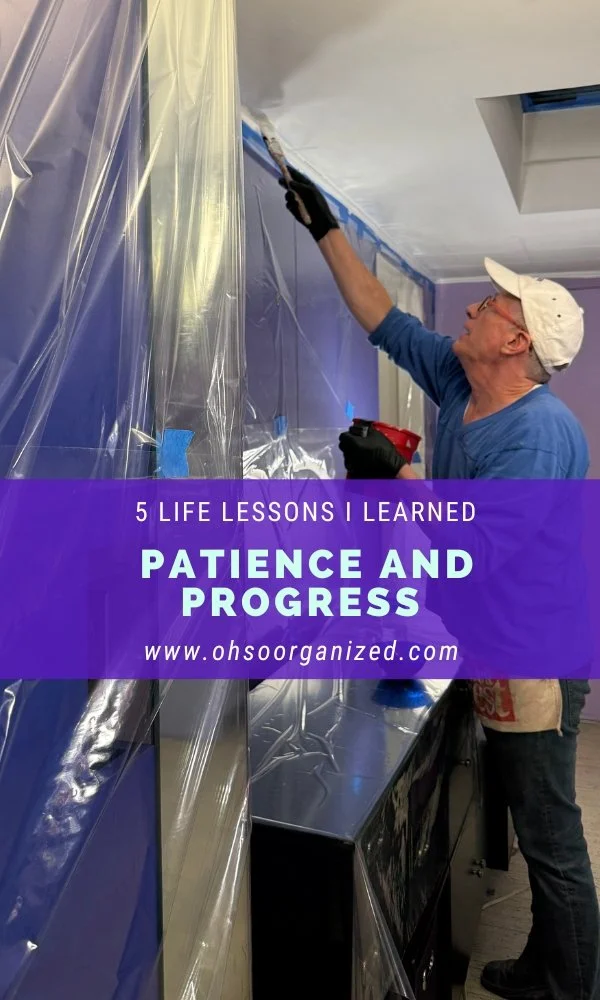
Over the past few months, my husband and I have been working on some home projects. They have taken different amounts of time to complete, and some are still ongoing. The biggest obstacles were setting priorities and managing time constraints. To finish these projects, we had to decide that they were still important enough to pursue. Once we agreed on that, we scheduled the time to complete them. The scheduling was pivotal. Without planning and scheduling, nothing would have happened.

During the process, I reaffirmed and learned a few things. Hopefully, some of these will resonate with you and be useful as you pursue your goals and projects.


5 Life Lessons I Learned About Patience and Promising Progress

Life Lesson #1:  I can tolerate discomfort.

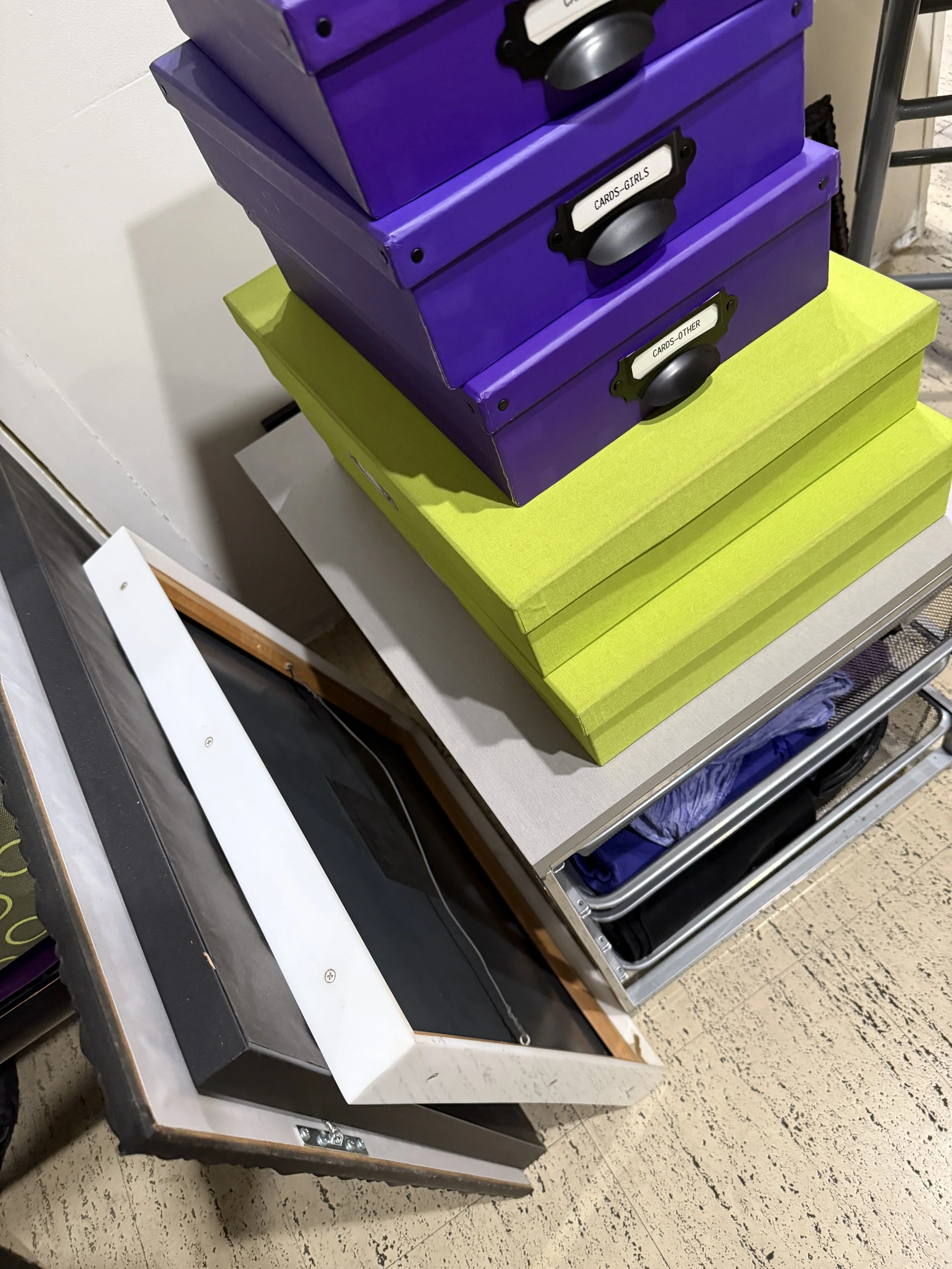
I love the final result when we improve our home. It’s hard for me to tolerate the temporary chaos that happens. Stuff gets pulled out of place, messes spread to multiple areas, and order and organization are disrupted.

I often tell my clients that things usually get worse before they get better. When you’re organizing a closet, for example, and things are pulled out, it doesn’t look great. But as you start editing, rerouting, discarding, and donating, clarity begins to emerge. Once you organize the “keepers,” everything looks and feels better. However, there's a tipping point in the middle of the project where discomfort can surface.

Even though I’m happy when we’re fixing things, I tend to feel more anxious and stressed when we’re in reno mode. That discomfort motivates me to finish what we started as soon as possible. Interestingly, I can easily handle disorder in spaces I don’t live in. But in my own home, I prefer a certain level of order, calmness, and predictability.

Although I prefer not to be uncomfortable, I am capable of tolerating discomfort. This is especially true when it’s temporary or for a good reason. Acknowledging this made me feel less stressed and more accepting of the chaos.


Life Lesson #2: I can transform temporary chaos into an opportunity to reimagine.

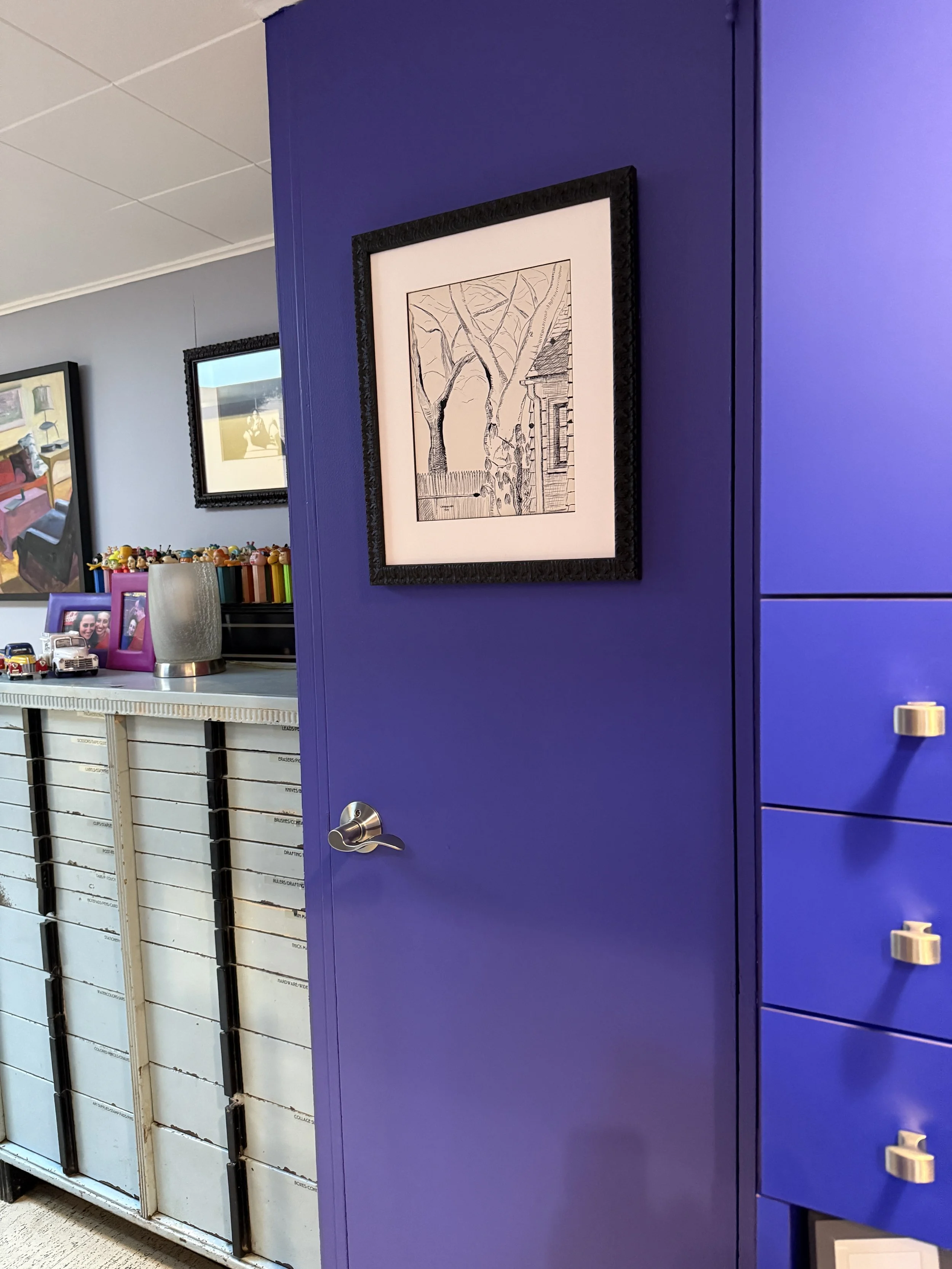
One of the benefits of taking things apart is having time to edit, question, and reimagine. We recently disrupted our entryway to spackle, paint, and do some electrical work. Doing that allowed me to let go of some things and reimagine the placement of certain items, like my Pez collection and one of the rugs.

I also felt inspired to repaint three of the cabinets. One is a big project, which I’ll wait to do in warmer weather. The other two cabinets will be done soon. Without being open to chaos and committing to the entryway project, these other projects might not move forward.

Chaos doesn’t have to be negative. It can be an opportunity to bring positive changes. The temporary chaos stirred my creativity and desire to make more improvements.


Life Lesson #3: I can finish what I start when I prioritize and plan.

This might seem obvious, but when you want to accomplish something, whether it’s organizing, home improvement, or changing a habit, dedicating time and energy to it is essential.

Deciding that something is a priority is the first step. This may involve temporarily setting other things aside while you focus your resources on the main goal. After all, you can accomplish a lot, but not all at once. Something has to give.

Once you've identified your priority, the next step is to schedule and plan dedicated time to work on it. For us, that meant working several evenings and weekends. Again, without blocking out specific calendar dates, it would not have been completed.

I can wish all I want, but without making it a priority and including it in a scheduled plan, it’s unlikely to happen. There is great potential and power in recognizing what I’m capable of when I prioritize and plan.

I can tolerate discomfort.
— Linda Samuels, CPO-CD®, CVOP™

Life Lesson #4: I can feel the joy and satisfaction that come with progress.

Done is great, but so is progress. No goal happens with one step. Progress happens one step, one action, and one commitment at a time. When working on the renovation projects, Steve and I took a moment to appreciate the progress along the way.

Momentum is a powerful force. Taking action motivates you to do more. Experiencing progress encourages further movement. Progress is satisfying and joy-inducing.

Steve and I made sure to see, feel, talk about, and celebrate the progress we've made. It was no small feat to get some of these projects started. We embraced the positive feelings that came with making progress.

Do you know the expression, “Stop and smell the roses?” For this one, let’s pause and celebrate the progress. You took action and worked hard. Now, enjoy it!


Life Lesson #5: I can be awed by my bad-ass husband.

After 42 years of marriage, I am still amazed by my husband. He is a talented man who, among his many skills, knows how to cook, play the drums, coordinate large-scale architectural woodworking projects, and handle almost any type of home improvement or repair project. He’s also a devoted volunteer, a great listener, a wonderful father, and an incredible husband and life partner.

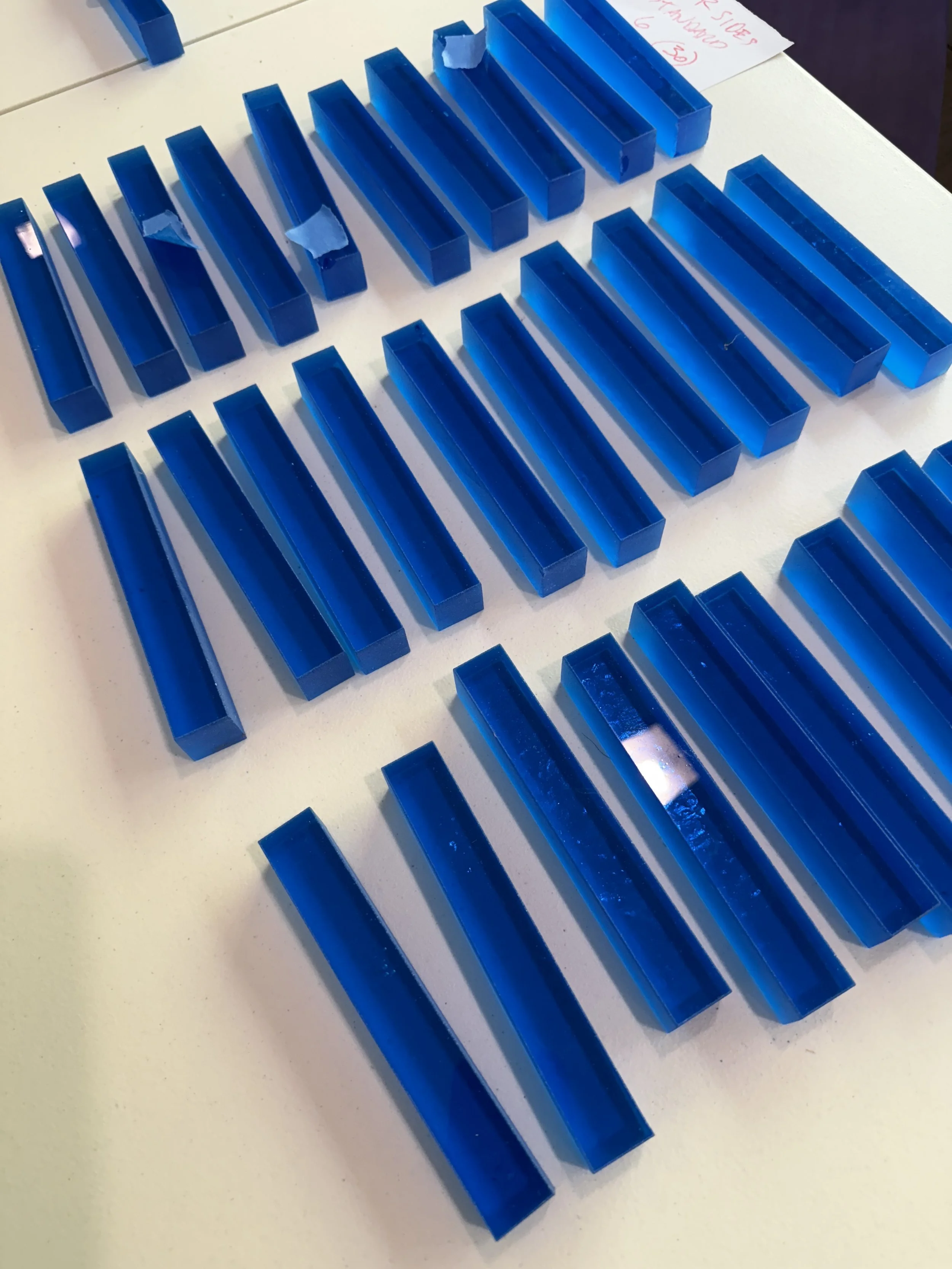
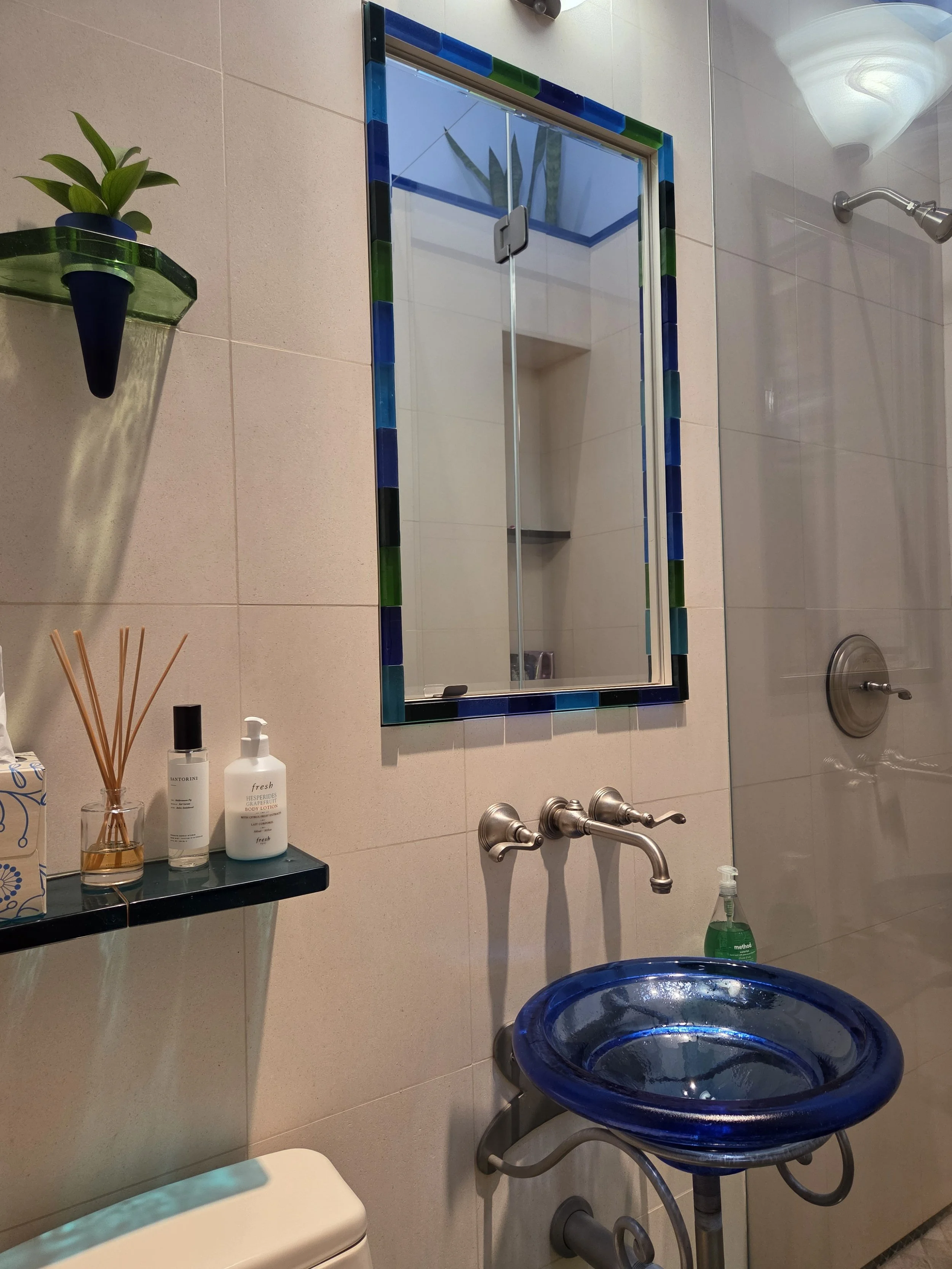
Whether he was finishing the glass tiles in the bathroom, doing electrical work, plumbing, cutting through walls, spackling the ceiling, or painting surfaces, he not only knew what to do but also had the right tools to do it. He also taught me how to do some things, so we could work together on projects. I love that!

I am constantly inspired by Steve’s work ethic, humanity, skills, design sense, dedication, and talent. He was willing to let go of perfection to do his best and finish projects. I’m grateful for and in awe of the incredible human he is. Thank you, Honey!


How Do Patience and Progress Manifest for You?

Patience, or the lack of it, is part of being human. In fact, impatience can sometimes drive progress. When you feel stuck, progress may seem out of reach. However, leaning into that urge to move forward and pushing your patience to its limit can be one way to make progress. Prioritizing and planning are also helpful. What helps you move ahead?

Which ideas resonate most with you? I’d love to hear your thoughts. I invite you to join the conversation.


How Can I Help?

Are you ready to make progress? Do you feel overwhelmed, stuck, or disorganized? I’m here to help! Virtual organizing is an extraordinary path forward – Local feel with a global reach.

Let’s talk. I’m easy to reach.

Getting organized and making progress is possible, especially with support.