Posts in Virtual Organizing
How a Fantastic Conference Taught Me More About Virtual Organizing

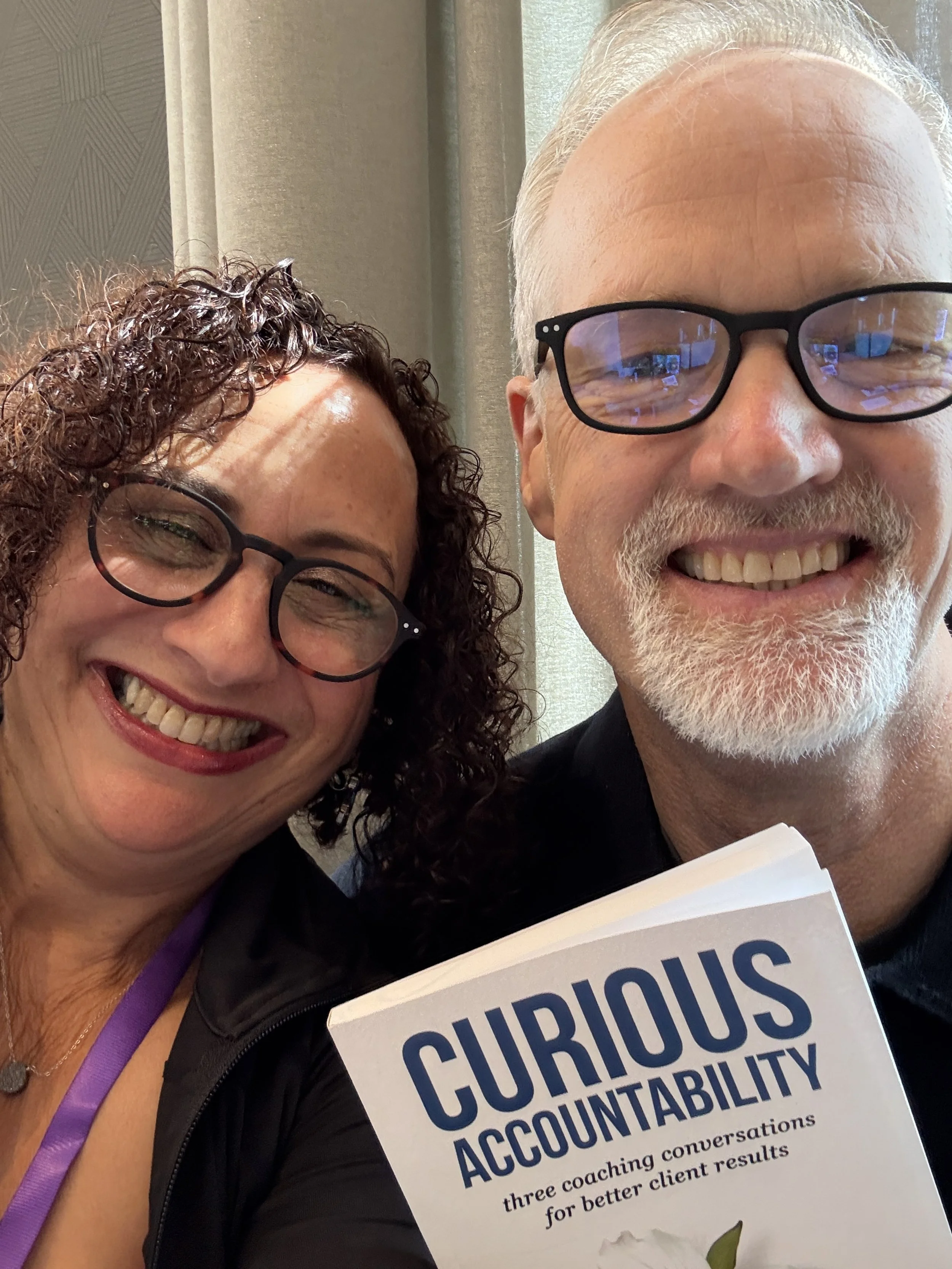
Recently, I returned from the Institute for Challenging Disorganization’s (ICD) conference, held in Canada this year. Colleagues from around the globe gathered to learn, connect, and explore the latest ideas and research related to neurodivergence and people affected by chronic disorganization.

The conference covered a fascinating range of topics, including ADHD, decision-making, navigating life transitions, clutter, emotional labor, hoarding disorder, motivational interviewing, and communication.

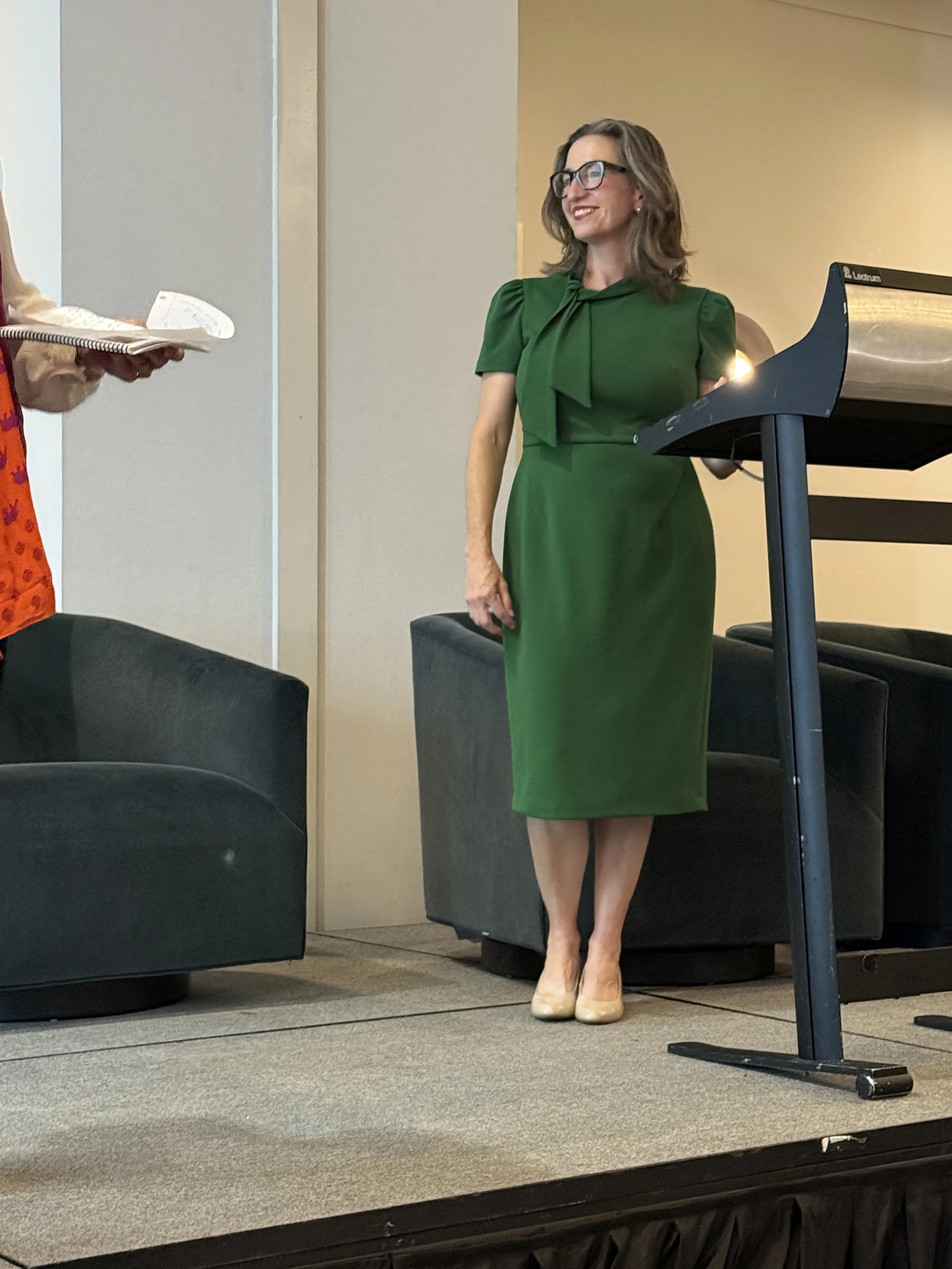
I was thrilled to be part of the panel, “Cultivating Connection: Best Practices for Communication with Neurodivergent Clients,” alongside my wonderful colleagues. Sara Skillen moderated, and Leslie Josel and Elizabeth Brink were the other panelists.

Whenever I’m learning, I have one goal: to learn at least one new thing, discover one new resource, or deepen my connection with something I already know. Honestly, with that simple goal, I consistently come away with far more than one thing.

The ICD conference was no exception.

I’m excited to share some of my takeaways and how they expanded my thinking, reinforced what I already know, and will influence the virtual organizing work I do with clients.


What Expanded My Thinking About Virtual Organizing

Emotional Labor

In “The Art of the Invisible: Helping Neurodiverse Families Navigate the Emotional Labor Lifecycle,” presenters Regina Lark, PhD, CPO®, CPO-CD® and Leslie Josel, PCC, discussed how emotional labor, which is mostly invisible and disproportionately handled by moms, is “the exhausting work” and the “cognitive management of household systems.”

Navigating emotional labor, work that never ends, requires executive function (EF) skills that rely heavily on the prefrontal cortex. These include:

  • Planning

  • Focusing

  • Remembering instructions

  • Juggling multiple tasks

  • Managing emotions

  • Working memory

  • Organizing

However, as many of my clients have experienced, EF skills can be especially challenging if you are highly stressed, have prefrontal cortex damage, or have conditions such as ADHD, autism, dyslexia, dyspraxia, or Tourette’s syndrome.

One of the biggest takeaways was distributing the emotional load through “radical delegation. Take perfection off the table. Delegate to someone else, even if they aren’t good at it.  Go for “good enough.”

This made me think differently about virtual organizing. When we work together, we’re not only organizing possessions or creating systems. We’re also considering the mental load behind those systems. What decisions are constantly being made? What is someone trying to remember? What are they managing for themselves or others? And what might be possible to let go of, share, or accept as “good enough”?

Life Transitions

We experience many life transitions. Professor and researcher Dr. Michelle Pannor Silver focused on four in her presentation, “Unpacking Identity: Navigating Later Life Transitions for Those with Organizational Challenges.” She discussed retirement, menopause, clutter, and prioritizing physical resilience.

Much of my work involves helping clients navigate transitions such as moving, starting a new job, divorce, birth, losing a loved one, and other life changes like those Dr. Silver discussed.

One takeaway came from the retirement section. Since our identities are often tied to our work, figuring out what comes next takes thought. Silver stressed the importance of creating “time and mental space to imagine retirement.” It’s not just about getting your finances in order. Take time to envision how you want your post-work life to feel and what you want it to be like. Include “sparking joy” activities.

Another idea that resonated was “recalibrating after loss.” In later years, loss can arrive in many forms, including changes in work status, moving from a familiar environment, changes in physical or cognitive abilities, and the loss of loved ones.

I am thinking differently about virtual organizing in the context of reimagining and recalibrating life. We go through periods when the organizational systems or patterns that used to work suddenly become ineffective. They no longer support who we are now. Virtual organizing sessions can be a wonderful way to work through these shifts and create systems and schedules that support who you are now.

“Decision-making is at the center of everything. It is a core part of being human.”
— Elizabeth Brink, PCC, PCNC®, SEP®

What Reinforced What I Already Know About Virtual Organizing

ADHD

Ari Tuckman, PsyD, MBA, presented “ADHD Can Make Organizing Psychologically Messy.” He emphasized that the ADHD challenge is “not the knowing, but the doing.” Challenges with activation, attention regulation, perfectionism, and time management can make it harder to start. You might know what to do, but these obstacles can make it challenging to get things done.

One question Tuckman suggested was, “What’s a realistic, sustainable goal that you’ll allow yourself to feel good about?” Emphasizing “realistic” and “sustainable” is central to my work with clients.

Tuckman shared many strategies that reinforced the tools and concepts I use with clients. They included:

  • Time – Use analog clocks, alarms, and schedules to build time awareness and make time more visible.

  • Fun – Make tasks less boring and more enjoyable through gamification or a playful spin.

  • Clarify – Ask, “How important is ‘this’ relative to everything else?”

  • Momentum – Do a “bit of something,” and always “hope for momentum.”

  • Experiment – “Be willing to flounder, and be confused.”

  • Decision-Making– If you are having difficulty choosing, flip a coin. It can clarify what you really want.

  • Perfectionism – Focus on “good enough.”

These strategies reflect what I see every day in virtual organizing: knowing what to do and being able to do it aren’t always the same. Virtual organizing sessions can help clients identify what gets in the way, experiment with different approaches, and find strategies that are realistic and sustainable for them.

Decision-Making

Elizabeth Brink, PCC, PCNC®, SEP®, a neurodivergent-centered coach, educator, and trainer, presented “Decision-Making: Neurodivergence, Trauma, and Chronic Disorganization.” Brink stated, “Decision-making is at the center of everything. It is a core part of being human.”

Brink went on to say that “Decision-making is a special kind of hard for neurodivergent humans.” She also said that for neurodivergent people, “Overwhelm is a reasonable response to decision-making.”

When Brink said, “It’s a big deal how to help people make decisions,” I recognized how central nurturing decision-making skills and building agency are to my virtual organizing work. People reach out to me when they feel overwhelmed, and much of that overwhelm comes from difficulty making decisions.

Decision-making skills can be learned. Brink featured several skill-building strategies that align with how I support my clients in making decisions. They include:

  • Empathy – Understand and appreciate what they may be feeling or experiencing, without judgment.

  • Demystify – Learn how they make decisions, what’s worked well for them in the past, the process they’ve used, and how we can tweak or apply that process to current choices.

  • Capacity – Be mindful of their capacity at that moment, normalize pauses, take breaks to avoid decision fatigue, and encourage a slower pace when needed.

Always Be Learning

Every conference leaves me with something to think about, but this one reminded me why I value learning so much. Sometimes a new idea changes how I approach my work. Other times, it gives me language for what I already know and see in my work with clients. Both are valuable.

I’m excited to bring these insights into my virtual organizing sessions and stay curious, experiment, and learn alongside my clients.

How Can I Help?

Do you feel overwhelmed, stuck, or disorganized? You don’t have to face it alone. I’m here to help! Get unstuck and make progress. Virtual organizing is an extraordinary path forward—with a local feel and a global reach.

Let’s talk! I’m easy to reach.

Getting organized, making progress, and reaching your goals are doable, especially with support.


12 Benefits of Hiring a Professional Organizer That Go Way Beyond Organizing

Many people hire a professional organizer to declutter, create order, or make their spaces more functional. The good news is that professional organizers can help achieve those goals. However, the benefits of working with a professional organizer can go much deeper than the visible changes in a space.

The right support can help you build confidence, make decisions more easily, develop sustainable habits, and create a home that reflects who you are now. These are just a few of the benefits beyond simply “more organized.”

For over 30 years, I’ve had the joy of helping people navigate organizing challenges. I’ve seen clients transform, becoming more confident, capable, and self-trusting. Beyond becoming more organized, they’ve made profound changes in their mindset, habits, and self-efficacy.


12 Benefits of Hiring a Professional Organizer That Go Way Beyond Organizing

While some clients have seen results in as few as three virtual organizing sessions, most continue working with me longer to create more positive changes. These are the top 12 benefits, beyond getting more organized, that my clients consistently experience during our work together.


1. Make steady progress.

“I am making significant progress. I couldn’t do that a while ago.”

  • Get past feeling stuck and take consistent action.

  • Complete projects that have been on hold for months or years.

  • Build momentum that carries over between virtual organizing sessions.


2. Reduce overwhelm.

“I am way less overwhelmed.”

  • Break large, overwhelming projects into small, manageable steps.

  • Replace confusion with a clear, personalized plan.

  • Feel less anxious about organizing tasks.


3. Create lasting organizing habits.

“This is so empowering.”

  • Develop realistic, sustainable routines.

  • Practice maintaining spaces rather than starting over repeatedly.

  • Learn systems that fit individual lifestyles and preferences.


4. Strengthen decision-making skills.

“I do not need those.”

  • Become more confident about what to keep, donate, recycle, sell, or discard.

  • Spend less time second-guessing decisions.

  • Learn practical decision-making strategies that work in all areas.


5. Develop accountability and consistency.

“I’m building on my wins.”

  • Stay focused on goals through regular check-ins.

  • Follow through on action steps between sessions.

  • Celebrate progress while maintaining motivation.


“This is so empowering.”
— Oh, So Organized! Client


6. Improve daily functioning.

“It feels great in here. I have hope and am not as overwhelmed.”

  • Create spaces that are easier to use and maintain.

  • Reduce time spent searching for items.

  • Increase efficiency in everyday routines.


7. Receive personalized guidance.

“I just want to be my true me.”

  • Benefit from solutions tailored to individual challenges, goals, and strengths.

  • Learn organizing strategies that work with, not against, personal thinking styles.

  • Adjust strategies as life circumstances change.


8. Experience compassionate, nonjudgmental support.

“Not impossible or unconquerable anymore.”

  • Feel understood, not criticized.

  • Work at a comfortable pace, without pressure.

  • Build trust within a supportive, collaborative partnership.


9. Improve emotional well-being.

“Things feel mentally more manageable.”

  • Feel calmer, less distracted, and more in control.

  • Reduce guilt and frustration associated with clutter.

  • Strengthen self-awareness and emotional resilience by addressing personal patterns such as perfectionism, burnout, decision fatigue, negative self-talk, and unrealistic expectations.


10. Create more functional spaces.

“I now have a blueprint for how to declutter.”

  • Reclaim rooms for their intended use.

  • Improve access to frequently used items.

  • Make spaces safer and easier to navigate.


11. Build long-term independence.

“I feel very motivated.”

  • Learn skills rather than relying on someone else to organize.

  • Apply organizing principles to new areas.

  • Continue making progress after formal organizing sessions end.


12. Increase confidence and self-trust.

“I can do this!”

  • Experience success through small, achievable wins.

  • Trust your ability to stay flexible and determine your best next action.

  • Feel more capable of managing your time, energy, space, and things independently.


How Can Hiring a Professional Organizer Help?

The reality is that we all need help at times. There is no shame in reaching out for the support you need. I’ve experienced this many times, hiring someone to help with something I was stuck on, to manage a large project, or to fill a skills gap when I couldn’t accomplish what I needed on my own.

Have you worked with a professional organizer? What benefits did you experience? If you are an organizer, what benefits have your clients experienced working with you?

I’d love to hear your thoughts. I invite you to join the conversation.


How Can I Help?

Do you feel overwhelmed, disorganized, or stuck? You don’t have to do this alone. I’m here to help! Virtual organizing is an extraordinary path forward – Local feel with a global reach.

Let’s talk! I’m easy to reach.

Getting organized, building confidence, and reaching your goals are possible, especially with support.


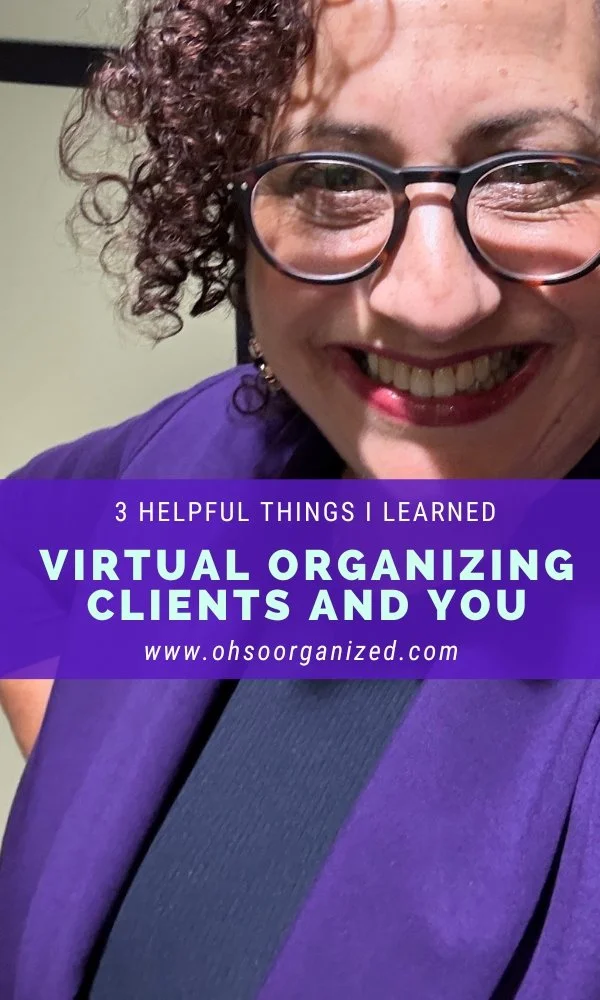
3 Helpful Things I Learned That Will Benefit My Virtual Organizing Clients

Attending organizing conferences is one of the highlights of my year. I learn interesting things, dedicate time to professional growth, connect with dear colleagues, and meet new people.

I just got back from the Institute for Challenging Disorganization’s (ICD) conference in Atlanta. Colleagues came from all over the United States and around the world, including Canada, Mexico, Spain, the Netherlands, and New Zealand. We learned together from experts on decision-making, time management, ADHD, autism, hoarding disorder, aging, dementia, and more.

Earlier this month, I participated in a meditation and writing retreat led by my dear friend and life coach, Yota Schneider. She shared a quote from John O’Donohue that feels relevant to the ideas I’m about to share. He said, “Nothing opens up the mind like the glimpse of new possibility.”

It’s the “glimpse” of what is possible that fosters hope and encourages change for my virtual organizing clients. I hope what I’m about to share will also be relevant and helpful for you.


3 Helpful Things I Learned at the Organizing Conference That Can Benefit You

1. Decision-Making Takes Energy

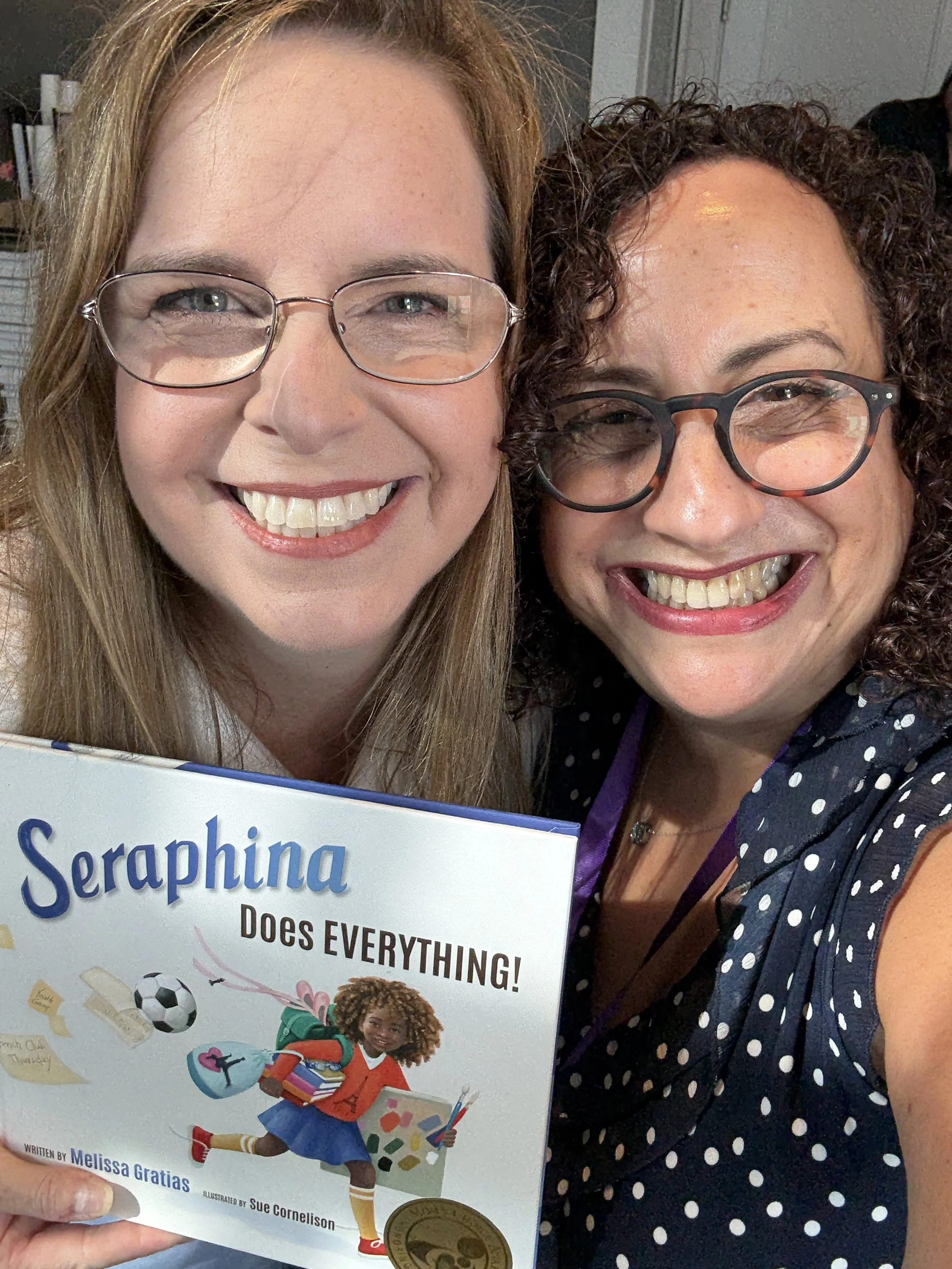
Melissa Gratias and Linda Samuels

Getting and staying organized requires making lots of decisions. One of the conference sessions about the brain and decision-making was presented by productivity expert, colleague, and fellow blogger, Melissa Gratias, PhD. She said, “The more choices, the more cognitively taxing.”  

In another session on chronic disorganization and aging, Beth Nolan, PhD, a gerontology expert, also discussed decision-making. She mentioned that one way we can help our clients with decision-making is by “being aware of the energy it takes.” Decision fatigue can become even more pronounced when compensating for physical changes or conditions.

Making decisions is an integral part of most virtual organizing sessions. I provide support to my clients and consider their energy level as they:

  • Weigh various options

  • Choose what to keep or release

  • Decide what step is next

  • Select what to include or exclude from their schedules


2. Change Barriers Can Be Overcome

Linda Samuels and Cameron Gott

Change was another topic that surfaced throughout the conference. In the session on tools to help your ADHD clients with their organizing goals, presented by Executive ADHD Coach, trainer, podcast host, author, and friend, Cameron Gott, PCC, he spoke about change.

Cam said there are many barriers to change, especially when ADHD is in the mix. The “ADHD hard place” exists in the space between being aware of the issues and actualizing the change you seek. Some of these ‘change’ barriers include:

  • Engaging in negative self-talk

  • Having lots of rules

  • Having difficulty prioritizing

  • Being challenged with activating

  • Experiencing a lack of focus

  • Getting easily distracted

One of the tools Cam suggested is using curiosity to bring about change. However, curiosity can also act as a barrier to change. As a barrier, it can appear as:

  • Doing endless research

  • Going down rabbit holes

  • Engaging in time sucks

However, Cam said you can reframe curiosity as a resource. He said, “Bring curiosity to a dilemma.” This will help you focus and take a more proactive approach.

While my virtual organizing clients desire change, they often face internal and external obstacles. However, with support and accountability, we work together to identify these challenges and try different ways to overcome them.


“Bring curiosity to a dilemma.”
— Cameron Gott, PCC


3. Connection is Essential

Carrie M. Lane

The last conference session, “Qualitative Research, Connective Labor & Professional Organizing,” was presented by Carrie Lane, PhD, an anthropologist and author of More Than Pretty Boxes – How the Rise of Professional Organizing Shows Us the Way We Work Isn’t Working.

“Connective labor,” which is “work that relies on empathy, human interaction, and mutual recognition,” was one of the ideas Carrie discussed. She referenced her friend’s book, The Last Human Job, written by Allison Pugh, a sociologist and author.

Carrie reminded us that “Our job as organizers requires the human connection – an intimate, nonjudgmental connection.”

While technology and AI keep advancing into our daily lives in many ways, nothing can replace human interaction and connection. I value the relationship I have with my clients. By building trust, showing compassion, and remaining nonjudgmental, I provide support as they work on growth and positive change.


Decision-Making, Change, Connection, and Virtual Organizing

There are many ways I support my virtual organizing clients. Are you struggling with making decisions, creating change, or feeling disconnected from others? What becomes possible when you get the help you need? Which ideas resonate most with you?

I’d love to hear your thoughts. I invite you to join the conversation.


How Can I Help?

Do you feel overwhelmed, stuck, or disorganized? I’m here to help! Virtual organizing is an extraordinary path forward – Local feel with a global reach.

Let’s talk. I’m easy to reach.

Getting organized is possible, especially with support.


5 Focused Ways a Virtual Professional Organizer Can Help During a Move


In the northeast, the leaves are changing, and it’s a season of transition. Is fall the unofficial moving season? It seems so, especially since many of my clients and kiddos are in the process of moving, downsizing, right-sizing, or transitioning.

Moving involves many decisions and plans, which can be overwhelming. The good news is you don’t have to do it alone. Reduce your stress and enjoy the benefits of getting help from a virtual professional organizer like me.

Depending on your stage in the moving process, motivation can vary significantly. For example, if you're moving within a month because your lease is ending or your house was just sold, the limited time creates pressure that boosts motivation. However, if you're planning to move years from now or moved several years ago but haven't fully unpacked or settled, your motivation might feel important but less urgent.

No matter what stage of moving you’re in—pre-move, during, or post-move—having the right support makes an enormous difference. Whether you hire a professional organizer or ask family and friends for help, creating your team will help things go more smoothly and reduce stress.

Because you know what they say—moving is one of the top ten most stressful things we do in life.

  • In a 2020 survey by OnePoll for North American Van Lines, 64% of respondents said that their recent move was one of the most stressful experiences they ever had.

  • In a 2022 Move.org survey, 38% of respondents said moving was more stressful than parting with a significant other.

  • In a 2025 survey by HireAHelper, 29% of participants said they’d rather get a divorce than move again. 55% of participants rated moving as highly stressful.


5 Ways a Virtual Professional Organizer Helps You Navigate a Move

1. Clarify Your Why

Your reasons for moving might seem obvious. However, an organizer can help you clarify these reasons and keep them relevant as you make decisions. There are many choices to consider, and decision fatigue can set in. Keeping your ‘why’ visible helps you stay focused, encourages the right actions, and boosts your motivation. 

Maybe your why is to:

  • Simplify life—own less, manage less, and reduce your financial obligations.

  • Consider the future—downsize and organize your belongings now so your family won’t have the burden of doing it after you’re gone.

  • Get more space—Your current living situation is too cramped, and you need extra room for your growing family.

  • Relocate temporarily—A family or work situation requires you to move, even if it’s not an ideal scenario.

  • Reimagine life—You’ve experienced a major life change, like losing a loved one, starting a new job, becoming an empty nester, or retiring. Now you want a fresh start in a new place.


2. Establish Timeline and Pace

As an organizer, I enter someone’s life at a particular moment in time. Sometimes, I’m contacted well in advance of a move, giving enough time to plan and edit. Other times, I engaged right before or after a move. Every scenario requires a different timeline to help someone go from where they are to where they want to be.

Working together, we can create a schedule, even a loose one, to put a reality check on what’s possible to accomplish within a certain timeframe. Many considerations will affect your timing, including:

  • Budget

  • Urgency

  • Time available to focus on the project

  • Life demands more than just moving

  • Support team you have or need to assemble

Pacing is just as essential as understanding the overall timeline. If you're years away from moving, you can proceed at a slower, steady pace. However, if you're moving this month, the pace needs to be much faster. You might need extra help to finish your move.


3. Edit and Organize Your Stuff

Even if you don’t see yourself as a ‘collector,’ you probably have plenty of things to edit before and even after your move. You know how it goes, right? As humans, we accumulate a lot of stuff. And if you’ve been in your home for a long time, you likely have even more stuff.

Enlisting help from a virtual professional organizer during the editing phase is invaluable. I can support that process in various ways, including:

  • Asking good questions

  • Weighing your options

  • Providing focus as you sort through your things

  • Establishing decision-making parameters

  • Sharing letting go strategies

  • Helping determine which category something belongs to: Keep, Toss, Donate, Sell, Route to storage, or Give to a specific person

While it’s best to edit your belongings before moving, that’s not always possible. Letting go often continues after the move, even if you edited beforehand. If you’ve already moved, I can help you with ongoing editing, decluttering, refining, space planning, organizing, and deciding about the last 10% of items that haven’t been unpacked.


“Even if you don’t see yourself as a ‘collector,’ you probably have plenty of things to edit before and even after your move.”
— Linda Samuels, CPO-CD®, CVOP™


4. Have Access to Trusted Resources

Throughout every stage of a move, you’ll need various resources for donating, selling, recycling, or disposing of items. You might also need referrals for vendors like movers, junk haulers, or suggestions for organizing products.

With over 30 years in the organizing industry, I’ve gathered hundreds of resources to share with my clients. I also have a network of industry colleagues who generously share their resources whenever I need a referral for something or someone I don’t already have.


5. Collaborate with a Thought Partner

Moving can feel like a huge jumble of puzzle pieces. Although the pieces will eventually fit together to create a new, beautiful picture, it currently feels chaotic and overwhelming. Moves and related tasks can be emotionally draining.

However, working with a thought partner helps you make sense of those pieces more quickly and feel supported throughout the process.

A thought partner can help you:

  • Get unstuck

  • Reduce overwhelm

  • Identify your next step

  • Brainstorm solutions to obstacles

  • Develop checklists

  • Encourage action

  • Discuss your choices and options

  • Provide accountability

  • Boost motivation


Can You Benefit from Virtual Organizing Help?

While physical tasks like packing and unpacking are not things I assist with as a virtual professional organizer, there are many other areas, as discussed, that I can help with.

Location isn’t a barrier. Virtual organizing lets me work globally. Even though I’m based in New York, I can help whether you’re in California, Canada, or somewhere else.

Virtual organizing sessions are focused and short, lasting 60 to 90 minutes each. We’ll work together on your goals, then you’ll have time afterward to work independently, with ongoing support to repeat that process.

Are you moving right now? If so, how can you benefit from enlisting help from a virtual professional organizer? 

I’d love to hear your thoughts. I invite you to join the conversation.


How Can I Help?

Do you feel overwhelmed, stuck, or disorganized? I’m here to help! Virtual organizing is an extraordinary path forward – Local feel with a global reach.

Let’s talk. I’m easy to reach.

Getting organized is possible, especially with support.