

Here Are 5 Most Interesting and Best Happy Human Discoveries – v52

Enjoy the latest release (v52) of the “What’s Interesting?” series, which features my most recent finds that inform, inspire, and connect to organizing and life balance. These unique, wonderfully human discoveries reflect this month’s blog theme.

You are an engaged, vibrant, and generous group. I am deeply grateful for your ongoing presence, positive energy, and contributions to this community. I look forward to your participation and further contributions to the collection I’ve sourced.

What do you find interesting?


What’s Interesting? – 5 Best Happy Human Discoveries

1. Interesting Workshop – Human Organizing

Are you feeling burdened and overwhelmed by clutter or disorganization? If you answered, “yes,” you’re not alone.

Research shows that cluttered spaces often contribute to stress, fatigue, anxiety, and even depression. But there’s good news—help is here!

If you’re ready to explore a kind, compassionate, and more human approach to decluttering and organizing, you’ll love this! Join me, Linda Samuels, Professional Organizer, for an engaging and transformative workshop7 Easy Ways to Practice Mindful Organizing.

One workshop with your choice of two dates:

  • December 2nd at 7:00-8:00pm Eastern or

  • December 4th at Noon-1:00pm Eastern

By the end of the one-hour Zoom workshop, you’ll have strategies for immediate change. You will:

  • Gain valuable insights about gentle organizing.

  • Learn seven mindful organizing practices.

  • Receive personalized support.

This is a great opportunity to prepare for the new year. When you bring more mindfulness and purpose to organizing, you can create calm, clarity, and breathing room. Reserve your spot today!


2. Interesting Resource – Human Helping
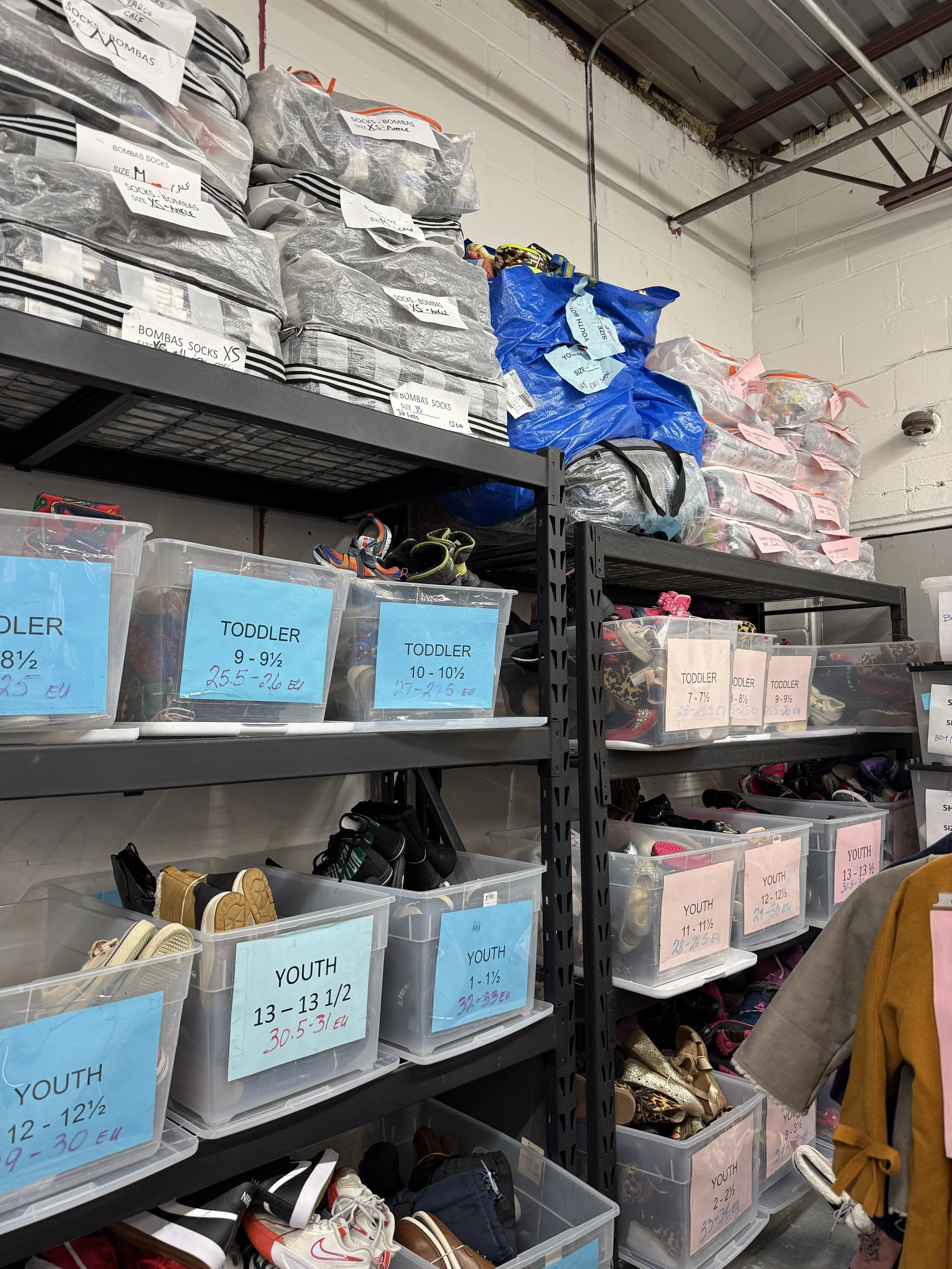
Last month, I went on a field trip with some of my Westchester NAPO Neighborhood group organizing colleagues to The Sharing Shelf in Port Chester, NY.

This remarkable nonprofit provides clothing, school supplies, and other essential necessities, including new socks, shoes, underwear, and hygiene products, to children and teens in Westchester County.

They offer a Wardrobe Pack, which includes a week’s worth of seasonally appropriate clothing tailored to a child’s needs. They also have a Teen Boutique, a free store where teens can “shop and select their own clothing with privacy and respect.”

The Sharing Shelf reports that children facing clothing insecurity “often miss school.” The research shows that “Nearly 14% of Westchester children are chronically absent from school, and clothing is one critical cause.”

Donations of new or gently used clothing in all sizes, from newborn to adult XXL, are accepted. Items should be clean and in good condition. Pieces that are stained or damaged will be sent to textile recycling. The Sharing Shelf has a Target registry and an Amazon wishlist, so you can order items they need.

When you bring more mindfulness and purpose to organizing, you can create calm, clarity, and breathing room.
— Linda Samuels, CPO-CD®, CVOP™


3. Interesting Read – Human Doing

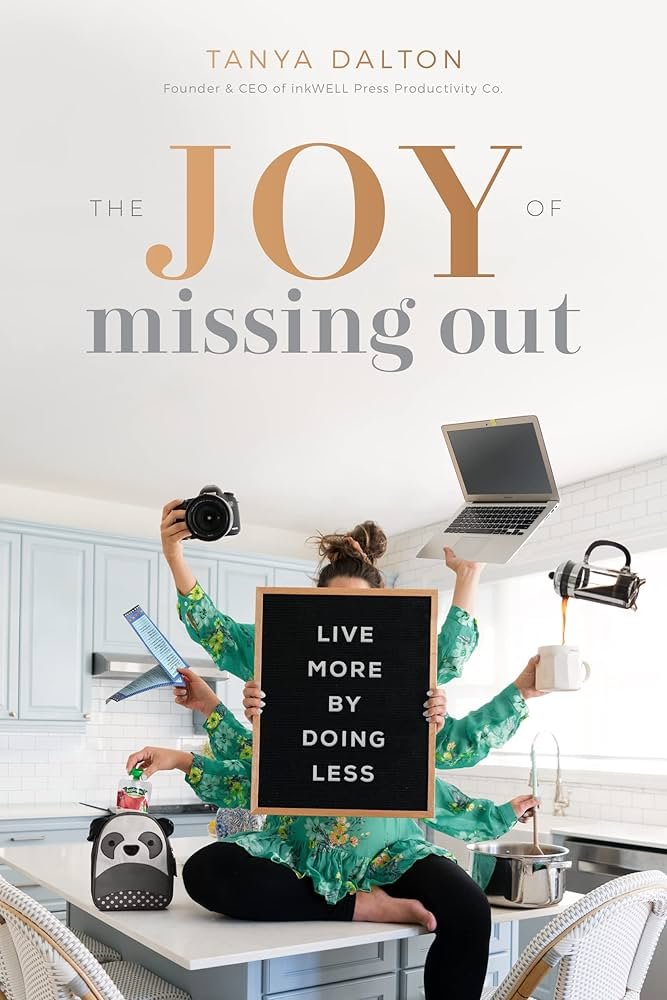
You’ve probably heard of FOMO, the fear of missing out. Have you heard of the opposite, JOMO, which is the joy of missing out?

In The Joy of Missing Out – Living More by Doing Less, Tanya Dalton, a productivity expert, author, and speaker, discusses the overwhelm many women experience due to:

  • Striving to do too much

  • Inability to say no

  • Being unclear about priorities

  • Not knowing where to start

Tanya encourages a mindset shift, saying, “We have to begin finding the joy of missing out on that extra noise in our lives and instead find happiness in a life centered around what’s truly important to us.” She encourages us to “stop the glorification of busy” and to stop worrying that we’re not enough or are not doing enough.

In this four-step liveWELL Method, which Tanya developed for herself, she now uses it to help others create a blueprint for reclaiming their time and living the life they desire. The steps are:

  • Discovery – Identify your unique purpose, life priorities, and North Star.

  • Clarity – Align your projects and tasks with your goals and priorities.

  • Simplicity – Design systems that make your life easier, enabling you to manage it with less effort.

  • Harmony – Build upon the first three steps to create harmony and the life you love.

Tanya says, “We need to discover the priorities that are unique to us, but first we have to take hold of the truth: we must be willing to not have it all.”

We have to begin finding the joy of missing out on that extra noise in our lives and instead find happiness in a life centered around what’s truly important to us.
— Tanya Dalton

4. Interesting Product – Human Curating
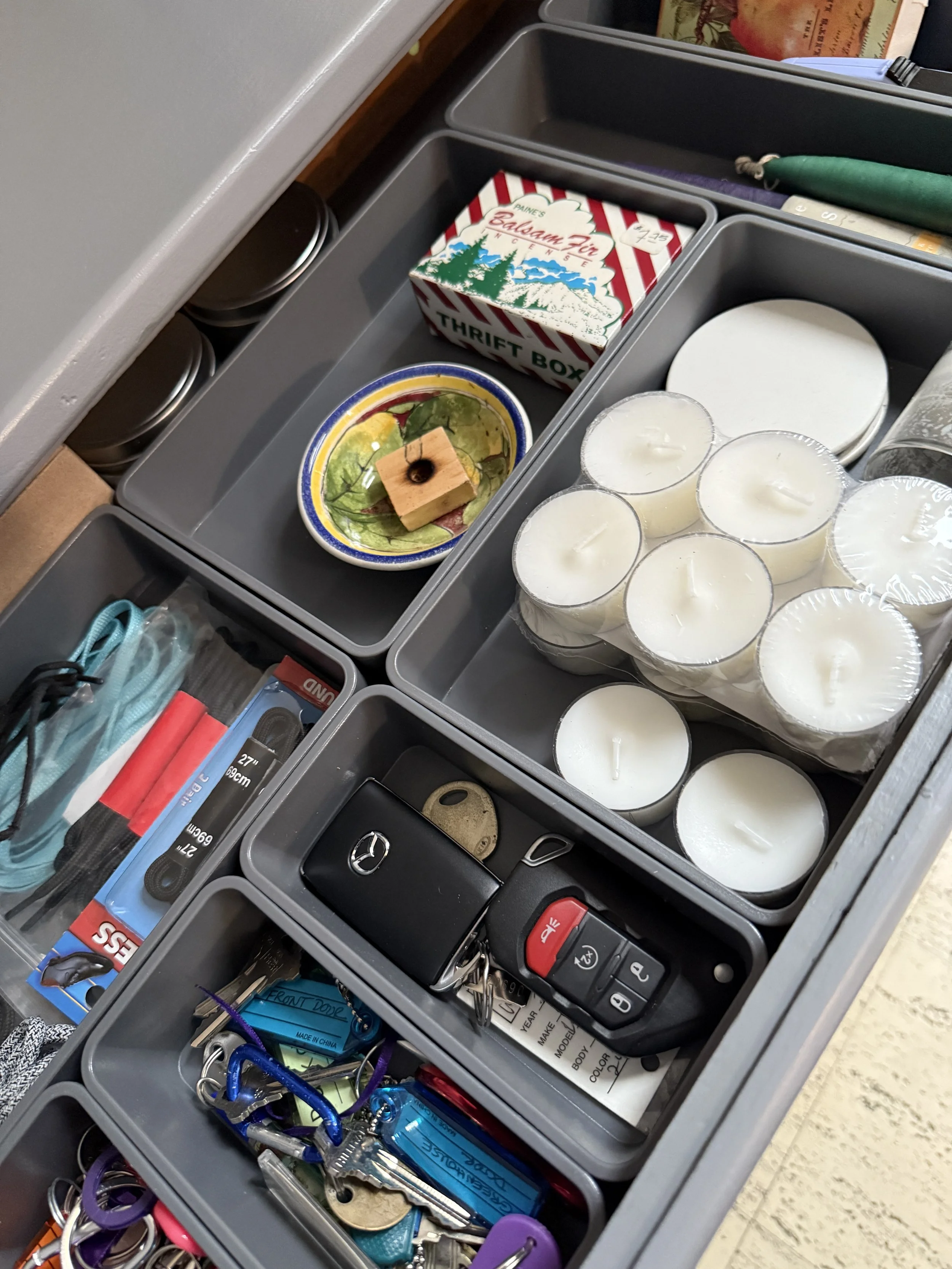
One of my favorite things to organize is cabinet drawers. The more chaotic, the better. A disorganized drawer presents an opportunity to edit, organize, and create order. Why does it matter?

Imagine the feeling of opening a drawer and finding exactly what you need right when you need it. No more searching or stress. It’s a good feeling, and a time-saver, too.

Recently, my husband asked me for drawer organizers and a design for his desk drawer. I recommended these lovely gray open bins, Terra Recycled Drawer Organizers from The Container Store. They also come in white and a variety of sizes. I liked them so much that I purchased more to organize a drawer in our shoe cabinet.


5. Interesting Thought – Human Experiencing
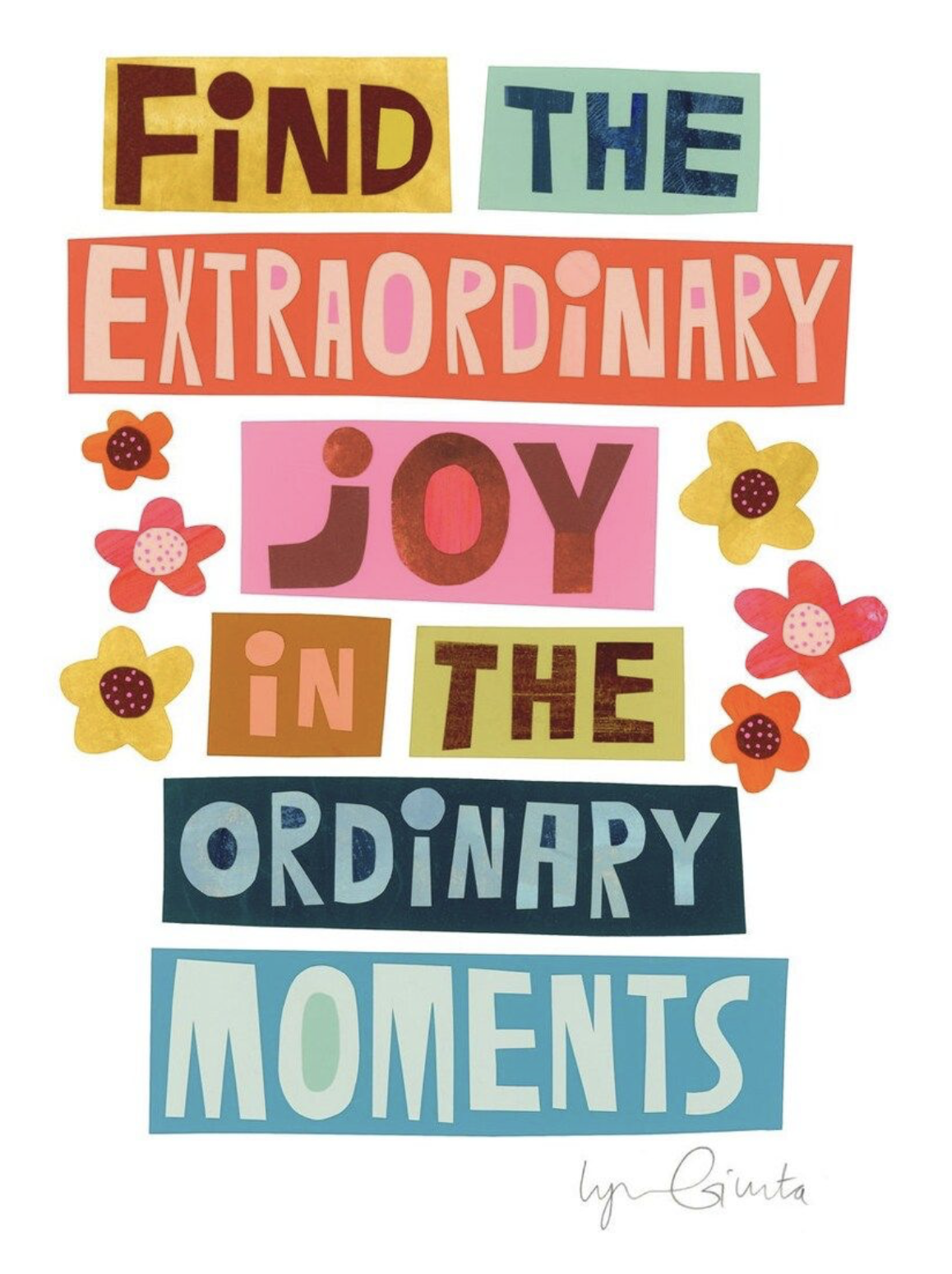
Let’s face it. Life can be stressful and chaotic. You make plans, and things change. You start a project, and something goes wrong. Your schedule is packed with little or no downtime.

However, even knowing this, you can experience joy in everyday moments. Let yourself be open to those tiny, ordinary moments. They can replenish your reserves, reinforce your gratitude wells, and help you feel more alive in a uniquely human way.

What can these joy-infused moments feel or look like? There are a few I recently experienced:

  • Hearing a client acknowledge and feel positive about their progress.

  • Seeing the afternoon sun backlight the red and orange leaves as the gentle breeze moves them softly against the blue sky.

  • Holding hands with my husband.

  • Experiencing progress, completing projects, or making purposeful choices in the service of growth and change.

  • Taking the first flavorful bite of a new vegetarian chili recipe I just made, and it was delicious.

  • Feeling warm water pouring over me as I shower.

  • Seeing the autumn light fill the sky with a soft pink and orange glow.

  • Hearing the voices of my loved ones, seeing their faces, or hugging them.

  • Getting into bed at the end of a long day and feeling the comforting weight and softness of the bedding.


Human Organizing Experience

In a world flooded with AI, it’s important to keep the human connection strong and vibrant. I highlighted several ways to tap into your uniquely human qualities to improve organization, balance, gratitude, and generosity.

Which of these discoveries resonates most with you? Do you have any you’d like to add? I’d love to hear your thoughts and invite you to join the conversation.


How Can I Help?

Do you feel overwhelmed, stuck, or disorganized? I’m here to help. Virtual organizing is an extraordinary path forward – Local feel with a global reach.

Let’s talk. I’m easy to reach.

Getting organized is possible, especially with real human support.


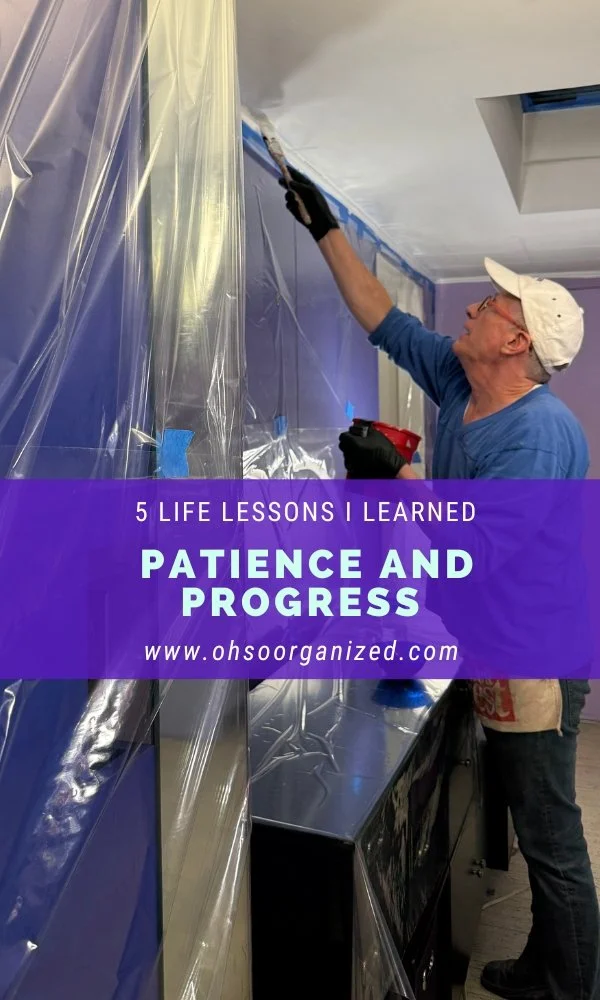
5 Life Lessons I Learned About Patience and Promising Progress

Recently, I reread the first blog post I wrote on waiting. As humans, waiting is something we do, yet we’re not always happy about it. We want things to happen quickly, effortlessly, and painlessly. However, things don’t often go that way. Our patience gets tested as waiting can be a challenging experience.

Maybe you’re working toward a big goal that might take months, years, or even decades. Perhaps your energy is low, and progress looks different from what it did earlier in your life. You might also lack clarity about your goal or what your next step will be.

Developing your internal resources, including patience, resilience, and agency, can be beneficial. You can also enlist help from external resources, such as haulers, handymen, trade specialists, a coach, a therapist, or a professional organizer like myself.

Progress is possible. Reaching your goals is doable. Gathering the resources to get there is essential.

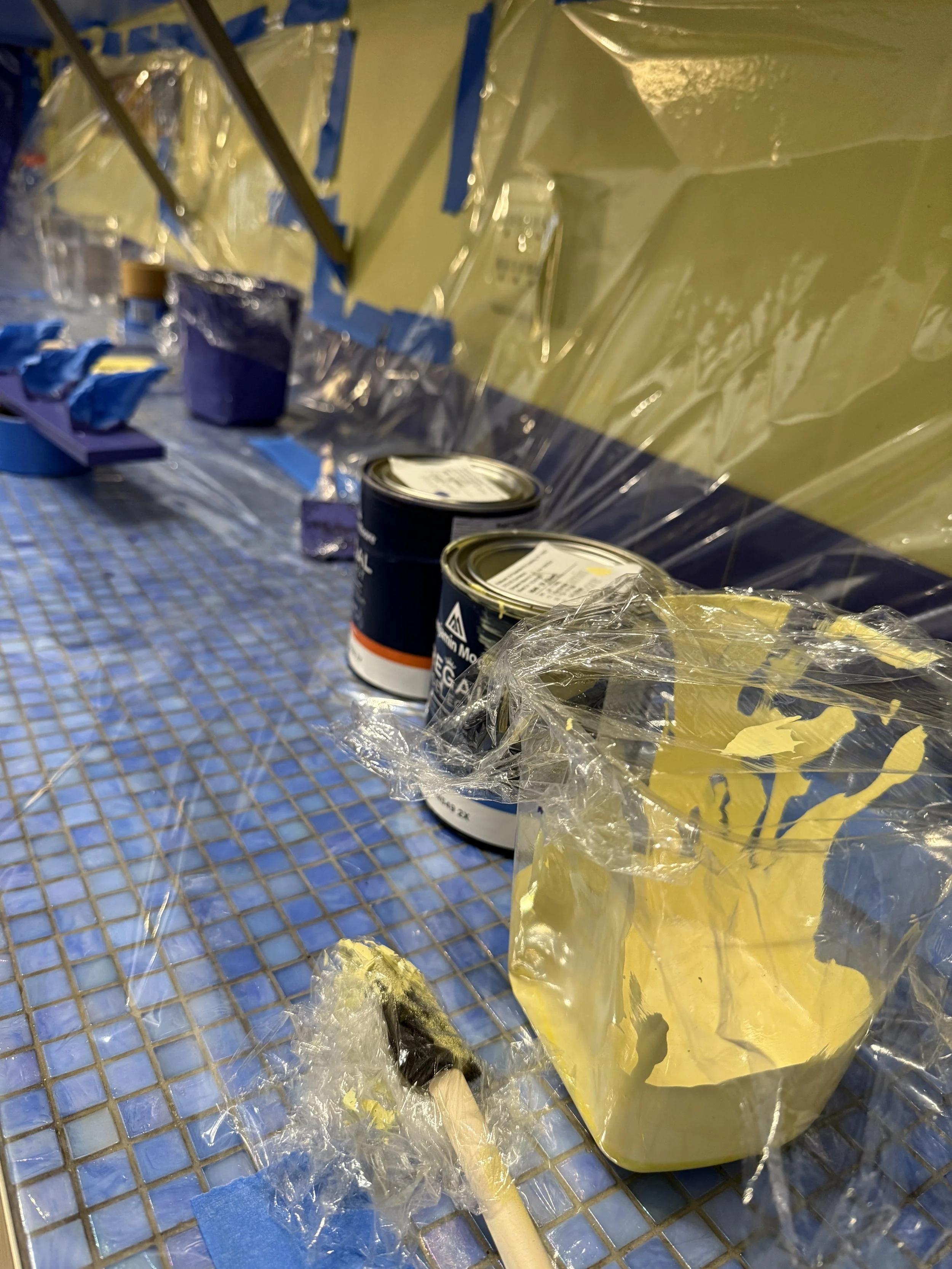
Over the past few months, my husband and I have been working on some home projects. They have taken different amounts of time to complete, and some are still ongoing. The biggest obstacles were setting priorities and managing time constraints. To finish these projects, we had to decide that they were still important enough to pursue. Once we agreed on that, we scheduled the time to complete them. The scheduling was pivotal. Without planning and scheduling, nothing would have happened.

During the process, I reaffirmed and learned a few things. Hopefully, some of these will resonate with you and be useful as you pursue your goals and projects.


5 Life Lessons I Learned About Patience and Promising Progress

Life Lesson #1:  I can tolerate discomfort.

I love the final result when we improve our home. It’s hard for me to tolerate the temporary chaos that happens. Stuff gets pulled out of place, messes spread to multiple areas, and order and organization are disrupted.

I often tell my clients that things usually get worse before they get better. When you’re organizing a closet, for example, and things are pulled out, it doesn’t look great. But as you start editing, rerouting, discarding, and donating, clarity begins to emerge. Once you organize the “keepers,” everything looks and feels better. However, there's a tipping point in the middle of the project where discomfort can surface.

Even though I’m happy when we’re fixing things, I tend to feel more anxious and stressed when we’re in reno mode. That discomfort motivates me to finish what we started as soon as possible. Interestingly, I can easily handle disorder in spaces I don’t live in. But in my own home, I prefer a certain level of order, calmness, and predictability.

Although I prefer not to be uncomfortable, I am capable of tolerating discomfort. This is especially true when it’s temporary or for a good reason. Acknowledging this made me feel less stressed and more accepting of the chaos.


Life Lesson #2: I can transform temporary chaos into an opportunity to reimagine.

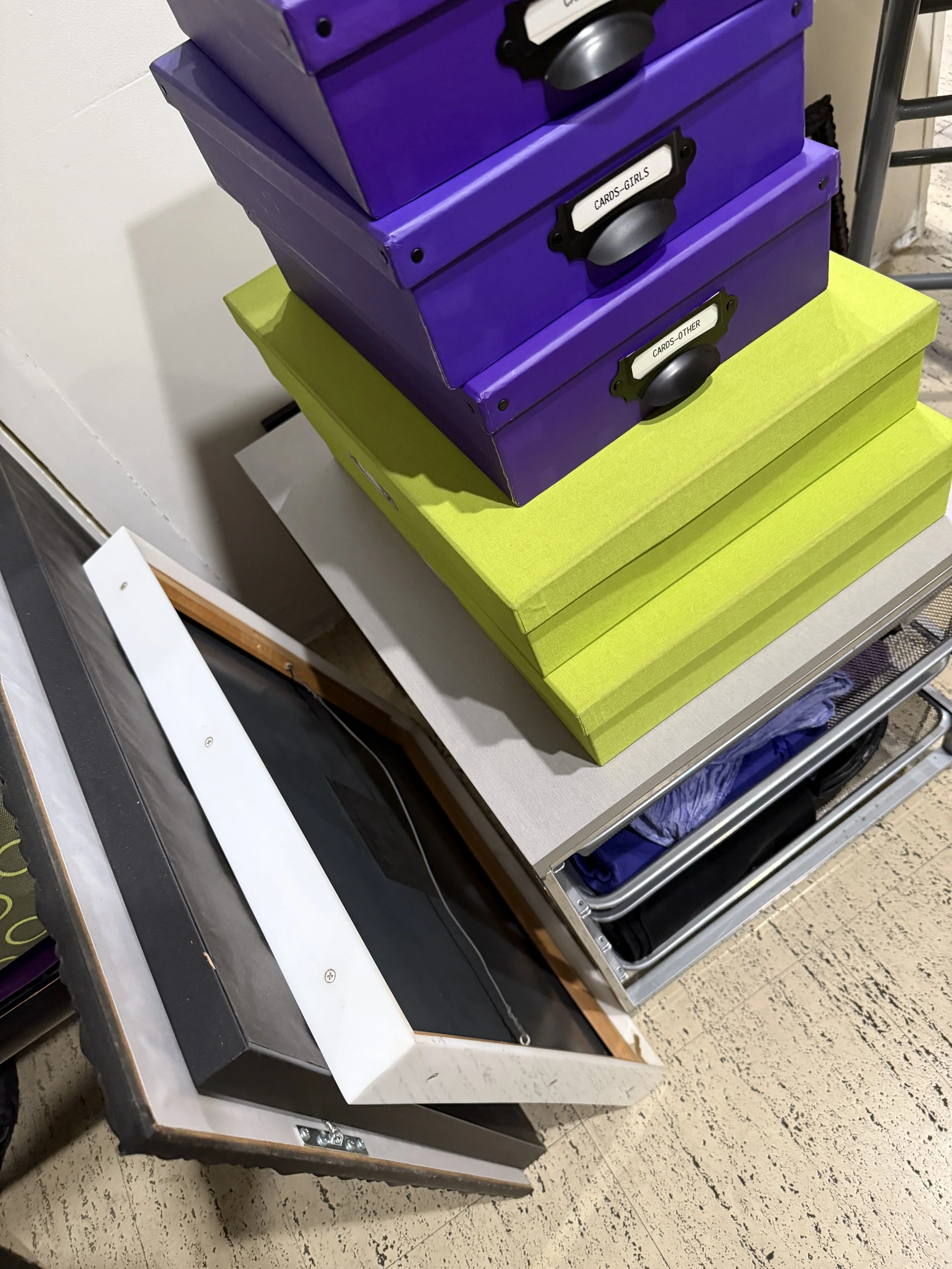
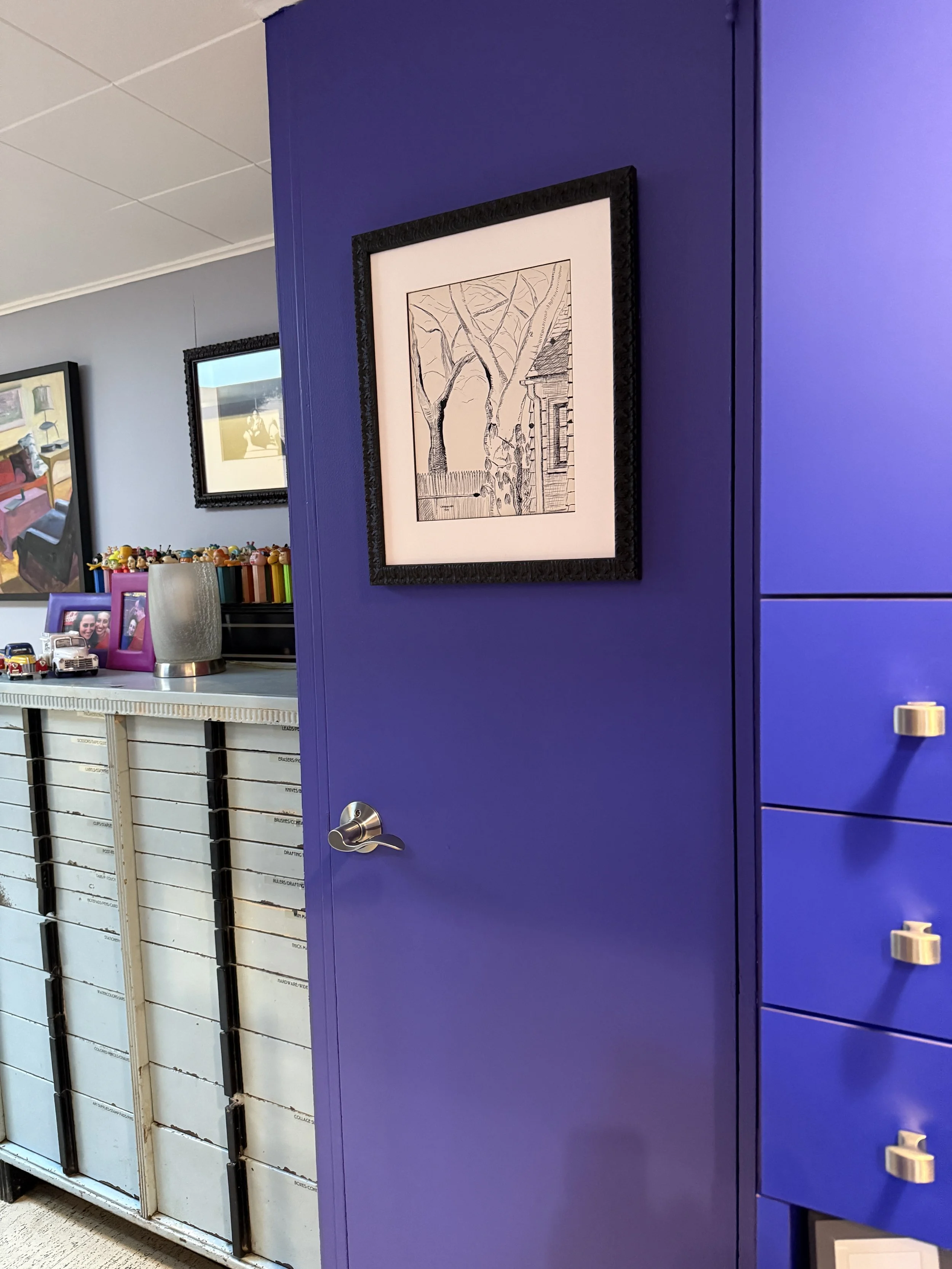
One of the benefits of taking things apart is having time to edit, question, and reimagine. We recently disrupted our entryway to spackle, paint, and do some electrical work. Doing that allowed me to let go of some things and reimagine the placement of certain items, like my Pez collection and one of the rugs.

I also felt inspired to repaint three of the cabinets. One is a big project, which I’ll wait to do in warmer weather. The other two cabinets will be done soon. Without being open to chaos and committing to the entryway project, these other projects might not move forward.

Chaos doesn’t have to be negative. It can be an opportunity to bring positive changes. The temporary chaos stirred my creativity and desire to make more improvements.


Life Lesson #3: I can finish what I start when I prioritize and plan.

This might seem obvious, but when you want to accomplish something, whether it’s organizing, home improvement, or changing a habit, dedicating time and energy to it is essential.

Deciding that something is a priority is the first step. This may involve temporarily setting other things aside while you focus your resources on the main goal. After all, you can accomplish a lot, but not all at once. Something has to give.

Once you've identified your priority, the next step is to schedule and plan dedicated time to work on it. For us, that meant working several evenings and weekends. Again, without blocking out specific calendar dates, it would not have been completed.

I can wish all I want, but without making it a priority and including it in a scheduled plan, it’s unlikely to happen. There is great potential and power in recognizing what I’m capable of when I prioritize and plan.

I can tolerate discomfort.
— Linda Samuels, CPO-CD®, CVOP™

Life Lesson #4: I can feel the joy and satisfaction that come with progress.

Done is great, but so is progress. No goal happens with one step. Progress happens one step, one action, and one commitment at a time. When working on the renovation projects, Steve and I took a moment to appreciate the progress along the way.

Momentum is a powerful force. Taking action motivates you to do more. Experiencing progress encourages further movement. Progress is satisfying and joy-inducing.

Steve and I made sure to see, feel, talk about, and celebrate the progress we've made. It was no small feat to get some of these projects started. We embraced the positive feelings that came with making progress.

Do you know the expression, “Stop and smell the roses?” For this one, let’s pause and celebrate the progress. You took action and worked hard. Now, enjoy it!


Life Lesson #5: I can be awed by my bad-ass husband.

After 42 years of marriage, I am still amazed by my husband. He is a talented man who, among his many skills, knows how to cook, play the drums, coordinate large-scale architectural woodworking projects, and handle almost any type of home improvement or repair project. He’s also a devoted volunteer, a great listener, a wonderful father, and an incredible husband and life partner.

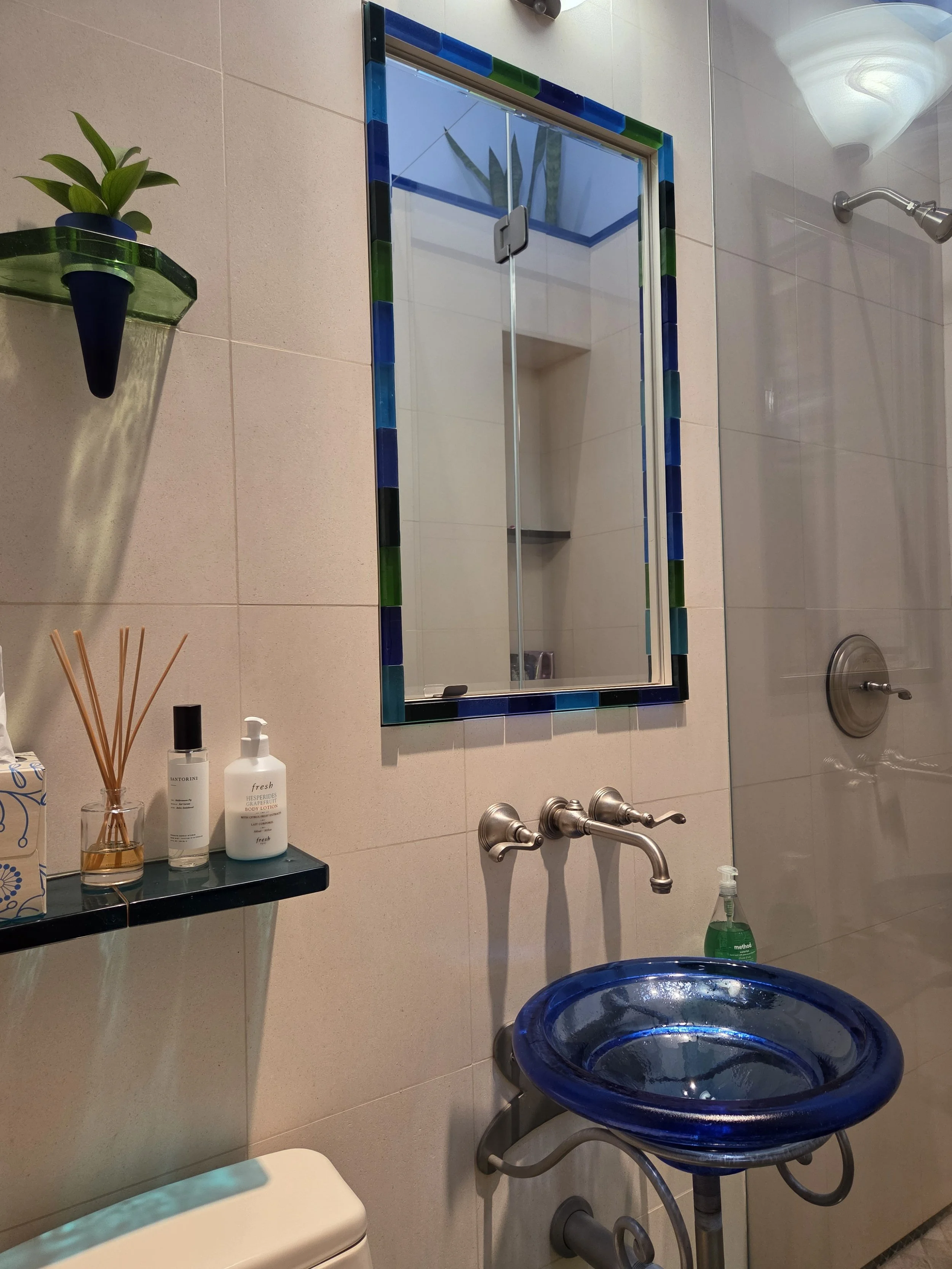
Whether he was finishing the glass tiles in the bathroom, doing electrical work, plumbing, cutting through walls, spackling the ceiling, or painting surfaces, he not only knew what to do but also had the right tools to do it. He also taught me how to do some things, so we could work together on projects. I love that!

I am constantly inspired by Steve’s work ethic, humanity, skills, design sense, dedication, and talent. He was willing to let go of perfection to do his best and finish projects. I’m grateful for and in awe of the incredible human he is. Thank you, Honey!


How Do Patience and Progress Manifest for You?

Patience, or the lack of it, is part of being human. In fact, impatience can sometimes drive progress. When you feel stuck, progress may seem out of reach. However, leaning into that urge to move forward and pushing your patience to its limit can be one way to make progress. Prioritizing and planning are also helpful. What helps you move ahead?

Which ideas resonate most with you? I’d love to hear your thoughts. I invite you to join the conversation.


How Can I Help?

Are you ready to make progress? Do you feel overwhelmed, stuck, or disorganized? I’m here to help! Virtual organizing is an extraordinary path forward – Local feel with a global reach.

Let’s talk. I’m easy to reach.

Getting organized and making progress is possible, especially with support.


5 Ways to Easily See What's Possible by Finding Solutions to Your Challenges

Are there many things you want to experience, explore, or accomplish in life? If so, that’s wonderful. However, when you encounter daily challenges, it becomes harder to think about the future and imagine possibilities.

You have the capacity to handle a lot. You can boost your capacity by identifying and addressing a specific challenge you’re facing. Often, just one small tweak is enough to create momentum and open the path for new ideas you couldn’t see before.

Why is that? It’s easy to get stuck in cycles of distress, overwhelm, and frustration. These patterns can cause paralysis and inaction. When you’re in that negative mode, your mind can spiral or shut down. Thinking and dreaming about new possibilities feels out of reach.

There are many ways to open up the ‘what’s possible’ path. Depending on your preferences and situation, choose the strategy that will be most effective for you.


5 Ways to Easily See What’s Possible by Finding Solutions to Your Challenges

1. Identify the Hiccups

One of my favorite methods to prepare for possibilities is by making a list of the hiccups you encounter during your day.

Pay close attention as you go through your day. As situations occur, write down anything that causes you stress, distress, or inconvenience. These might include things like:

  • Misplaced or lost keys, glasses, or your phone.

  • Had trouble getting dressed because of clutter in the closet.

  • Created an overly complicated organizational system that’s too difficult to maintain.

  • Had supplies tumble out of the bathroom cabinet every time it was opened.

  • Was late for an appointment again.

  • Ran out of milk, toilet paper, apples, or other household staples.

  • Was annoyed during kitchen meal prep because things weren’t organized in a useful way.

  • Woke up cranky because of sleep disruptions or lack of sleep.

  • Began the day feeling anxious and unsure what to focus on.

Notice the hiccup. Write it down. Choose one of the challenges and fix the problem.


2. Quiet Your Mind

When the noise upstairs gets too loud and clouds your thoughts, it can prevent you from seeing possibilities. How can you quiet the mind so you can move forward with clarity and purpose?

There are many ways to do this, including:

  • Journaling

  • Meditating

  • Sipping coffee or tea from your favorite mug

  • Resting

  • Reading

  • Breathing slowly with focus and intention


3. Declutter the Desk

Numerous studies show how clutter can negatively affect our mental health and well-being. Not everyone is affected by clutter to the same degree. However, if clutter bothers you, you may actually feel its effects viscerally. You might feel anxious, stressed, agitated, or have difficulty concentrating or relaxing.

One of the easiest ways to change how you’re feeling is by decluttering a small area. It doesn’t matter what you choose. Pick something with distinct boundaries like a desk surface, a comfy chair, or a coffee table.

Remove items that don’t belong. Route the outtakes to the trash, recycling bin, donation box, or rehome them elsewhere. For the remaining items, decide whether you want them to stay, let them go, or relocate to another spot.

Clearing space and surfaces is calming. With this simple reset, you’ll be more open to possibilities. 

The physical act of movement can encourage progress and possibilities in other areas of your life.
— Linda Samuels, CPO-CD®, CVOP™

4. Move Your Body

Sitting is passive. Not only does it make your body stiff and less active, but it can also affect your energy level and mood. Since transitioning from in-person to virtual work, I sit much more than I used to.

Movement has become even more important. I make sure to take breaks between virtual organizing sessions to walk around, stretch, take bio breaks, or get some fresh air. When I’m on the phone, I often walk around the house while talking. I incorporate other movements by doing yoga, exercising, walking by the river or in the woods, running errands, gardening, sweeping, or cleaning.

Some movement is spontaneous, while some is more intentional. It helps when I schedule time to meet a friend for a walk or go to yoga class. That adds accountability and keeps me committed to moving more.

Physical movement creates its own momentum. The physical act of movement can encourage progress and possibilities in other areas of your life.


5. Ask for Help

Have you ever faced a challenge that overwhelmed you? When that happens, do you try to solve it on your own or ask for help? I usually try to figure things out myself first. However, there are times when hiring someone or seeking advice is beneficial.

Recently, I experienced some frustrating tech problems with Mailchimp and Square while setting up the backend for my December workshop. While customer support offered a few insights, they didn’t resolve the issue, so I hired someone to help me. It was incredible how much less stressed I felt knowing someone would help me find a solution and fix the problem. I didn’t have to do this alone. It was wonderful having the personalized support to troubleshoot the issue, discuss options I hadn’t considered, and resolve the problem. Thank you, Lana Kitcher!

As a professional organizer, I help my clients get unstuck and move forward. I love helping and serving others. It’s inspiring to see what becomes possible when obstacles are removed.

Sometimes the answer to a problem is asking for help. When you receive the support you need, your stress and overwhelm decrease. You become more available to take the next steps and imagine what is possible.


Will Finding Solutions Make You More Receptive to New Possibilities?

Everyone gets stuck sometimes. What happens next is what matters most. There are many options, which include identifying the challenge, decluttering a small area, or reaching out for help. What hiccups during your day are keeping you frustrated and stuck? What helps you feel receptive to new possibilities?

Which ideas resonate most with you? I’d love to hear your thoughts. I invite you to join the conversation.


How Can I Help?

Do you feel overwhelmed, stuck, or disorganized? I’m here to help! Virtual organizing is an extraordinary path forward – Local feel with a global reach.

Let’s talk. I’m easy to reach.

Getting organized and making progress is possible, especially with support.


What Becomes Immediately Achievable When You Get Out of Your Own Way?

The things you say or think can act as possibility-blockers, preventing you from moving forward. They can be subtle or obvious. You might not notice how these phrases get in your way.

The blockers may sound like:

  • “I can’t do this.”

  • “It’s too hard.”

  • “I can’t tolerate the discomfort.”

  • “I’m just not good at this.”

  • “I’m unable to figure this out.”

  • “I don’t know where to start.”

  • “I don’t have any skills.”

  • “Nothing ever seems to work out.”

  • “I’m really frustrated, and I don’t know what to do.”

  • “I never finish anything.”

  • “It has always been like this, and I can’t change it.

  • “I’m feeling totally overwhelmed.”

  • “Nobody ever taught me how to do this.”

  • “I can barely get through today, let alone think about tomorrow.”

  • “I’m stuck where I am.”

  • “I’m too busy and don’t have time to find a solution.”

  • “I can’t imagine what’s possible because my mind and space are so cluttered.”

That’s a lot to take in. Have you noticed yourself repeating any of these phrases? Maybe you have different go-to messages that aren’t helping you. Take a moment to identify which thoughts are shutting you down.

What did you find out?

Focusing on negative messages reinforces your lack of agency. You are paying attention to defeat. While you might not be able to eliminate negativity completely, there is hope. In fact, here is a three-step approach that can help. It consists of awareness, reframing, and action.


A Three-Step Approach: Transform the Impossible into Possible

Step 1: Develop Awareness

The only limits to the possibilities in your life tomorrow are the ‘buts’ you use today.
— Les Brown

Notice the messages that aren’t serving you. Each time you repeat them, those neural pathways in your brain become stronger. The applies to positive messages, too. Becoming aware of your thoughts is the first step in changing them.

  • Observe and record.

  • Write down your negative thoughts and messages without judgment.

  • Make a note of how frequently they ‘visit’ you.


Step 2: Experiment with Reframing

Take your mind off the problems for a moment, and focus on the positive possibilities. Consider how very much you are able to do.
— Ralph Marston

Once you recognize which negative messages appear and how often they do, you’re ready for this next step.

When you notice yourself repeating the undesired words, use that as a cue to reframe them. Make a mental or written note. Intentionally craft a statement that reduces the power of negative thoughts and promotes healthier, more proactive messages.

Reframing examples:

  •  “I can’t do this,” can become “I’m learning to do this.”

  • “I don’t know where to start,” can become “Just start anywhere.”

  • “Nobody ever taught me how to do this,” can become “I can learn and will ask for help.”

  • “Nothing ever seems to work out,” can become “The past doesn’t have a hold over my future.”


Step 3: Do Something

The possibilities are numerous once we decide to act and not react.
— George Bernard Shaw

Negative messages can cause doubt and inaction. One way to overcome them is by taking action. After trying out the reframes, you’re ready to move on to this last step.

Ask yourself, “What tiny action can I take to move this project or situation forward?”

Make the action as small and simple as possible. That’s where the real change begins. By doing something, you shift from “I can’t” to “I can.”

Taking action changes your thinking and behavior. It helps you move from feeling stuck to being proactive.

Action also helps you to:

  • Be more creative when facing challenges,

  • Build momentum,

  • Foster a sense of agency,

  • Achieve your goals, and

  • Nourish hope.


What Is Possible When You Change Your Message?

You’re human. You’ll have internal and external messages that are negative and unhelpful. However, by learning to acknowledge, reframe, and take action, you can change the course of today and the future. Words and thoughts matter. Are yours supporting or hindering your growth? Change the messages so you can thrive.

Which ideas resonate most with you? I’d love to hear your thoughts. I invite you to join the conversation.


How Can I Help?

Do you feel overwhelmed, stuck, or disorganized? I’m here to help! Virtual organizing is an extraordinary path forward – Local feel with a global reach.

Let’s talk. I’m easy to reach.


Getting organized and making progress is possible, especially with support.