How to Focus Endless Possibilities to Help Get Unstuck and Make Progress

Fall brings changing colors, cooler weather, and hope for what can be. The new season offers many possibilities. There are countless options for activities to try, goals to pursue, information to gather, relationships to develop, stuff to declutter, and paths to explore. So many possibilities may seem endless, intimidating, or overwhelming.

What happens when you have too many choices? Does it prevent you from moving forward? Do you get stuck and struggle to make meaningful progress?

Judith Kolberg, an organizing industry thought leader, author, and friend, said, “We live in the Era of Endless, confronted by infinite information, incessant interruptions, constant distractions, unending work, and boundless stuff. All this endlessness butts up against the one thing that remains intractably finite: time.”

Possibilities are limitless, but our time is not. Knowing this, how can you move forward anyway? There are several strategies, such as narrowing the focus, facing the fear, and redefining the problem, that can help.


Narrow the Focus

I don’t know about you, but when I face too many choices, my brain begins to shut down. Sorting through multiple options and weighing their pros and cons can be overwhelming.

Narrowing your options can help you get unstuck. The ideal number might be evaluating three choices at a time. However, if that feels like too many, try two.

Let’s say you’re decluttering your closet. You have twenty pairs of pants, but you want to have only ten. First, organize them by color or category. Gather each group, such as black, navy, casual, or dress pants. Hold up two at a time from a group. Once that group is complete, move on to the next group.

Ask questions like:

  • Do I like this pair more than the other one?

  • Which pair fits or feels best?

  • Is it worn out, repairable, or worth repairing?

  • Are the pants the same?

  • Do I need both?

These types of questions will help you:

  • Narrow your options

  • Get unstuck

  • Reduce or eliminate overwhelm

  • Help you reach your objective of having fewer pants

Modify and use this strategy when your focus is too broad. Break choices into several categories to place boundaries around possibilities and decision-making options.


Face the Fear
Endless possibilities can also bring up fear. When fear is present, it can be paralyzing, causing you to do nothing.

Reflect on these questions to see if fear is holding you back:

  • When exploring new possibilities, is fear an obstacle?

  • Is it about fear of choosing the wrong option?

  • Is it about fear of making a mistake?

  • Is it about fear of what others might think about your decision?

There are no guarantees in life. When you’re unsure, it’s natural to feel apprehensive. But don’t let that stop you. Instead of focusing on fear, reframe the ‘adventure’ as an experiment. This mindset will encourage you to try things with less pressure. Experimenting is about curiosity, learning, and growth, not punishment or black-and-white thinking.

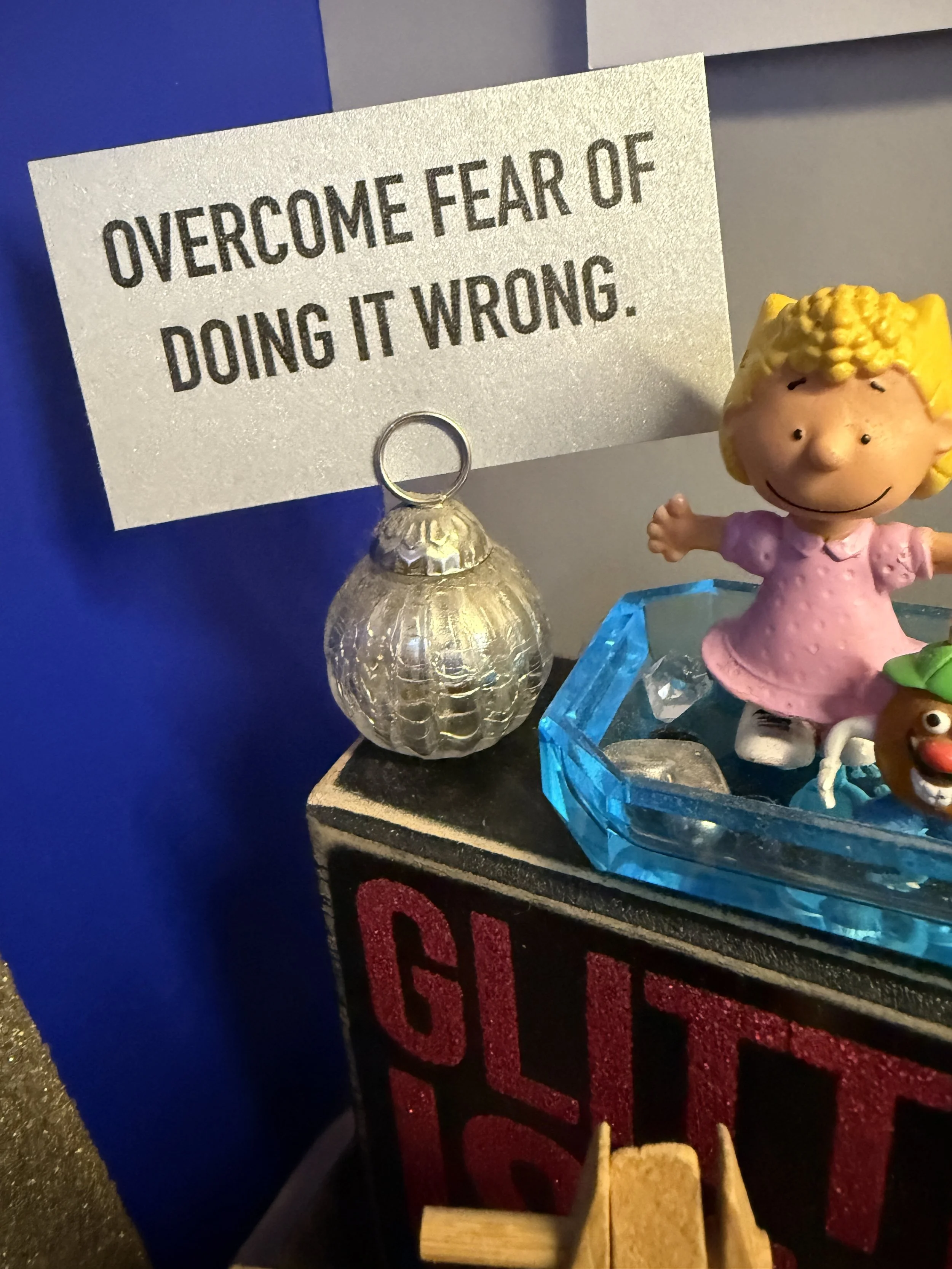
As a reminder, I keep a sign on my desk. It says, “Overcome the fear of doing it wrong.”

Possibilities are limitless, but our time is not.
— Linda Samuels, CPO-CD®, CVOP™

Redefine the Problem

When possibilities appear endless, it can cause confusion about goals and progress.

In the book Daily Creative, by author, creative, and podcast host Todd Henry, he said, “At times, the feeling of ‘stuck-ness’ is really nothing more than a lack of clarity about what meaningful progress truly is. Simply redefining the problem can provide a quick jolt of forward momentum.”

He continued and said, “Consider a project you’re struggling to make progress on. What are you really trying to do?” That’s such a powerful question! Clarifying can help you cut through the noise from competing factors, options, and possibilities. The strategy encourages you to revisit the challenge and then define what you need and want to do at that moment.


Working with Endless Possibilities

In an age of information and choice overload, it’s no wonder you get stuck. It’s no surprise that you’re struggling to make progress. However, now you have three strategies that can help with focus, fear, and problems. What helps you navigate limitless possibilities? Which idea resonates most with you? 

I’d love to hear your thoughts. I invite you to join the conversation.


How Can I Help?

Do you feel overwhelmed, stuck, or disorganized? I’m here to help! Virtual organizing is an extraordinary path forward – Local feel with a global reach.

Let’s talk. I’m easy to reach.

Getting organized and making progress is possible, especially with support.


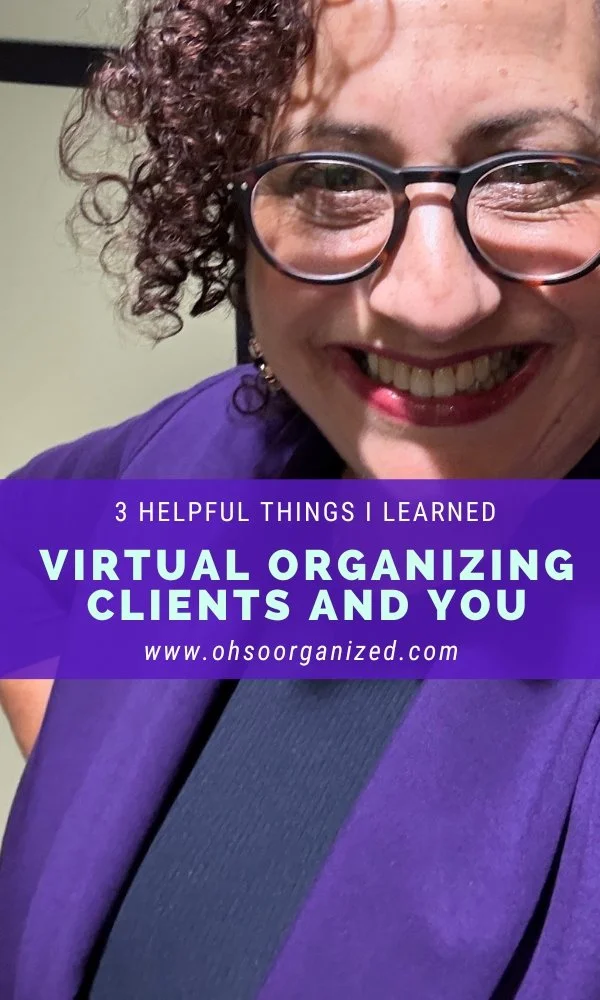
3 Helpful Things I Learned That Will Benefit My Virtual Organizing Clients

Attending organizing conferences is one of the highlights of my year. I learn interesting things, dedicate time to professional growth, connect with dear colleagues, and meet new people.

I just got back from the Institute for Challenging Disorganization’s (ICD) conference in Atlanta. Colleagues came from all over the United States and around the world, including Canada, Mexico, Spain, the Netherlands, and New Zealand. We learned together from experts on decision-making, time management, ADHD, autism, hoarding disorder, aging, dementia, and more.

Earlier this month, I participated in a meditation and writing retreat led by my dear friend and life coach, Yota Schneider. She shared a quote from John O’Donohue that feels relevant to the ideas I’m about to share. He said, “Nothing opens up the mind like the glimpse of new possibility.”

It’s the “glimpse” of what is possible that fosters hope and encourages change for my virtual organizing clients. I hope what I’m about to share will also be relevant and helpful for you.


3 Helpful Things I Learned at the Organizing Conference That Can Benefit You

1. Decision-Making Takes Energy

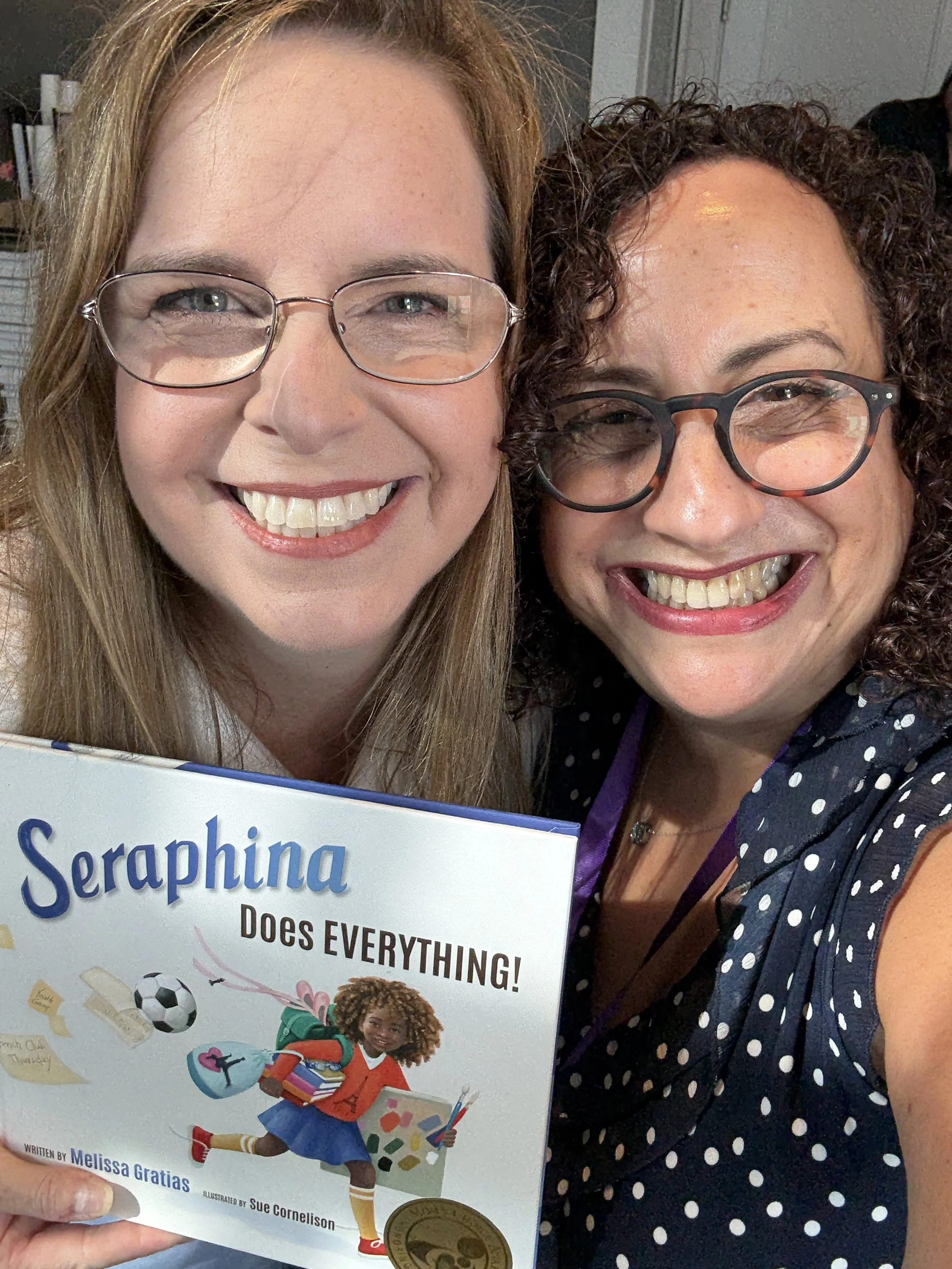
Melissa Gratias and Linda Samuels

Getting and staying organized requires making lots of decisions. One of the conference sessions about the brain and decision-making was presented by productivity expert, colleague, and fellow blogger, Melissa Gratias, PhD. She said, “The more choices, the more cognitively taxing.”  

In another session on chronic disorganization and aging, Beth Nolan, PhD, a gerontology expert, also discussed decision-making. She mentioned that one way we can help our clients with decision-making is by “being aware of the energy it takes.” Decision fatigue can become even more pronounced when compensating for physical changes or conditions.

Making decisions is an integral part of most virtual organizing sessions. I provide support to my clients and consider their energy level as they:

  • Weigh various options

  • Choose what to keep or release

  • Decide what step is next

  • Select what to include or exclude from their schedules


2. Change Barriers Can Be Overcome

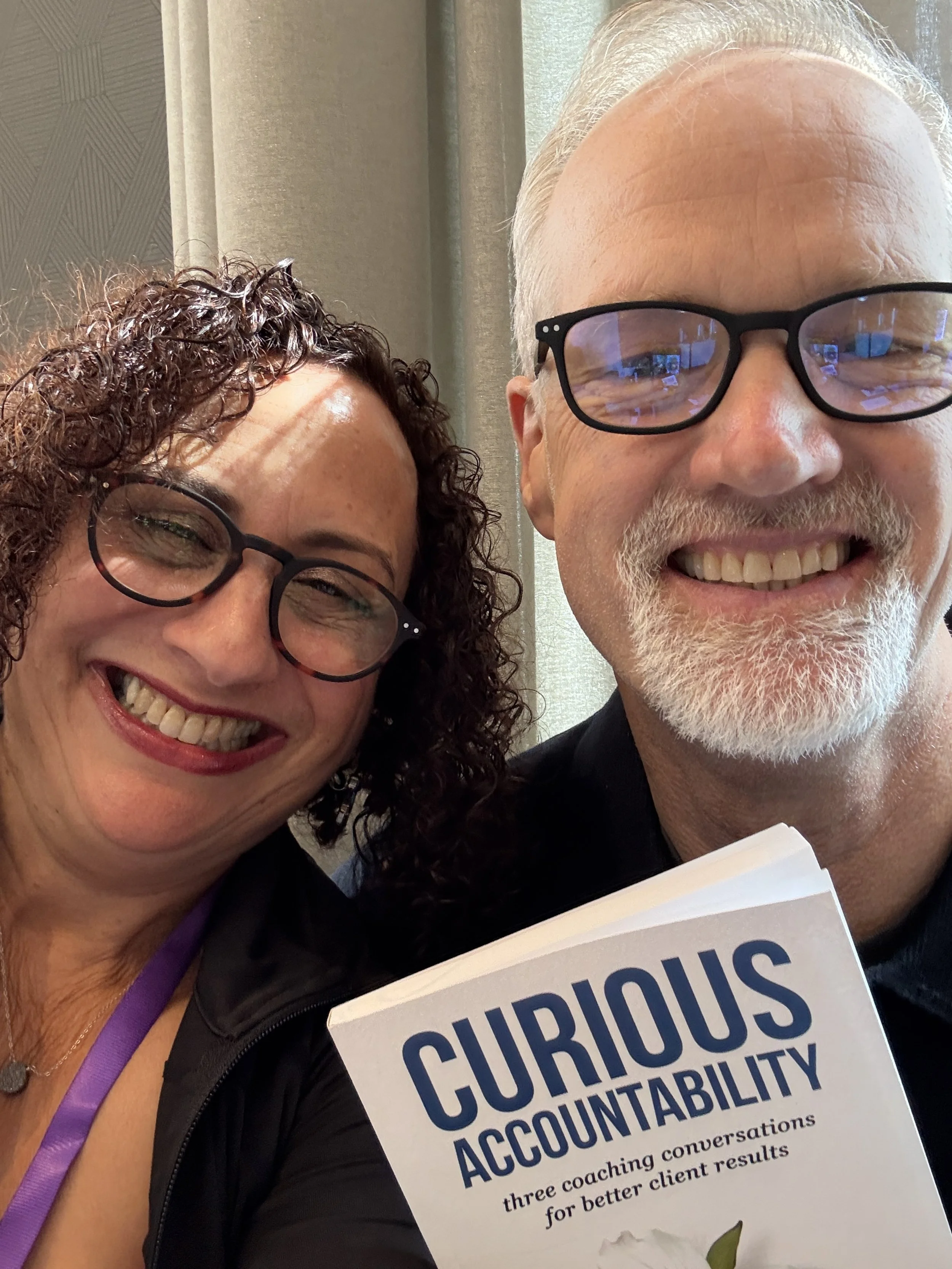
Linda Samuels and Cameron Gott

Change was another topic that surfaced throughout the conference. In the session on tools to help your ADHD clients with their organizing goals, presented by Executive ADHD Coach, trainer, podcast host, author, and friend, Cameron Gott, PCC, he spoke about change.

Cam said there are many barriers to change, especially when ADHD is in the mix. The “ADHD hard place” exists in the space between being aware of the issues and actualizing the change you seek. Some of these ‘change’ barriers include:

  • Engaging in negative self-talk

  • Having lots of rules

  • Having difficulty prioritizing

  • Being challenged with activating

  • Experiencing a lack of focus

  • Getting easily distracted

One of the tools Cam suggested is using curiosity to bring about change. However, curiosity can also act as a barrier to change. As a barrier, it can appear as:

  • Doing endless research

  • Going down rabbit holes

  • Engaging in time sucks

However, Cam said you can reframe curiosity as a resource. He said, “Bring curiosity to a dilemma.” This will help you focus and take a more proactive approach.

While my virtual organizing clients desire change, they often face internal and external obstacles. However, with support and accountability, we work together to identify these challenges and try different ways to overcome them.


Bring curiosity to a dilemma.
— Cameron Gott, PCC


3. Connection is Essential

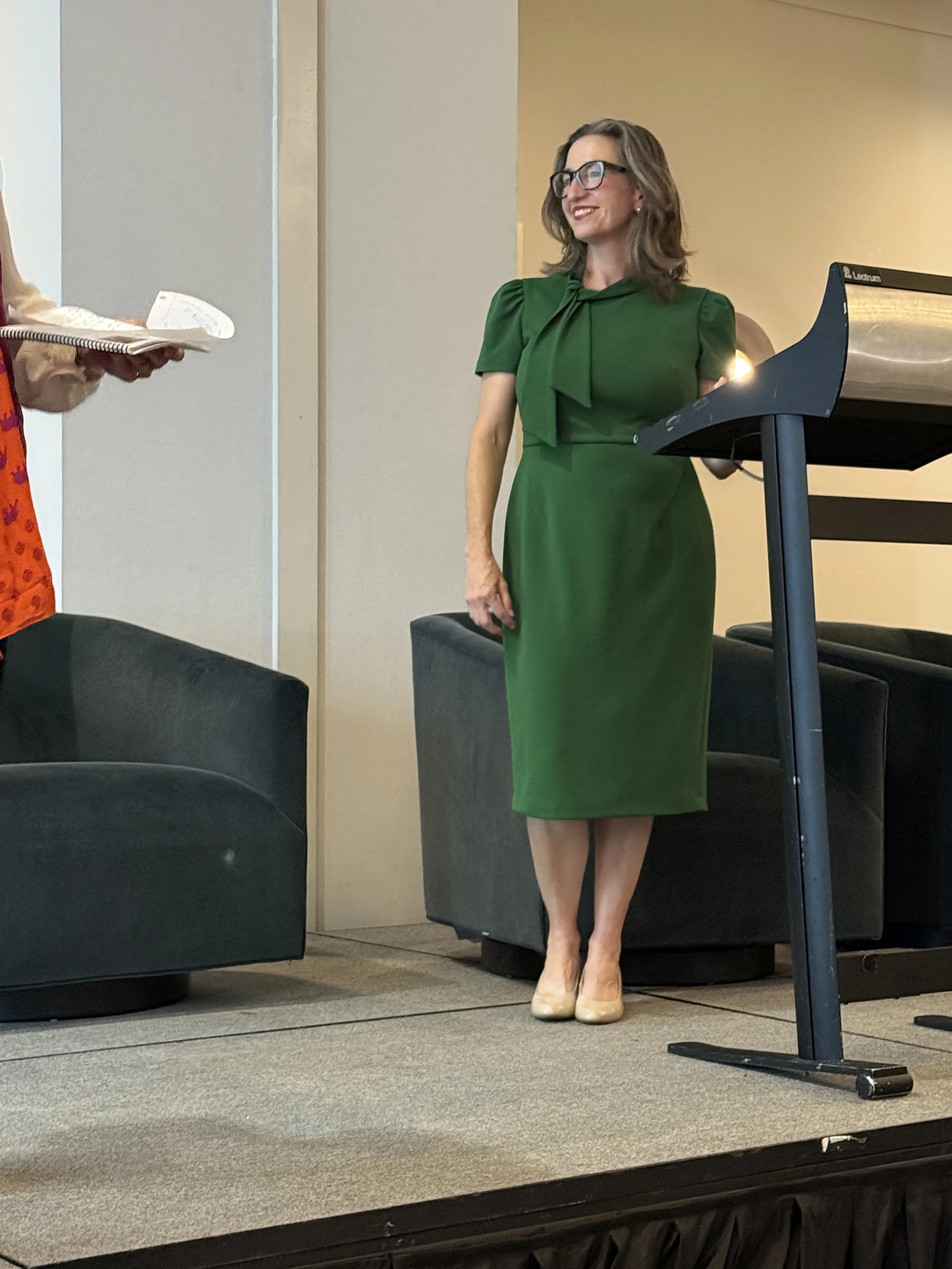
Carrie M. Lane

The last conference session, “Qualitative Research, Connective Labor & Professional Organizing,” was presented by Carrie Lane, PhD, an anthropologist and author of More Than Pretty Boxes – How the Rise of Professional Organizing Shows Us the Way We Work Isn’t Working.

“Connective labor,” which is “work that relies on empathy, human interaction, and mutual recognition,” was one of the ideas Carrie discussed. She referenced her friend’s book, The Last Human Job, written by Allison Pugh, a sociologist and author.

Carrie reminded us that “Our job as organizers requires the human connection – an intimate, nonjudgmental connection.”

While technology and AI keep advancing into our daily lives in many ways, nothing can replace human interaction and connection. I value the relationship I have with my clients. By building trust, showing compassion, and remaining nonjudgmental, I provide support as they work on growth and positive change.


Decision-Making, Change, Connection, and Virtual Organizing

There are many ways I support my virtual organizing clients. Are you struggling with making decisions, creating change, or feeling disconnected from others? What becomes possible when you get the help you need? Which ideas resonate most with you?

I’d love to hear your thoughts. I invite you to join the conversation.


How Can I Help?

Do you feel overwhelmed, stuck, or disorganized? I’m here to help! Virtual organizing is an extraordinary path forward – Local feel with a global reach.

Let’s talk. I’m easy to reach.

Getting organized is possible, especially with support.


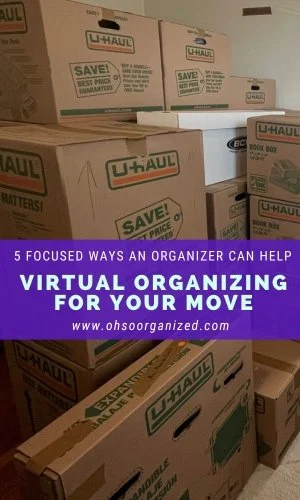
5 Focused Ways a Virtual Professional Organizer Can Help During a Move


In the northeast, the leaves are changing, and it’s a season of transition. Is fall the unofficial moving season? It seems so, especially since many of my clients and kiddos are in the process of moving, downsizing, right-sizing, or transitioning.

Moving involves many decisions and plans, which can be overwhelming. The good news is you don’t have to do it alone. Reduce your stress and enjoy the benefits of getting help from a virtual professional organizer like me.

Depending on your stage in the moving process, motivation can vary significantly. For example, if you're moving within a month because your lease is ending or your house was just sold, the limited time creates pressure that boosts motivation. However, if you're planning to move years from now or moved several years ago but haven't fully unpacked or settled, your motivation might feel important but less urgent.

No matter what stage of moving you’re in—pre-move, during, or post-move—having the right support makes an enormous difference. Whether you hire a professional organizer or ask family and friends for help, creating your team will help things go more smoothly and reduce stress.

Because you know what they say—moving is one of the top ten most stressful things we do in life.

  • In a 2020 survey by OnePoll for North American Van Lines, 64% of respondents said that their recent move was one of the most stressful experiences they ever had.

  • In a 2022 Move.org survey, 38% of respondents said moving was more stressful than parting with a significant other.

  • In a 2025 survey by HireAHelper, 29% of participants said they’d rather get a divorce than move again. 55% of participants rated moving as highly stressful.


5 Ways a Virtual Professional Organizer Helps You Navigate a Move

1. Clarify Your Why

Your reasons for moving might seem obvious. However, an organizer can help you clarify these reasons and keep them relevant as you make decisions. There are many choices to consider, and decision fatigue can set in. Keeping your ‘why’ visible helps you stay focused, encourages the right actions, and boosts your motivation. 

Maybe your why is to:

  • Simplify life—own less, manage less, and reduce your financial obligations.

  • Consider the future—downsize and organize your belongings now so your family won’t have the burden of doing it after you’re gone.

  • Get more space—Your current living situation is too cramped, and you need extra room for your growing family.

  • Relocate temporarily—A family or work situation requires you to move, even if it’s not an ideal scenario.

  • Reimagine life—You’ve experienced a major life change, like losing a loved one, starting a new job, becoming an empty nester, or retiring. Now you want a fresh start in a new place.


2. Establish Timeline and Pace

As an organizer, I enter someone’s life at a particular moment in time. Sometimes, I’m contacted well in advance of a move, giving enough time to plan and edit. Other times, I engaged right before or after a move. Every scenario requires a different timeline to help someone go from where they are to where they want to be.

Working together, we can create a schedule, even a loose one, to put a reality check on what’s possible to accomplish within a certain timeframe. Many considerations will affect your timing, including:

  • Budget

  • Urgency

  • Time available to focus on the project

  • Life demands more than just moving

  • Support team you have or need to assemble

Pacing is just as essential as understanding the overall timeline. If you're years away from moving, you can proceed at a slower, steady pace. However, if you're moving this month, the pace needs to be much faster. You might need extra help to finish your move.


3. Edit and Organize Your Stuff

Even if you don’t see yourself as a ‘collector,’ you probably have plenty of things to edit before and even after your move. You know how it goes, right? As humans, we accumulate a lot of stuff. And if you’ve been in your home for a long time, you likely have even more stuff.

Enlisting help from a virtual professional organizer during the editing phase is invaluable. I can support that process in various ways, including:

  • Asking good questions

  • Weighing your options

  • Providing focus as you sort through your things

  • Establishing decision-making parameters

  • Sharing letting go strategies

  • Helping determine which category something belongs to: Keep, Toss, Donate, Sell, Route to storage, or Give to a specific person

While it’s best to edit your belongings before moving, that’s not always possible. Letting go often continues after the move, even if you edited beforehand. If you’ve already moved, I can help you with ongoing editing, decluttering, refining, space planning, organizing, and deciding about the last 10% of items that haven’t been unpacked.


Even if you don’t see yourself as a ‘collector,’ you probably have plenty of things to edit before and even after your move.
— Linda Samuels, CPO-CD®, CVOP™


4. Have Access to Trusted Resources

Throughout every stage of a move, you’ll need various resources for donating, selling, recycling, or disposing of items. You might also need referrals for vendors like movers, junk haulers, or suggestions for organizing products.

With over 30 years in the organizing industry, I’ve gathered hundreds of resources to share with my clients. I also have a network of industry colleagues who generously share their resources whenever I need a referral for something or someone I don’t already have.


5. Collaborate with a Thought Partner

Moving can feel like a huge jumble of puzzle pieces. Although the pieces will eventually fit together to create a new, beautiful picture, it currently feels chaotic and overwhelming. Moves and related tasks can be emotionally draining.

However, working with a thought partner helps you make sense of those pieces more quickly and feel supported throughout the process.

A thought partner can help you:

  • Get unstuck

  • Reduce overwhelm

  • Identify your next step

  • Brainstorm solutions to obstacles

  • Develop checklists

  • Encourage action

  • Discuss your choices and options

  • Provide accountability

  • Boost motivation


Can You Benefit from Virtual Organizing Help?

While physical tasks like packing and unpacking are not things I assist with as a virtual professional organizer, there are many other areas, as discussed, that I can help with.

Location isn’t a barrier. Virtual organizing lets me work globally. Even though I’m based in New York, I can help whether you’re in California, Canada, or somewhere else.

Virtual organizing sessions are focused and short, lasting 60 to 90 minutes each. We’ll work together on your goals, then you’ll have time afterward to work independently, with ongoing support to repeat that process.

Are you moving right now? If so, how can you benefit from enlisting help from a virtual professional organizer? 

I’d love to hear your thoughts. I invite you to join the conversation.


How Can I Help?

Do you feel overwhelmed, stuck, or disorganized? I’m here to help! Virtual organizing is an extraordinary path forward – Local feel with a global reach.

Let’s talk. I’m easy to reach.

Getting organized is possible, especially with support.


3 Easy Ways to Help Shift Your Energy, Especially When You’re Stuck

It’s no fun to feel stuck, stressed, or overwhelmed. Remaining that way for a long time isn’t good for your mental health or well-being. Take a moment to check in with yourself and see how you’re feeling. Do you need help making a change right now?

The good news is that you can make minor adjustments. These tiny shifts can have positive influences on your energy and overall well-being. I’ve often written about ways to calm and ground yourself.

For me, activities like walking in nature, journaling, eating nutritious foods, and getting enough sleep are my go-to methods for boosting energy and improving my mood. They also reduce stress and overwhelm and help you get unstuck

Recently, I discovered several new energy-changing strategies to help reduce morning stress, create momentum, and embrace relaxation.


3 Easy Ways to Help Shift Your Energy and Get Unstuck

1. Help Reduce Morning Stress

Just give your brain 10 minutes to wake up.
— Jay Shetty

In a recent issue of Real Simple, Jay Shetty, author and On Purpose podcast host, advises against checking your phone first thing. Allowing your brain a few minutes to wake up without that distraction will have a positive effect on your entire day.

Jay says, “You would never wake up and let 100 people into your bedroom before you showered or brushed your teeth. But when you look at your phone first thing in the morning, you’re letting 100 people into your mind. Then you end up chasing dopamine the rest of the day. Just give your brain 10 minutes to wake up. If you do that, your whole day will be different and you’ll have less anxiety. Try it for seven days, and you will feel so much better.”

I’ve been working on this. One challenge I face is that I meditate first thing in the morning using an app on my phone. My goal is to meditate with the app before checking email, texts, or social media. I notice a clear difference in my practice when I meditate first. However, when I get distracted by other inputs, it’s harder to settle into my meditation.

As I consider Jay’s strategy to “just give your brain 10 minutes to wake up,” I’m reaffirming my commitment to my morning routine. I will meditate first before doing any other phone-related activities. 


2. Help Create Momentum

Clear enough space for momentum to arrive.
— Oliver Burkeman

In one of Oliver Burkeman’s newsletters, The Imperfectionist, he wrote, “If you’re stuck in a rut, and you feel like you’ve stopped making progress on things that matter, it could be that you need more immediacy in your life.”

He discussed ways to build momentum through concrete actions, like recycling the “300 articles I’d saved to read later.” How many things have you saved for someday—things to do, read, or take care of? Those piles of unfinished projects, unread books, clothes you’ll never wear, or gadgets you’ll never use occupy valuable physical and mental space in our homes and minds.

To get unstuck, create momentum, and spark creativity, do some “stuff” clearing. Oliver said, “It was as if I’d been assuming that what I needed was to collect sufficient resources to create momentum, when what I really needed was to clear enough space for momentum to arrive.”

What can you release, recycle, or donate today?


3. Help Embrace Relaxation

Rushing tends to trigger the stress response, and slowing down helps switch it off.
— Nicola Jane Hobbs

In a recent Real Simple article about how to relax and unwind, especially at the start of your vacation, Nicola Jane Hobbs, a psychologist and author of The Relaxed Woman, offers excellent advice. She understands how difficult it can be to switch from the stress and fast pace of your work life to taking time off and relaxing. I don’t know about you, but when I’m on vacation, it usually takes me a day or two to transition from go-go-going to just being.

One of Nicola’s strategies is simple and can be helpful beyond just vacations. She explains that slowing down even the smallest parts of your daily routine can act as a reset. “Rushing tends to trigger the stress response, and slowing down helps switch it off.” Slowing down your “daily actions” will “help your mind and body relax.”

Some ways to slow down (as in doing these things more slowly) include:

  • Walking

  • Chewing

  • Drinking

  • Breathing

  • Stretching

  • Washing your hands

  • Brushing your teeth

Next time you feel stressed or overwhelmed, try slowing down a small action and watch how it changes your experience.


What Helps You Get Unstuck?

There are so many ways to get unstuck, reduce overwhelm, or shift your mood. What are some of your go-to strategies? Which strategy that I shared resonates with you the most?

I’d love to hear your thoughts. I invite you to join the conversation.


How Can I Help?

Do you feel overwhelmed, stuck, or disorganized? I’m here to help! Virtual organizing is an extraordinary path forward – Local feel with a global reach.

Let’s talk. I’m easy to reach. 

Getting organized is possible, especially with support.