Posts in Embrace Change
Here Are Today's Interesting and Best Change-Related Discoveries - v39

The newest release (v39) of the “What’s Interesting?” feature has my latest finds, which inform, educate, and relate to organizing and life balance. These unique, inspiring, embracing change discoveries reflect this month’s blog theme.

You are a generous, communicative, and engaged group. I am deeply grateful for your ongoing presence, positive energy, and contributions to this community. I look forward to your participation and additions to the collection I’ve sourced.

What do you find interesting?


What’s Interesting? – 5 Best Embracing Change Discoveries

1. Interesting Read – Life Change
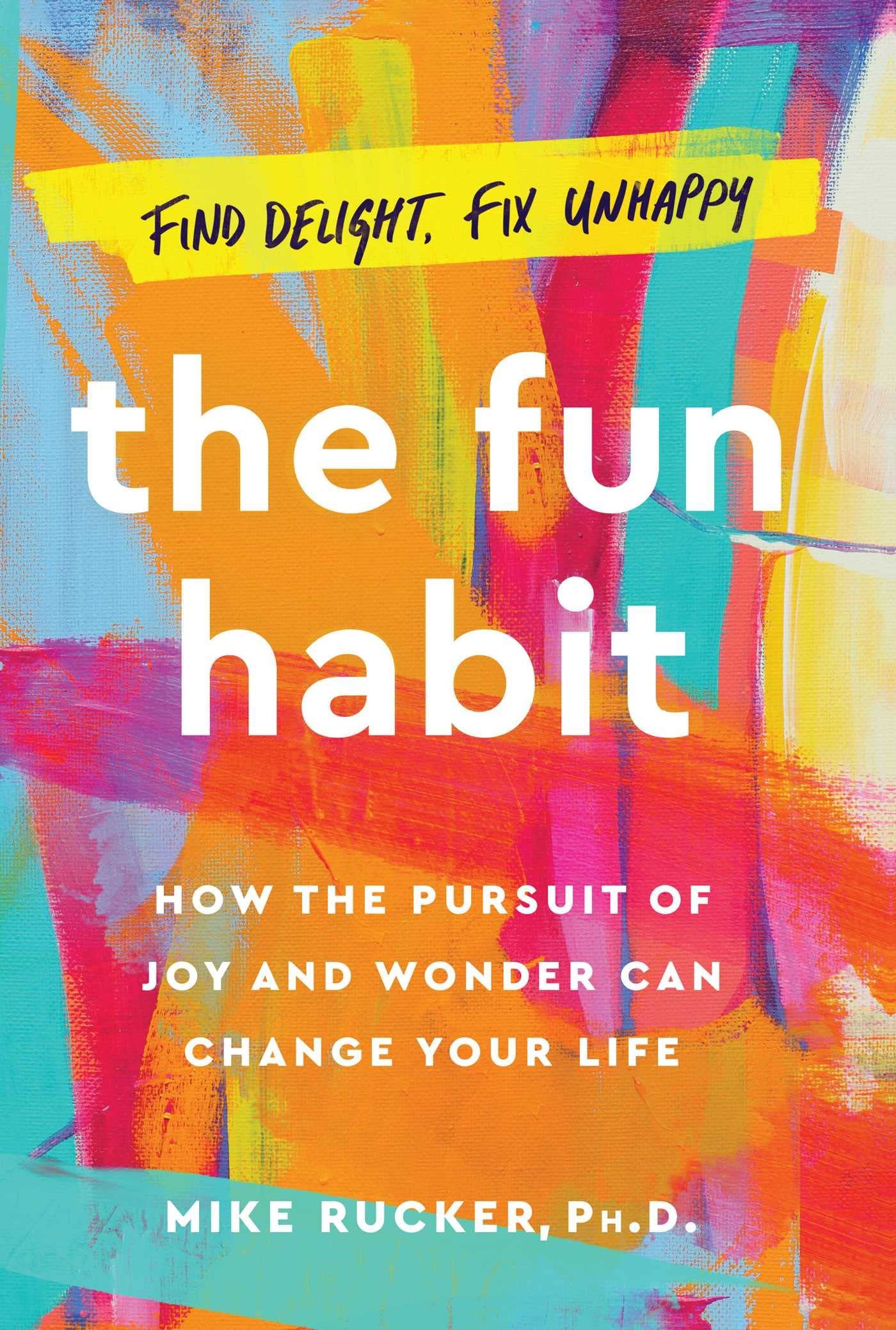
Do you want more happiness in your life? In The Fun Habit – How the Pursuit of Joy and Wonder Can Change Your Life, behavioral scientist, organizational psychologist, and author Mike Rucker, Ph.D., shares how happiness is a state of mind which can feel elusive and dependent upon your circumstance. Yet fun is action-oriented and something within your control. He says, “In contrast to happiness, I’ve come to learn fun is less think and more do. You’re either having fun or you’re not.”

Backed by research and personal experiences, Mike shares ways to be intentional about fun. While he is not opposed to striving, he says, “instead of auditing your calendar for productivity, audit it for fun.” Use the PLAY model to identify and sort activities based on their level of challenge and degree of fun. Create your “fun file” to document and prioritize your fun habit. This book is for you if you’re ready to change and add more delight to your life. Mike says, “We don’t get through life without enduring periods of disappointment, pain, and loss. Fun is the magical balm that makes the slings and arrows bearable.”


2. Interesting Perspective - Slow Change

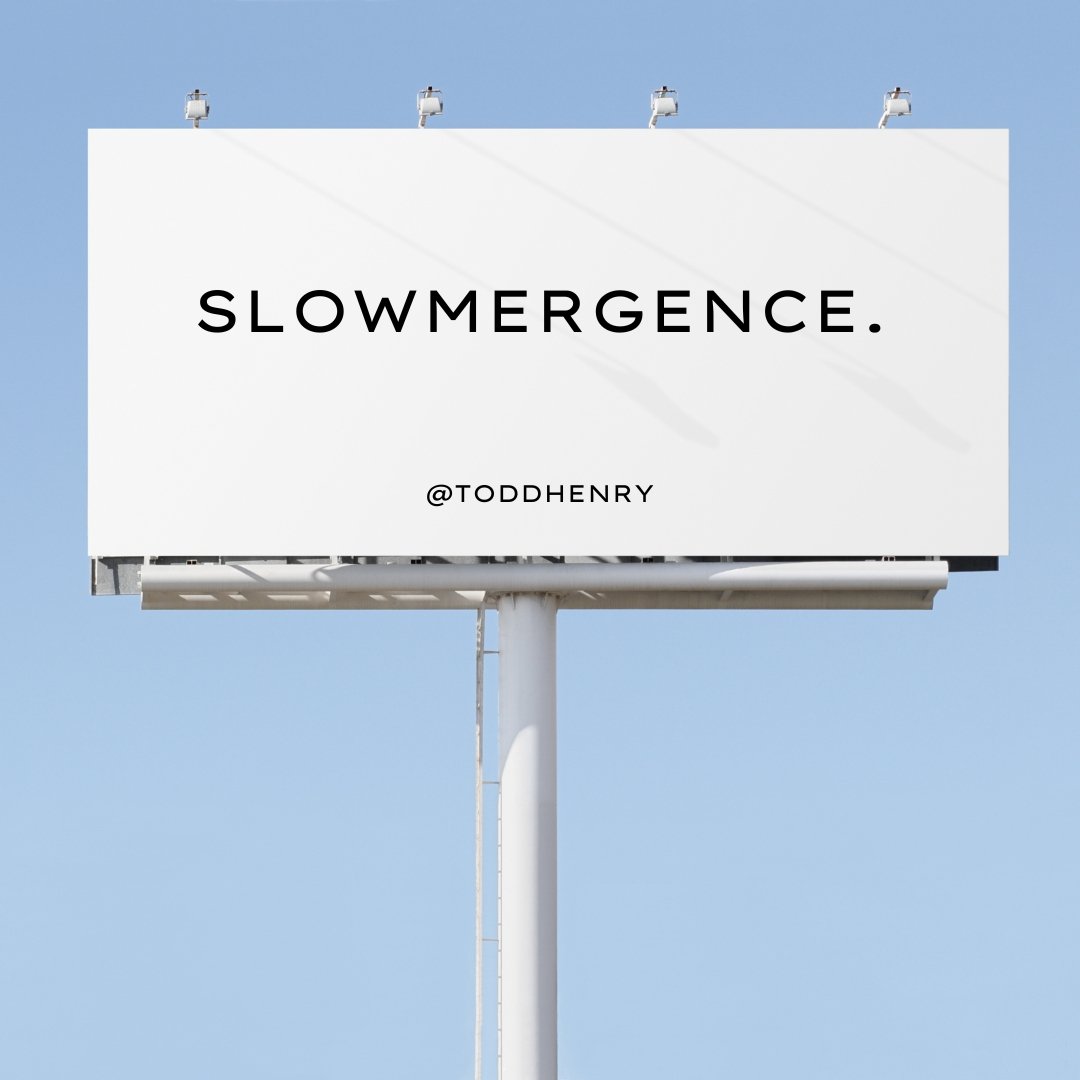
Change can happen quickly, but more often, it occurs slowly after percolation and transition. During a recent talk, Todd Henry, author, speaker, and creative thinker, described “how ideas tend to come in seasons, not moments.” He started to say, “there is a slow emergence.” Instead, he accidentally combined the words and said, “there is a slowmergence.” A new phrase was born.

Todd further described slowmergence and said, “We tend to think that ideas are sudden clicks, or a-ha’s, but they more often emerge as networks and patterns over time until one inciting incident illuminates what’s been developing for days or weeks.”

I often see this with my clients when they are seeking change. While it might appear as if a change is happening suddenly, it usually has been simmering for a long time. There can be an “inciting incident,” as Todd mentions, that brings clarity and action.


Fun is the magical balm that makes the slings and arrows bearable.
— Mike Rucker, Ph.D.


3. Interesting Film – Navigate Change

Recently, I had the joy of privately screening Kate Schermerhorn’s incredible award-winning documentary film, Do I Need This? The film is about “American excess and the stuff from which happiness is truly made.” While the stats are compelling, with American homes containing an average of 300,000 objects, or 93% of Americans using their garages for storage, this film explores so much more.

Kate shares about the environmental impact of our stuff while weaving in her family’s story and personal experiences of acquiring and letting go. These themes are supported by interviews including the leading expert in Hoarding Disorder, Dr. Randy Frost, Plentitude author and economist Juliet Schor, and artists and environmental activists Judith Selby Lang and Richard Lang.

Change is another theme in the film. We witness shifts in relationships with people and their stuff. Dr. Frost recognizes how “possessions often have an essence for us.”  That “essence” can make it challenging to release. Kate said, “I just want to hold onto the past while simultaneously letting go.” This film is an honest, beautiful journey about openings for change and the impact of stuff on our lives and the planet.


4. Interesting Product – Easy Change

There are times while going through a change when you wish it were “easy” or “done already.” There’s nothing like adding some humor to a stressful situation. Knock Knock has a great way of infusing playfulness into their organizing products.

The I Just Want It All pad brings whimsy and order to task and change management. You can select the options quoted above along with the third choice, “dipped in chocolate,” and then list your things to do below. The bottom of the pad asks, “Is that so wrong?” I think not. Change can be challenging, but with this list, you’ll be able to focus with a smile.


5. Interesting Thought – Accept Change
Change can be messy and challenging. It involves doing new things, altering habits, reframing perspectives, and stepping outside your comfort zone. You will make mistakes, experience adversity, feel vulnerable, practice new skills, and test your patience. It’s normal to have some “oops” moments along the way. In fact, it’s a great sign which is a change indicator. Embrace the mistakes. They will bring growth, learning, and the changes you seek.


Do you have an interesting change discovery? Which of these resonates with you? I’d love to hear your thoughts. I invite you to join the conversation.


Are You Willing to Trust the Wait As You Make Your Fierce Change Journey?

Over 13 years ago, the first blog post I wrote was Waiting for Something. I acknowledged how waiting is part of our daily lives and how we often meet these times with impatience or annoyance. I offered a perspective change. Instead of considering waiting as an inconvenience, what if we treated it as a gift?

While waiting, we have an opportunity for something wonderful to transpire.

  • If we consider the waiting or transition time a gift, does that alter your experience?

  • What happens when we remain open and available to change?

  • Would you extend more love to yourself?

  • Would you be more willing to navigate the frustrations and challenges pursuing changes can bring?

Recently, I read a quote that brings another dimension to waiting and change. Trust is an essential aspect of your journey. This encourages a deep belief in trusting yourself, the process of change, and all that’s available on the other side. I offer author Mandy Hale’s perspective to you- “Trust the wait. Embrace the uncertainty. Enjoy the beauty of becoming.”

When I work with my virtual organizing clients, we begin with their big why in mind. We clarify what is driving the changes they desire. And why now? Understanding the why is integral to the change process. It provides the anchor and motivation when the process of change becomes challenging.

Clients might find it easy to let go and move forward during one virtual organizing session. They experience the state of flow, where their actions align with their goals, and they feel and acknowledge the progress. At other times, they feel stuck, frustrated, and impatient. This is normal. We lean into trusting the big goal and adjusting the organizing process if needed.

Trust the wait. Embrace the uncertainty. Enjoy the beauty of becoming.
— Mandy Hale

Change is exciting, but it can also be difficult getting there. With some new tools available, you can trust yourself and the process, embrace the learning along the way, and bask in the joy that comes through your effort.

How do you navigate waiting? What enables you to embrace change? I’d love to hear your thoughts. I invite you to join the conversation.


How Change Becomes Something Desirable When Your Full Mind is Suddenly Aware

Have you ever ignored the signs that it’s time to make a change? Then something significant happens. What was invisible moments ago becomes something you can no longer ignore. You might wonder, “How did I not see this before?”

It’s often the case that we conveniently ignore the signs. Why is that? Change can be scary. Its pursuit can require you to do uncomfortable things, like creating new habits or stepping outside your expertise or comfort zone. Instead of embracing change as a positive, proactive choice, we meet it with hesitation or fear.

Recently, I had an experience that made me think, “How did I not see this before?” I was going about my morning routine. I just applied my face moisturizer, looked in the makeup mirror, and was about to tweeze my eyebrows. Then I saw it. In the middle of my forehead, sticking out, was one long, white coarse hair. What? It wasn’t there yesterday or the day before. Did it grow overnight? How did that happen? Or had it been there for days, and I hadn’t noticed it? Well, I saw it that morning and quickly plucked it out.

Are you wondering how this relates to change? Once I saw the hair, I couldn’t unsee it, and I felt compelled to do something. Yes. Pulling it out was making a change of sorts. While my story might seem silly, it highlights how awareness drives change.

Are these scenarios more familiar?

  • Papers are piling up on the coffee table. You walk by them every day without giving them much thought. One evening, you wonder how the piles got so big. You can no longer pass them by, so you edit, let go and regain your surface. Your awareness drove change.

  • Clothes are overflowing in your closet. You navigate each morning irritably as you get dressed. One day, you recognize how much stress this causes you. You can no longer ignore it, so you edit and organize, which creates a smoother morning routine. Your awareness drove change.

  • Your computer is slow. It crashes, takes time to respond, and doesn’t function well. Each day you continue to work with a slow, unpredictable computer. At a point, you recognize this isn’t a tolerable way forward. You spend countless hours with tech support, hire a tech person for more help, and ultimately purchase a new computer because your hard drive is failing. Why did you ignore the signs for so long? Finally, awareness drove change. If you’re curious, that was me and I love my new computer.


Awareness drives change.
— Linda Samuels, CPO-CD®, CVOP™

The other side of change is a wonderful place to be. But getting there can be slow when we ignore the cues. Once you ‘see’ and acknowledge the challenge, your mind creates space for finding solutions and taking action. While the initial noticing and awareness can be painful, as in “How did I not see this before?” don’t let that derail what happens next. Use your awareness as the impetus to embrace change. Once you see clearly, you have an opportunity for improvement.

Have you ever experienced a sudden awareness of a challenge that helped you make a change? Or do you have the understanding but are stuck moving forward? I’d love to hear your thoughts. I invite you to join the conversation.


3 Hopeful Ideas Motivated Big Changes in My Life Which Can Really Help You Too

It’s fascinating how big changes are made. They start with small, almost unnoticeable habit shifts. On your journey to be free of clutter, you donate a bag of rarely worn clothes or edit and clear the pile of unsorted mail from your kitchen counter. These tiny, single actions can bring about significant changes when consistency and support are added to your effort. 

The other aspect of making meaningful changes is the need for time and mental energy to make them happen. When you’re preoccupied, running as fast as you can to keep up, or emotionally exhausted, change is the last thing on your mind. You can’t stop your life to make a change. Instead, to integrate new habits, it’s essential to create space in your life for prioritizing the change you desire

In the last several years, I’ve experienced many emotional energy pulls. These included taking care of my mom with dementia, saying my final good-byes to her last March, grieving, navigating the pandemic’s effects on my organizing business, and preparing for and having our youngest daughter’s wedding at our home during the pandemic. Despite these emotional highs and lows, I’ve found focused intervals to bring about changes in my life. Admittedly, many of these changes came into being when I had more mental energy to give them.

Coincidentally, the three anchors/words, which rhyme, kept me motivated and focused on my desired changes. They are Zoom, Noom, and Room.

While these specific ideas might not be on your change radar, I encourage you to consider which words are. Which anchors will help you pursue the changes you seek? How will you make the space and time for change to flourish?


3 Hopeful Ideas Motivated Big Changes in My Life Which Can Help You Too

1. Zoom

Communication, relationships, and community are some of my treasured values. When the pandemic arrived, many communication networks halted. Most in-person contact was suspended. I couldn’t visit with family, friends, colleagues, or clients. Sure I still had the phone, text, and email, but physical contact was limited and non-existent for extended periods.

Using Zoom became an incredible go-to tool that helped me slowly change and think about how I interacted, did business, and stayed socially active. I’m guessing that many of you are Zoomed-out, but for me, Zoom continues to be a viable way for navigating life and keeping connected with people. 

I embraced communication changes and used Zoom to-

Zoom provided a channel to nurture and develop relationships, shift my organizing business, learn, and teach. While most in-person activities are now possible as many pandemic restrictions lift, Zoom still remains a viable way for me to stay connected. The platform allowed me to be flexible during these last few years, quickly embrace change, and support what I value most.


2.  Noom

Being healthy is a top priority for me. While I had some healthy practices like meditating daily and eating lots of fruits and vegetables, I wanted to change other habits. For what seems like a bazillion years, one of my goals has been to ‘lose 10 pounds.’ I’ve never been a dieter and didn’t like the idea of going on a diet. Instead, about five years ago, I saw a tremendously helpful nutritionist. She gave me a better understanding of what foods and portions were best for me. Over eight months, I lost 15 pounds. But then, in time, I gained it back and more.  The ongoing support was vital, and the difference was noticeable when I stopped seeing her.

Do you remember how I spoke about having the time and mental energy to bring about change? It takes focused effort to make eating and other lifestyle changes. When my mom died, I was emotionally exhausted. It took me months to get my energy back. When it returned, I felt ready to refocus on my health and make some changes.

In September, I signed up for Noom. It’s a weight loss app with a psychology-based approach to “help you change not just how you eat, but how you think.” It’s well-designed and simple to use. The app with built-in accountability helps me keep daily food logs, understand my calorie budget, track water intake, daily exercise, and weight. You are assigned a personal Coach and receive short articles every day, which encourage, motivate, and explain the psychology of habits.

While I’m still working towards my target goal, in five months, I have lost 18.5 pounds, I’m drinking 9 glasses of water a day, and walking an average of 10,000 steps a day. There have been other changes such as losing many inches around my body, clothing fitting better, feeling more energetic, learning new skills, and knowing I have a doable life-changing plan that’s working.

A bonus surprise was my husband signed up for Noom with me. He’s made incredible changes, and I’m so proud of him. We support one another, which is invaluable.

With any significant life change, it’s essential to have ongoing support, whether an app, person, Coach or all of those. If you’re curious about Noom, click here to learn more.

What do you need to bring about the habit changes you desire?


Big changes start with small actions.
— Linda Samuels, CPO-CD®, CVPO™


3. Room

This last idea is about creating both physical and mental space in your life to feel calm, have room to think, and live with less stress. These changes were worth pursuing, and I have worked years to get there. For me, there is the physical manifestation, which comes in the form of an uncluttered home filled with colors, textures, and scents that soothe and delight. 

One of the goals I worked on last summer into fall, inspired by our vacation staying in a tiny house, was my ‘live with less’ project. While I had lots of stuff, I recognized I didn’t need or want it all. I started randomly going through drawers, closets, and files to let go of unnecessary things. It was cathartic and surprising how much stuff exited. I don’t miss anything.

The other part of ‘room’ is making space for your mental well-being. For me, that’s having quiet time, finding cozy spots to write, journal, or read, spending time in nature, exploring and photographing, meditating, or doing yoga. It’s making room for self-care and carving out time to feed my soul.

Especially with all that has happened in the world and the ongoing challenges, making time to replenish yourself is critical. It’s all too easy to get derailed by a crisis near or far. Our bodies are not designed to sustain continual stress.

What would it take to make room for you? What changes will help make room and space for your physical and emotional well-being?

Big changes start with small actions. What will be your anchors for change? What will provide motivation and support for the changes you desire? I’d love to hear your thoughts. I invite you to join the conversation.