


Posts tagged mind clutter
Here Are 5 Most Interesting and Best Fresh Start Discoveries – v53

Enjoy the latest release (v53) of the “What’s Interesting?” series, which features my most recent finds that inspire, spark curiosity, and connect to organizing and life balance. These unique, fresh start discoveries reflect this month’s blog theme.

You are an engaged, vibrant, and generous group. I am deeply grateful for your ongoing presence, positive energy, and contributions to this community.

I look forward to your participation and further contributions to the collection I curated.

What do you find interesting?


What’s Interesting? – 5 Best Fresh Start Discoveries

1. Interesting Read – Fresh Start Goals

Bigger isn’t always better. Yet if you want to strive for an audacious goal this year, Dan Sullivan, coach and author of Who Not How – The Formula to Achieve Bigger Goals Through Accelerating Teamwork, has a way to get there.

This philosophy hinges on changing the questions you ask. Stop asking, “How can I do this?” Forget working in isolation and doing everything yourself. Instead, Sullivan teaches you to ask, “Who can do this for me?”

He advocates focusing on the “whos in your life that give you the perspectives, resources, and ability to go beyond what you could do alone.” Replace “How can I accomplish this?” with “Who can help me achieve this?”

If you’re feeling frustrated and stuck, it could be the ideal time to build your ‘who’ team.


2. Interesting Experience – Fresh Start ‘Party’

Do you have any “boring tasks” you’re procrastinating on? If so, you are not alone. Thanks to one of my clients, I learned about a Business Insider article that describes a new trend offering a fun solution to this challenge.

Instead of staying stuck and alone while trying to get things done, consider hosting an “admin night” party, as Business Insider editor Tess Martinelli did. She invited her friends over to work on their to-do lists or anything that was causing mind clutter, while also having time to socialize.

She kept things casual and as “low effort” as possible. While there were few rules, Marinelli set several parameters to help make the evening flow better, including:

  • Dress comfortably.

  • Bring your own snacks.
    Provide a beverage (optional).

  • Give some structure, such as working for 30 minutes and socializing or resting for 10 minutes. Repeat that cycle two or three times.

  • After each “round,” talk about what you accomplished.


3. Interesting Article – Fresh Start Decluttering
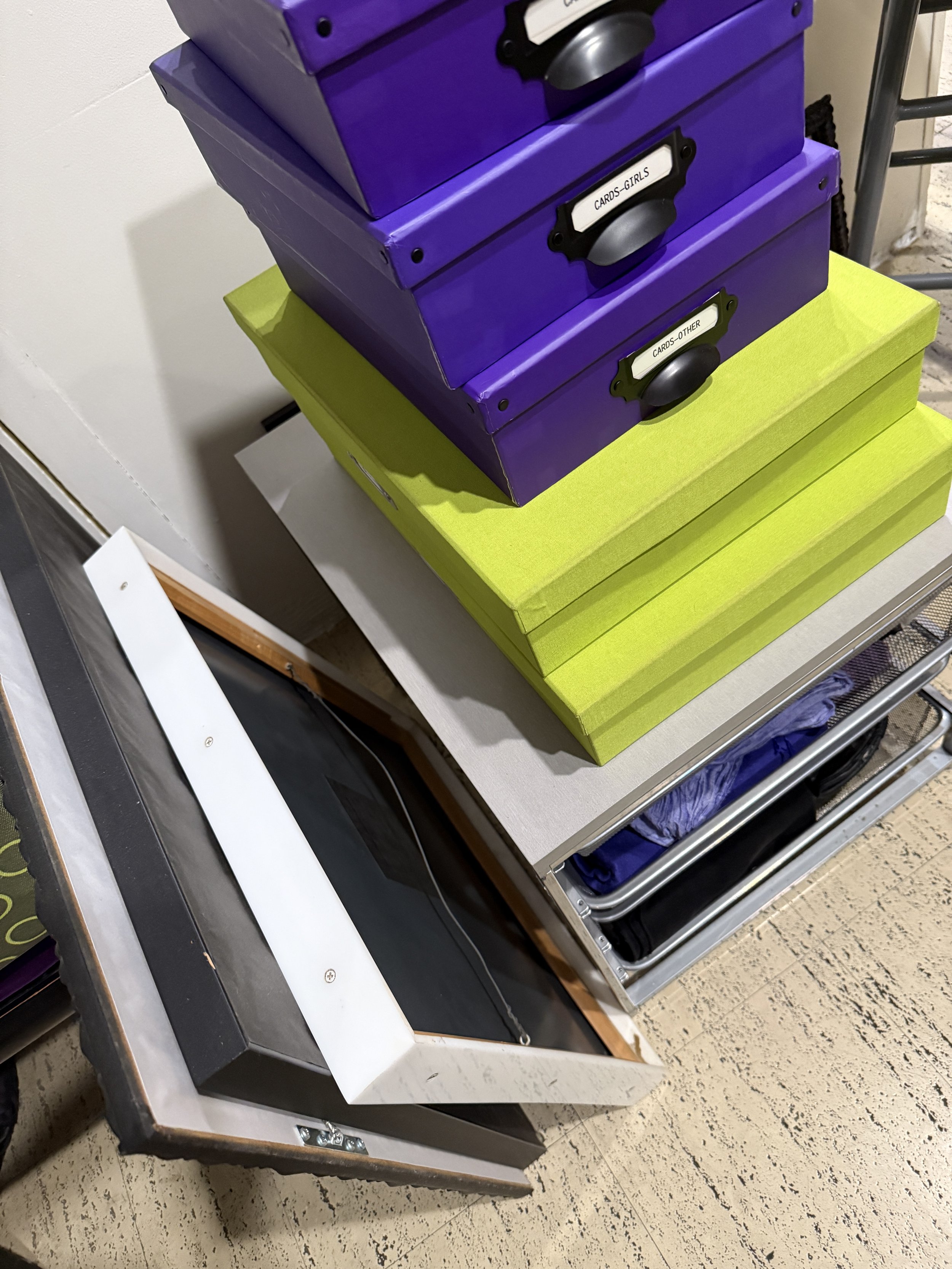
One of the top ten New Year’s resolutions is to be more organized. An essential part of getting organized is decluttering. This involves letting go of:

  • things that have overstayed their welcome

  • no longer support your current reality, or

  • don’t want or need.

In The Washington Post article “How to reduce visual clutter for a calmer, more functional home,” the case is made for how taxing visual clutter can be on the brain. My clients often describe their clutter (physical or visual) as paralyzing or overwhelming their thoughts and actions.

Corey Pence from The Container Store defines visual clutter as an “overwhelming or excessive amount of visual elements in a space that make it difficult to focus on important information or executing tasks.” Clutter can also make it hard to feel calm and relaxed. Imagine a bedroom with clothing piled everywhere, or a living room with books, toys, and dishes strewn about.

The article suggests many ways to eliminate visual clutter, such as:

  • choosing furniture that encloses objects, such as a nightstand with a drawer instead of an open shelf

  • editing routinely

  • designating a home for objects

  • using coordinated bins on open shelves

  • carefully curating decorative objects, with an emphasis on having fewer

For a great fresh start, declutter until you find that sweet spot for the level of visual clutter your brain can handle.


4. Interesting Product – Fresh Start Planning
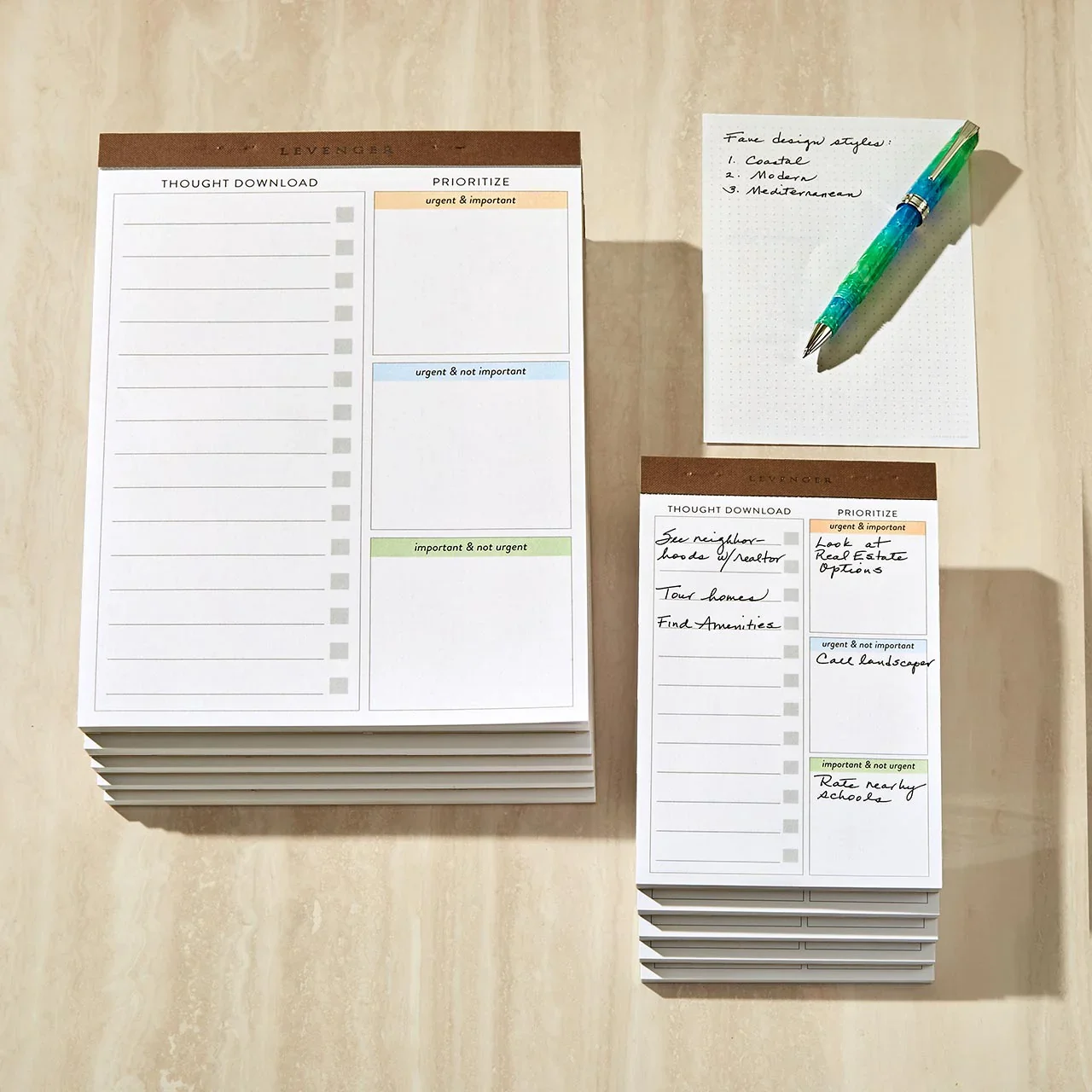
My go-to source for paper pads is Levenger. Their designs are streamlined, and the paper is smooth and easy to write on. If you’re looking for a new way to capture and prioritize your thoughts, check out Levenger’s Think and Plan Priority Manager Pad.

The pad comes in two sizes with two columns and four sections. The left column is great for brainstorming and list-making. It includes:

  • A ruled checklist

The right column is for prioritizing tasks using the Eisenhower method. It has three boxed sections for tasks:

  • Urgent and important

  • Urgent and not important

  • Important and not urgent

Download your brain, sort your to-dos, and give yourself an organized way to focus on your new beginning.


For a great fresh start, declutter until you find that sweet spot for the level of visual clutter your brain can handle.
— Linda Samuels, CPO-CD®, CVOP™


5. Interesting Thought – Fresh Start Magic
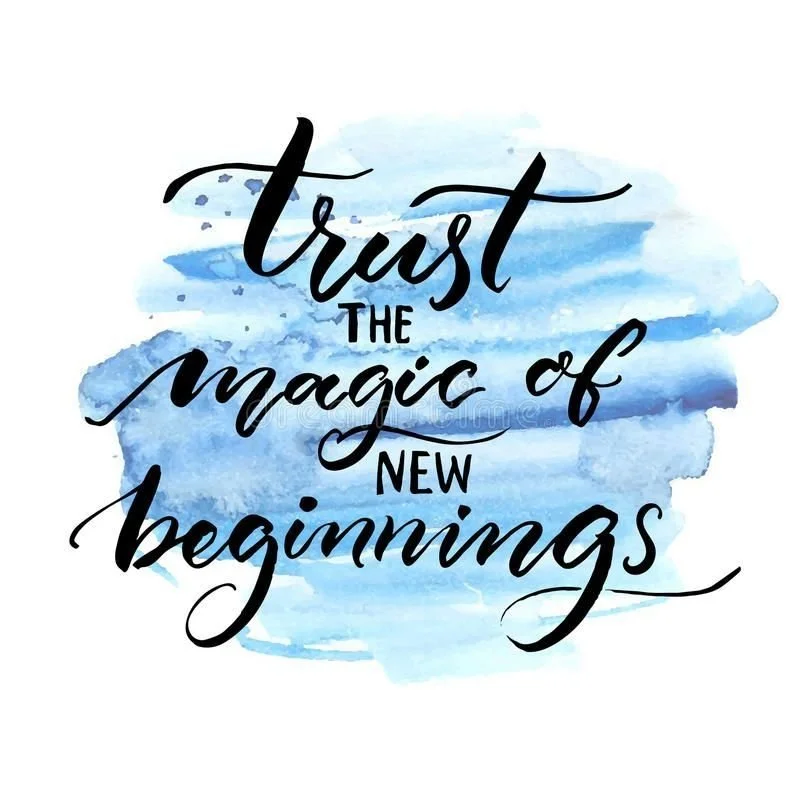
There’s something magical about fresh starts and new beginnings. You might feel hopeful, curious, excited, eager, joyful, empowered, or inspired. However, I’ve heard from many people recently that they’re having a very different experience. With the fresh start of the new year, they’re feeling anxious, apprehensive, pressured, disoriented, overwhelmed, or stuck.

Believe me, I get it. I’ve felt all of these ways at different points. On the one hand, I embrace and love a clean slate. It’s an opportunity for a reset and reimagining. Some years, like this past year, I just wasn’t ready to do ‘new.’ Instead, I was in the thick of finishing projects from the year, which overlapped with the time I typically review and plan.

Wherever you are right now, consider these possibilities:

  • If you’re ready, let the wonder of a new year help you move forward.

  • If you’re not ready, be gentle with yourself and ease the pressure to make big new plans for now.

Stay open to activating a fresh start (and its magical powers) at any time: a new day, month, or season.


The Fresh Start Advantage

There’s still time to make this first month of the new year work for you. Lean into the energy and newness of this season. Use the clean slate to your advantage.

Which of these discoveries resonates most with you? Which would you like to add? I’d love to hear your thoughts and invite you to join the conversation.


How Can I Help?
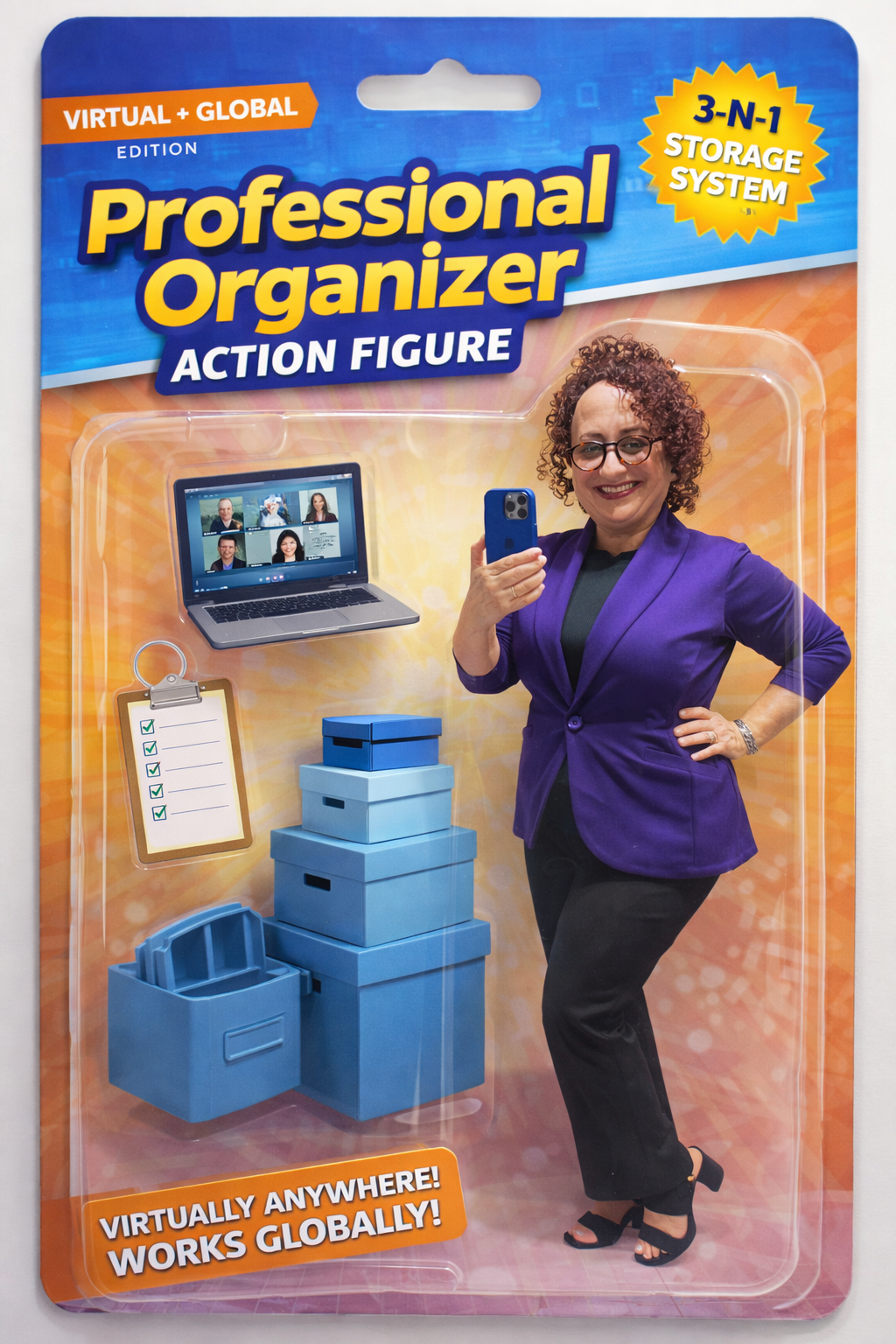
Do you feel overwhelmed, stuck, or disorganized? I’m here to help. Virtual organizing is an extraordinary path forward – Local feel with a global reach.

Let’s talk. I’m easy to reach.

Getting organized is possible, especially with a fresh start and compassionate support.


5 Ways to Easily See What's Possible by Finding Solutions to Your Challenges

Are there many things you want to experience, explore, or accomplish in life? If so, that’s wonderful. However, when you encounter daily challenges, it becomes harder to think about the future and imagine possibilities.

You have the capacity to handle a lot. You can boost your capacity by identifying and addressing a specific challenge you’re facing. Often, just one small tweak is enough to create momentum and open the path for new ideas you couldn’t see before.

Why is that? It’s easy to get stuck in cycles of distress, overwhelm, and frustration. These patterns can cause paralysis and inaction. When you’re in that negative mode, your mind can spiral or shut down. Thinking and dreaming about new possibilities feels out of reach.

There are many ways to open up the ‘what’s possible’ path. Depending on your preferences and situation, choose the strategy that will be most effective for you.


5 Ways to Easily See What’s Possible by Finding Solutions to Your Challenges

1. Identify the Hiccups

One of my favorite methods to prepare for possibilities is by making a list of the hiccups you encounter during your day.

Pay close attention as you go through your day. As situations occur, write down anything that causes you stress, distress, or inconvenience. These might include things like:

  • Misplaced or lost keys, glasses, or your phone.

  • Had trouble getting dressed because of clutter in the closet.

  • Created an overly complicated organizational system that’s too difficult to maintain.

  • Had supplies tumble out of the bathroom cabinet every time it was opened.

  • Was late for an appointment again.

  • Ran out of milk, toilet paper, apples, or other household staples.

  • Was annoyed during kitchen meal prep because things weren’t organized in a useful way.

  • Woke up cranky because of sleep disruptions or lack of sleep.

  • Began the day feeling anxious and unsure what to focus on.

Notice the hiccup. Write it down. Choose one of the challenges and fix the problem.


2. Quiet Your Mind

When the noise upstairs gets too loud and clouds your thoughts, it can prevent you from seeing possibilities. How can you quiet the mind so you can move forward with clarity and purpose?

There are many ways to do this, including:

  • Journaling

  • Meditating

  • Sipping coffee or tea from your favorite mug

  • Resting

  • Reading

  • Breathing slowly with focus and intention


3. Declutter the Desk

Numerous studies show how clutter can negatively affect our mental health and well-being. Not everyone is affected by clutter to the same degree. However, if clutter bothers you, you may actually feel its effects viscerally. You might feel anxious, stressed, agitated, or have difficulty concentrating or relaxing.

One of the easiest ways to change how you’re feeling is by decluttering a small area. It doesn’t matter what you choose. Pick something with distinct boundaries like a desk surface, a comfy chair, or a coffee table.

Remove items that don’t belong. Route the outtakes to the trash, recycling bin, donation box, or rehome them elsewhere. For the remaining items, decide whether you want them to stay, let them go, or relocate to another spot.

Clearing space and surfaces is calming. With this simple reset, you’ll be more open to possibilities. 

The physical act of movement can encourage progress and possibilities in other areas of your life.
— Linda Samuels, CPO-CD®, CVOP™

4. Move Your Body

Sitting is passive. Not only does it make your body stiff and less active, but it can also affect your energy level and mood. Since transitioning from in-person to virtual work, I sit much more than I used to.

Movement has become even more important. I make sure to take breaks between virtual organizing sessions to walk around, stretch, take bio breaks, or get some fresh air. When I’m on the phone, I often walk around the house while talking. I incorporate other movements by doing yoga, exercising, walking by the river or in the woods, running errands, gardening, sweeping, or cleaning.

Some movement is spontaneous, while some is more intentional. It helps when I schedule time to meet a friend for a walk or go to yoga class. That adds accountability and keeps me committed to moving more.

Physical movement creates its own momentum. The physical act of movement can encourage progress and possibilities in other areas of your life.


5. Ask for Help

Have you ever faced a challenge that overwhelmed you? When that happens, do you try to solve it on your own or ask for help? I usually try to figure things out myself first. However, there are times when hiring someone or seeking advice is beneficial.

Recently, I experienced some frustrating tech problems with Mailchimp and Square while setting up the backend for my December workshop. While customer support offered a few insights, they didn’t resolve the issue, so I hired someone to help me. It was incredible how much less stressed I felt knowing someone would help me find a solution and fix the problem. I didn’t have to do this alone. It was wonderful having the personalized support to troubleshoot the issue, discuss options I hadn’t considered, and resolve the problem. Thank you, Lana Kitcher!

As a professional organizer, I help my clients get unstuck and move forward. I love helping and serving others. It’s inspiring to see what becomes possible when obstacles are removed.

Sometimes the answer to a problem is asking for help. When you receive the support you need, your stress and overwhelm decrease. You become more available to take the next steps and imagine what is possible.


Will Finding Solutions Make You More Receptive to New Possibilities?

Everyone gets stuck sometimes. What happens next is what matters most. There are many options, which include identifying the challenge, decluttering a small area, or reaching out for help. What hiccups during your day are keeping you frustrated and stuck? What helps you feel receptive to new possibilities?

Which ideas resonate most with you? I’d love to hear your thoughts. I invite you to join the conversation.


How Can I Help?

Do you feel overwhelmed, stuck, or disorganized? I’m here to help! Virtual organizing is an extraordinary path forward – Local feel with a global reach.

Let’s talk. I’m easy to reach.

Getting organized and making progress is possible, especially with support.


How to Get Motivated, Excited, & Take Action When You Don’t Feel Like It

Have you ever struggled to get motivated and take action? Many of my virtual organizing clients have encountered periods of low motivation and activation. It’s a common human experience to have lulls.

Reduced motivation can happen for many reasons, including:

  • Feeling overwhelmed by the enormity of what you want to accomplish.

  • Being uncertain about what to do next.

  • Desiring rest rather than active engagement.

  • Feeling sad or depressed.

  • Resenting the project you need to work on.

  • Being unclear about your why.

  • Wanting to play instead of working on a project.


The Backstory

Sunday is usually the day I write and post my blog. After almost a week of summer vacation fun, I found it hard to get motivated to write. While I planned to write, I struggled to get started.

However, despite feeling unmotivated today, I managed to turn things around. I’ll share the strategies I used to boost my motivation and get going. The next time you’re stuck, I hope one of these ideas helps you.

The irony isn’t lost on me that I was struggling with motivation, and it’s also the topic I’ll be writing about all month.


Four Ways to Get Motivated and Take Action When You Don’t Feel Like It

1. Move the Body

After a week of joyfully kayaking, exploring, and walking, the thought of sitting at my desk for hours to write wasn’t appealing. I wanted to be more physically active.

Instead of writing immediately, my husband and I took a walk along the Hudson River before it got too hot. Well, that was the idea at least. Even though we got outside early, it was already pretty warm. We walked, but shortened our route.

Moving my body first made me feel motivated and less restless about sitting inside to write.


2. Clear the Noise

Especially after being off for a while, some life management things needed my attention. Could they have waited a day or so? Yes. However, the mind clutter they caused made it hard for me to focus on anything else.

It was worth taking the one or two hours to handle those things, so that my thoughts would be clearer to write this post.

Cluttered thoughts or spaces can negatively impact motivation. Doing a simple clearing is significant enough to increase motivation for the task or project you are avoiding.  

Doing a simple clearing is significant enough to increase motivation for the task or project you are avoiding
— Linda Samuels, CPO-CD®, CVOP™

 3. Set the Stage

When I write, I like to have a hot or cold beverage to sip on. Preparing and keeping it nearby signals that it’s time for me to work. After setting up my drink, I take several additional steps to cue myself to write. These include:

  • Create a new blank Word document.

  • Choose the exact topic. These are either from materials in my blog ideas binder or current thoughts that are on my mind.

  • Write the title.

  • Add the title to my Blog Plan document.

Once those elements are in place, I’m ready to start writing. No more procrastinating, questioning whether I need to write, or searching for motivation. Just setting up initiates the process.


4. Find the Joy

As I mentioned, part of setting up involves choosing a specific topic I will write about. I reviewed my blog ideas and found something that could work. I wasn’t excited, but I thought it would be a helpful concept to explore.

Then, just before I committed to that plan, I had another idea. What if I shared my experience of lacking motivation instead? I jotted down a few ideas, including the Find the Joy part.

What is the joy part? This is about identifying the element that makes you happy to work on the project you’re doing. The joy factor you include becomes one of the motivating elements.

For me, this meant capturing happy memories of our vacation by making a video, which I included below.


How to Get Motivated?

Motivation isn’t something that is present 100% of the time. Experiencing a dip in motivation is a normal part of life. When you want to take action, yet feel stuck, there are many ways to move forward. What helps you boost your motivation in these situations? Which ideas resonate with you?

I’d love to hear your thoughts. I invite you to join the conversation.


How Can I Help?

Do you need support with organizing, getting motivated, or activating? I’d love to help! Virtual organizing is an extraordinary path forward – Local feel with a global reach.

Let’s talk. You can:

Organizing and sustaining motivation is possible, especially with support.


One Effective Strategy to Easily Calm Your Mind Clutter

Does this sound familiar? Your mind is filled with a running list of tasks, places to visit, and projects to start (or finish). The thoughts swirling in your brain feel like one giant, cluttered mess.

It can be more challenging to concentrate, take action, or make progress because your ponderings are caught in thought loops. Simply thinking about the possibilities can leave you feeling anxious, exhausted, or demotivated.

Guess what? I’ve been there, too. It’s not that I don’t have task lists to manage, because I do. However, those tasks and events have already been prioritized, planned, and accounted for. They aren’t the issue, but the unaccounted-for ones are. Many of those items require coordination with my husband, Steve.

To clear my mind clutter, I engaged in a helpful process that I will share with you. If your cluttered thoughts have nowhere to go, I encourage you to experiment with this strategy.


The Process to Calm Mind Clutter

Step 1: Activate the Process

  • This may seem obvious, but the first step is to schedule a time to actively work on clearing your mind clutter. This intentional act will help you move in a productive direction.

  • Choose a time when you’re at your best. Steve and I decided to meet on a weekend morning after breakfast when we felt alert and well-rested.


Step 2: Do a Brain Download

  • Release your thoughts, which will immediately clear your mind clutter. This clearing is analogous to decluttering a kitchen counter or editing an overflowing basket of magazines. Relief is felt as space opens up.

  • The brain download can take many forms. Your capture tool can be analog, digital, or auditory. I used a blank piece of paper, which I titled “Planning with Steve.”

  • Create categories if it’s helpful. I separated the page into four columns, each representing a different category: Papers/Logging, Fun, Home, and Financial.

  • Populate your capture tool. As soon as a thought surfaced, we categorized and added it to the corresponding column. For example, “Visit the New York Botanical Garden went into the Fun category. “Clear out the garage” was added to the Home column.


Step 3: Prioritize

  • Your capture tool is probably quite full now. You might feel overwhelmed, as in, “How am I going to get it all done?” You can accomplish everything, but not all at once.

  • Prioritizing comes next. Instead of planning every single thing you captured, select the top three or four things you want to focus on first.

  • There is no right or wrong way to prioritize. For example, your priorities could be time-based if something has a specific deadline, or preference-based, as in what you’d like to accomplish or do first. We opted to prioritize several things from the Fun and Home categories.


Step 4: Commit

  • Commitment is the powerhouse of the mind decluttering strategy. It is essential and is often neglected. Overlooking this aspect can make Steps 1-3 ineffective.

  • Have your calendar ready.

  • Choose one of the priorities you identified.

  • Schedule a time block or blocks for that priority. We began by scheduling dates from the Fun category and then added a few projects from the Home category.

  • Repeat choosing and scheduling until those three or four top priorities are blocked out on your calendar.

  • We found it less overwhelming to focus on and schedule only the top few priorities. We will revisit this process and repeat Steps 3 and 4 once we have made progress on our initial priorities.

  • As an alternate approach, you may prefer to schedule everything from your brain download list in one sitting.

Commitment is the powerhouse of the mind decluttering strategy.
— Linda Samuels, CPO-CD®, CVOP™

The Benefits of Mind Decluttering

There are many benefits to clearing mind clutter. Here are some of the positives I experienced using this process:

  • My mind feels clearer.

  • While we utilized a team approach for mind decluttering, I also see value in using this strategy individually.

  • The unproductive thought loops have ceased.

  • That anxious feeling has dissipated.

  • I feel less burdened by the projects and events because they now have a designated slot for attending to them.

  • I am excited because we have set aside time to focus on things that are important to us.

  • I feel confident that we will complete the tasks we prioritized.

  • I am glad that projects that have been incomplete for a long time will now be brought to completion.

  • I have happy anticipation about the fun things we’ve scheduled.


What Helps You Release Mind Clutter?

There are many ways to ease mind clutter, including the strategy I shared. What helps you declutter your mind? In what ways could the process I described be beneficial to you?

I’d love to hear your thoughts. I invite you to join the conversation.


How Can I Help?

Do you need support with organizing, editing, or decluttering your thoughts? I’d love to help! Virtual organizing is an extraordinary path forward – Local feel with a global reach.

Please schedule a Discovery Call, email me at linda@ohsorganized.com, or call 914-271-5673. Living clutter-free is possible, especially with support.