How One Small Change Can Help Reduce Overwhelm and Boost Task Activation

There are two challenges related to change that many of my clients face. The most common reason is overwhelm, often because the changes they seek are significant. Overwhelm can happen when you:

  • Have difficulty deciding where to start

  • Want to make multiple changes

  • Are unsure whether what you want to accomplish is possible

  • Engage in negative self-talk or unhelpful loops and scripts

  • Are uncertain how you’ll have time to make the changes you seek

The second most common challenge is task activation. My clients often know what to do, yet struggle to take action. They may experience low mood, boredom with the task, self-doubt, exhaustion, or difficulty managing their time.

The good news is that even when you’re feeling overwhelmed and having difficulty activating, things can shift quickly in a positive direction. I’ve seen this happen consistently with my clients, and it’s inspiring to be part of.

Are you curious about how to shift from overwhelm to hope and from stuckness to action? If so, keep reading to learn a few helpful strategies.


Change Strategies That Work When You’re Feeling Overwhelmed and Stuck

Strategy 1: Go Small

You know the phrase, “Think big?” For the first strategy, do the exact opposite. Instead of focusing on all the changes you want to make, go small, really small. This shift creates a boundary.

Let’s say you want to edit and organize all the rooms in your home. The goal is doable, but the enormity of those tasks feels overwhelming. For now, set aside thinking about the big picture and focus on a single, small piece.

For example, you want to edit and organize your clothes, which are stored in many rooms, dressers, and closets. Select one small area to begin, such as a drawer, a shelf, a closet rod, or a bag stuffed in the basement. Anywhere is OK as long as the area is small.

You’ll notice almost immediately that your mood begins to regulate because you’ve contained the organizing task to something more manageable. Overwhelm and anxiety subside when you set boundaries around your area of focus.


Strategy 2: Engage in What’s Doable

Combine the first strategy, going small, with this next one. As you can imagine, it’s not enough to create a tinier boundary and shift your mindset. It must be paired with an action or task. By reducing stress and cortisol surges, activation becomes possible. You can calmly face your task.

Here’s the magic. Making progress on that one small thing has a wonderfully positive effect. Your thoughts transform from “I can’t do this” to “I’m getting it done!” Your mood shifts from blocked and negative to lighter, more energetic, and more excited about taking on more.


Overwhelm and anxiety subside when you set boundaries around your area of focus.
— Linda Samuels. CPO-CD®, CVOP™


Strategy 3: Enlist Help

The first two strategies are effective. However, if you’re ready for change and still feel unable to move forward, it’s time for the third option: Ask for help. This can come from a nonjudgmental friend, family member, or professional organizer like me. You don’t have to do this alone.

My clients recognize that having a partner on their organizing journey is the secret sauce. They appreciate ongoing support, discussions of solutions and challenges, help with decision-making, a thought partner, and encouragement.

Some recent client organizing tasks included:

  • Decluttering the dining room table

  • Refining a project management system

  • Editing several bags of shirts

  • Sorting and releasing old business files from a shelf

  • Editing and letting go of a box of electronic material

For all of these projects, my clients’ starting point was feeling overwhelmed and unable to act. However, by narrowing the scope, focusing on one small part at a time, and enlisting external support, they improved their mood, accomplished a specific task, boosted their confidence, and were motivated to do more.


Why Does a Tiny Change Matter?

Small shifts are doable and sustainable. When you think about change, it can feel overwhelming, especially when the changes are big. However, by adjusting your mindset, narrowing the scope, and enlisting help, you can make progress. What helps you when you feel overwhelmed? How do you work with task activation? What resonates with you?

I’d love to hear your thoughts. I invite you to join the conversation.


How Can I Help?

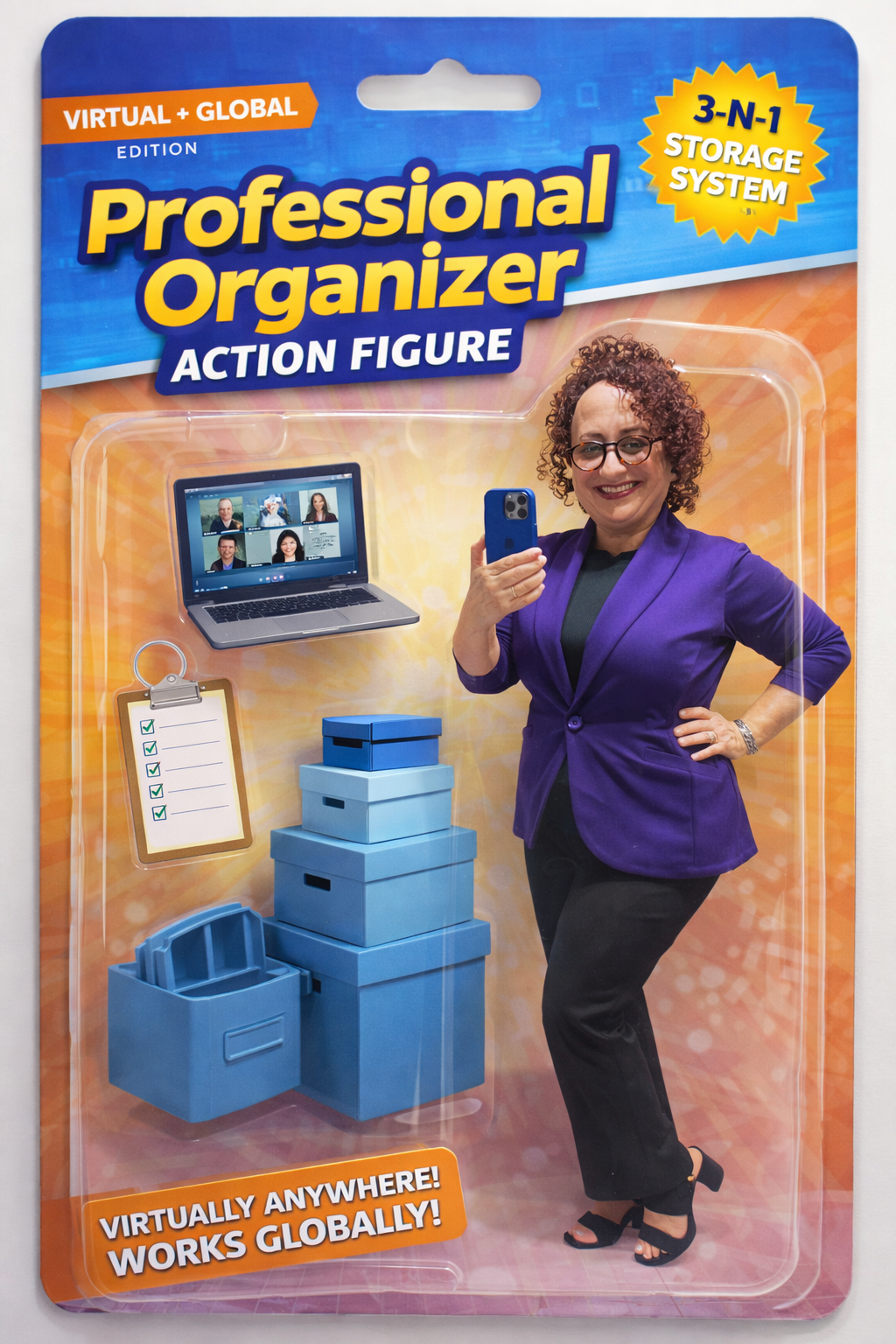
Do you feel overwhelmed, disorganized, or paralyzed? Do you seek change, yet feel stuck? I’m here to help! Virtual organizing is an extraordinary path forward – Local feel with a global reach.

Let’s connect! I’m easy to reach.

Embracing change and getting organized are possible, especially with support.


How to Meet Change with More Compassion and Ease

When you think of compassion and ease, what sensations do you feel in your body? What images come to mind? What stories or messages do your thoughts reveal?

Now, think about change. Are you experiencing sensations, images, and thoughts that feel quite different from those associated with compassion and ease?

No one has the same experience, and yours will likely differ from mine. For me, thoughts of compassion and ease bring calm, care, and gentleness. My breath feels steady and slow. My mind feels clear. I feel more grounded, present, and better able to navigate in the moment.

When I think about change, my initial reaction is to brace. I can feel my shoulders tense, my jaw clench, and a funny sensation in my stomach. Not all change feels that way. Sometimes, positive anticipation and excitement are present. But rarely with change is my first thought or feeling calm or ease-filled.

What becomes possible when you can meet change with compassion and ease?


Meet Change More Gently

Last week, I wrote about the Tiny Shifts Experience I’ve been participating in, led by Dr. Elisha Goldstein. In one of his prompts, he guided us to “Allow a little more ease” throughout the day.

Before starting the Tiny Shifts program, I had been considering “ease” as my guiding principle, my North Star for 2026. When Elisha encouraged us to “Allow a little more ease,” it confirmed what I was already thinking.

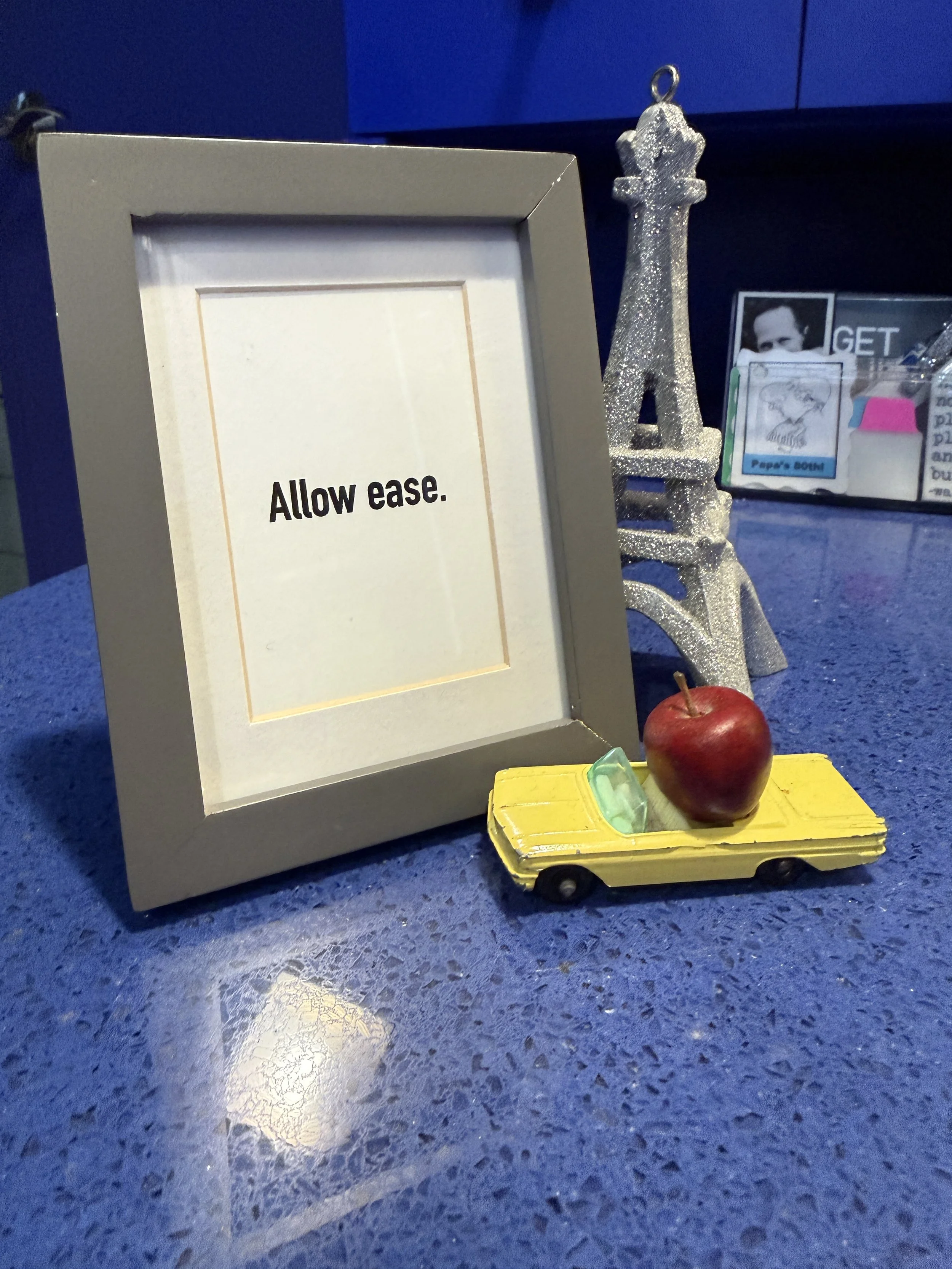
This week, I tweaked the message. My focus for 2026 will be “Allow ease.” I will meet each day, including the challenges, joys, tasks, commitments, and changes I seek, and those thrust upon me, with more compassion and ease.


Engage in Strategies That Encourage Ease

When I notice I’m getting stressed, I will lean on these two strategies.

Strategy 1: Embody Ease with the Breath

This one is so simple. I’ve already used it half a dozen times recently, and it’s incredibly effective. It takes less than a minute.

To Embody Ease:

  • Pause what you’re doing.

  • Gently close your eyes or shift your gaze downwards.

  • Thinking silently, pair these two words while you breathe.

  • Inhale > Allow.

  • Exhale > Ease.

  • Repeat the sequence one or more times until your nervous system calms.

Strategy 2: Ask One Simple Question

You can ask this question on its own, before, or after using the breathing strategy. Listen to what arises and then focus on making a small shift.

Ask this:

Where can I allow more ease right now?

The query will help you identify where your tension or stress lies. How can you change your experience in the moment and lean into more ease? Is there a physical place in your body you can soften? Is there an unhelpful thought loop that needs to be released or noticed? Where is ease possible for you right now?

Where can I allow more ease right now?
— Linda Samuels, CPO-CD®, CVOP™


Can You Shift How You Approach Change?

Change can be exciting or stressful. By integrating strategies that foster compassion and ease, you can move forward with greater grounding and calm. What is your relationship to change? How could creating more ease alter your relationship with change? Which ideas resonate with you?

I’d love to hear your thoughts. I invite you to join the conversation.


How Can I Help?

Do you feel overwhelmed, disorganized, or stressed? Do you want to embrace change this year, yet feel stuck? I’m here to help! Virtual organizing is an extraordinary path forward – Local feel with a global reach.

Let’s connect! I’m easy to reach.

Embracing change and getting organized are possible, especially with support.
 
 
How to Joyfully Lean Into a Promising “Yes” One Fresh Start Offers

The first day of this new year has come and gone. Yet that fresh-start energy lingers. I’m feeling it, especially today, as a massive winter storm blankets much of the United States with an enormous amount of snow. By tomorrow, we’re expecting 12”-16” of snow in New York. It’s giving us a giant pause, asking us to sit tight, get cozy, and weather the storm. Please stay safe, my friends.

As I sit here to write, my ‘IMAGINE’ mug filled with piping-hot coffee by my side, I’m thinking about the relationship between fresh starts and saying “yes.” I’ve noticed that, especially during this time of year, when I’m reflecting and planning, new opportunities appear. It’s not just their arrival, however. I’m in a more receptive mood, which means I’m more likely to be open and say “yes” to opportunities.

Why is that? Doing something differently or trying something new energizes me. And new changes the mood as one year ends and a new one begins. Possibilities also bring excitement and hope. Doing something different can get me out of a rut, change my perspective, or bring more joy and satisfaction. There are also serendipitous outcomes and benefits that weren’t anticipated.


Three “Yeses” Inspired by the Fresh Start

1. 20 Minutes a Day Challenge

A few of my dear friends invited me to participate in a January movement challenge. The barrier to entry was so low that saying “yes” was easy.

The instructions were simple:

  • Move 20 minutes a day, every day in January.

  • Move in some way. No pressure about the intensity or the type of activity. This could be stretching, yoga, walking, swimming, or any other movement.

  • Text each other daily about what you did or didn’t do. No judgment, only support.

The benefits: The obvious one was that I was more aware of my movement during the day, which felt good. I was less sedentary. Having accountability partners encouraged me to move, even when I didn’t feel like it. The more serendipitous benefit was how much I loved this purposeful, low-pressure daily connection, banter, humor, interaction, and encouragement with my friends.

This ‘yes’ has been such a positive experience that we decided to extend the challenge through mid-February. 


2. 21-Day Tiny Shifts Experience

Dr. Elisha Goldstein, psychologist and author, offered an intriguing program beginning in January. This was another easy “yes.” With a small investment of time and money, he would help us engage in “daily, 3-minute practices to support your nervous system and help you show up differently, one small shift at a time.”

I’m all about small shifts and changes, as it’s integral to my client work. I thought it would be beneficial to try a similar experiment for myself.

During the kickoff meeting, Elisha stressed how this experience wasn’t about “fixing what’s wrong or applying pressure.” It was about:

  • Engaging in “small, repeated moments of regulation.”

  • “Learning to recover faster and more often.”

  • Building resilience.

  • Interrupting stress loops.

  • Experimenting with “nervous system friendly practices.”

  • Understanding that it’s not just about being calm, but about helping you to show up better.

  • Being more grounded and present.

Today’s practice encouraged us to “allow a little more ease,” which is exactly what I’m going to channel today, tomorrow, and going forward. It might even become my 2026 mantra. Thank you, Elisha.

The benefits: I look forward to the daily recorded messages from Elisha, which encourage me to think, relax, and regulate my emotions. The practices are simple and doable. I’m only in the first week, but so far I’ve felt more grounded, taken needed pauses, and feel more present. I’ve been reminded of how powerful the breath is for emotional regulation, and I’ve even integrated it into some of my virtual organizing sessions. I’m also appreciating the community of participants who share their thoughts through a private platform. I enjoy reflecting and learning about what others are experiencing.

Fresh starts can be invigorating, especially when you embrace new opportunities.
— Linda Samuels, CPO-CD®, CVOP™

3. Explore Somewhere New – My wonderful husband gifted me a weekend in New York City for my birthday. He planned everything, which was a gift in itself. I always love our time together. I appreciate the simple things we do, like running errands on Saturday morning, kayaking on a lake, walking hand in hand, or sharing meals. Most of our time is spent doing everyday things.

However, for the special weekend, we did things we don’t do every day. It was so much fun. That it happened in January energized the fresh start even more. We visited the Museum of the Dog. Some of my favorite things were playing with the interactive video dog, Molly, and learning about different dog breeds. It made me miss our black lab, Norton. He was an amazing soul.

We also visited the Morgan Library, which I hadn’t been to in years. It has a gorgeous, relatively new wing attached to the historic library. I got emotional when looking at Renoir’s journals and sketches. I had a yearning to draw again like I used to. Who knows? Maybe I will rediscover my art supplies this year.

After visiting two museums, enjoying lots of yummy meals, and an unplanned visit with our kiddos, who were also visiting New York City that weekend, we went on to our next adventure. Across from Grand Central Terminal is the Summit at One Vanderbilt, an immersive art experience with panoramic views of the city. The Summit is located on the 91st-93rd floors of this eco-friendly skyscraper, one of the tallest buildings in Midtown Manhattan, completed in 2021.

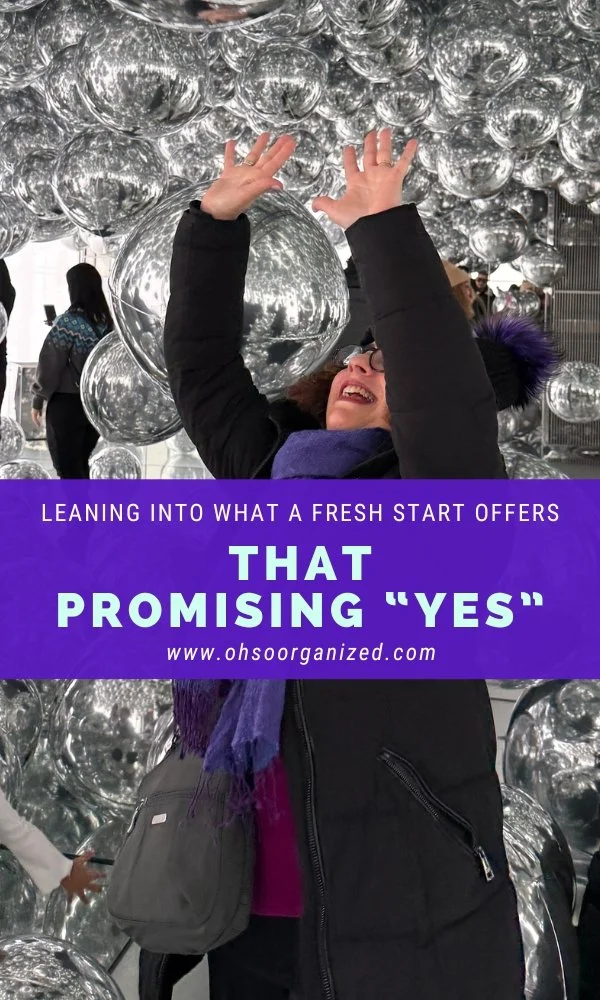
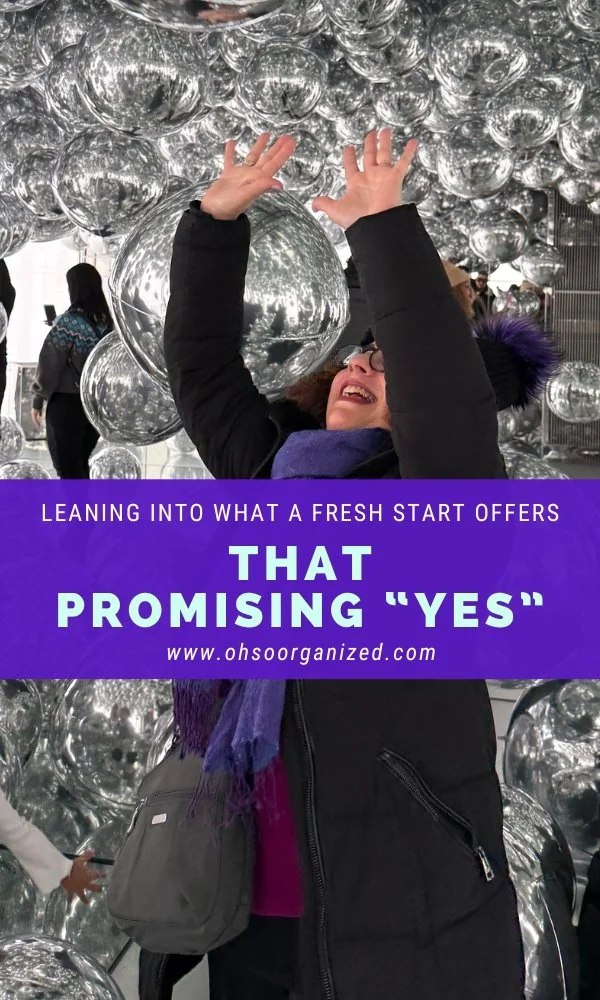
It turned out to be an overcast, cloudy day, so the views weren’t visible. It didn’t matter because there was plenty to explore. Although I would like to go again on a clear day. I loved the Affinity room, where we were surrounded by floating silver balloon-like orbs. It was so much fun catching and throwing them. I felt like a little kid.

My sense of balance and confidence was tested as I walked across mirrored glass floors. You know that wobbly feeling you get when you’re high up? I worked to accept the sensations so I could enjoy the experience.

The benefits: By the end of the weekend, I was vibrating with joy and excitement. Seeing, exploring, and doing new things was uplifting. I wanted to do that more. The weekend helped me celebrate while embracing the newness of a fresh start. The time away also reminded me of things I value: family, connection, art, presence, exploration, learning, curiosity, and experimentation.


What Will Enhance Your Fresh Start?

Fresh starts can be invigorating, especially when you embrace new opportunities. Is there something you said “yes” to this month that you’re glad you did? What have you noticed? Do these ideas resonate with you?

I’d love to hear your thoughts. I invite you to join the conversation.


How Can I Help?

Do you feel overwhelmed, disorganized, or stressed? Would you like to make changes this year? I’m here to help! Virtual organizing is an extraordinary path forward – Local feel with a global reach.

Let’s connect! I’m easy to reach.

Getting organized and making changes are possible, especially with support.


Here Are 5 Most Interesting and Best Fresh Start Discoveries – v53

Enjoy the latest release (v53) of the “What’s Interesting?” series, which features my most recent finds that inspire, spark curiosity, and connect to organizing and life balance. These unique, fresh start discoveries reflect this month’s blog theme.

You are an engaged, vibrant, and generous group. I am deeply grateful for your ongoing presence, positive energy, and contributions to this community.

I look forward to your participation and further contributions to the collection I curated.

What do you find interesting?


What’s Interesting? – 5 Best Fresh Start Discoveries

1. Interesting Read – Fresh Start Goals

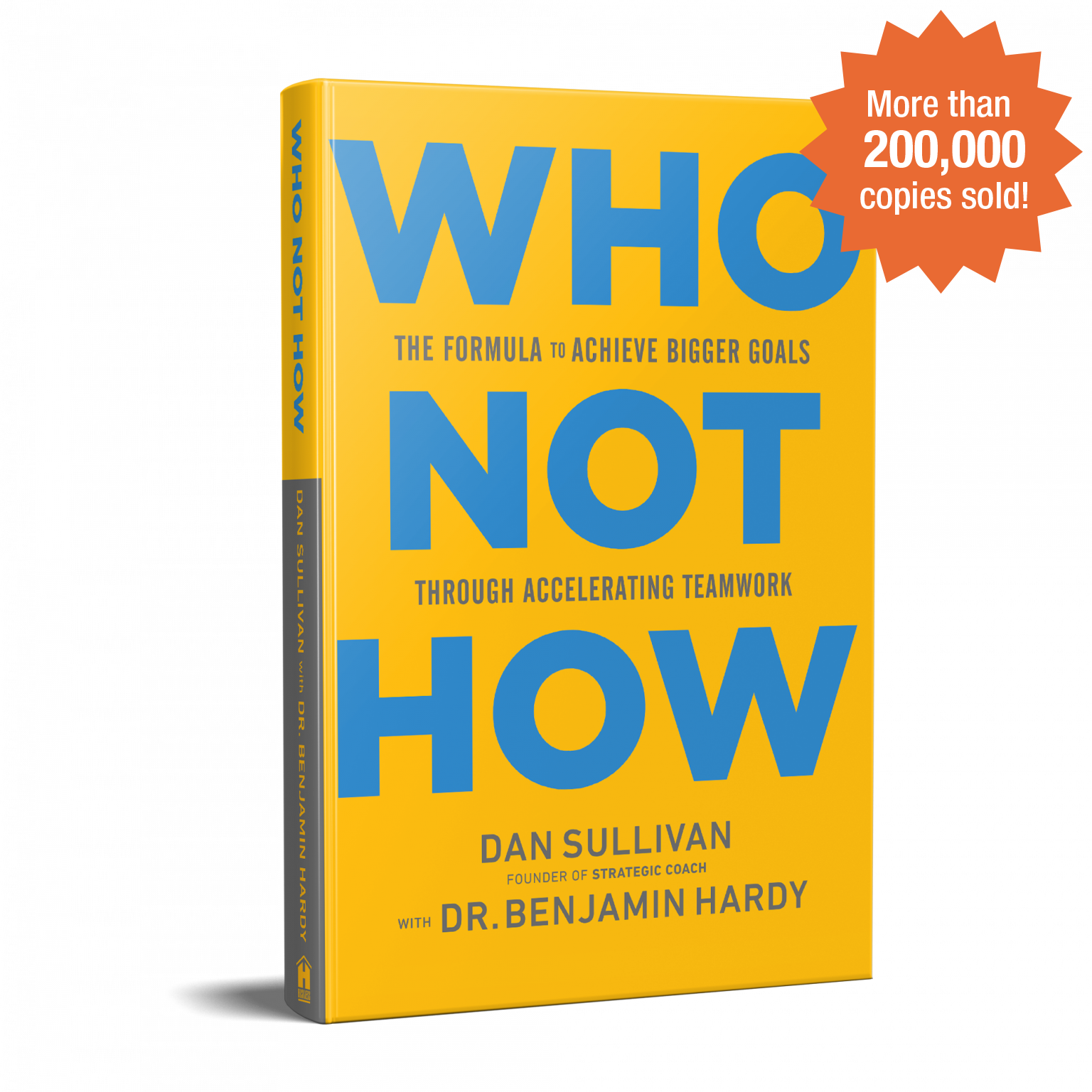
Bigger isn’t always better. Yet if you want to strive for an audacious goal this year, Dan Sullivan, coach and author of Who Not How – The Formula to Achieve Bigger Goals Through Accelerating Teamwork, has a way to get there.

This philosophy hinges on changing the questions you ask. Stop asking, “How can I do this?” Forget working in isolation and doing everything yourself. Instead, Sullivan teaches you to ask, “Who can do this for me?”

He advocates focusing on the “whos in your life that give you the perspectives, resources, and ability to go beyond what you could do alone.” Replace “How can I accomplish this?” with “Who can help me achieve this?”

If you’re feeling frustrated and stuck, it could be the ideal time to build your ‘who’ team.


2. Interesting Experience – Fresh Start ‘Party’

Do you have any “boring tasks” you’re procrastinating on? If so, you are not alone. Thanks to one of my clients, I learned about a Business Insider article that describes a new trend offering a fun solution to this challenge.

Instead of staying stuck and alone while trying to get things done, consider hosting an “admin night” party, as Business Insider editor Tess Martinelli did. She invited her friends over to work on their to-do lists or anything that was causing mind clutter, while also having time to socialize.

She kept things casual and as “low effort” as possible. While there were few rules, Marinelli set several parameters to help make the evening flow better, including:

  • Dress comfortably.

  • Bring your own snacks.
    Provide a beverage (optional).

  • Give some structure, such as working for 30 minutes and socializing or resting for 10 minutes. Repeat that cycle two or three times.

  • After each “round,” talk about what you accomplished.


3. Interesting Article – Fresh Start Decluttering

One of the top ten New Year’s resolutions is to be more organized. An essential part of getting organized is decluttering. This involves letting go of:

  • things that have overstayed their welcome

  • no longer support your current reality, or

  • don’t want or need.

In The Washington Post article “How to reduce visual clutter for a calmer, more functional home,” the case is made for how taxing visual clutter can be on the brain. My clients often describe their clutter (physical or visual) as paralyzing or overwhelming their thoughts and actions.

Corey Pence from The Container Store defines visual clutter as an “overwhelming or excessive amount of visual elements in a space that make it difficult to focus on important information or executing tasks.” Clutter can also make it hard to feel calm and relaxed. Imagine a bedroom with clothing piled everywhere, or a living room with books, toys, and dishes strewn about.

The article suggests many ways to eliminate visual clutter, such as:

  • choosing furniture that encloses objects, such as a nightstand with a drawer instead of an open shelf

  • editing routinely

  • designating a home for objects

  • using coordinated bins on open shelves

  • carefully curating decorative objects, with an emphasis on having fewer

For a great fresh start, declutter until you find that sweet spot for the level of visual clutter your brain can handle.


4. Interesting Product – Fresh Start Planning

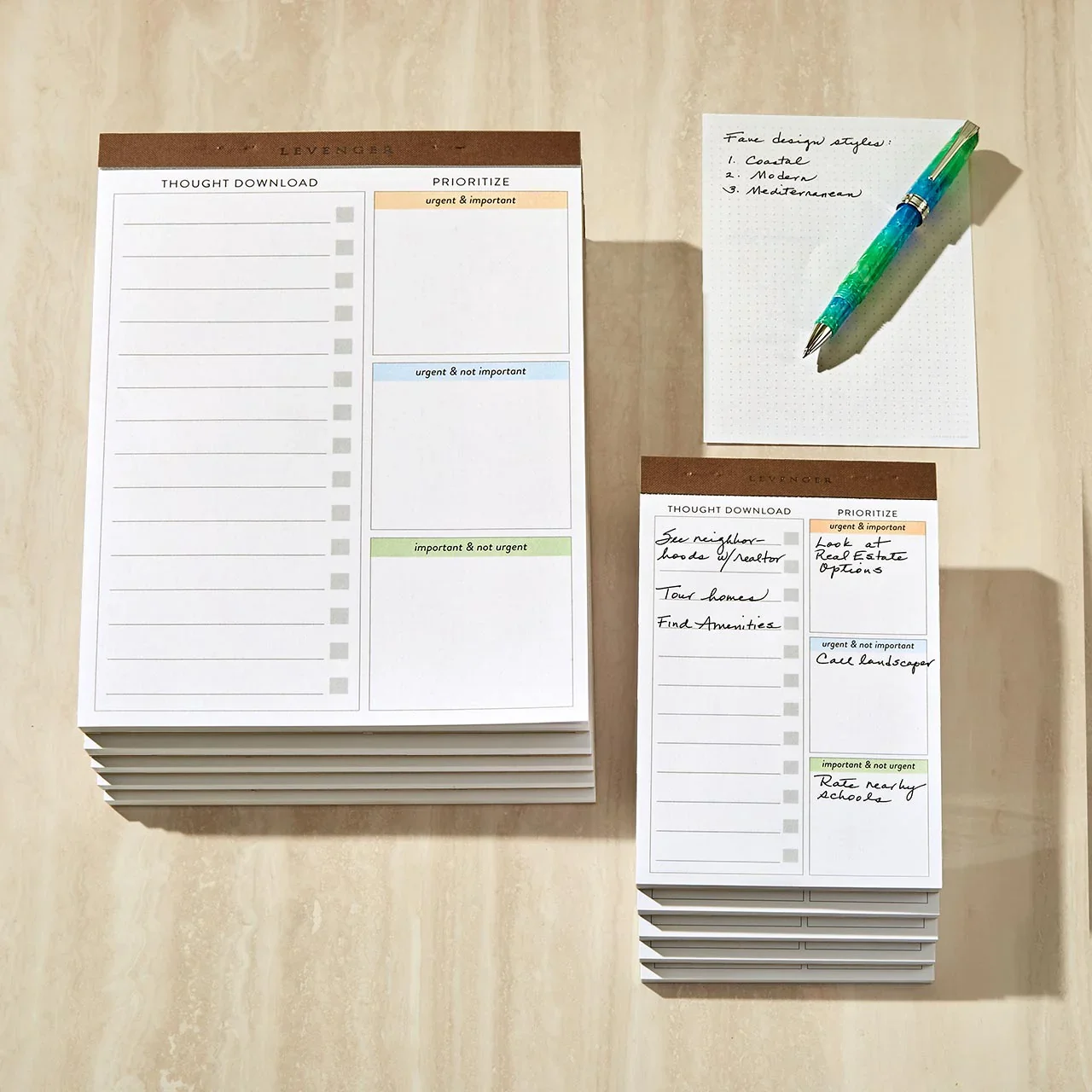
My go-to source for paper pads is Levenger. Their designs are streamlined, and the paper is smooth and easy to write on. If you’re looking for a new way to capture and prioritize your thoughts, check out Levenger’s Think and Plan Priority Manager Pad.

The pad comes in two sizes with two columns and four sections. The left column is great for brainstorming and list-making. It includes:

  • A ruled checklist

The right column is for prioritizing tasks using the Eisenhower method. It has three boxed sections for tasks:

  • Urgent and important

  • Urgent and not important

  • Important and not urgent

Download your brain, sort your to-dos, and give yourself an organized way to focus on your new beginning.


For a great fresh start, declutter until you find that sweet spot for the level of visual clutter your brain can handle.
— Linda Samuels, CPO-CD®, CVOP™


5. Interesting Thought – Fresh Start Magic

There’s something magical about fresh starts and new beginnings. You might feel hopeful, curious, excited, eager, joyful, empowered, or inspired. However, I’ve heard from many people recently that they’re having a very different experience. With the fresh start of the new year, they’re feeling anxious, apprehensive, pressured, disoriented, overwhelmed, or stuck.

Believe me, I get it. I’ve felt all of these ways at different points. On the one hand, I embrace and love a clean slate. It’s an opportunity for a reset and reimagining. Some years, like this past year, I just wasn’t ready to do ‘new.’ Instead, I was in the thick of finishing projects from the year, which overlapped with the time I typically review and plan.

Wherever you are right now, consider these possibilities:

  • If you’re ready, let the wonder of a new year help you move forward.

  • If you’re not ready, be gentle with yourself and ease the pressure to make big new plans for now.

Stay open to activating a fresh start (and its magical powers) at any time: a new day, month, or season.


The Fresh Start Advantage

There’s still time to make this first month of the new year work for you. Lean into the energy and newness of this season. Use the clean slate to your advantage.

Which of these discoveries resonates most with you? Which would you like to add? I’d love to hear your thoughts and invite you to join the conversation.


How Can I Help?

Do you feel overwhelmed, stuck, or disorganized? I’m here to help. Virtual organizing is an extraordinary path forward – Local feel with a global reach.

Let’s talk. I’m easy to reach.

Getting organized is possible, especially with a fresh start and compassionate support.