Posts in Possibility Thinking
5 Powerful Ways Learning at an Organizing Conference Encourages Possibilities

What happens when you have so many possibilities? Do you feel overwhelmed? Do you get stuck? Are you unable to make decisions or take action? It’s terrific to have options and know there are lots of possibilities. However, when the scope is too large, the choices can feel more like a burden than an inspiration.

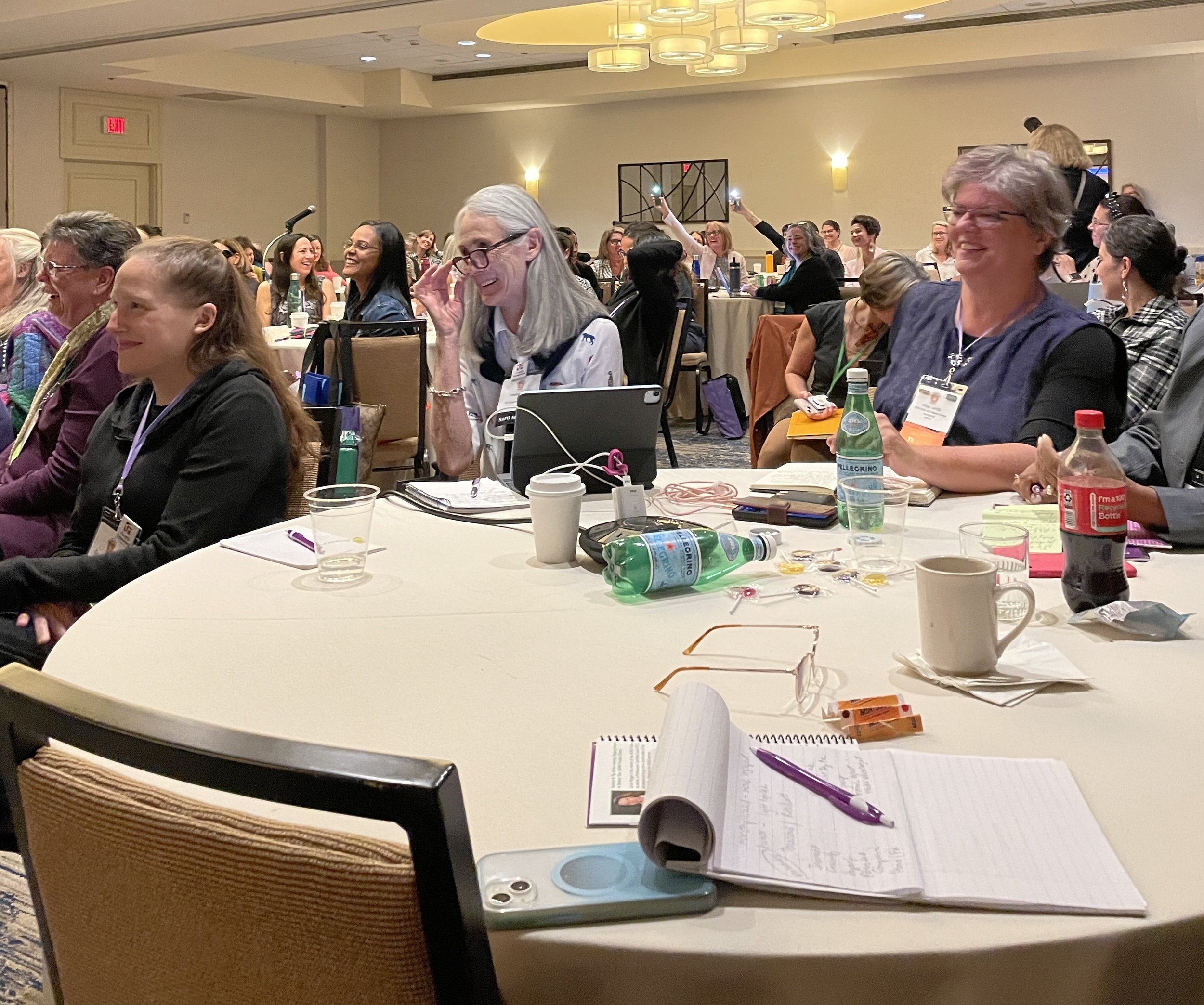
Last week, I attended the ICD conference near Boston with over 100 organizing colleagues from around the globe. It felt amazing to be together in person again, be with my colleagues, and meet new friends. We learned from incredible experts during seven 90-minute sessions. It was wonderful, intense, and emotional. There were sessions about dementia, hoarding, neurodiversity, ADHD, anxiety, time management, and mindset.

By the end, my brain felt drippy, like a sponge that couldn’t absorb more liquid. Of course, I want to share everything I learned with you. As I sat to write this, I got overwhelmed by the options and possibilities. So, guess what? I’m dialing it back from my 16 pages of notes to share information from five of the sessions. I hope the ideas open up something for you- a new perspective, reframe, or possibility.


5 Powerful Ways Learning Encourages Possibilities

1. DEMENTIA | “I am who I am. I’m just different.”

Beth Nolan, PhD, the Director of Research and Policy for Teepa Snow’s Positive Approach to Care™ (PAC), said there are 100+ causes and types of dementia. One way to help is to understand while dementia “robs” the person of many things, they still have skills and strengths. Identify and focus on those.

My mom was diagnosed with vascular dementia in 2013 and passed away in 2021. While many of her abilities were compromised over those eight years, I was always inspired by what remained, like her ability to make music, play the piano, sing, and express love. She was still my mom, just different.


2. HOARDING | “Hoarding isn’t just a house problem. It’s a mental health problem.”
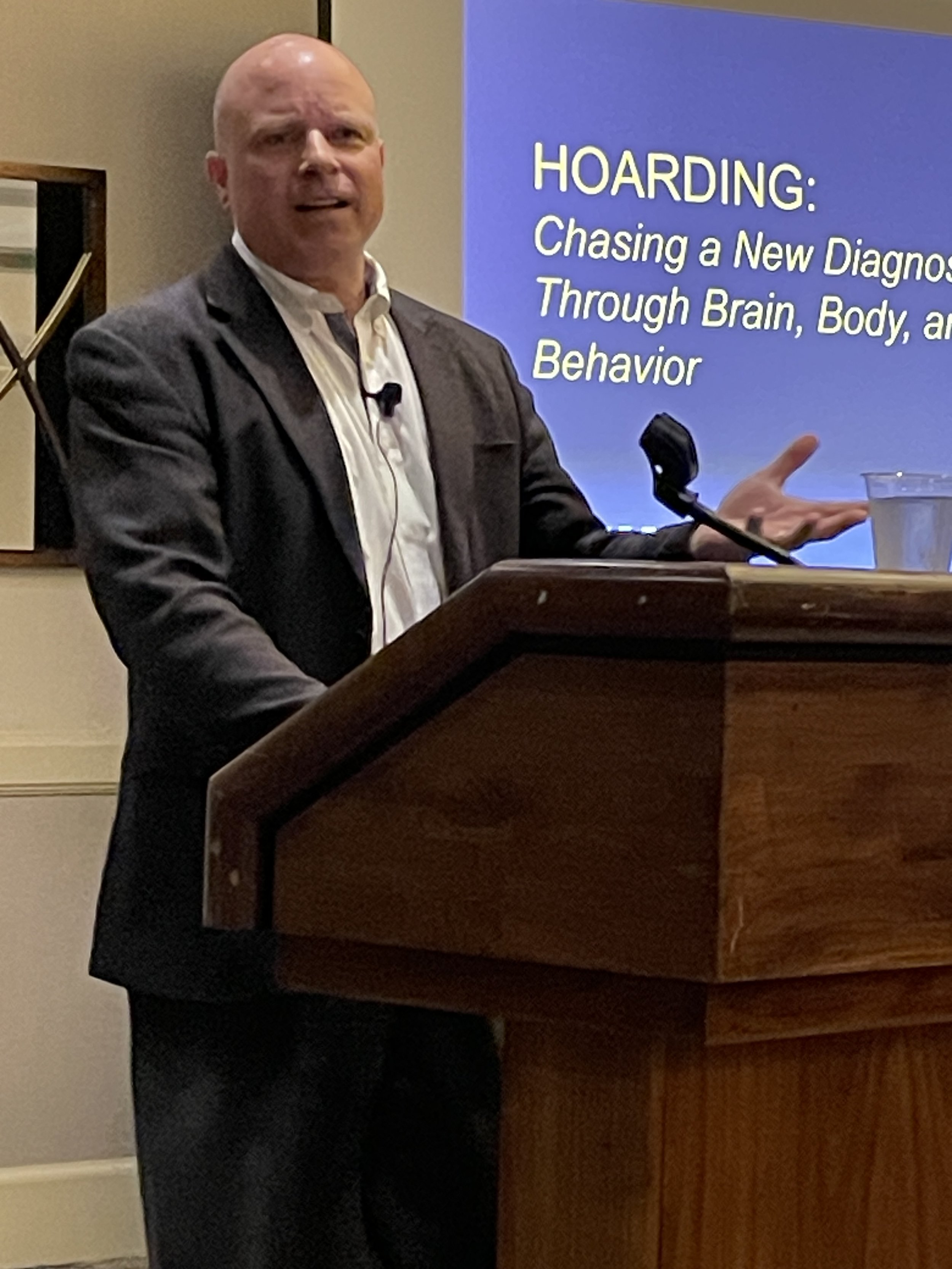
Dr. David Tolin, the Founder and Director of the Anxiety Disorders Center at the Institute for Living and Adjunct Professor of Psychiatry at Yale University School of Medicine, said Hoarding Disorder became a standalone diagnosis in the 2013 DSM-5. The hallmarks of the disorder are having difficulty discarding or parting with possessions and having a visible manifestation of clutter build up with the home no longer useable for its intended purpose.

For people with Hoarding Disorder, “Saving happens because tossing is distressing, not liberating or freeing.”

Dr. Tolin shared these statistics:

  • The drive to acquire and save affects 2-5% of the population worldwide.

  • Hoarding Disorder is twice as common as Obsessive Compulsive Disorder (OCD).

  • Hoarding Disorder begins at a young age (6-16) and worsens with age. It does not get better on its own.

While Cognitive Behavioral Therapy (CBT) is one of the most successful treatment methods for Hoarding Disorder, it is not 100% effective. Through continuing research, Dr. Tolin is committed to better understanding the psychology and biology of hoarding behavior and discovering ways to boost CBT’s efficacy.


“Saving happens because tossing is distressing, not liberating or freeing.”
— Dr. David Tolin


3. NEURODIVERSITY | “The value of life can’t and shouldn’t be based on productivity. It leaves a lot of people out.”

Devon Price, PhD, a social psychologist, professor, researcher, author, and proud Autistic person, was diagnosed with autism after finishing his PhD and experiencing “autistic burnout.”

Some of autism’s distinguishing characteristics include sensory input challenges, such as loud sounds and eye contact, which are painful. Processing is slower, but it’s a strength because they catch small details and are more detail-oriented. However, because the world moves fast, it doesn’t support how they process, so they feel more disabled.

Devon prefers identity-first language- “autistic person,” “autistic,” and “disabled person.” He said to avoid “differently abled” or “special needs.”


4. ADHD | “Successful ADHD women look successful on the outside and feel inadequate on the inside.”

Linda Roggli, PCC, creator of the ADHD Palooza series, a Professional Certified Coach, and author and founder of the A-D-Diva Network for ADHD women 40-and-better said she has an “ADHD brain.” 

The ADHD inattentive type is most prevalent in women. Some distinguishing factors include a busy brain, low energy, high worry, inability to concentrate, being distracted by one’s thoughts, daydreaming, difficulty following through and prioritizing, misplacing things, being talkative, impatient, having low self-esteem, not having great a working memory, making impulsive decisions, and feeling restless.

Roggli said understanding the impact of hormones on women with ADHD is essential. The brain works better with more estrogen. Estrogen affects dopamine. The ADHD brain lacks dopamine. Menopause decreases estrogen by 50% and keeps getting lower.

Most women with ADHD have comorbid conditions or “sidecars.” They include:

  • 30-40% - 1 Depressive episode

  • 50% - Learning differences

  • 10-20% Bipolar

  • 30% OCD

  • Up to 50% - Addictions


5. ANXIETY | “The more you care, the more you worry. Anxiety means I care. You can’t teach people not to care. You can only teach how to manage anxiety.”

Dr. Alicia Clark, a psychologist and author of Hack Your Anxiety, said 40% of people experience persistent stress, and only 36% get help. She also said:

  • Women suffer from anxiety 1.6 times more than men.

  • Post-pandemic, anxiety and depression increased by three times.

  • The visual distraction of clutter increases cognitive overload and decreases working memory.

Anxiety shows up in the “emotional landscape” of the organizing work we do with our clients. These can appear as fear of change, failure, facing emotional memory of things, letting go, and making mistakes.

Dr. Clark described four forms of anxiety – Whisper, Chatter, Nagging, and Yelling. She explained they are not all bad. Chatter anxiety is referred to as “good stress.” You can reframe anxiety and recognize that it drives motivation. She suggests using “anxiety to change what is in your control,” focusing on progress, reframing setbacks as part of the growth process, and getting adequate sleep.


Possibilities open up when we understand more about our psychological, emotional, and biological states. I was deeply moved by the presenters, the stories and insights they shared, and how they connected to many of my clients. It is a privilege to be part of their journey. I have the utmost respect and admiration for my clients’ determination and how they face their challenges.

What possibilities appeared for you? Did you discover any surprises? I’d love to hear your thoughts. I invite you to join the conversation.


How to Embrace Now Fantastic Fall Inspired Possibilities and Changes

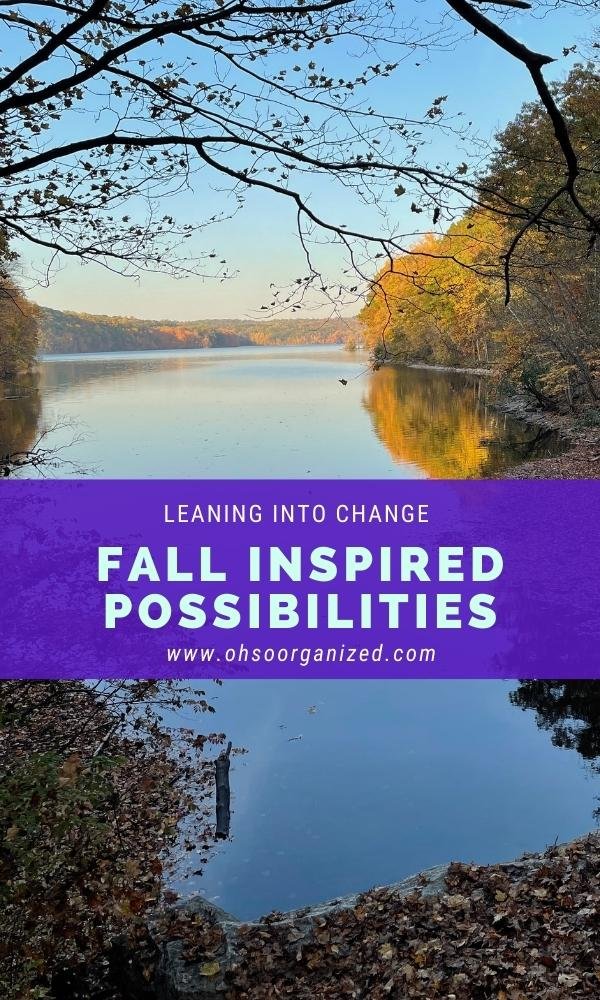
It was a colorful week in many ways. It’s fall, and the leaf-peeping opportunities in the Hudson Valley are spectacular! This week, extra time was spent outdoors walking, photographing, and driving in search of exhilarating views.

The week was not only visually breathtaking, but it was exciting too. I hosted my first online workshop, How to Conquer Clutter. A wonderful group of participants attended from around the country. Their desire to better understand their clutter challenges, make changes and see new possibilities was inspiring. How comforting to know we are not alone in our challenges and the changes we seek.

One of the walks I took this weekend was with my husband, Steve. We ventured over the Croton Dam and around the reservoir, searching for fall’s magic. At one point, we rounded the bend and spotted a brilliant burst of yellow foliage touching the medium-blue sky, which reflected onto the water below. The brightness, surrounded by deep shadows, made the colors incredibly vivid.


This memorable moment connected several ideas. How often do you feel stuck in the shadow? You sense something is possible or around the bend. Yet, you are unsure what it is or means. Slowly from the dark, a new vibrant path appears. You feel energized and positive. Possibilities are within reach as you emerge from the shadow towards the light. Poet and philosopher Yung Pueblo said, “…the river of life wants to move you toward embracing change.”

In the days following the workshop, I sensed a door opening for me. That entry had been sticky and challenging to move through. However, the opening felt spacious after pursuing and reaching my goal of developing and hosting a workshop. I imagined new possibilities and ways to help others. Inspiration filled my cup with the colorful autumn landscapes and the energy received from experimenting with something new.

“…the river of life wants to move you toward embracing change.”
— Yung Pueblo

What are you noticing right now? Which changes will you decide to pursue? What possibilities are here for you in this new season? I’d love to hear your thoughts and invite you to join the conversation.


What's Achievable When You See Life as a Petri Dish of Astonishing Possibilities?

On my recent walks this week, I noticed more leaves changing colors. The luminous sun embraced the intensely colored foliage and highlighted the shifts in the fall palette. Frequently, I paused to fully appreciate the beauty. I saw the brilliant warm reds, oranges, and yellows juxtaposed with the cooler greens. I felt the gentle, refreshing breeze on my face as I heard the rustling of the leaves above. During the later part of the holiday season, a commonly overheard phrase is “winter wonderland.” Today feels like a fall fantasy ripe with possibilities. Are you feeling motivated? Are you sensing a change? What is possible?

I look forward to the intimate monthly virtual gatherings led by my wonderful friend and incredible Life Coach, Yota Schneider. At the retreat, we meditate, journal, and share our thoughts. She selects a theme each time, and this month was The Season of Change. During the gathering, she told us about Chris Bianco, an “inspiring pizza man from the Bronx,” and his philosophy on life. He sees life as a “petri dish of possibilities.” What a concept and approach to living!

While we typically think of a petri dish in a scientific context where microorganism cultures are developed in a small, shallow container, there is another definition. Something that fosters development or innovation can be a petri dish, too. A petri dish of possibilities supports a growth mindset. You’re not a stuck, fixed being. You can stretch, create, change, and imagine.

Have you ever felt stuck? If so, you’re not alone. We all get stuck at times. There can be many reasons why or when that happens. Often, our thoughts keep us fixated on a single idea, and we have difficulty changing the script. What if you integrated the “petri dish of possibilities” into your consciousness? Would that open up your thinking?

At times, having too many options creates paralysis. When numerous choices make you feel stuck, the ‘petri dish’ phrase isn’t a great choice. However, in many situations, it is a helpful concept to engage.

“Life is a petri dish of possibilities.”
— Chris Bianco

The phrases you repeat in your mind can change the trajectory of where you’re going. Are these affirmations helpful?

  • I am moving forward.

  • I am no longer stuck.

  • I am making a choice.

  • I am taking action.

  • If my action isn’t effective, I will experiment with something else.

  • I will embrace what’s possible.

  • I see a petri dish of possibilities.

It’s fall. Change is all around. Are you thinking about what’s possible? Which ideas resonate with you? I’d love to hear your thoughts and invite you to join the conversation.


Here Are Today's Most Interesting and Best Possibility-Thinking Discoveries - v37

The newest release (v37) of the “What’s Interesting?” feature has my latest finds, which inform, educate, and relate to organizing and life balance. These unique, inspiring, possibility-thinking discoveries reflect this month’s blog theme.

You are a generous, communicative, and engaged group. I am deeply grateful for your ongoing presence, positive energy, and contributions to this community. I look forward to your participation and additions to the collection I’ve sourced.

What do you find interesting?


What’s Interesting? – 5 Best Possibility-Thinking Discoveries

1. Interesting Workshop – Conquering Clutter Possibilities

Are you overwhelmed by clutter? If so, you’re not alone. One in four people have challenges with clutter, which can affect their anxiety levels, relationships, sleep, and ability to focus. Help is here.

I’m so excited to offer a lively one-hour online workshop – How to Conquer Clutter, on October 20th @7:00-8:00pm EST. You’ll discover where clutter comes from, why it’s so hard to let go, and what you can do about it. Come away with energizing possibilities, manageable clutter-reducing strategies, and powerful insights. Register now!


2. Interesting Perspective – Reframing Possibilities

I frequently hum and sing. The funny thing is I don’t realize I’m doing it. In addition, I often unknowingly sing the incorrect lyrics. Recently, I learned a word for that. Mondegreen is a misheard word, phrase, saying, lyric, or slogan that makes sense in your head, but is entirely incorrect. Check out this infographic with some commonly miss-sung lyrics for a good laugh.

What does mondegreen have to do with possibility thinking? Let’s revisit the mondegreen definition of words, which make “sense in your head, but…are entirely incorrect.” How often have you repeated a negative message to yourself that is no longer true? You get stuck in old thought patterns or beliefs and forget to change the script. Clients often share these negative messages with me, which sometimes were ingrained since childhood.  A parent might have said, “You are like a tornado leaving stuff everywhere you go.” However, they learned organizational strategies over time and are no longer “messy” or “disorganized” kids. They didn’t adjust the lyrics.

Singing the wrong words to songs is harmless, but repeating negative, untrue messages about yourself is damaging. What possibilities become visible when you change the script?


“When you imagine possibilities, your thinking becomes open and expansive. ”
— Linda Samuels, CPO-CD®, CVOP™


3. Interesting Read – Grounding Possibilities

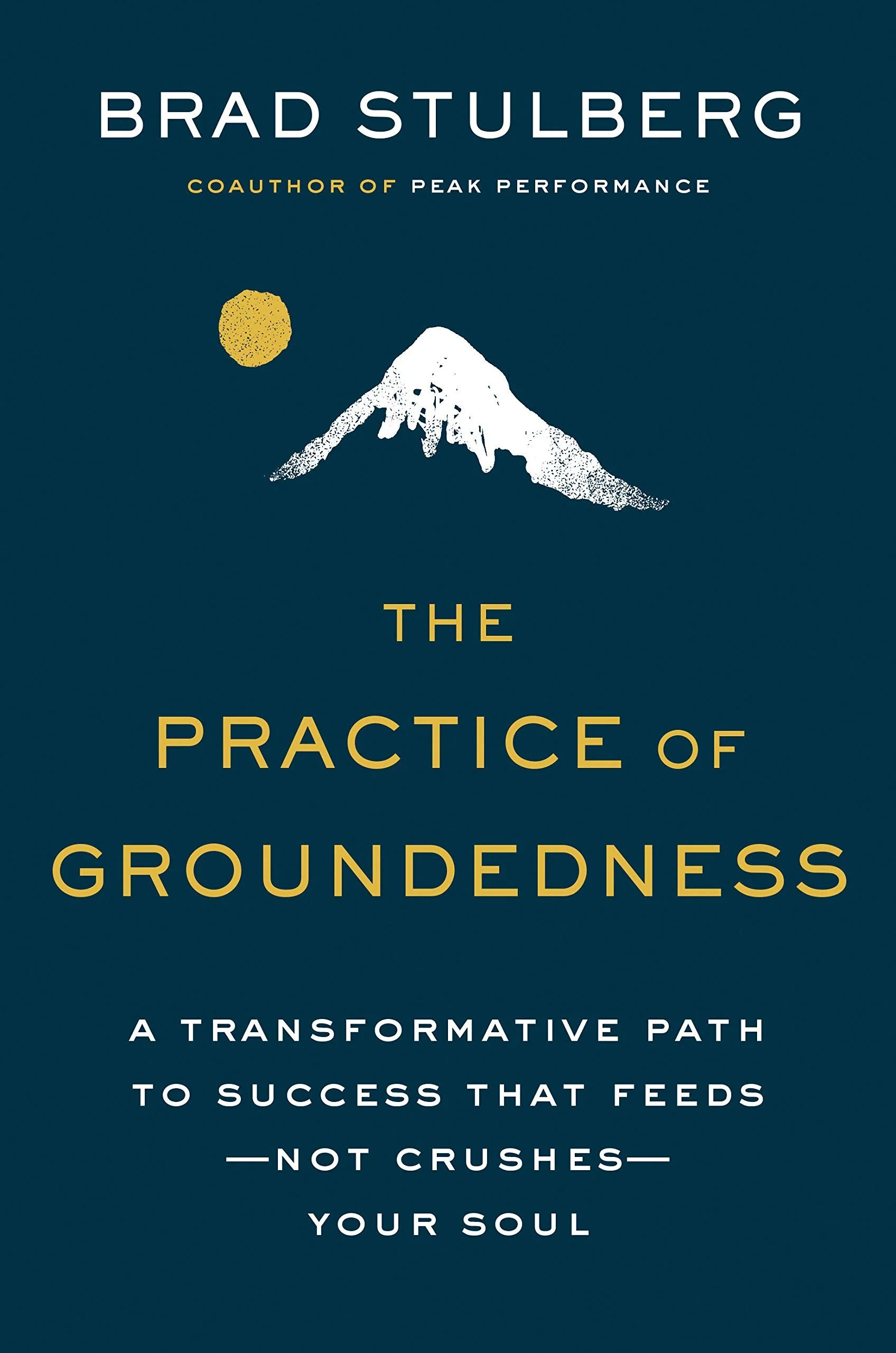
In The Practice of Groundedness – A Transformative Path to Success That Feeds – Not Crushes – Your Soul, author, researcher, and coach Brad Stulberg rejects conventional measures of success, which he says do not support long-term happiness. As an alternative to feeling like “you are never enough” or having “a compulsion to keep chasing the next thing,” Stulberg draws from modern science and lessons from ancient wisdom traditions to encourage the cultivation of habits and practices to live a more grounded life.

Stulberg says, “Groundedness is unwavering internal strength and self-confidence that sustains you through ups and downs.” His six principles of groundedness are acceptance, presence, patience, vulnerability, community, and movement. Sharing specific practices and new ways of thinking, Stulberg inspires us to choose “acceptance over delusion and wishful thinking…presence over distraction…patience over speed…vulnerability over invincibility…community over isolation…movement over sitting still.” How will grounding yourself influence what’s possible?


4. Interesting Product – Capturing Possibilities

Have you noticed when you shower, ideas, to-dos, and possibilities start to flow? The relaxing effect of water stimulates your thoughts. Do you easily forget those brilliant ideas you had in the shower? It used to happen to me, but not anymore. One of my favorite products is AquaNotes waterproof notepad. Their tagline says, “Never let another great idea go down the drain!” When a shower-inspired thought pops into my head, I make a note on the pad with their special pencil. Post-shower, I transfer the idea to the appropriate list. The notepad is also an excellent place to exchange messages with my husband.


5. Interesting Thought – Welcoming Possibilities


When you imagine possibilities, your mind goes into an open, expansive growth mode. When you say the word problem, your thoughts constrict and bring a negative focus to the situation. You can get stuck in the problem’s details. Challenges definitely exist. However, if you shift your thinking towards possibilities, you will find a more productive, positive path when you encounter issues.


Do you have an interesting possibility-thinking discovery? Which of these resonates with you? I’d love to hear your thoughts. I invite you to join the conversation.