Posts in Too Hard to Let Go
How to Let Go of Guilt During the COVID-19 Crisis

What is it with guilt and the difficulty of letting it go? We feel guilty when we think we’ve done something wrong or failed to do something we thought we should have done. We blame ourselves when something we feel responsible for we didn’t do. During several recent conversations, I’ve noticed that we’ve been especially hard on ourselves and experienced many types of guilt. We’re living in an unusual time. The world is in crisis because of the COVID-19 pandemic. Life has changed overnight for many of us, and we are adjusting to living differently. Stress and emotions are heightened, as is our tendency for self-blame and guilt.

Let’s be kinder. We are living in a raw wound-like state. Letting go of guilt is an act of self-compassion. There are several guilt themes I’ve noticed. I’ll share them with you, along with some encouragement for letting go. What have you observed? 


How to Let Go of Guilt During the COVID-19 Crisis

Productivity Guilt

In a recent The New York Times article, “Stop Trying to Be Productive,” Taylor Lorenz makes the case that the message we’re hearing is that we should be more productive with the “extra hours” we were gifted because of the pandemic. However, our experience is quite different. Even though we might have freed-up hours in the day because we aren’t commuting to work or have no work, we are exhausted. We’re finding it challenging enough to take care of the basics. So we are experiencing productivity guilt because we aren’t organizing our decades of memorabilia, cleaning out our garages, writing that novel, or accomplishing more in a day. Let your productivity guilt go.

I admit to erring on the side of staying productive. I want to accomplish things. But I also recognize that we are experiencing grief-like symptoms. So instead of pushing and expecting, we need to be gentle and compassionate. Adjust your expectations of what productivity looks like for now. Instead, focus on what you need to feel healthy, calm, and sane. That might mean a shift to a human being rather than doing.


Being Normal Guilt

Daily meditation is an essential part of my morning routine. Especially now, I am so grateful for this practice. Most days, I use guided meditations on the Insight Timer app. Lately, I’ve been experimenting with some newly released practices that focus on helping us navigate the COVID-19 crisis. They help me with discovering useful perspectives, offering calming strategies, and increasing compassion for self and others. In a recent practice, I listened to Rick Breden’s “Six Questions to Ask Yourself During COVID-19.” Rick is a psychotherapist and CEO of Behavioral Essentials. He asked this question,“What expectations of normal am I letting go of today?”

What expectations of normal am I letting go of today?
— Rick Breden

I loved that question because so many of us expect that we should be living like business as usual. But there is nothing ordinary about this time. Having some grace to let go of “normal,” means we can also let go of that guilt. We can let go of should and gift ourselves flexibility and the time needed to adjust to living differently.


Boundaries Guilt

I predict that at some point, you will be directly touched by COVID-19. You might have a family member, coworker, or patient that has it.  As humans, we’re wired to help people. Many people are being asked to go above and beyond to serve and help others while they are potentially putting themselves in harm’s way. Healthcare workers are being asked to be on the front lines and possibly come out of retirement or enter the workforce pre-graduation to assist all those in need. You might have a family member living with or near you that is ill and needs your help, which could put you in danger of also getting sick. Each of us has to decide what we are willing and not willing to do. What risks are we willing to take? And choosing not to help in every situation can result in a lot of guilt. This is a personal choice and a difficult one. If you are experiencing guilt around asserting your boundaries, I understand. Consider what you need to feel safe and remain healthy. Let the boundary guilt go.


Commitment Guilt

When I commit to something or someone, I like to honor my word. If I don’t, I feel guilty, and as though I’ve failed myself and the other person. This has happened a few times in the past few weeks. Circumstances were such that I wasn’t able to be at an event I had committed to or plan an annual event. In one instance, a family member needed my help, and that took priority over another commitment. In the other case, I recognized I didn’t have the bandwidth now to plan a large (virtual) gathering. And even though intellectually I understood the reasons, I was harsh with myself. I felt guilty for changing what I had committed to. I recognized that the kindness I needed was to let go of that guilt. So if you have experienced something similar, it’s time to let go. Grant yourself some grace and flexibility. Be open to adjusting your commitments if needed, guilt-free.


Complaint Guilt

There are so many horrific things happening in the world. People are dying, losing their jobs, and unable to feed their families. Communities are being destroyed. Health care workers are overworked and don’t have adequate protective gear and supplies to help those in need. Because there are so many horrible things going on, we feel guilty complaining about inconveniences like having spring vacation taken away or being unhappy with having to work virtually. There will always be someone that has it worse than you do. So instead of feeling guilty about complaining, perhaps turn it around and focus on gratitude. You can be grateful that you have a job, and simultaneously be upset and guilty that you don’t like how you’re being asked to do your job right now. Those two things can exist simultaneously. It doesn’t make you a bad person. It’s important to honor and express your feelings. Complaining or expressing is cathartic. Let go of the guilt and need we have to do it.


Communication Guilt

Many of us are in more intense contact with people now. We use a variety of ways to keep in touch and reach through the phone, email, texts, letters, Face Time, Skype, Zoom, or other platforms. Some of us are communicating with family, friends, and coworkers in new ways or more frequently. For some of us, it might feel like a full-time job. There are so many people we are concerned about in various corners of the world and in our lives. After several weeks of this, some of us are beginning to feel exhausted by the pandemic talk. Even though we think we should be reaching out, what we really feel like doing is retreating into our cocoon. No talking. No communicating. Just being still and quiet. That response is resulting in some feelings of guilt. After all, we keep hearing how important it is to stay in touch with people. So many are isolated. For those feeling guilty about wanting to communicate less, let your guilt go. Honor your needs. This doesn’t have to be an all or nothing. Take a break or reach out less frequently. Adjust what enough feels like.


We’re all feeling raw with the changes and uncertainty. It’s essential to focus on those things that lift us up, reduce stress, and help us feel centered. From there, we can increase our reserves so we have something left to help others. Guilt depletes us. Be generous with your self-compassion. Are you having difficulty letting go of guilt? What are you experiencing? I’d love to hear your thoughts. I invite you to leave a comment and join the conversation.

 
 
How to Let Go of Perfect With Humor for the Greater Good

Perfect isn’t possible when it comes to entertaining. In fact, perfection is a recipe for undue stress. Letting go of perfect and infusing the situation with humor and intention is one of the lessons I’ve learned over time.

My husband, Steve and I have a long history of hosting events together. For the last 37+ years, we have gathered our friends and family for over one-hundred celebrations and get-togethers including birthdays, Thanksgivings, New Years’, Cajun dances, BBQs, brunches, dinners, cast parties, Bat Mitzvahs, and Passovers. As you might have guessed, we enjoy entertaining.  His parents and mine also loved hosting and were the center and gathering places for both of our families. They were gracious, generous, and inspiring role models. They taught us so much about love, life, teamwork, and hosting.

While it’s lovely to have people in our home, it takes organizing, planning, and preparation. We use a tag team approach and share our responsibilities and tasks. We each have our own event-specific lists that we update from year-to-year. Our lists include things like shopping items, dates to shop, cook times, beverage consumption, and tasks related to house set-up.

Our most recent event was this past weekend when we had 32 people for Passover.  Of all the meals we prepare, this one is the most complex because of the volume of food, multiple courses, and pacing. The cooking and house prep are done in advance over three or four days.

When it comes to entertaining, there are some letting go lessons I’ve learned. 

5 Lessons Learned About Letting Go of Perfect

  • Uh-Oh. - Planning is terrific, but you will forget something like an essential ingredient for one of your recipes. That’s OK. Run out to the store, again. Add it to the list for next year. Remember you’re human and let go of being perfect.

  • No You Don't. - You don’t have to do everything yourself. If someone asks, “Can I bring something?” say, “Thank you, yes.” Then look at your menu and ask for what you need. Let others participate. Let go of being responsible for the entire meal.

  • Help Is Good. - People like to help because it makes them feel comfortable. Be ready to delegate. If your guests want to clear plates, wash dishes, help serve the soup, or refill the ice bucket, say, “Thank you, sure!” It’s gratitude time. Let go of having to do things a certain way and embrace those extra helping hands. You’ll be glad you did.

  • The Real Plan. - There will be last minute cancellations, additions, or emergencies (medical and otherwise.) You never know what will happen, but something will happen. Remember that detailed plan I mentioned earlier? Laugh now, because it will change. Let go of exactness. Know that there’s a 99.9% chance you will need to deviate from the plan.

  • What's Your Why? - Let go of expectations, but set an intention. One of the things my husband added to his list this year was, “Have fun!” I loved that, so I put it on my list too. Adding this simple reminder was just what I needed. It helped me focus on why we were doing this, which was to enjoy, gather, celebrate and have fun with our family and friends.

The details are significant, but they aren’t everything. They don’t have to be perfect. Remember your why. Allow it to permeate your actions with love, flexibility, and letting go.

Which letting go lessons resonates with you? Do you have others to add? I’d love to hear your thoughts. I invite you to join the conversation.

 
The Simple Truth About How Signals for Change Help You Let Go

Are you a change embracer, or do you avoid change at all costs? Maybe your attitude is contingent on whether you are driving change or if a change is being unwillingly thrust upon you. What have you noticed? Whether you approach change positively or negatively, letting go is an integral component. Seeking change will fuel the letting go process. We can’t move forward if one foot is planted in the past. We can’t engage in the present if we’re holding on too tightly to the way things used to be. We can’t grow if we aren’t willing to let go and experiment.

In this two-part Smead podcast, my friend John Hunt interviewed me about Signals for Change. We talked about eleven different cues or indicators that let you know when it might be time to make a change. As you watch the videos, consider this question:

What do you need to let go of to embrace change?

The Signals for Change – Part 1

How do you know when it’s time to make a change? In Part 1, I review five change indicators:  Boredom, spark, sleeplessness, drama, and dings. What role does letting go play in the changes you seek?

The Signals for Change – Part 2

Letting go is an integral part of the change process. In Part 2, I review six additional change cues:  Lateness, plateau, painenvironmentopportunity, and the “whoa” factor. What benefits will you experience by letting go?

Change and letting go can be stressful and challenging or exciting and freeing. Our attitude and circumstances influence how we navigate these experiences. Noticing a change indicator prepares you for the letting go process. What have you observed? I’d love to hear your thoughts. I invite you to join the conversation.


7 Surprising Letting Go Lessons I Learned at Organizing Conference
Letting+Go+Lessons.jpg

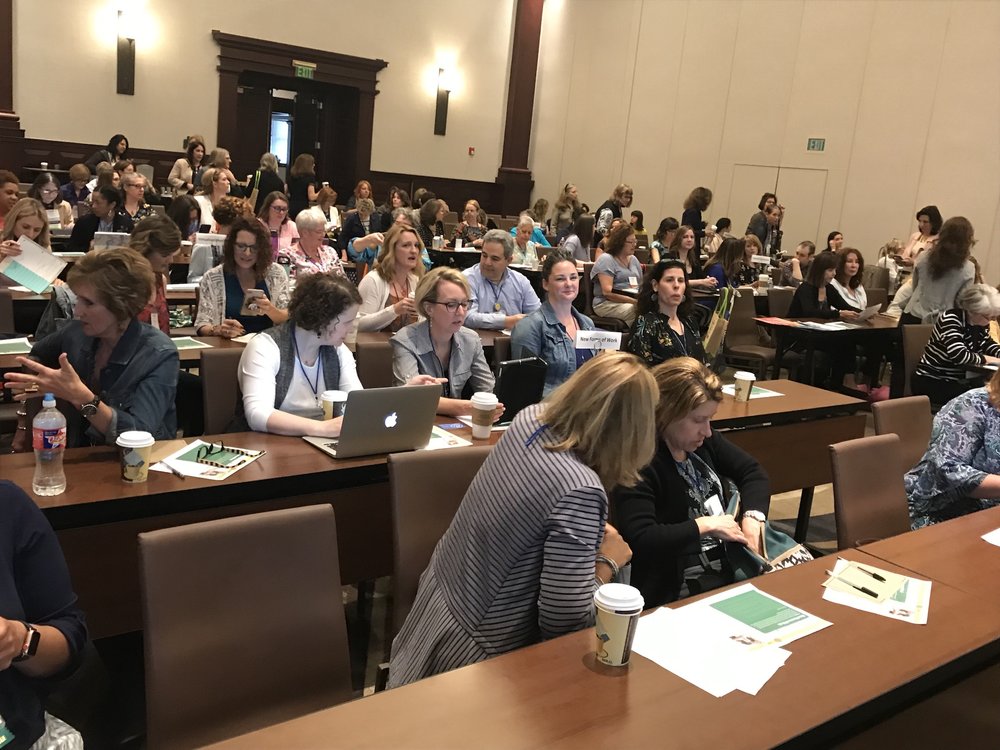
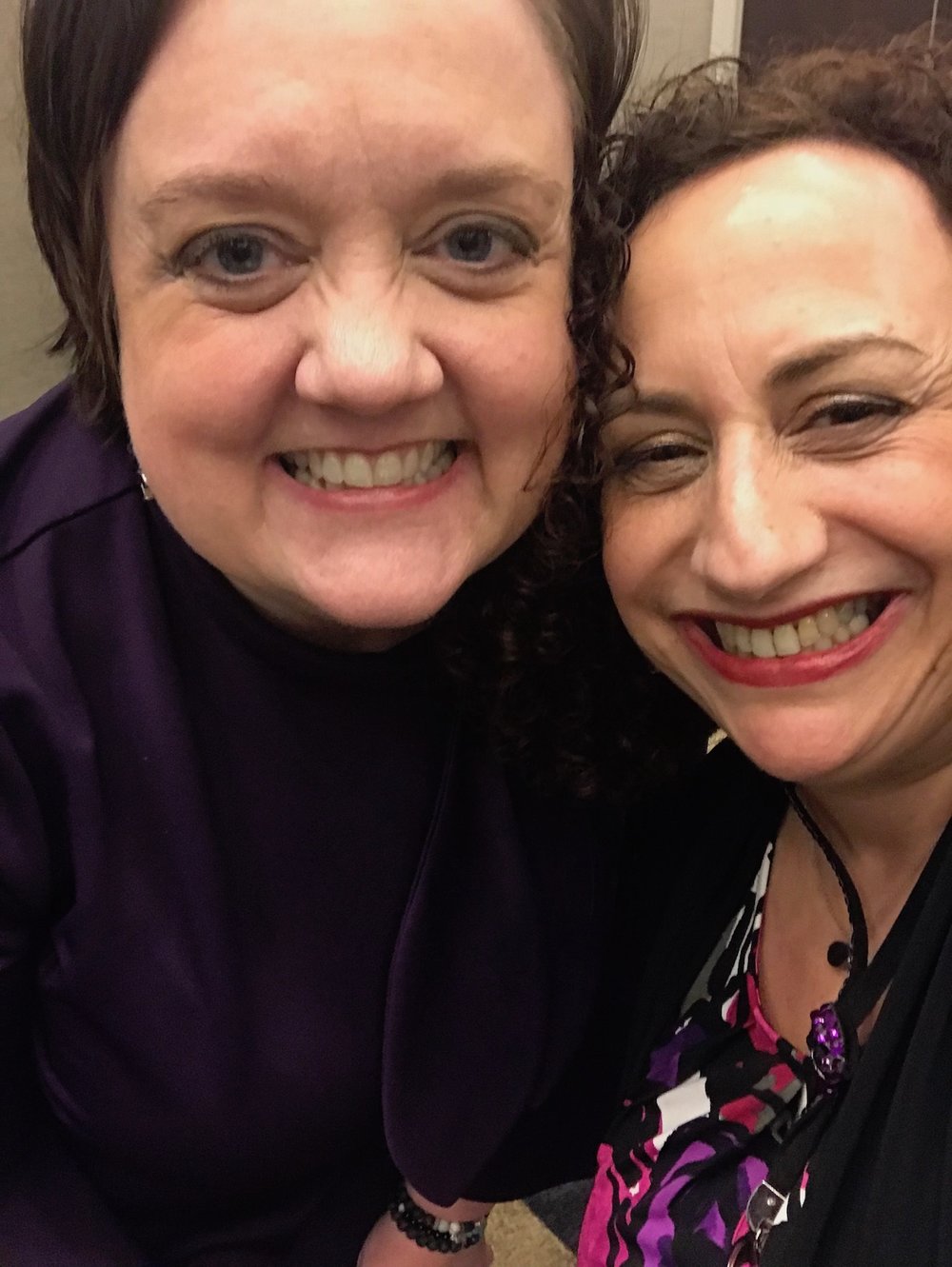
This past week, hundreds of professional organizers and productivity consultants from around the world gathered in Ft. Worth, Texas for the annual National Association of Productivity and Organizing Professionals (NAPO) conference.  I’ve been in this industry for 26+ years, and while I haven’t gone to every meeting, I have attended many.  It’s always exciting to learn new things, keep a pulse on the industry, hang out face-to-face with wonderful colleagues, and make new friends. The learning sessions are terrific, yet it’s often the conversations between the courses that I enjoy most.

The essential education this year for me was around letting go. That theme and message continued to pop up in unexpected ways. The lessons I came away with are ones that I hope will be helpful for you too. After all, letting go can be quite challenging so adopting other strategies and perspectives can ease the process and our stress. My deepest gratitude to my NAPO, ICD and other colleagues for teaching, sharing, and exploring these letting go lessons with me.

7 Surprising Letting Go Lessons

1. You Thought You Had a Plan

When I travel, I like to organize and get my arrangements set ahead of time. While I can be spontaneous, I’m more of a planner. So months earlier I had arranged my hotel, flights, and ground transportation for the NAPO conference. At 5:50 am, and five minutes before I was leaving my house for the airport, I received a text from Southwest Air saying they had canceled my flight. After my initial shock and a few choice words, I took a deep breath and realized that Southwest makes it very easy to rebook your flight, so no need to panic. However, for some reason, all of Southwest’s trips for that day and the next four days were either canceled or sold out. I searched for a new flight on a different airline. Delta saved the day. Within 15 minutes I had booked a later trip. In turn, I arrived later than expected, but I did get to the conference.

Letting Go Lesson 1:

Let go of the plan and revise it when you need to.

2. Get Out Of Your Way

One of the first sessions I attended was about future thinking or foresight. The “Drivers of Change” brief generated by ASAE and available to NAPO members, delves into various trends that could have an influence on our business in the next ten to twenty years. We looked at some of the broad categories but spent most of our time discussing and brainstorming in small groups about specific topics that were especially relevant for our industry. While I found it fascinating, I also recognized how challenging it was to think that far ahead. As hard as it was to future think, putting my mind in that mode generated some exciting possibilities.

Letting Go Lesson 2:

Let go of difficult to open the door to possibilities. 

3. The Research Says

Another session I enjoyed was the one describing the survey the NAPO research committee conducted. The information was hot off the press and not ready to be fully shared. However, one stat was particularly fascinating and relevant to the work I do with my clients. When asked the people surveyed how they preferred to manage the belongings they no longer wanted, 75% of them preferred to donate the unwanted and 48% preferred to give them to friends or family.

Letting Go Lesson 3:

Letting go is easier when we give our belongings to people that will use and appreciate them.

4. Take A Walk On The Wild Side

I loved the quiet one-on-one conversations with my colleagues that often happened during meals, like one of the planned evening dinners I had. When we arrived at the restaurant, they told us it would be a 45-60 minute wait since we didn’t have a reservation. Waiting didn’t bother us because the Stockyards were a lively neighborhood to explore. We meandered down the block looking at stores, taking in the sights and sounds, and happening upon the Coliseum, which housed a 100-year old rodeo. My friend, Lynne Poulton got very excited. After some recon, which included meeting a rodeo Hall-of-Famer who encouraged us to get tickets, we skipped dinner and spent the evening watching cowboys wrangle, rope, and ride. As they say in Texas, “Wee-haw!”  It was unexpected, impromptu fun and an evening I’ll never forget.

Letting Go Lesson 4:

Let go of supposed to in favor of flexibility as you might miss out on something truly spectacular.

5. Perfection Alert

Professional organizer aka stand-up comedian, Janice Simon presented an excellent workshop about resiliency. I loved her premise that making regular deposits into your resiliency bank will better equip you to handle life’s storms. She also shared that when you are going through challenging times, it’s important to adjust your expectations. Ask questions like, “What really needs to be done?”  Or “What can be cut back?” A quote she shared from Donna Smallin resonated with me. Donna said, “Done is perfect.” 

Letting Go Lesson 5:

Let go of perfection, especially when done is good enough.

6. There Is Always Room To Grow

Sessions featured workshops that addressed the chronically disorganized population. One of these courses was the panel of colleagues Alison Lush, Diane Thompson, Vickie Dellaquila, Carrie Cooper, and Gayle Gruenberg, of ICD (Institute for Challenging Disorganization.) They shared poignant stories about their clients and the process they went through to help them. The stories were emotional, and at points brought tears to my eyes. The creativity, compassion, generosity, helping spirit, and knowledge that these colleagues embodied are inspiring. What struck me most was they all went through as much learning and change as their clients did. In the process of working with their clients, these organizers learned to let go of their expectations, experiment with alternate organizing strategies, and trust in their clients’ wisdom and resourcefulness. As they let go, their clients stepped forward.

Letting Go Lesson 6:

Let go of being the expert and make space for the wisdom of others to emerge.

7.  Lean In To That Scary Stuff

The last session I attended presented by Nettie Owens was an inspiring (and way too short) workshop about reinventing your business. One of the questions she asked was, “What are you holding onto that is no longer serving you?” She then had us write on an index card, “What do I need to let go of?” along with our response below. I wrote, “doubt.”  Then she asked us to tear up the card, which we obediently did. Once torn, she implored us to toss the pieces up in the air. Think confetti flying. Being the organizers that we were, this made us viscerally uncomfortable. We didn’t want to make a mess that someone had to clean up. Understanding our demographic, Nettie acknowledged our challenge and insisted that we do it anyway. After a short deliberation, I took the plunge and threw my pieces as high into the air as I could. What a liberating feeling! As I tossed the papers, I felt my doubt dispersing too.

Letting Go Lesson 7:

Let go of the stuff that’s holding you back.

As I continue to think about my time away, I know that more letting go lessons will surface. However, in the effort to follow Donna’s advice of “Done is perfect,” I’m going to wrap things up here. Did any of these letting go lessons resonate with you? Have you experienced a different letting go lesson? I’d love to hear your thoughts. I invite you to join the conversation.