How to Find Your Balance During This Season

Holiday shopping, parties, and out of town guests…oh my! Those are some of the causes for our temporary disruption of balance and calm. Seasonal excitement and stress is evident almost everywhere I go. Some of us take off for the season to unwind and relax. No work or obligations. However, even the vacationers can experience holiday stress in preparation for taking time off.

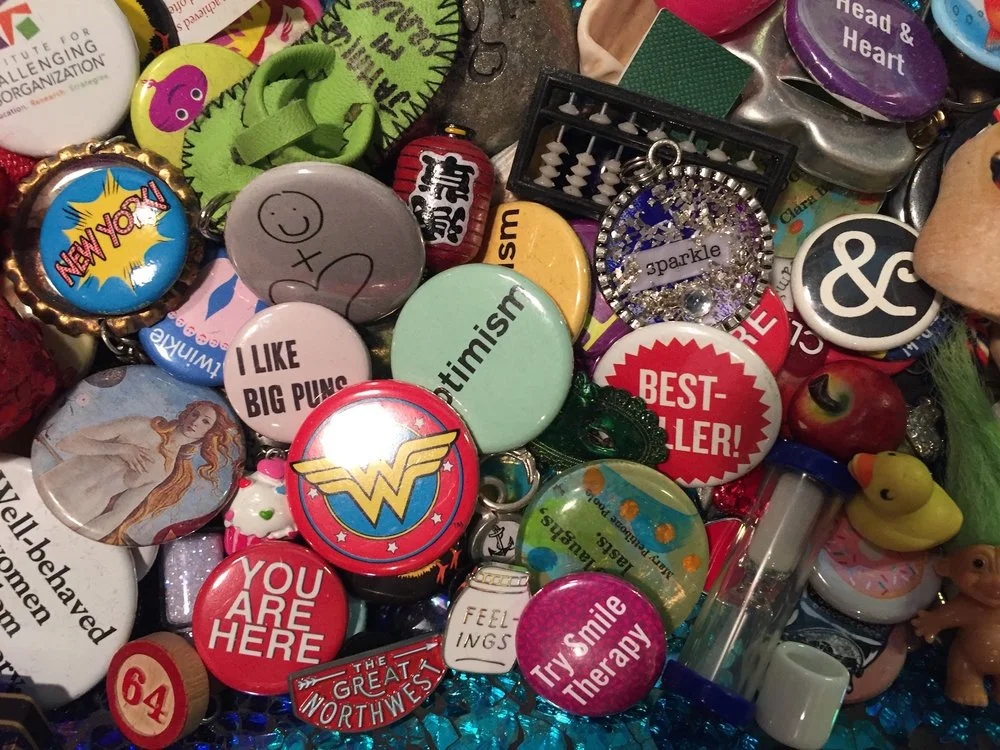
I began wondering about ways to find balance during this busy time of year. While I was pondering, my gaze became fixed on the bowl of fidgets on my desk. This collection of miniature toys includes reminders of attitudes, places visited, childhood memories and more. When working in my office, I’m accompanied by uplifting thoughts and tiny toys to play with.

It occurred to me, that some of the messages in my bowl were a great starting point for restoring balance and adjusting that holiday season perspective. Maybe one of these will be useful for you.

7 Ways to Find More Balance During the Holiday Season

1. Optimism
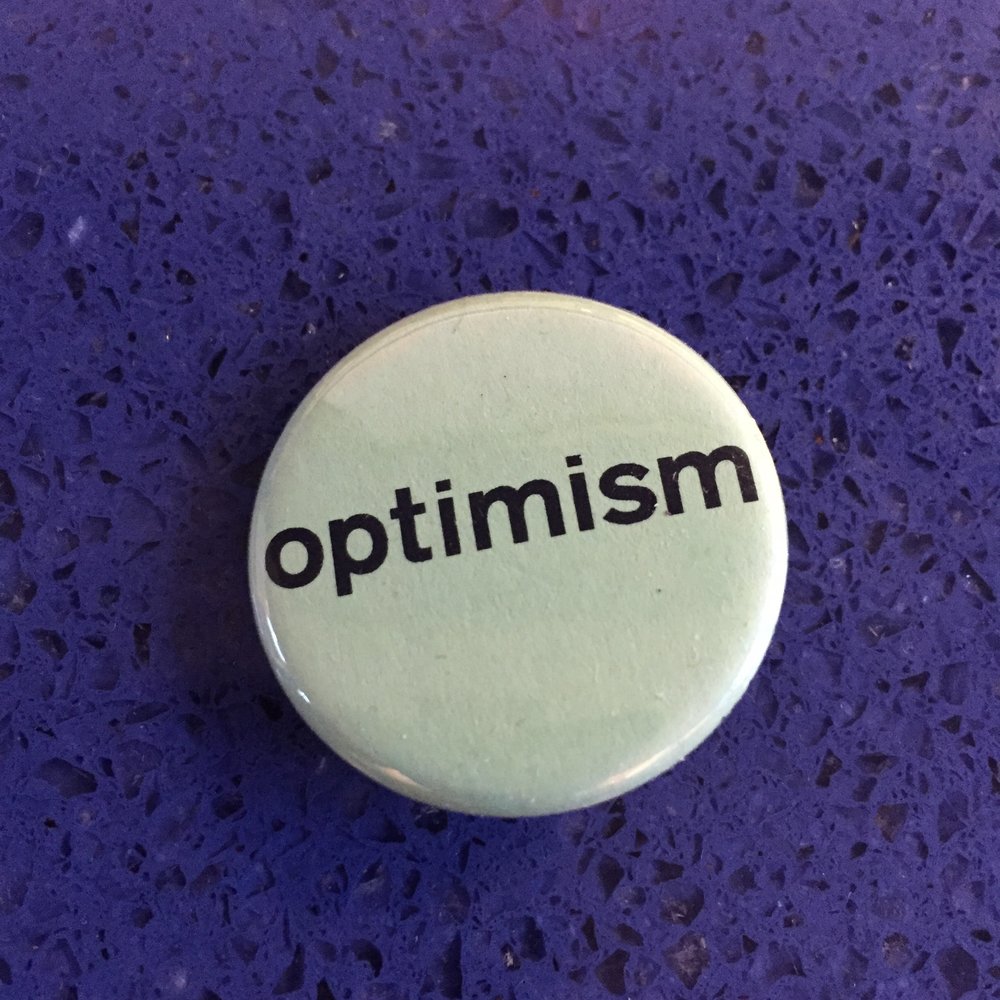
Is your glass half full or half empty? Where do you lean? Shifting your thoughts to positive outcomes and possibilities can counteract your seasonal anxiety and stress. What fills your glass?

2. You Are Here
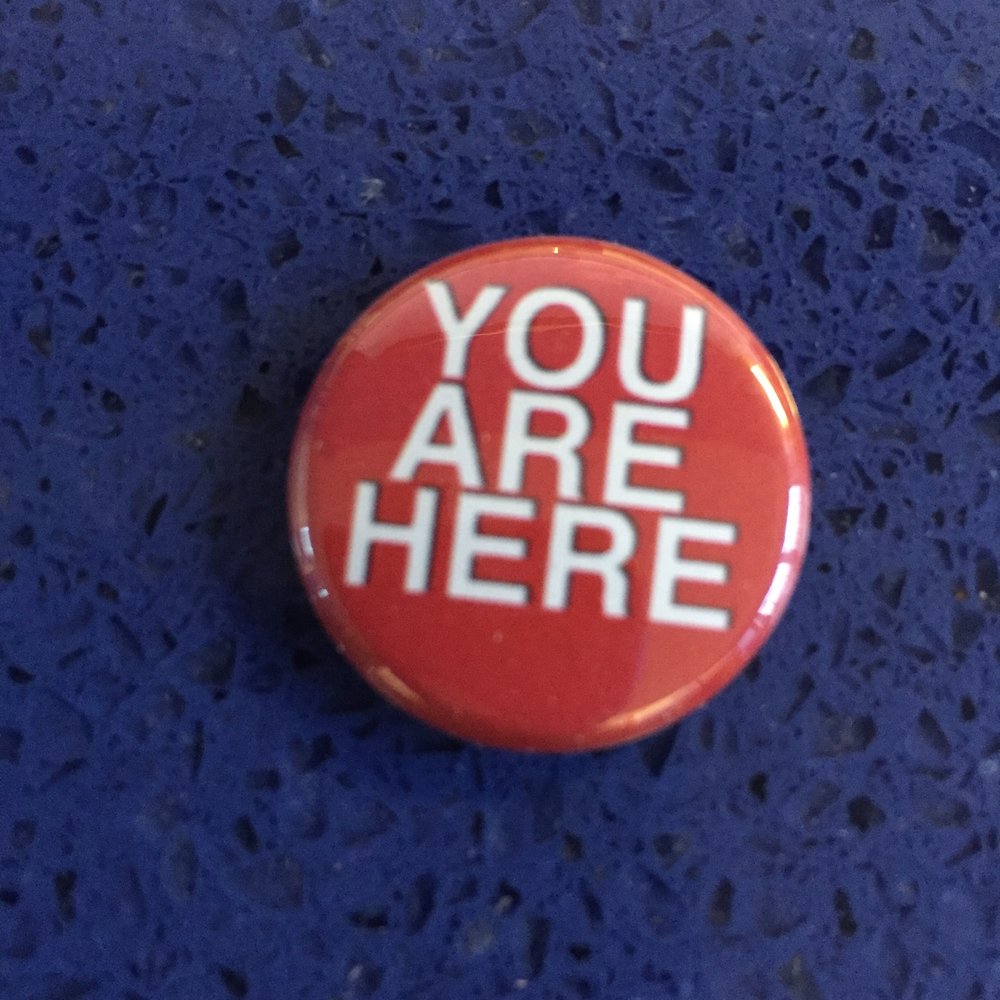
Locate yourself. Be present. Take in the moment that is now. Sit with it and appreciate where you are, whom you are with, and what you are sensing. Don’t past or future-think. Just be here.

3. WW

Access your Wonder Woman, superhero powers. These include superhuman strength, speed, durability, reflexes and longevity. Strike a Wonder Woman power pose and feel your balance, strength and confidence increase.

4. Try Smile Therapy

Smiling creates physiological changes in the body including lowering blood pressure, releasing endorphins and relieving stress. Have you tried smile therapy? Bring back some happy balance to your days by smiling your way through the holiday season. Watch some slapstick, put on your favorite comedy, or share a smile with a stranger. Mouth corners up!

5. Feelings
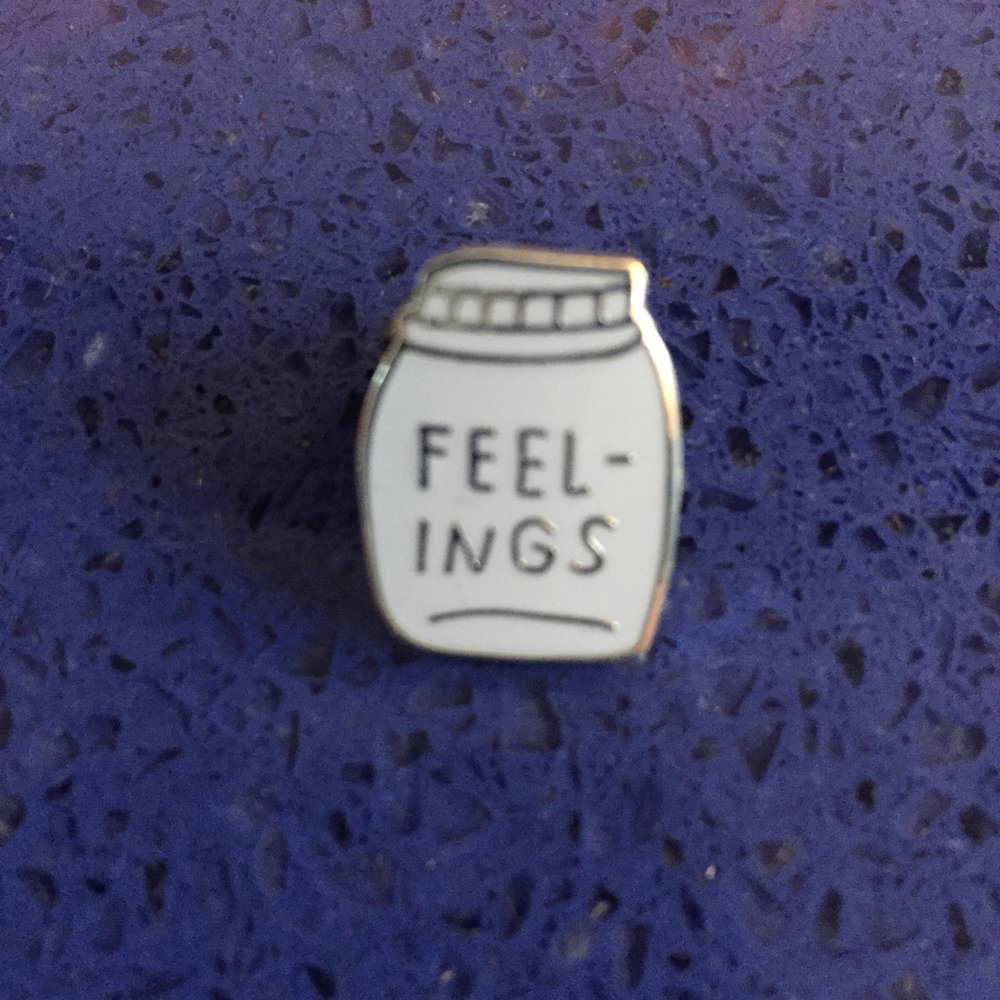
This can be a tumultuous time of year that brings about all kinds of intense feelings from happy to sad to angry to frustrated. Don’t judge your feelings. Acknowledge them. Feel them. They are temporary and will move on. Don’t let them derail your days.

6. I Like Big Puns

Humor is a wonderful way to re-balance a stressful day. There’s nothing quite as fun as laughing at silly jokes with your friends or family. My brother-in-law was visiting recently and showered us with his long list of puns and jokes. Even though I’d heard them many times before, I couldn’t help but laugh. How about this one? . . .

“I wondered why the baseball was getting bigger. Then it hit me.”

7. Sparkle
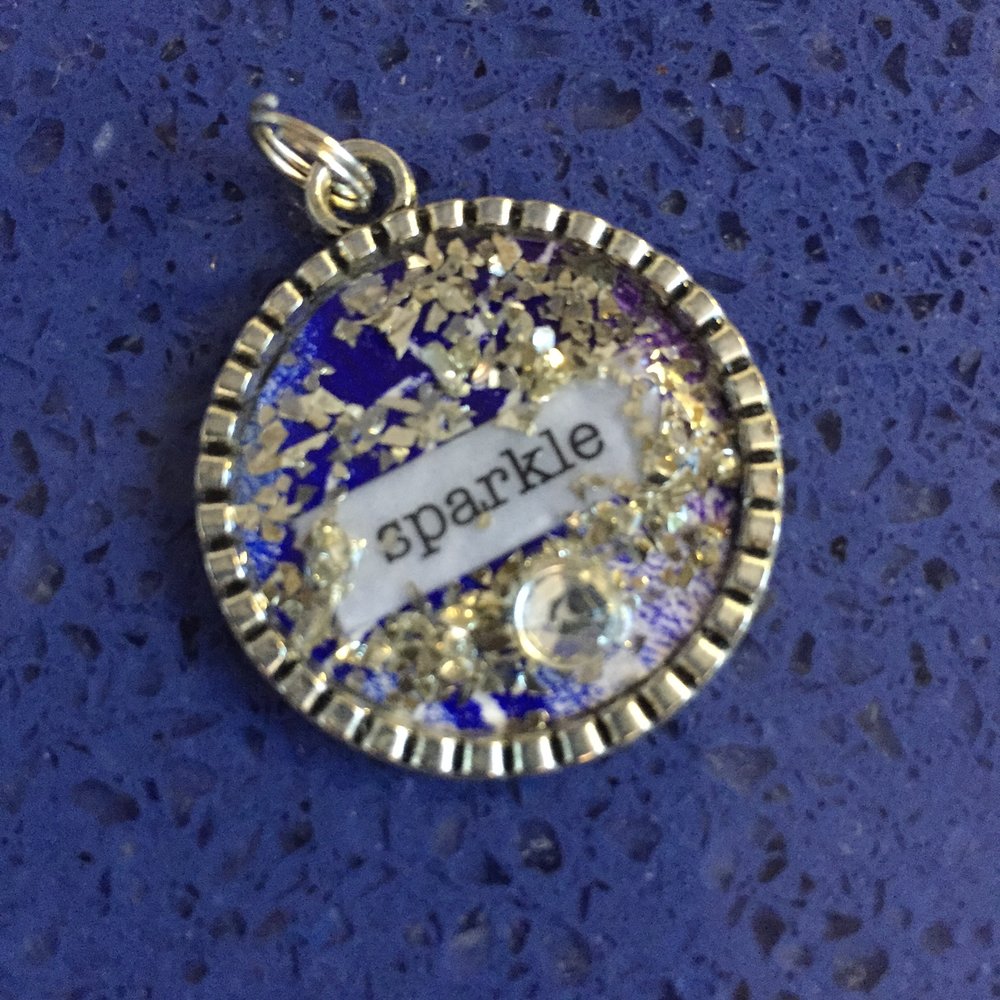
Let your inner sparkle shine, while appreciating the outer sparkle of the season. There’s more glitter and glitz this time of year. I love it! I’ll admit that I love a little sparkle all year long. Let the luminosity of the season remind us to focus on the bright spots. Take the path away from the frenzy towards the joy. Sparkle on.

Which items from my bowl of fidgets speak to you? What helps you bring some balance and perspective back to this full, busy season? I’d love to hear your thoughts. Come join the conversation.


 
 
Interesting Connection With Politics, Being Human, and Organizing Habits

With the Thanksgiving season upon us, thoughts of gratitude, family, friends, food, and love are usually the focus. While there has been some “turkey talk,” more of the conversations are politics-filled, especially because of the recent election. We are passionate human beings with varying perspectives and values. Our emotions are running high. While we wouldn’t necessarily view organizing habits and politics together, I had a conversation during a client organizing session, which made me think about the connection.

My client was telling me how much she valued working with me and then mentioned an excerpt from a recent White House Press Conference, which related to her thoughts. At the press conference, President Obama was referring to the President-Elect and talking about the importance of recognizing aspects of your temperament that will or will not serve you well as President. He said that recognizing and correcting for deficits are essential to being successful in that role.

Obama used the following example to express this idea and said, 

“…I know myself well enough to know I can’t keep track of paper. I am not well organized in that way. And so pretty quickly, after I’m getting stacks of briefing books coming in every night, I say to myself, I’ve got to figure out a system because I have bad filing, sorting and organizing habits. And I’ve got to find some people who can help me keep track of this stuff. That seems trivial, but actually it ends up being a pretty big piece of business.”

We all have strengths and challenges. Even the President needs help staying organized. Positive outcomes happen when we’re able to work from our strengths and enlist the right support for our challenges.

Uncertainty exists, especially in this tumultuous political climate. However, you can choose to embrace change with the things you have within your control. Are their habits that no longer serve you? Do you see an opening for change? What support do you need to move forward? If it’s organizing help that you desire, I’m just a phone call away. Reach out. Let me help you change your corner of the world.

I’d love to hear your thoughts. Come join the conversation.



Distractions, Wonderful Conversations, and Driving on Empty

One of the greatest joys in life is spending time with your loved ones. At least it is for me. There’s nothing quite like having shared experiences and some good old human, face-to-face interaction to strengthen our relationships and understanding of each other.  I had the chance to do just that on a recent a road trip with my husband, daughter and her friend. Car time is wonderful for conversing, sharing music, and enjoying each other’s company.

On this particular trip, aside from actively participating in the conversations, I was also the driver. While I was paying attention to the speed limit, traffic patterns, and road signs, I neglected to notice the gas gauge. I was so focused on dialoguing and driving, that I ignored a very important sign until it was too late…well, almost too late.

At one point my attention shifted when I noticed the yellow “out of gas” indicator light and the “zero miles remaining before the gas ran out” gauge. Fortunately, I saw the warnings right before an exit. Despite the fact that the highway exit sign didn’t indicate gas stations available, I opted to get off the highway. I thought, as did my passengers, that it would be better to run out of gas on the exit ramp than on the highway. As the story goes, there was a gas station located at the bottom of the exit. Phew! We pulled up just in time and filled the tank.

I felt stupid and embarrassed. This could have been inconvenient, not to mention dangerous. After berating myself, I had to let it go and move on. Mistakes happen. Focus shifts. No one got hurt. Our gas tank was now full. This experience left me thinking about distractions…as in in how many things can we effectively focus on at once? As it turns out, we can’t handle too many.

The moral of the story: If you have too many distractions and competing priorities, you may find yourself running on empty.

What distractions surprise you? I’d love to hear your thoughts. Come join the conversation!


9 Digital Overwhelm Challenges and Helpful Human Solutions
digital overwhelm challenges.jpg
In our fast-paced, always on world, it’s not difficult to access information. It comes at you at breakneck speed. Articles, blog posts, status updates, tweets- there’s never a shortage of ideas to consider.
— Lori Eschene, Tiny Buddha founder

We're humans living in a digital world. Having 24/7 access to our technology can make us feel overwhelmed, stressed, challenged to prioritize what’s most important, and un-motivated to move forward.

By identifying some of the sources and challenges of our digital overwhelm, and by learning how to better manage them, we can increase our sense of well-being, motivation, and focus. Some of the overwhelm sources include our digital devices like our smartphones, laptops, and desktops. The addictive nature of those devices lure us with their unlimited access to emails, texts, Internet surfing, social media communities like TwitterFacebookLinkedIn,Pinterest, Instagram, and YouTube. There’s no shortage of digital accessibility vying for our time and attention.

Common digital overwhelm challenges include:

  • Interruptions - We can be working productively and suddenly get interrupted by our phone vibrating, an email alert dinging, or a new text message buzzing. We find it difficult to ignore these distractions. We check, we respond, we lose our focus, and it takes time to get back to what we were doing.

  • Difficulty Prioritizing & Focusing – In the article “Is Modern Technology Creating a Culture of Distraction?” Mathew Ingram asks the question, “Are modern devices and digital conveniences making us more distracted and less able to concentrate?” The constant barrage of continual digital input and easy accessibility makes it increasingly difficult for us to prioritize and focus on what’s most important.

  • EndlessJudith Kolberg, organizer, author and industry-futurist, writes about the concept of “endless” in her book, Getting Organized in the Era of Endless. She says that there’s an endless quantity of information, endless availability, and endless accessibility. This is juxtaposed to a finite amount of time. Choice becomes essential. Judith suggests placing parameters around endless so that we can prioritize and make better decisions.

  • Addiction & Reward – Researchers from a University of Chicago study found that "tweeting or checking email may be harder to resist than alcohol,” and that “social media was ‘more addictive’ than cigarettes.” According to a post by Buttoned Up,we are rewarded with feelings of “belonging and significance” when we respond to our digital devices. Responding makes us feel good and this adds to the addictiveness.

Are these challenges familiar? If so, experiment with strategies that will reduce your overwhelm and re-focus your energy.

Solutions for managing digital overwhelm include:

  • Establish Boundaries – Information and demands to engage are coming faster and in larger quantities than ever before. Be clear and selective about what you will and won’t do. Align your "yeses" with your values and priorities. Have your “no” statements prepared. For example, you might say- “No, I’m not going to text while I’m having dinner with my family.” “No, I’m not going to engage in social media until I finish my report.” “No, I’m not going to check my email every 5 minutes.” “No, I’m not going to . . ."

  • “Ding Management” – Reduce the sounds, alerts and pop-ups that we’re wired to respond to and find extremely hard to resist. When you need to focus, turn off your alerts. I’ve opted to turn them off permanently. There are also apps and programs like Freedom, Focus, and Self Control that enable you to lock yourself out temporarily of "rewarding" programs like email and social media sites. Here's a recent review of Self Control to give you an idea of how these types of programs work.

  • Digital Blackouts – Getting "unplugged" has become a cottage industry with detox retreats, digital diets, and unplugging-themed conferences. I've noticed that more people are taking personal digital blackouts on certain hours or days. They get a mental break to unplug and focus 100% of their energy on their friends, family, or non-tech activities. If the thought of unplugging makes you anxious, try it for a short duration and build from there. In the New York Times article, “The Risks of Parenting While Plugged In,” one mom blogger who decided to establish a personal daily email and Internet ban between 4-8pm said, “If I’m at all connected, it’s too tempting. I need to make a distinct choice.” Her kids were thrilled.

  • Green Breaks - Ever-present technology is designed to constantly pull our attention that can lead to mental exhaustion, overwhelm and burnout. Scientists, like cognitive psychologist David Strayer, Ph.D., agree that nature restores mental fatigue and increases creativity. Take a walk in the woods, sit under a tree, or dip your feet in the river. Unplug from your devices, go outside, and feel the positive affects on your well-being.

  • Slow Down – Don’t buy into the 24/7 busyness and access. Decide to slow down and enjoy human, face-to-face people interaction, outdoor activities or, leisurely meals with your family or friends. Take time to renew, recharge, and shift your pace. One of my favorite posts, "The Elegance of Slow" by DeeAnne White, is a wonderful reflection about the benefits of indulging in non-tech, leisurely time.

I’d love to hear about your digital overwhelm challenges and solutions. What have your noticed? If you're curious, ask me my "ding management" experiment. Come join the conversation.