How to Unlock Gigantic Gifts in What Makes You Sad

Let’s face it. Life gives us an abundance of wonderful, which gets served along with the not so wonderful. Intrinsically I understand that if things were only good, without any challenges, we wouldn’t fully grasp gratitude. It’s in the diversity of experiences and feelings that we appreciate what it means to be human.

Recognizing this doesn’t make it any easier to handle loss, sadness, grief, and struggle. Our challenges add necessary layers to life that provide possibilities for growth and perspective shifts.

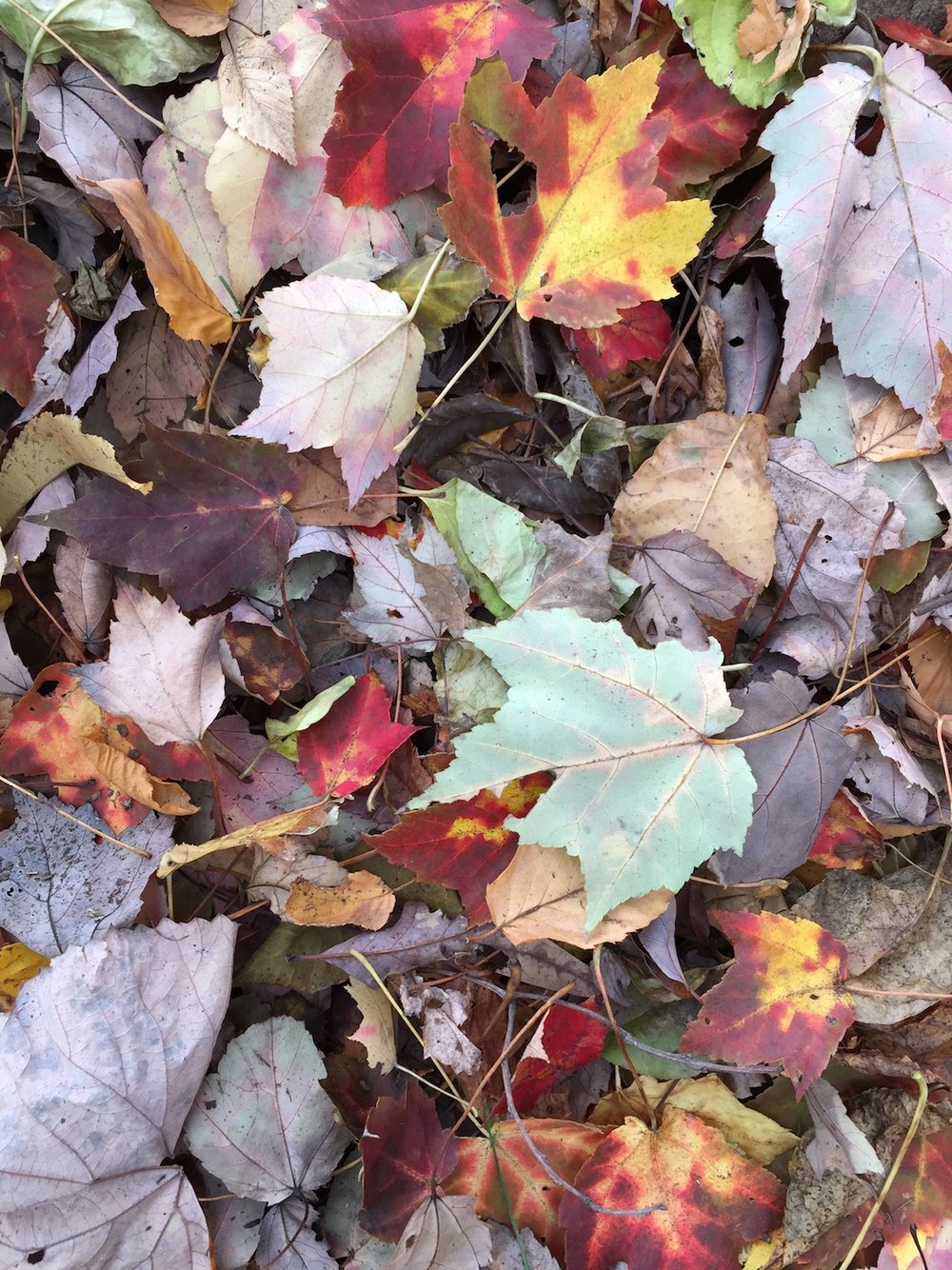
Each autumn when the leaves whither and drop to the ground, I feel sad and a sense of loss. These feelings intensify as the trees become bare and the landscape colorless. The part of fall I love most is when the foliage is showered in vibrant reds, oranges and yellows.

Recently, I mentioned this feeling of “fall sadness” to one of my friends. Instead of her agreeing with me, figuring that we shared this sentiment, she expressed that fall was one of her favorite times. She loved seeing the empty trees. The simplicity let her distinguish the branch and tree trunk shapes, patterns, and negative spaces formed against the sky.

What a gift she offered me! Her observations made me consider fall differently. Maybe the emptiness will help me see past the colorful distractions so I can more easily examine structures and foundations that need to be repaired.

While I’ll always prefer bursts of color to neutral palettes, I’m curious to try this new perspective. The absence of color and adornment will be my cue for securing foundations. With an unobstructed view, I can adjust the basics and prepare for growth.

What's possible for you? What ways help you approach transitions? I’d love to hear your thoughts. Come join the conversation.



What Happens When You Leave Worry as a Last Resort?

We’re all human, which means that worry is an inherent part of who we are. Some of us worry more than others, don't we? Perhaps that’s how we were born (nature), or maybe it’s due to how we were raised (nurture), and more likely it’s a combination of both.

There’s certainly plenty to worry about. We worry about the weather, the future, the past, what other people are doing, or not doing. We worry about our friends and family, our weight, our health, our schedules and appointments, being late or on time, and whether we have full or empty plates.

We worry about the things we have control over and those we don’t. We worry about what might happen and what didn't. There’s no shortage of things we worry about.

One of my favorite phrases that my Uncle Lew says is,

“Let’s leave worry as a last resort.”

I love his philosophy that we don't have to rule out worrying altogether, but let’s focus on the positive and only pull out the worry card if absolutely necessary.

In The Worry Cure by Robert Leahy, Ph.D., he cites one study where

“. . . worriers were asked to write down their worries over a two-week period and predict what would happen. In fact, 85 percent of the actual outcomes were positive.”

When I was in Toronto last month for the POC conference, I explored one neighborhood that was filled with artistic graffiti. I came across the “Don’t Worry!” sign spray-painted on one of the buildings. I loved the strong message.

On my desk, I have a small purple eraser from the whimsical office product company, Poppin. On the eraser, printed in white letters, it says,

“Work happy.”

So I leave you today with these thoughts: Let the worries flow elsewhere and allow the happy to come your way. I’d love to hear your thoughts. How do you manage worry and happiness in your life? Come join the conversation.


How Authentic Decisions Lead to Growth and Possibilities

We need self-trust in order to make decisions. When we make choices using our best, authentic self we have the opportunity to grow and seek exciting possibilities. Having just returned from the Professional Organizers in Canada (POC) conference in Toronto, I noticed a theme of decisions, growth and possibilities during my journey.


Colleagues

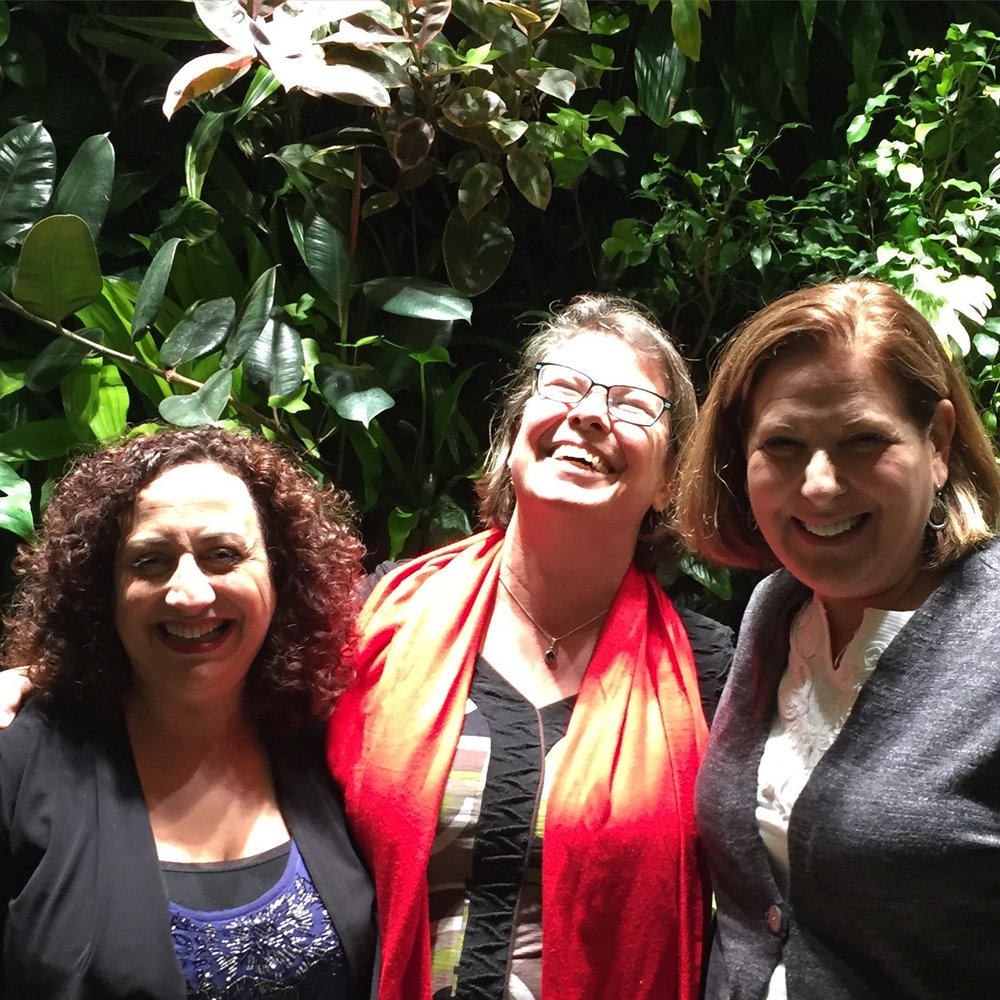
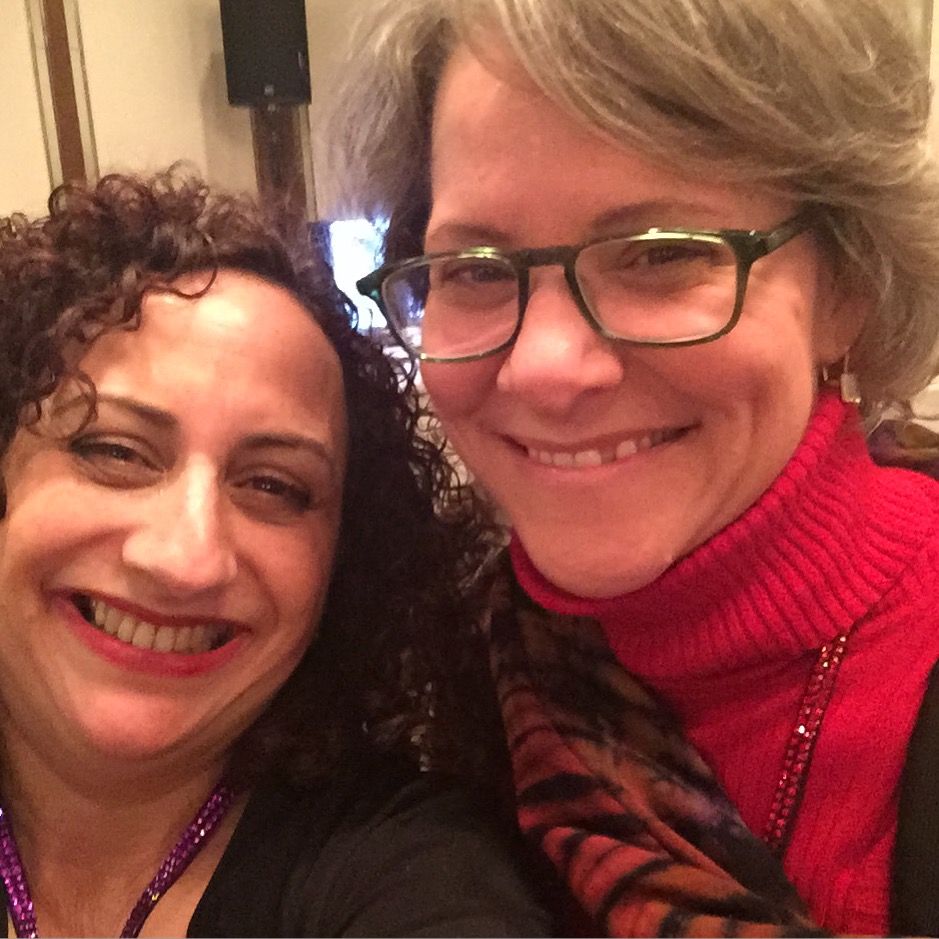
Colette Robicheau, Linda Samuels and Karen SencichOver 22 years ago, I decided to become a professional organizer. Because of that decision, I’ve had the opportunity to develop wonderful relationships with my organizing colleagues. When I was in Toronto, I conversed, laughed, and learned with some of my long-standing and new colleagues from Canada and the United States. While classroom settings are fine, there’s something special about the impromptu learning that happens when engaged in direct conversations. In addition to the colleagues I featured in the following paragraphs, I also treasured the lively conversations I had this week with Colette Robicheau, Karen Sencich, Marie Potter, Leslie Josel, Regina Lark, Georgina Forrest, Jennie Vlietstra, and Christine Janes.


Leaders

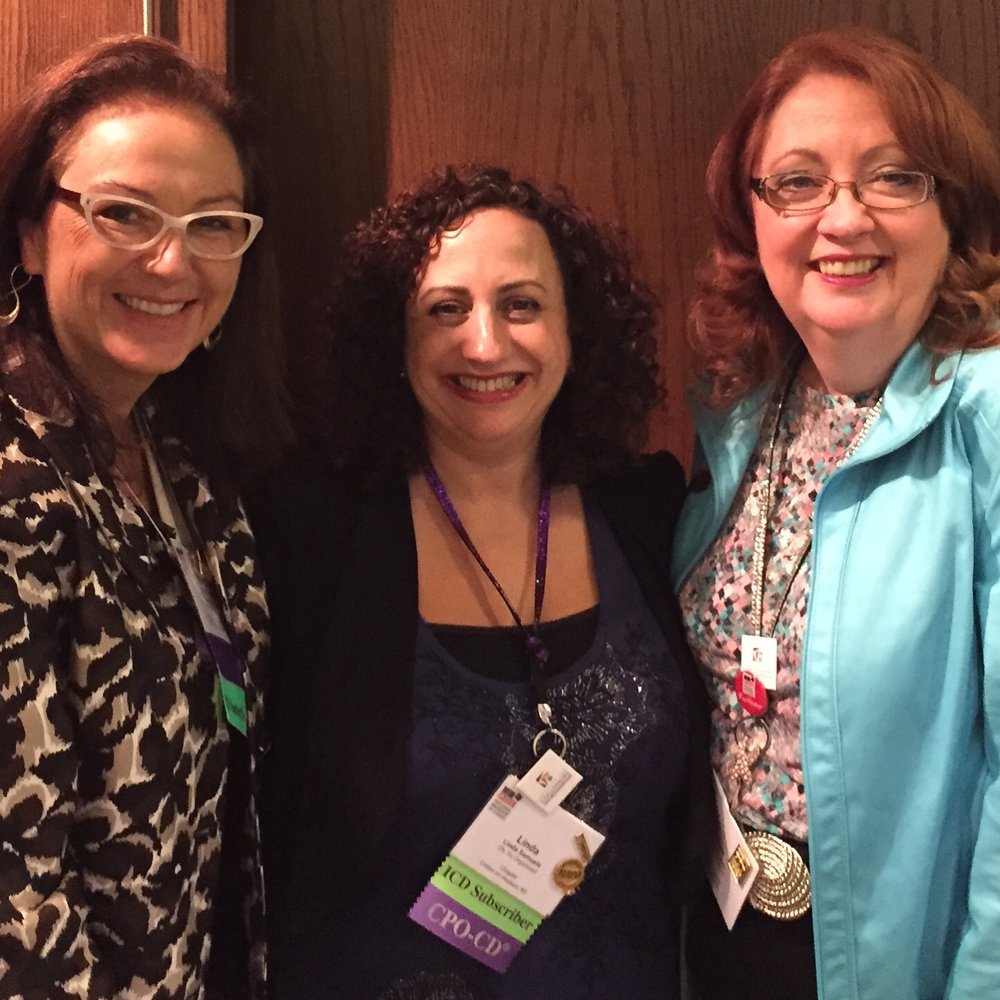
Linda Samuels, Stephanie Deakin and Ellen FayeOne of my greatest joys in Toronto was spending time with POC, NAPO, and ICD leadership. Making the decision to accept a leadership role as ICD President has given me a seat at the table with some of the most brilliant, compassionate leaders in our industry. There’s nothing more growth and possibility provoking than talking with inspiring leaders like Stephanie Deakin, POC President and Ellen Faye, NAPO President. It's been so rewarding to connect with them at our industry conferences. Congratulations, Stephanie on your successful conference! What a fun, engaged group.


Social

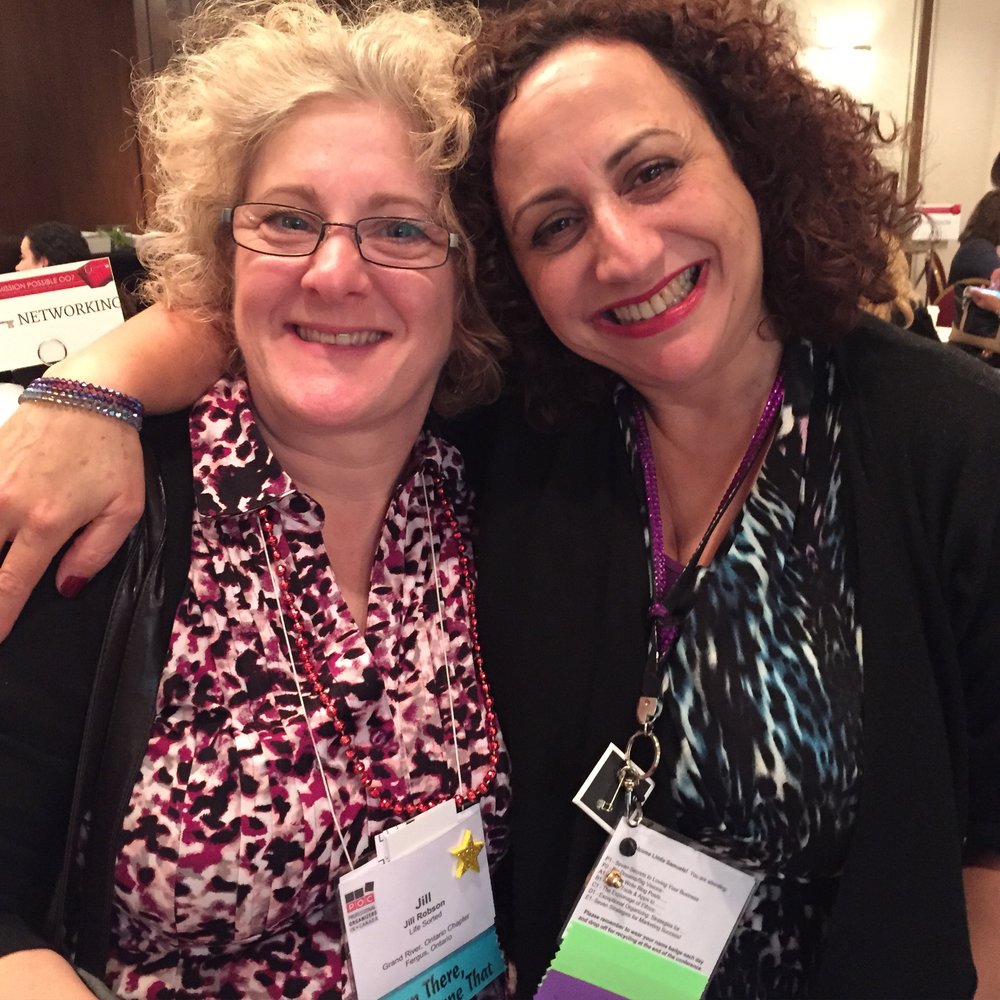
Jill Robson and Linda SamuelsNo matter how we connect with people, there’s always a social aspect. In the case of one particular group, our connections began through social media and blogging. My decision to join this community about five years ago brought me in contact with wonderful people from all over the world. At the POC conference, I had the opportunity to mesh the virtual with actual by having a chance to see some of my Canadian friends in person like Jill Robson (first time ever!), Heather Burke, and Janet Barclay. There’s nothing quite so special as being face to face. What amazing conversations we had (this time in person) about family, organizing, blogging, mindfulness and more.


Possibilities

Laurene Livesey-Park and Ruth Betz-EssingerAside from my choices that resulted in growth opportunities and enhanced my possibility thinking, I wasn’t the only one making positive decisions this week. When it was announced at the annual meeting that there weren’t enough POC Board members as per the Bylaws, three POC members stood up to self-nominate. This ignited the energy in the room. The volunteers that stepped up made choices that will bring positive results and possibilities for POC and for them individually.


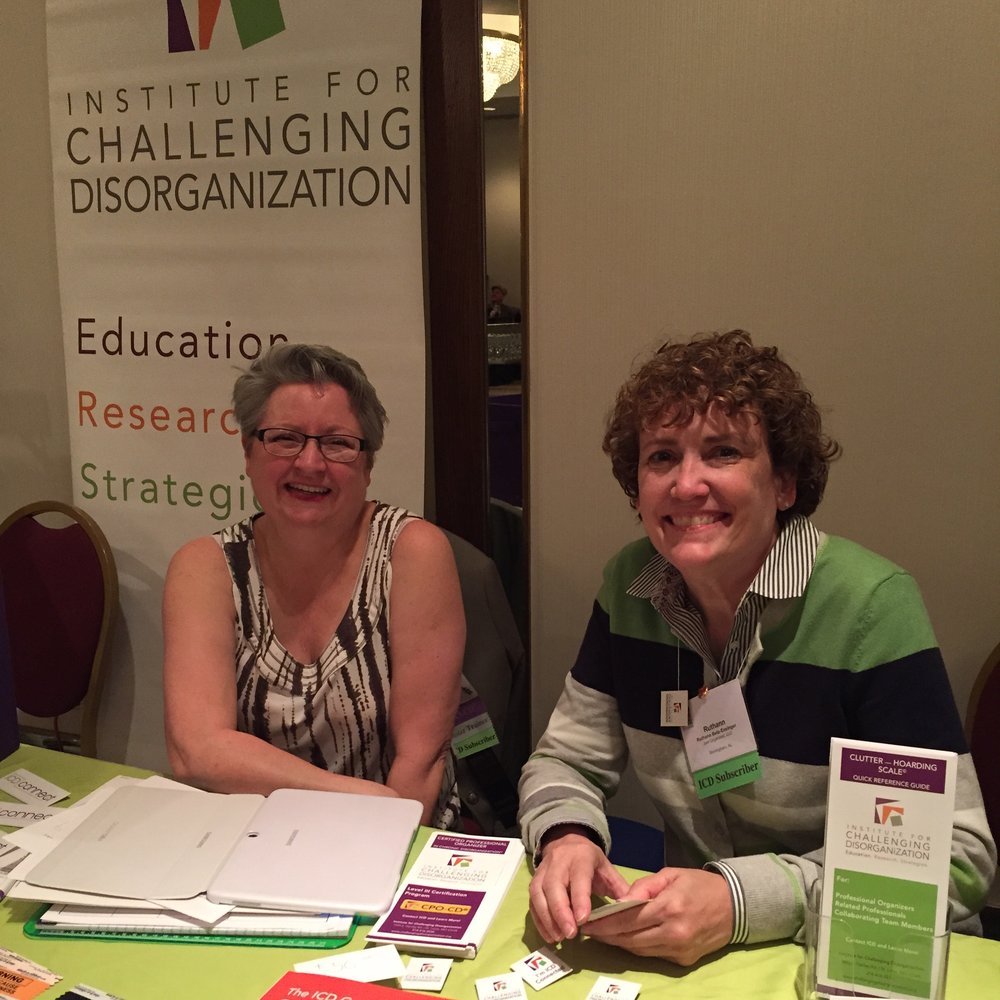
Linda Samuels and Alison LushIn addition, there were many POC attendees that wanted to learn more about ICD’s education about chronic disorganization. At the Expo, the ICD booth had lots of enthusiastic visitors. For ICD’s Basic CD class, the room was packed. As a result, many POC members decided to join ICD, take teleclasses, research info on the ICD website, and purchase publications. They’ve made education a priority so they can better help and understand their chronically disorganized clients. Special thanks to Ruthann Betz-Essinger, Laurene Livesey-Park, and Alison Lush for talking with potential ICDers, organizing the ICD booth, and helping with the class. It was a bonus to have time to hang out with you!


Making authentic decisions based on what we value leads to growth, opportunity, and possibilities. What have you noticed about decision-making and possibilities? I’d love to hear your thoughts. Come join our conversation.


Importance of Unplugging for Possibility Perspective

I’m heading to Toronto this week to attend the Professional Organizers in Canada (POC) conference. I’m looking forward to traveling, learning, seeing colleagues and meeting new ones. Mostly, though, I’m excited about the possibilities and new ideas that traveling inspires.

For this week’s post, I offer you a single idea to enjoy and ponder. A quote I collected a while ago was relevant to this month’s possibility thinking theme. For you . . .

Almost everything will work again if you unplug it for a few minutes, including you.
— Anne Lamott

What becomes possible when you unplug? I’d love to hear your thoughts. Come join the conversation.