
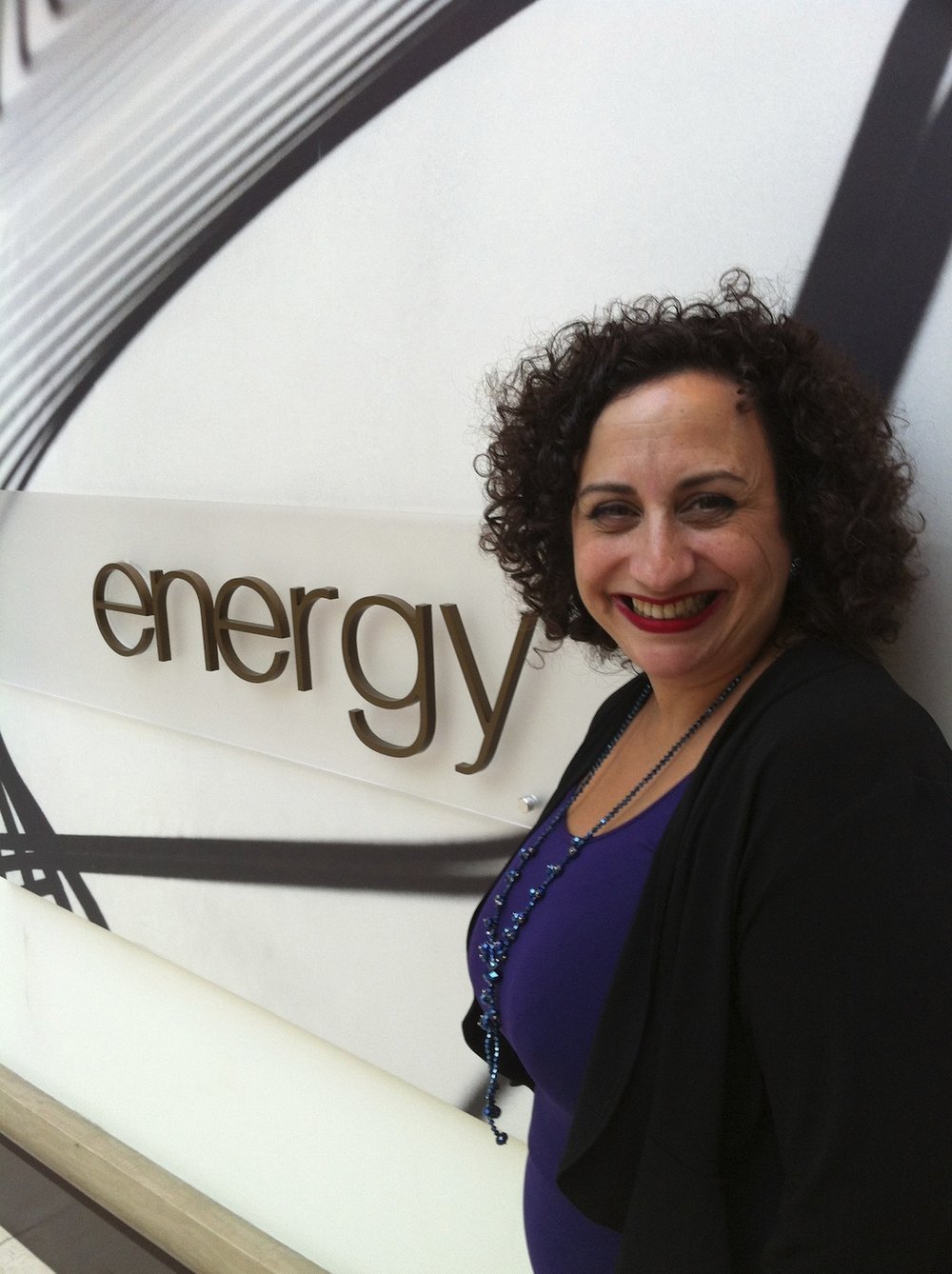
 Do you ever feel stuck? Maybe you’re so over-scheduled that it’s difficult to think beyond that. Maybe life is moving along without any change or challenge in sight. One thing I’ve noticed is that when we remove ourselves from our daily routine, it’s amazing how our minds open up. We’re more likely to explore new ideas, meet new people, experience new places, and be open to possibilities.
I’ve been traveling more this year. While that presents some time management challenges, it’s also been really stimulating and energizing. I can feel the growth and expansion of a possibility mindset.
St. Louis
 Being on the ICD (Institute for Challenging Disorganization) Board includes traveling four times a year to St. Louis for our board meetings. My last trip was in July, which was my first time running our meeting as President. I’m heading out again this weekend for our October Board meeting. Talk about possibilities! I get to work with an amazing group of smart, passionate, and talented colleagues that love ICD as much as I do. We spend our time together thinking strategically about all things related to ICD and chronic disorganization. We also have fun along the way.
Nashville
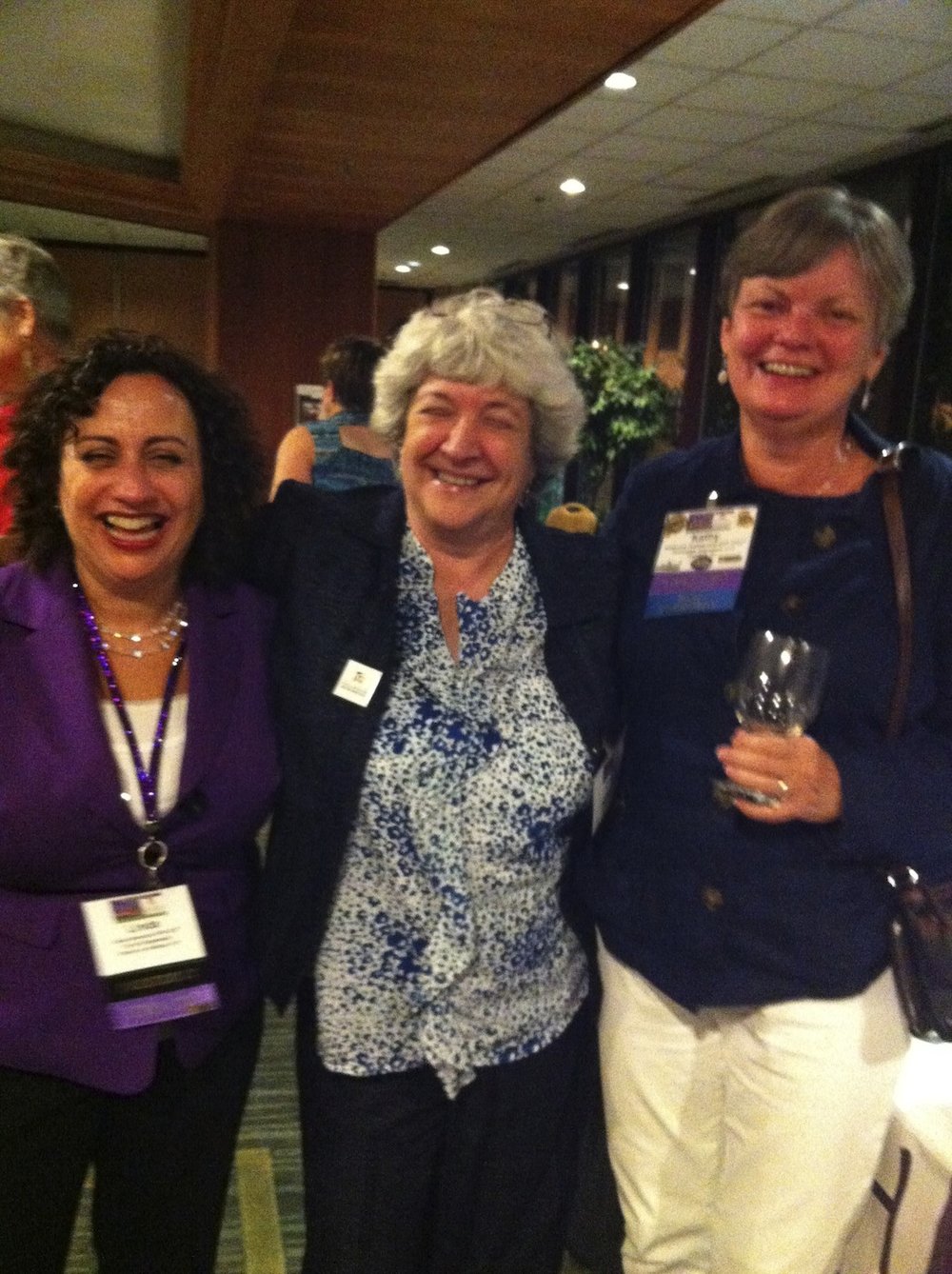 Linda Samuels, Judith Kolberg, and Kathy Trezise at 2014 ICD ConferenceICD held it’s annual conference in Nashville last month. There were lots of firsts. My first time in Nashville, my first time attending conference as President, and my first time presenting at the Awards dinner (that’s a whole other story!) It was an incredible conference. I learned a lot from the speakers, my colleagues, and about myself. I got to hang out with many friends from around the world and made new ones too. When you get that many professional organizers and related professionals in a room, guess what happens? The room is a buzz with ideas and possibilities. It was wonderfully contagious energy.
Las Vegas
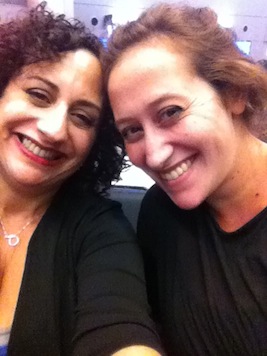 Linda Samuels with daughter, CassieRight after Nashville, I had a short time back in New York and then flew to Las Vegas to work with a long-time organizing client. This time, our youngest daughter, Cassie, came with me. I worked while she relaxed. It wasn’t all work though. We also had some nice mother/daughter time. Between the flights and the pool I got to think about possibilities.
Aside from all the thinking time that travel affords, it’s also great for strengthening relationships and forging new ones. For me traveling is about possibilities, creativity, and connecting with others.
What’s Next?
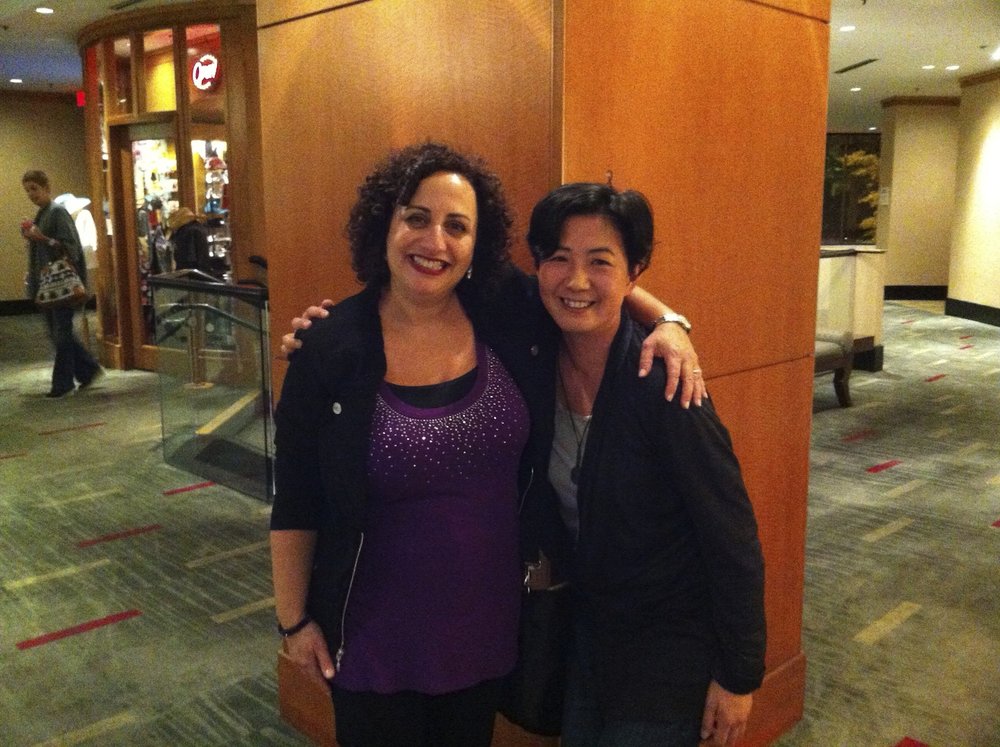 Linda Samuels with Nina Saeki, VP of JALOOnce I return from St. Louis, I’ll be flying to Calgary to attend my first POC (Professional Organizers in Canada) conference. In December I’ll be traveling with my husband to Japan to speak at the JALO (Japan Association of Life Organizers) conference. I’m excited about the possibilities that come from exploring new places and connecting with people.
Are you open to possibilities? What’s next for you? I’d love to hear your thoughts. Come join the conversation.