
 Fortunately for us, we have the ability to perform multiple roles. When it comes to “help,” sometimes we are on the giving and other times on the receiving end. In my book, The Other Side of Organized, chapter eight is about enlisting help. Why did I choose to write an entire chapter on this topic? Many individuals are challenged by the organizing piece in their lives. Along with that struggle, they feel uncomfortable asking for help. Through writing, I hope to alleviate some of that conflict by reframing how we think about it.
At first glance, as a parent, wife, daughter, sister, aunt, friend, volunteer, solopreneur, professional organizer and author, I more often view myself in the giving rather than receiving role when it comes to help. But as I examine this more closely, I realize that every time I am the giver of help, in return I receive help in the form of growth, understanding, satisfaction and more. When I actively enlist help, I get the benefit of another person’s focus, expertise and compassion to assist me in an area I struggle with. When looked at this way, help becomes a two-way street. In the best cases, both parties benefit from the exchange.
You might be organizationally challenged to the degree that it’s having a negative impact on your daily life, your relationships or your job. You feel frustrated because you’ve tried to get organized on your own many times, but are dissatisfied and unsuccessful with your efforts. Perhaps this has been a long-term challenge of months, years or decades. By reaching out for the right type of help from a professional, family member or friend, you will not only be receiving assistance, but you will most likely be helping the other person in exchange. The helper in return may become more compassionate, creative, motivated and inspired. Who knew that asking for help was actually a gift to the other person?
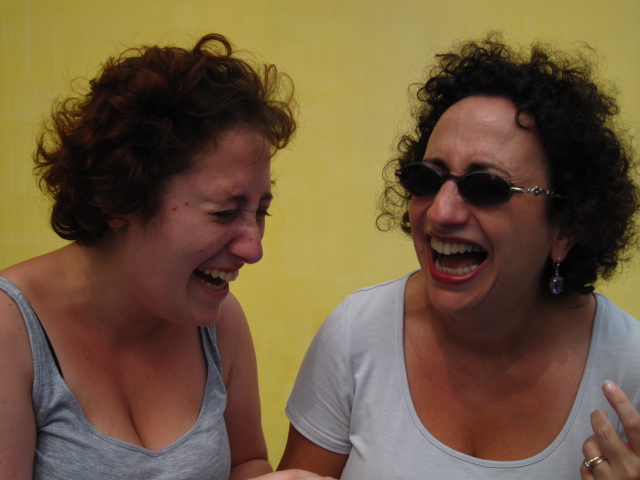
As the summer is nearing its end, much of my time has shifted to helping our youngest daughter organize and prepare for going off to college. We’ve been going through all of her belongings and memorabilia to decide what stays home, gets released or goes with her to school. I am most definitely helping her to organize. But in the process of going through the 18 years of school work, photos, essays, cards, clothes, games, books and more, Cassie is most definitely helping me to prepare for this next phase of my life. She’s giving me the chance to relive some wonderful memories of her growing up, laugh a lot about things I’d forgotten, shed a few tears, enjoy seeing how much she’s grown and assist her mom through this transition.
So, in helping her, my girl is helping me. It’s a beautiful two-way street.
I’d love to hear about your giving and receiving experiences!