



Having just returned from Wisdom 2.0’s fantastic one-and-a-half-day Mindfulness in America summit in New York City, my head is swimming with the depth of conversations, ideas, and emotions I heard and felt. About 600 people attended from all over the United States and other countries, including China, Canada, and Ukraine.
The speaker lineup was incredible, featuring dynamic leaders in the mindfulness movement such as Jon Kabat-Zinn, Tara Brach, and Soren Gordhamer. The conference covered a wide range of perspectives on mindfulness, including its relevance to the military, healthcare, prisons, politics, sports, social justice, communication, and personal growth.
The possibilities and ways that mindfulness is percolating in our society are exciting. The sessions were mostly interview-style, with some group mindfulness meditations sprinkled throughout. When Karen May, Vice President of People Development at Google, interviewed Chip Conley, hotelier and author, about cultivating and harnessing wisdom, she used the phrase, “pulling back the curtain on what’s possible.” Her idea encapsulated my overarching takeaway.
Practicing and integrating mindfulness helps us remove personal barriers so we can be more open, present, and engaged in each moment. We pull back the curtain on our true selves. We become more available and clear for the possibilities that arise.
Here are some highlights from my conference.
Jon Kabat-Zinn

About two years ago, I took an 8-week MBSR (Mindfulness-Based Stress Reduction) course created by Jon Kabat-Zinn and led by Laurence Magro through the Eileen Fisher Learning Lab. It was life-changing.
Since then, I’ve integrated a daily mindfulness meditation practice and started living more mindfully. I’ve read many of Jon’s books and practiced with his meditations. Jon opened the Mindfulness Summit and led us in a beautiful group mindfulness meditation.
One of my favorite conference experiences was meeting him in person and having a brief conversation. He was gracious, encouraging, and present.
Soren Gordhamer
Wisdom 2.0 founder and creator of the Mindfulness in America summit, Soren Gordhamer, suggested that engaging in mindfulness creates a “field of presence.” This is a gift we can give others in any situation as we listen and interact.
Soren encouraged us to give our attention to the speakers instead of getting distracted by our digital devices. The presenters would sense our focus, creating a more welcoming environment for them to share their personal stories and ideas.
Chip Conley and Karen May

I loved Karen May’s interview with Chip Conley and their conversation about cultivating and harnessing wisdom. One of Chip’s tools for growing wisdom is writing down what he’s learned each week. His positive ideas about aging included recognizing patterns and listening to your intuition more easily.
Chip said that, as someone who mentors and consults, he often listens with his eyes closed to enhance his “full body listening.” He also described himself as a “modern elder” and is about to launch the Modern Elder Academy, which is devoted to helping people navigate midlife transitions.
Mark Bertolini and Dan Harris
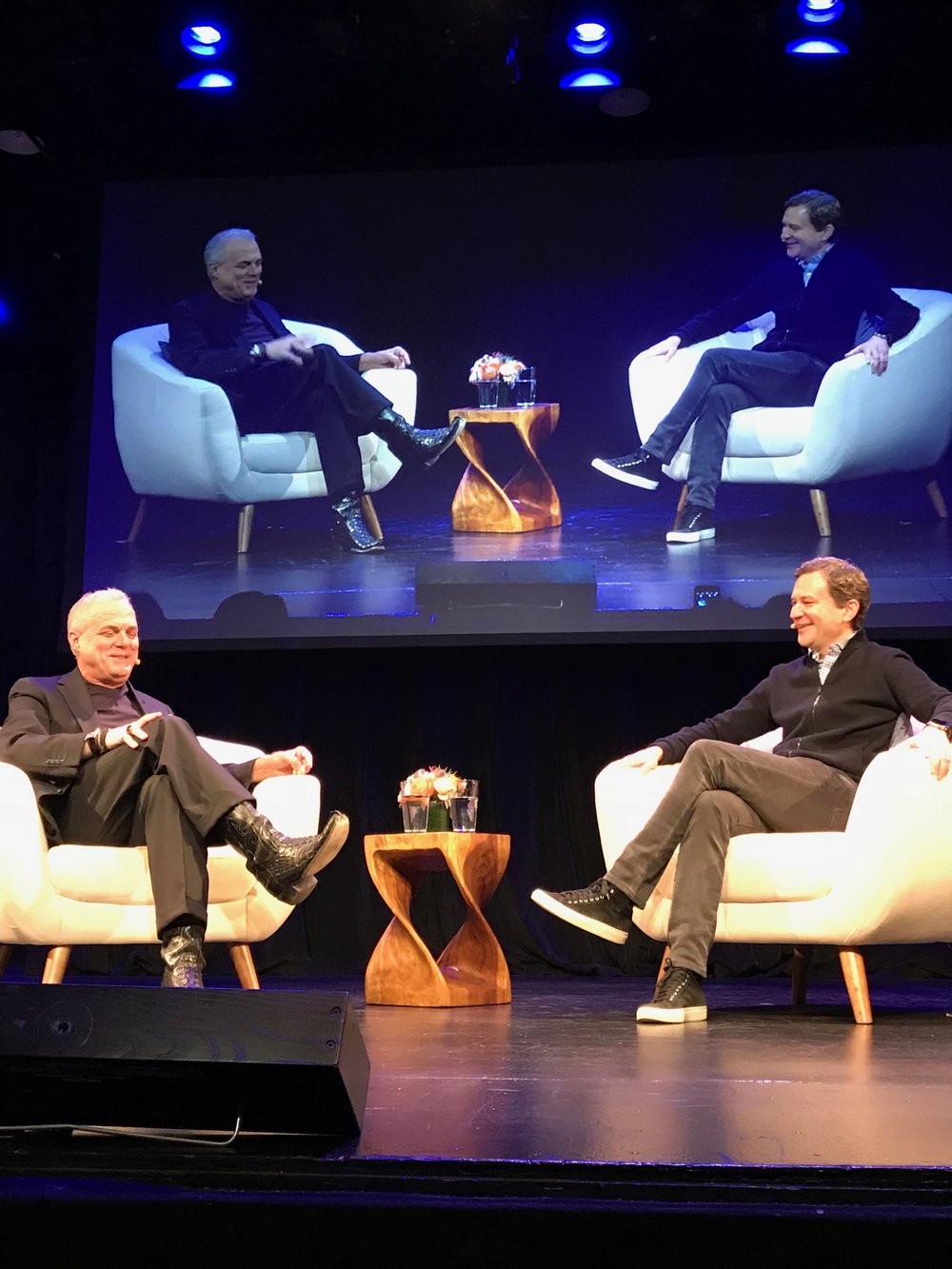
Dan Harris, ABC anchor and 10% Happier author, interviewed Aetna CEO Mark Bertolini.
Mark’s severe skiing accident led him to explore alternate methods of recovery when regular medicine didn't work. He used cranial sacral therapy, yoga, and tantric and loving-kindness meditations to heal. After experiencing positive, life-altering results, he introduced yoga and mindfulness practices into Aetna’s culture. As a result, Aetna’s culture changed. Employees reduced stress by 33%, became more productive, cut health care expenses by $3,000 per person per year, made better decisions, and increased engagement by 1,200%.
All of this came about because of Mark’s terrible accident. Dan Harris commented, “Horrible moments can create great change.”
Gisele Bündchen and Anderson Cooper
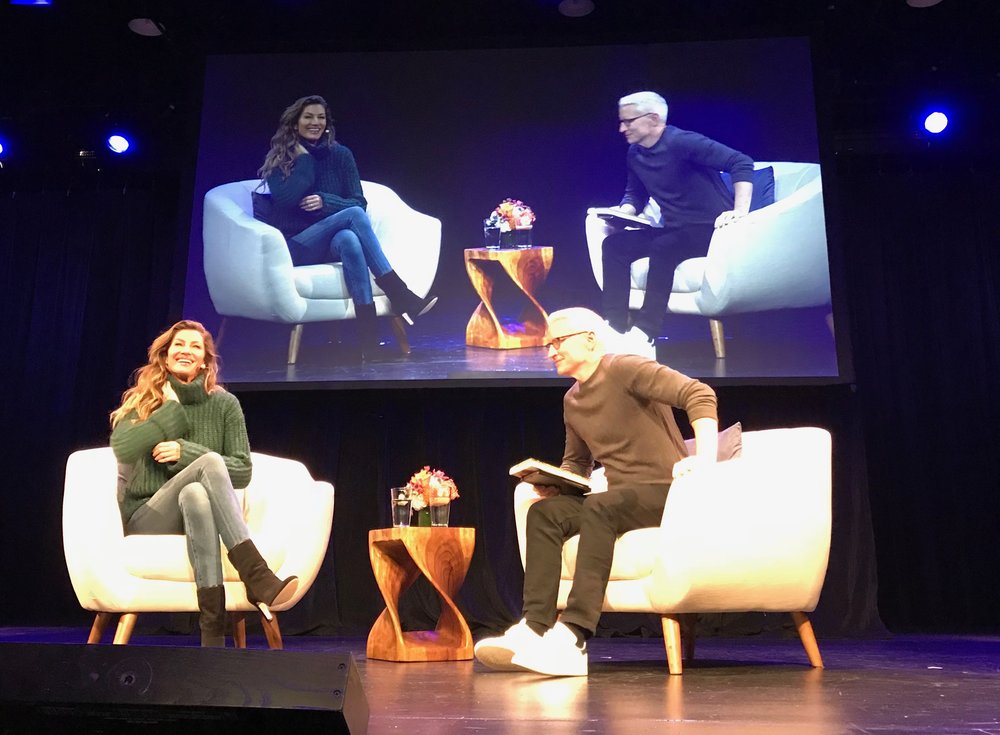
Anderson Cooper, CNN journalist and author, interviewed the effervescent model and author Gisele Bündchen about lessons for creating a meaningful life.
Gisele believes that everyone has a unique gift. She said, “Use your gift in service of others.”
Michael Gervais and Soren Gordhamer

Soren Gordhamer interviewed Michael Gervais, sports psychologist for the Seattle Seahawks. One thing Michael emphasized was the need for elite athletes to have “mastery of craft” and “mastery of self.” He integrates mindfulness into the mastery-of-self plan to help athletes develop awareness, insight, and wisdom.
Tara Brach
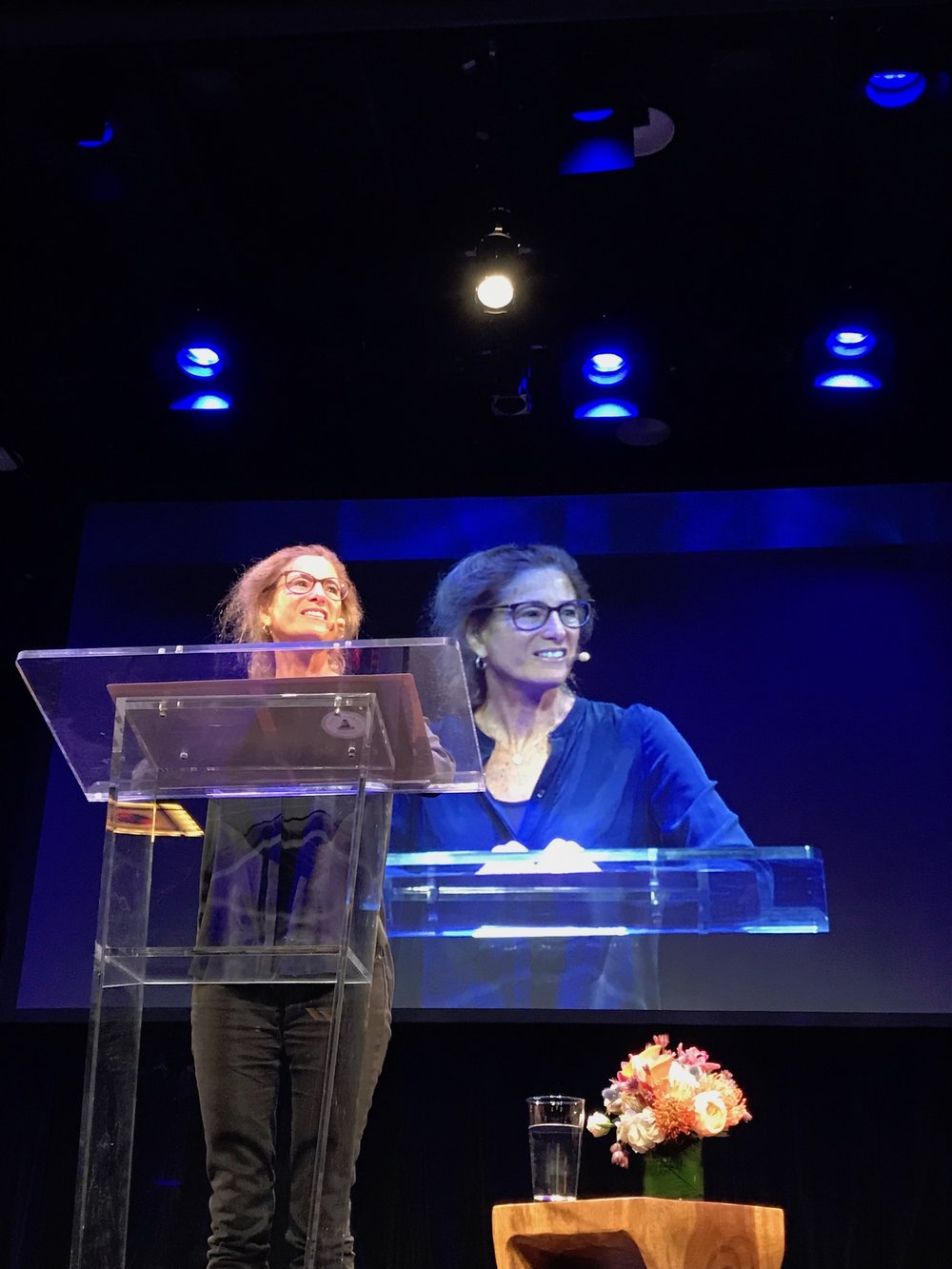
Tara Brach, psychologist, author, and meditation teacher, was one of the few presenters who spoke to us directly without being interviewed. She talked about developing compassion for ourselves and others.
Tara emphasized that self-compassion needs to come first. Without that, we can't fully offer compassion towards others. She shared poignant stories and led us in a profound loving-kindness meditation that had me in tears.
She offered a beautiful question to those in pain: “Where does it hurt?”
Arianna Huffington and Soren Gordhamer
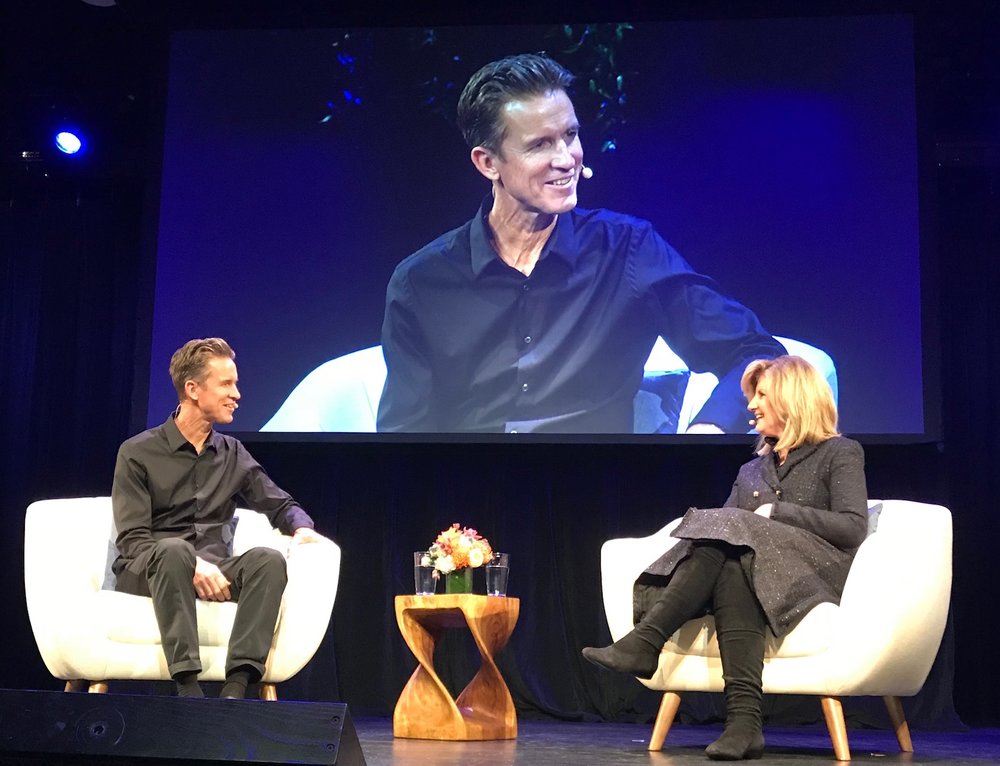
For the final session, Soren interviewed author and businesswoman Arianna Huffington. She talked about her company Thrive Global and its mission “to end the stress and burnout epidemic” by prioritizing our well-being. One of the products they’ve developed is the Thrive app (for Androids only), which helps establish personal technology boundaries by disconnecting from our phones so that we can reconnect with ourselves.
Arianna mentioned a phrase that was new to me. I’m familiar with FOMO, fear of missing out, but JOMO, the joy of missing out, was new to me. JOMO encourages us to guiltlessly not engage in everything. Mindfully choose what’s meaningful. Embrace less.
As part of the conference wrap-up, Soren impressed upon us the uncertainty of life. He encouraged us to be purposeful with the time we have remaining. He said you don’t know if you have ten or 10,000 heartbeats left. Make your beats count. He asked, “How do we want to spend those heartbeats?”
There were many other deep conversations and speakers. I’ve only shared some with you. Each one opened the door for possibilities and change. I left the conference with a sense of hope. Incredible people are working in small and large ways to infuse positive change for individuals, families, teams, groups, corporations, and the world through the path of mindfulness.
Have any curtains of possibilities come forward for you? I’d love to hear your thoughts. Come and join the conversation!
